1 week ago
US Launches Operation Economic Outcast, Warning Iran Trade Partners
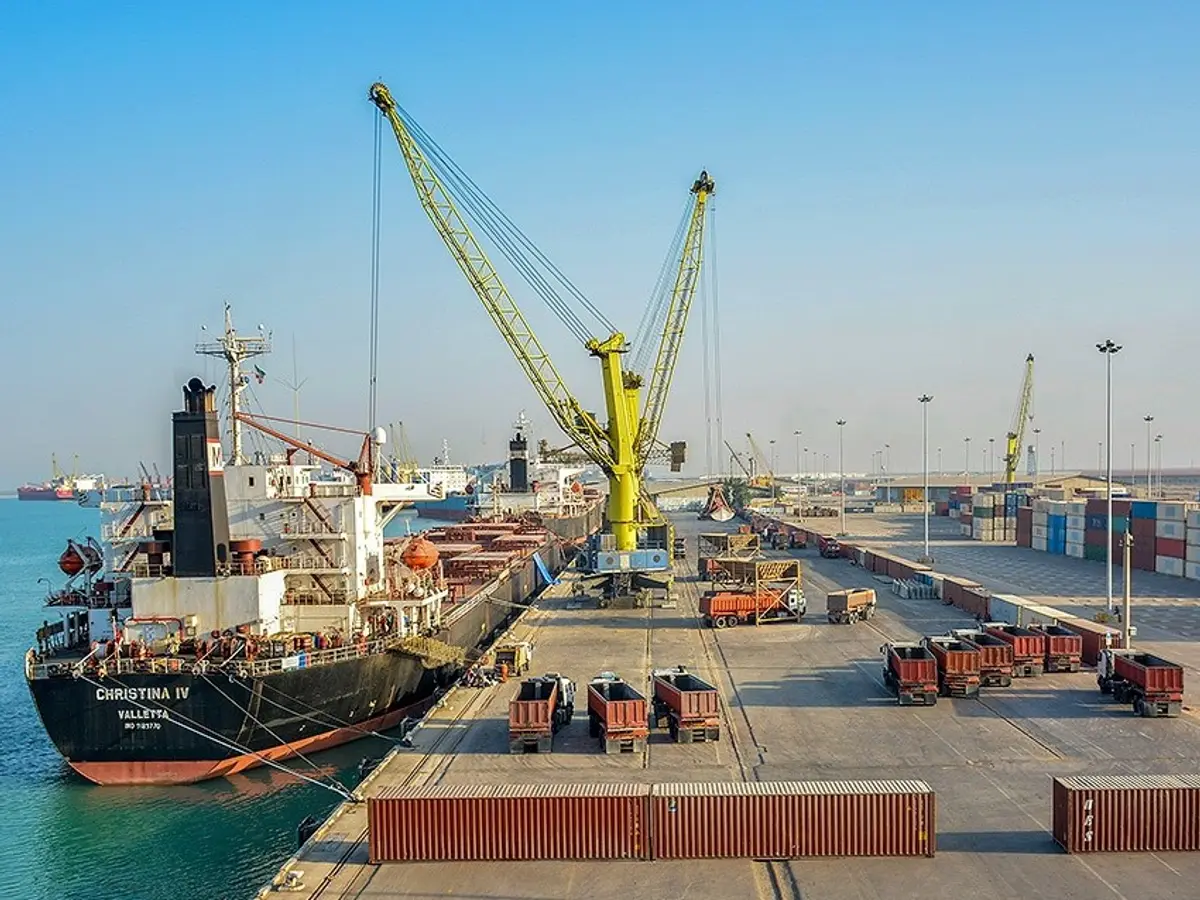
The United States has started a campaign to make it harder for Iran to do business internationally.
It has already sanctioned more than 60 people, companies and ships.
The United States is warning other countries and businesses to reduce their dealings with Iran.
If they do not, they could lose access to American dollars and banks.
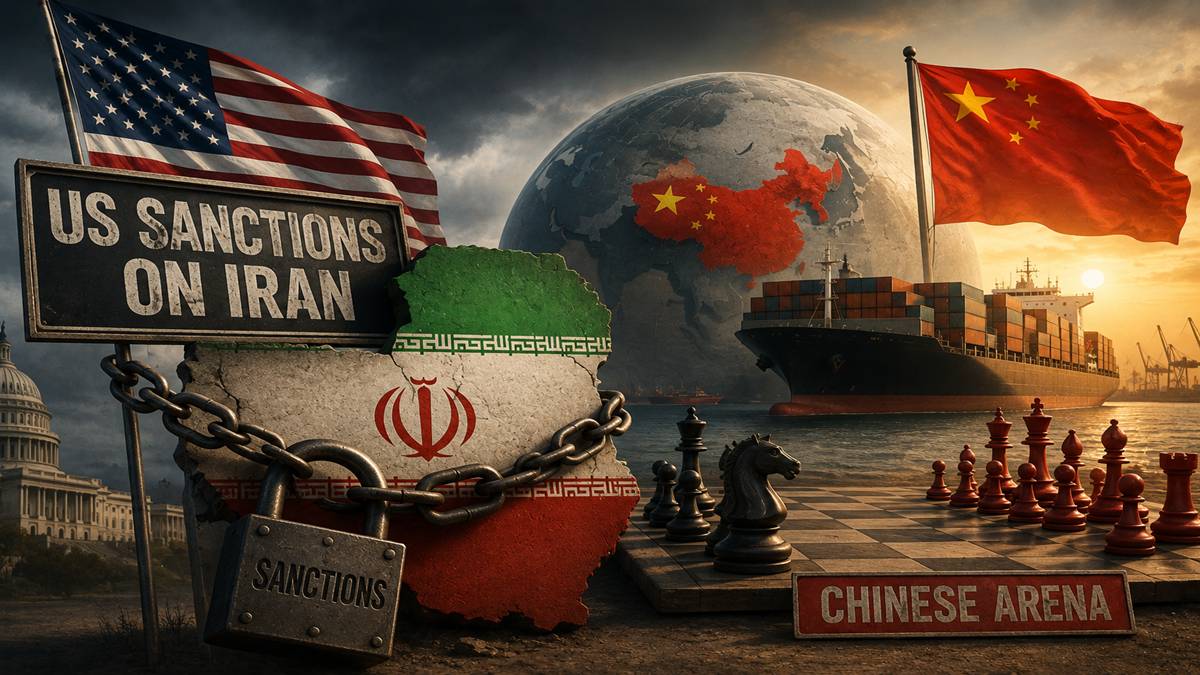
China may be affected most because it buys much of Iran’s oil.
India buys little Iranian oil now, so its overall economy may face less risk.
Pakistan trades with Iran on a smaller scale but depends heavily on dollars and international lenders.
Iran may try to keep trading through alternative payment systems, shipping networks and front companies.

The United States launched Operation Economic Outcast on August 24 to financially isolate Iran.
The first phase sanctioned more than 60 individuals, entities and vessels across five sectors.
Secondary sanctions could penalize foreign banks, companies and facilitators involved in Iran-related activity.
China faces the greatest exposure because it is the largest buyer of Iranian oil.
India and Pakistan face more limited but specific risks, especially in shipping, finance and cross-border trade.
- Who
- The United States, Iran, and businesses and financial institutions in countries trading with Iran, including China, India and Pakistan.
- What
- The United States launched Operation Economic Outcast and warned of possible secondary sanctions against parties facilitating restricted Iran-related activity.
- Where
- The campaign affects Iran-related trade and financial networks internationally, including activity involving China, India, Pakistan, Turkey, Iraq and the United Arab Emirates.
- When
- The campaign began on August 24; further measures could be introduced in the following days and weeks.
- Why
- Washington says the campaign is intended to pressure Iran by targeting oil revenues, nuclear and missile procurement, cyber operations and related financial networks.
United States’ rationale
Trade and enforcement concerns
Purpose of sanctions
United States’ rationale
The United States describes the campaign as an economic onslaught intended to isolate Iran financially and disrupt oil, procurement and cyber-related networks.
Trade and enforcement concerns
Businesses and financial institutions dealing with Iran could face sanctions, increased compliance costs and loss of access to dollar transactions and correspondent banking.
Scope of enforcement
United States’ rationale
Washington says it can selectively target banks, companies, vessels and individuals rather than sanctioning entire countries, while initially allowing a cure period.
Trade and enforcement concerns
Broader action against major Chinese banks or other large financial institutions could create wider consequences for international finance and complicate US-China trade relations.
Effectiveness
United States’ rationale
The United States expects the threat of secondary sanctions to encourage companies and banks to stop facilitating Iran-related activity.
Trade and enforcement concerns
Iran has maintained trade through shadow fleets, exchange houses, front companies and alternative payment channels, so sanctions may raise costs without stopping all trade.
Key facts
- Campaign
- Operation Economic Outcast
- Launch date
- August 24
- Initial sanctions
- More than 60 individuals, entities and vessels
- Targeted sectors
- Digital assets, technology, gold, aviation and shipping
- Most exposed country
- China, the largest buyer of Iranian oil
- India’s oil trade
- India largely stopped importing Iranian crude after 2019
- Potential consequences
- Loss of access to US dollars, correspondent banking and the wider US-linked financial system
Sources
Related news
US Sanctions on Iran Shift Pressure Toward China and India
Trump Unveils Iran Sanctions, Threatening Global Economic Ties
US Sanctions Indian Firms, Escalates Pressure on Iran’s Oil Network
China Rejects US Sanctions Threats Over Iran Trade

Trump’s Economic Outcast Campaign Tests Iran Sanctions Strategy
US Expands Iran Sanctions, Threatening Partners With Dollar Cutoff

RBI Governor Meets US Fed Chief Kevin Warsh at G20
Indian Firms Invest $40 Billion in U.S., Supporting Jobs
Trump Aides Seek to Keep Iran War Quiet Before Midterms
Global Bond Sell-Off Pushes Japan Yields To 30-Year High

US and China Hold Quiet Talks Over Iran Conflict