6 days ago
India’s Education System Struggles to Deliver Skilled Jobs

Many young people in India study for degrees but cannot find suitable jobs.
Graduate unemployment is much higher than unemployment across the whole workforce.
Women graduates face an even higher unemployment rate.
Only a small share of graduates find work that matches what they studied.
Many university courses are described as too theoretical and not practical enough.
Students often do not get internships or experience working with companies.
People with extra training earn more money when they start working.
India also needs more jobs in manufacturing and other secure sectors.
The proposed solutions include better courses, paid apprenticeships, improved colleges and stronger links between schools and employers.

NITI Aayog reports graduate unemployment at 13%, compared with a national average of 3.2%, rising to 20.4% among women.
Only 8.25% of graduates obtain jobs matching their qualifications, while more than half work in elementary or semi-skilled occupations.
Students and workers cite limited practical experience, industry exposure and internships as major barriers to employment.
India’s job shortage is compounded by heavy dependence on agriculture, self-employment and unpaid family labour, with manufacturing employing only 12.1% of workers.
The editorial calls for curriculum audits, paid apprenticeships, stronger vocational education, industry partnerships and more labour-intensive manufacturing jobs.
- Who
- Indian graduates, students, workers, employers and policymakers, with women graduates particularly affected.
- What
- An education and jobs crisis is leaving many graduates unemployed or in work below their qualifications.
- Where
- India, with China presented as a possible education-reform reference.
- When
- The report’s latest findings are discussed; China’s cited programme changes occurred between 2021 and 2025.
- Why
- Higher education is insufficiently practical and poorly connected to employment, while India lacks enough skilled, secure and adequately paid jobs.
Key facts
- Graduate unemployment
- 13%, compared with a national average of 3.2%
- Women graduate unemployment
- 20.4%
- Qualification-aligned employment
- Only 8.25% of graduates obtain jobs aligned with their qualifications
- Agricultural employment
- 43% of India’s workers remain employed in agriculture
- Manufacturing employment
- Manufacturing employs 12.1% of workers
- Starting salary gap
- Graduates without supplementary training average Rs 22,000 monthly, compared with Rs 29,000 for those with additional skills
- China’s programme changes
- Between 2021 and 2025, Chinese universities closed or suspended 12,200 undergraduate programmes, introduced 10,200 and revised more than 30% of programmes
Sources
Related news

India’s Graduate Unemployment Surges as Skills Gap Widens

NITI Aayog Flags India’s Graduate Skills and Jobs Gap

NITI Aayog Flags Graduate Job Mismatch as Skills Gap Widens

NITI Aayog Flags India’s Graduate Skills and Jobs Crisis
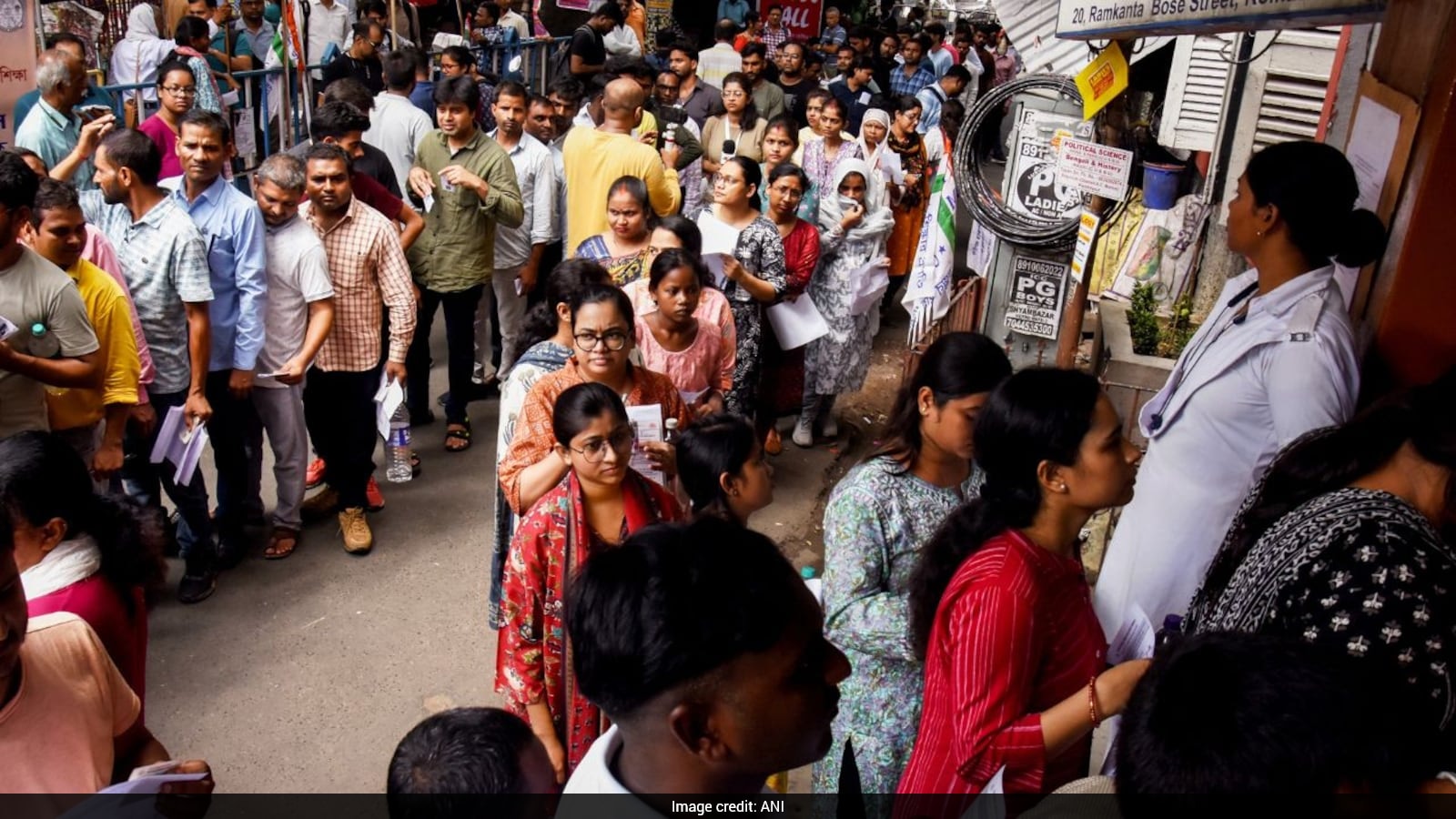
NITI Aayog Urges Job-Linked Reforms for India’s Degrees

NITI Aayog Finds 8.7 Crore Youth Outside Work, Education

Pentagon Turmoil Deepens as Hegseth Tightens Grip on Military

Damaged Lohit River Bridge Cuts Off Arunachal Border Villages
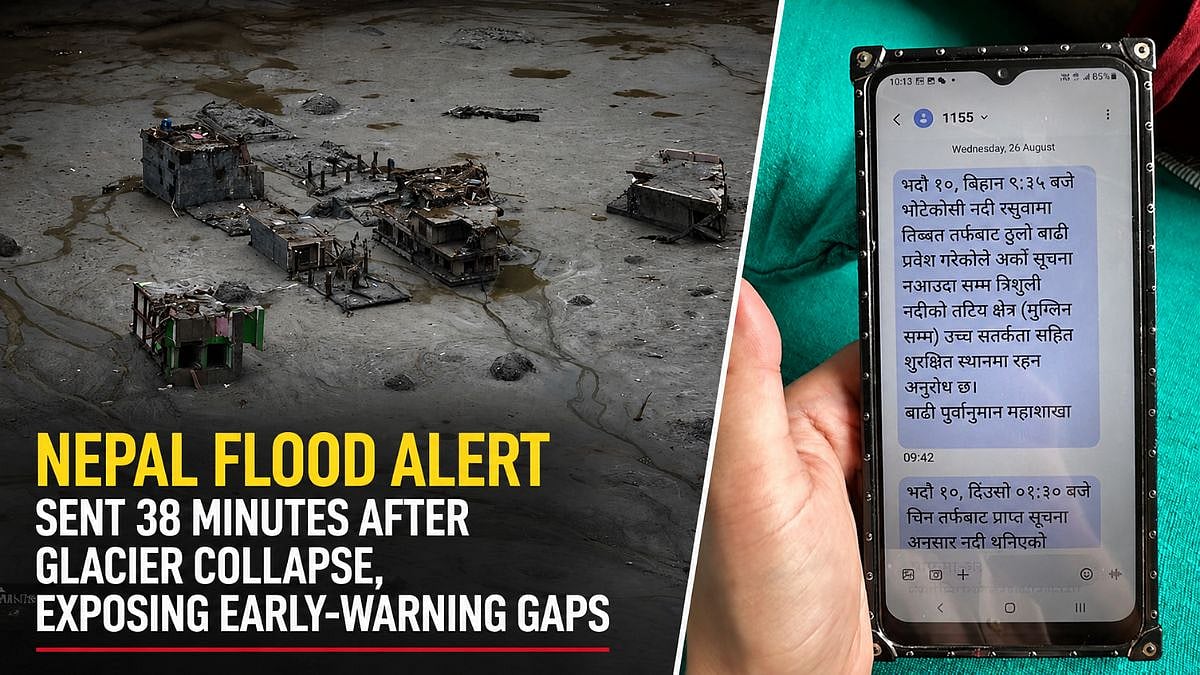
Nepal Flood Exposes Delayed Alerts and Cross-Border Warning Gaps

Chinese Workers Fight Office Ageing With Parasols And Sunscreen

UPSC Key Covers SCO, Electoral Rolls, Economy, Defence and Climate