1 week ago
NITI Aayog Flags Graduate Job Mismatch as Skills Gap Widens

Many students in India earn college degrees but do not find jobs related to what they studied.
A NITI Aayog report says only about 8.25% of graduates work in matching fields.
The report says students often lack practical experience and contact with employers.
Many also need better job skills and interview preparation.
Large numbers of students study general subjects such as arts, science and commerce.
Some choose these degrees because they can qualify for government recruitment exams.
The report says simply creating more graduates will not solve the problem.
It suggests more workplace training, apprenticeships and cooperation between colleges and employers.
The goal is to help students gain useful skills and find better-matched jobs.

A NITI Aayog paper says only 8.25% of graduates work in jobs matching their qualifications.
The report identifies weak practical experience, industry exposure, skills and interview preparation as major gaps.
More than two crore students are enrolled across BA, BSc and BCom programmes, many partly seeking government-job eligibility.
Between November 2024 and July 2025, about 1.86 crore applications were received for roughly 55,000 posts.
NITI Aayog recommends vocational education, industry partnerships, apprenticeships and skills-first reforms.
- Who
- NITI Aayog, students, graduates and employers.
- What
- A NITI Aayog paper has highlighted that only 8.25% of graduates work in roles matching their qualifications and has proposed skills-focused reforms.
- Where
- India.
- When
- The report discusses current education and employment conditions and cites government-job applications received between November 2024 and July 2025.
- Why
- To address the gap between degree-based education and the practical skills employers require as India's working-age population grows.
Degree-first education
Skills-first reform
Purpose of higher education
Degree-first education
The current system continues to produce large numbers of general-degree graduates, with many students pursuing degrees partly because they provide eligibility for government recruitment.
Skills-first reform
NITI Aayog says degrees alone are insufficient and should be connected more closely to practical skills, employers and employment outcomes.
How students become job-ready
Degree-first education
Many learners complete formal education without enough practical experience, industry exposure, skills or interview preparation.
Skills-first reform
The report proposes wider apprenticeships, vocational education, industry-backed programmes and stronger employer participation to improve job readiness.
Structure of learning
Degree-first education
Existing education and skilling pathways can leave qualifications disconnected from workplace requirements.
Skills-first reform
The proposed architecture would make learning more flexible and portable through tools such as a Digital Skills Passport, the National Credit Framework and skills-first policies.
Key facts
- Graduate-job match
- Only 8.25% of graduates are employed in roles matching their qualifications.
- Undergraduate enrolment
- About 3.4 crore students are enrolled in undergraduate programmes.
- General-degree enrolment
- BA, BSc and BCom enrolment together exceeds two crore students.
- Reported skills gap
- Around 80% of learners cite a lack of practical experience and industry exposure as a major gap.
- Government-job competition
- About 1.86 crore applications were received for roughly 55,000 posts between November 2024 and July 2025.
- Proposed reforms
- The paper recommends school-level skill integration, industry partnerships, outcome-linked programmes, apprenticeships and better career guidance.
- System tools proposed
- Recommendations include a Digital Skills Passport, outcome-based financing and operationalising the National Credit Framework.
Sources
Related news

India’s Graduate Unemployment Surges as Skills Gap Widens

NITI Aayog Flags India’s Graduate Skills and Jobs Gap
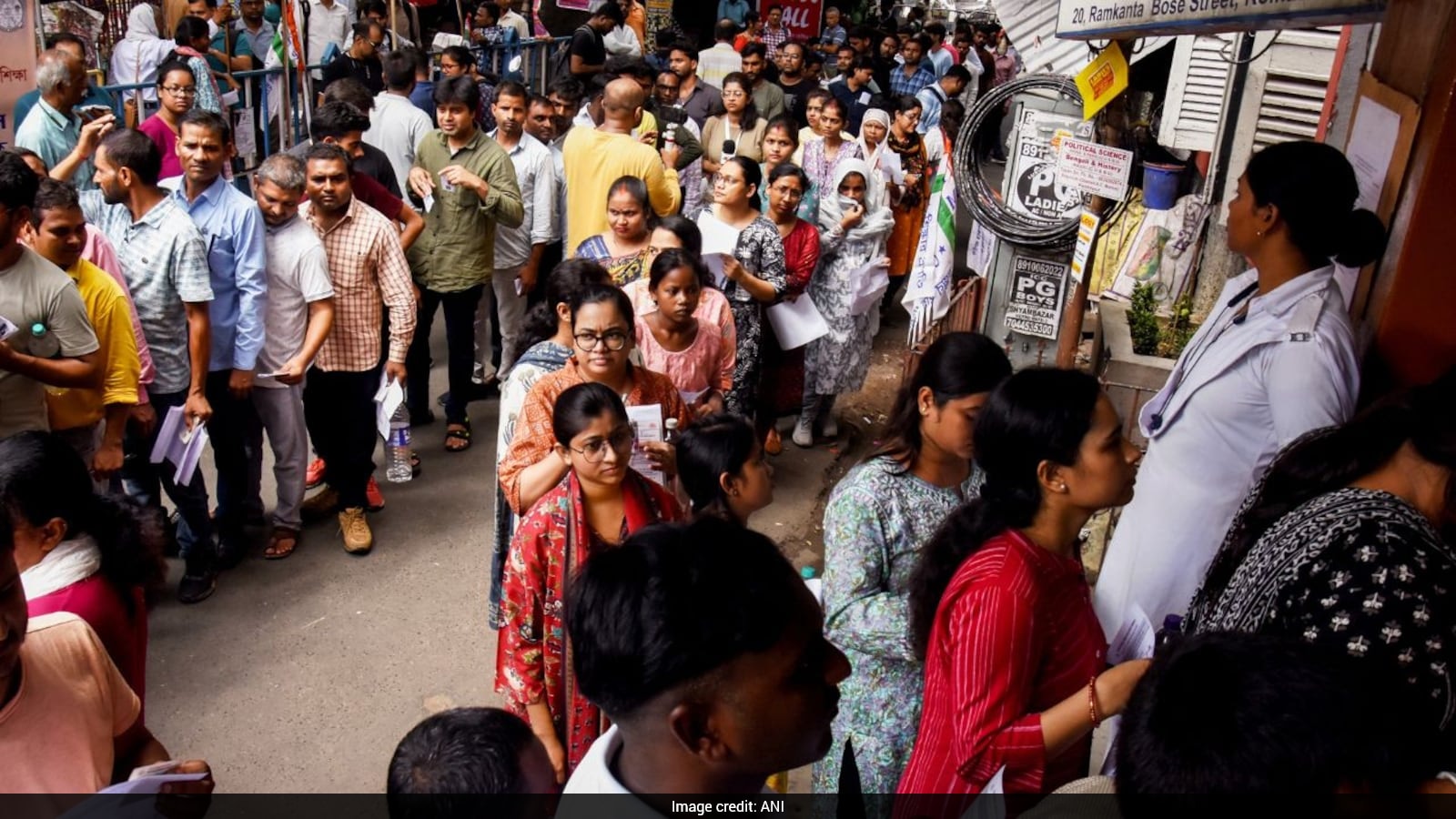
NITI Aayog Urges Job-Linked Reforms for India’s Degrees

NITI Aayog Flags India’s Graduate Skills and Jobs Crisis

India’s Education System Struggles to Deliver Skilled Jobs

NITI Aayog Urges Skills-First Hiring as AI Threatens Workers

Hooda Accuses Haryana Government of Evading Assembly Questions

India's R&D Ecosystem Faces Hurdles On Path To Knowledge Economy
India’s AI Ambition Faces Questions About School Foundations
Hyderabad Reports Police Aid, Prison Death And Scheme Dispute
Why JSW MG Motor May Bring EREV Technology to India