1 day ago
Gujarat Couples Challenge IVF Age Cutoff Amid Advanced-Pregnancy Risks
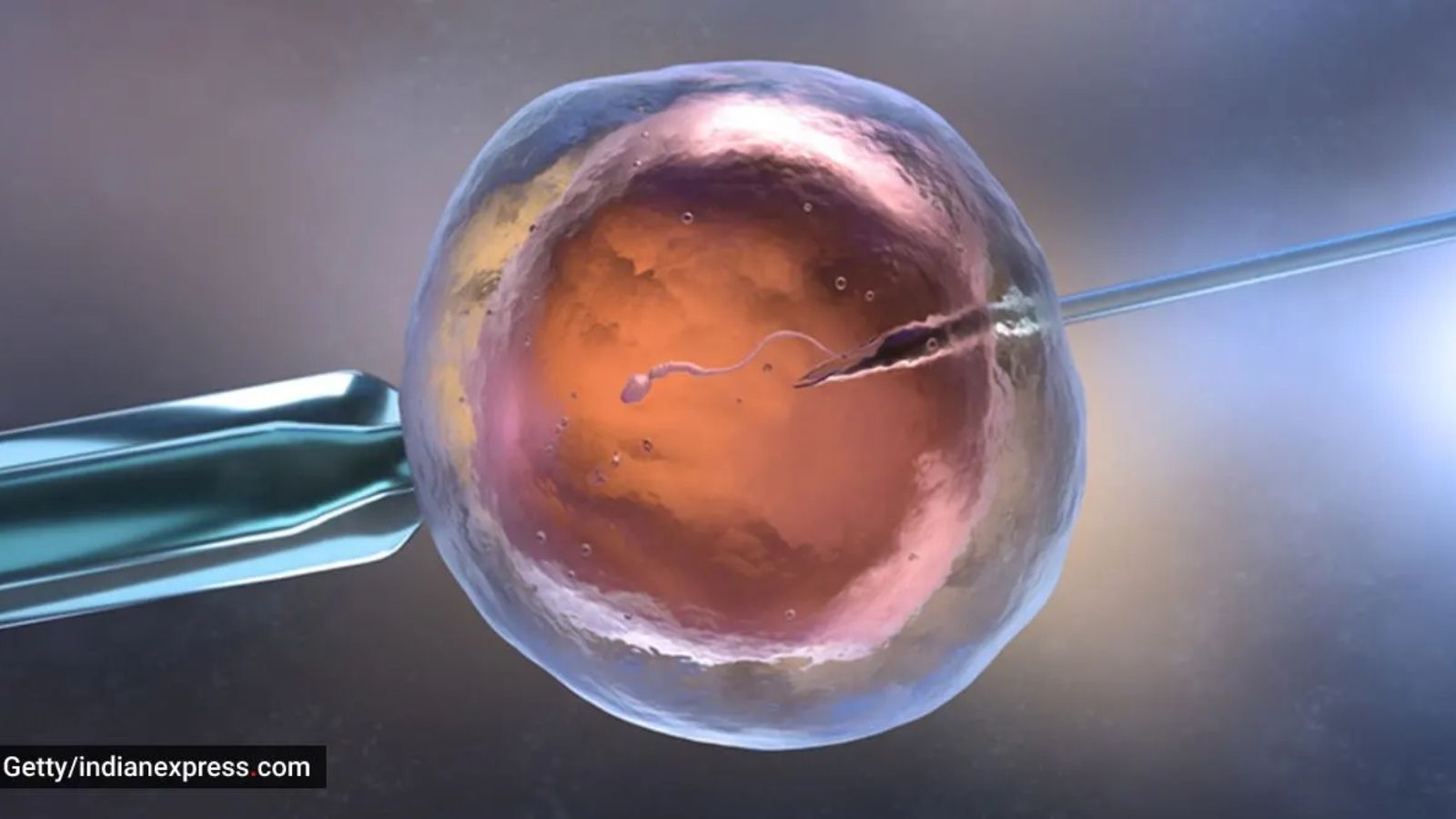
Some couples in Gujarat are upset because IVF treatment can stop when one partner reaches a legal age limit.
One couple began treatment when the woman was 47 and the man was 54, but stopped after he turned 55.
IVF can sometimes help a woman become pregnant after menopause by using a donor egg and preparing the uterus with hormones.
However, getting pregnant is not the same as being healthy enough to carry the pregnancy safely.
Older pregnancies can put extra strain on the heart and other organs.
They can also increase risks for both the mother and baby.
Doctors say permission from a patient is important, but it does not make every treatment safe or suitable.
The debate is whether fixed age rules should remain or doctors should assess each couple individually.

A Gujarat couple stopped IVF after the husband turned 55, the upper age limit for men under India’s assisted reproductive technology law.
Fertility specialists say some couples have had treatment interrupted after crossing the statutory cutoff, including after embryos were created.
Post-menopausal pregnancy may be possible with donor eggs and hormonal preparation of the uterus, but it does not reverse age-related health risks.
Advanced-age pregnancies can increase risks including hypertension, pre-eclampsia, diabetes, blood clots, premature delivery and Caesarean birth.
Doctors must weigh reproductive autonomy against medical risks, the child’s welfare and whether adequate long-term caregiving would be available.
- Who
- Couples seeking IVF, fertility specialists and doctors including Dr Neelam Suri are involved in the debate.
- What
- The debate concerns statutory age limits for IVF and whether treatment should instead be decided through individual medical assessments.
- Where
- The reported case is from Gujarat, while the medical comments came from Indraprastha Apollo Hospital in Delhi.
- When
- The Gujarat case involved treatment beginning when the woman was 47 and the man was 54; he turned 55 before the couple’s anticipated second cycle. Erramatti Mangayamma gave birth to twins in 2019 at age 74.
- Why
- Treatment may be stopped after a patient crosses the legal cutoff, while doctors also face concerns about the health risks of pregnancy at very advanced ages.
Individual Medical Assessment
Fixed Age Restrictions
Access to treatment
Individual Medical Assessment
Couples and some fertility specialists argue that treatment should not automatically stop when a patient crosses an age cutoff, especially if treatment has already begun or embryos have been created.
Fixed Age Restrictions
Statutory limits can prevent treatment from continuing after a legally defined age, even when a couple has experienced failed attempts, miscarriages or delays.
Role of patient choice
Individual Medical Assessment
Reproductive autonomy and informed consent support giving medically assessed patients a say in whether to pursue IVF.
Fixed Age Restrictions
The doctor interviewed says consent alone does not require physicians to provide a procedure whose foreseeable risks may be disproportionate.
Advanced-age pregnancy
Individual Medical Assessment
Cases such as the 74-year-old woman who delivered twins show that pregnancy can sometimes be achieved well after menopause through assisted reproduction.
Fixed Age Restrictions
Doctors stress that such cases are exceptional and do not show that pregnancy at 70 or older is routinely safe or appropriate.
Key facts
- Reported couple
- The woman was 47 and the man was 54 when they began their first IVF cycle.
- Treatment outcome
- Their first IVF attempt failed, and they stopped before a second cycle after the man turned 55.
- Male age cutoff
- The article identifies 55 as the upper age limit for men under India’s assisted reproductive technology law.
- Post-menopause IVF
- Treatment may use a donor egg, with the embryo transferred after hormonal preparation of the uterus.
- Major maternal risks
- Potential risks include hypertension, pre-eclampsia, gestational diabetes, blood clots, cardiovascular complications, premature delivery and Caesarean delivery.
- Reported exceptional case
- Erramatti Mangayamma of Andhra Pradesh had twin girls after IVF at age 74 in 2019.
- Ethical considerations
- Doctors may consider reproductive autonomy, foreseeable harm, responsible practice and the future child’s welfare.
Sources
Related news

Kerala High Court Allows Couple’s IVF Despite Age Limit

Kerala High Court Extends Surrogacy Eligibility Until Husband Turns 56
Egg Freezing: Safety, Risks, Storage Limits and Success Uncertainties

India’s Fertility Crisis Highlights Delayed Parenthood and Reproductive Awareness

AIIMS Bhopal Opens New IVF and Fertility Centre

Pregnancy Exercise Guidance After Kiara Advani’s ‘Toxic’ Shoot

Why Quitting Smoking Takes More Than Simple Willpower

H1N1 Surge Raises Concerns About Hidden Heart Risks
Health Ministry Reviews Preparedness as H1N1 Infections Surge