3 days ago
Egg Freezing: Safety, Risks, Storage Limits and Success Uncertainties
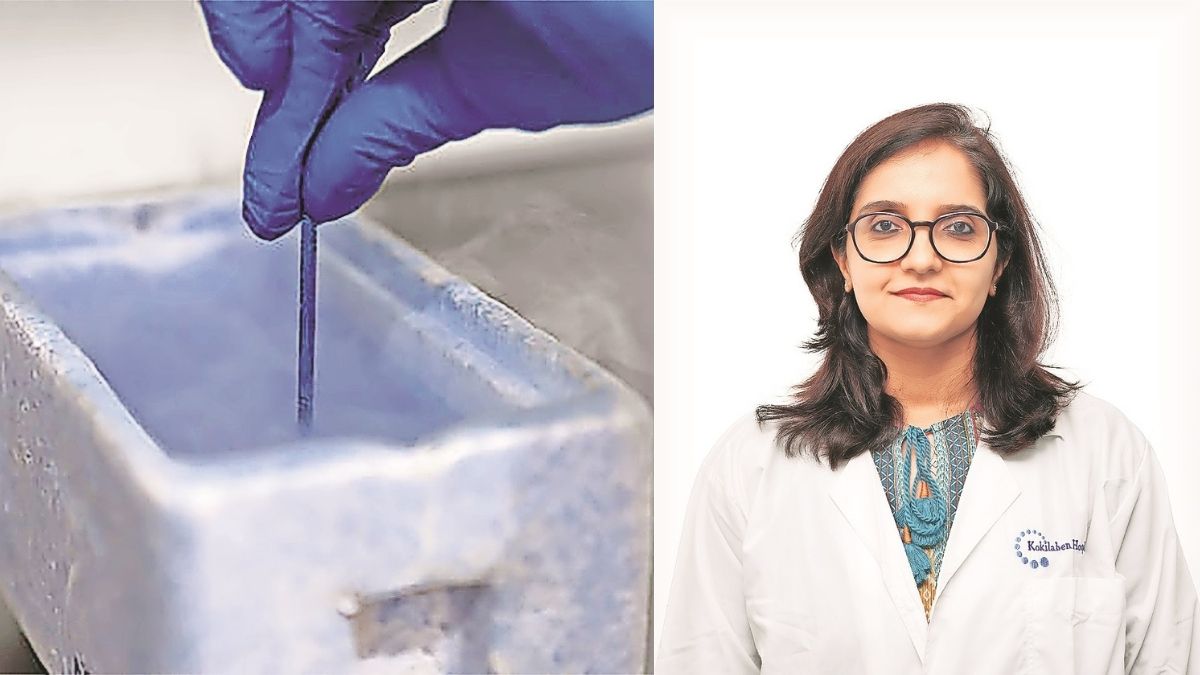
Egg freezing lets a person store eggs for possible use later.
Doctors usually consider it safe when trained specialists perform it at a good fertility centre.
Some people may have temporary bloating, mood swings or cramps after the eggs are collected.
Serious problems such as bleeding, infection or ovarian hyperstimulation are rare.
Freezing eggs with a method called vitrification is not known to cause genetic damage.
However, the age of the eggs when they are frozen matters because older eggs are more likely to have chromosome problems.
Properly stored eggs do not have a known biological expiry date, but clinics and laws may set time limits.
Freezing eggs can preserve choices, but it cannot promise a pregnancy or a healthy baby.

Egg freezing is generally considered safe at experienced fertility centres under reproductive-physician supervision.
Common short-term effects include bloating, mood swings and minor cramps; rare risks include ovarian hyperstimulation, bleeding and infection.
Modern vitrification and proper storage are not known to cause genetic damage, but older eggs have a higher risk of chromosomal abnormalities.
Frozen eggs have no fixed biological expiry date, although regulations, clinic policies, consent and storage fees may limit storage time.
Egg freezing does not guarantee pregnancy or a healthy baby, so patients should review clinic-specific outcomes and storage arrangements.
- Who
- People seeking to preserve reproductive options, including those delaying childbearing or facing treatments that may harm ovarian function; Dr Hitesha Ramnani Rohira provided the medical guidance.
- What
- The article explains the safety, risks, storage, genetic considerations and suitability of egg freezing.
- Where
- Egg freezing should be performed at a properly registered, experienced fertility centre; the quoted specialist works at Kokilaben Dhirubhai Ambani Hospital in Mumbai.
- When
- Why
- People may freeze eggs to preserve reproductive options before delayed childbearing, cancer treatment, ovarian surgery or other conditions that could reduce ovarian function.
Key facts
- Common effects
- Mild bloating, mood swings and minor cramps after egg retrieval.
- Rare risks
- Ovarian hyperstimulation syndrome, bleeding or minor infection during retrieval.
- Freezing method
- Vitrification is described as a well-established modern freezing process.
- Storage viability
- Eggs have no fixed biological expiry date when stored correctly.
- Main genetic concern
- Age at freezing, rather than years in storage, is associated with a higher likelihood of chromosomal abnormalities.
- Success limitation
- Egg freezing does not guarantee pregnancy or a healthy baby after thawing, fertilisation and embryo transfer.
- Clinic checks
- Patients should ask about age-specific egg survival, fertilisation, embryo development and live-birth results, as well as storage security and closure procedures.
Quotes
Dr Hitesha Ramnani Rohira
Consultant in IVF at Kokilaben Dhirubhai Ambani Hospital, Mumbai
“Egg freezing is generally considered safe when performed in an experienced fertility centre, under the guidance of reproductive physician.”
 financialexpress.com
“Importantly, freezing eggs does not guarantee a pregnancy or healthy baby after thawing and fertilisation in vitro and transfer.”
financialexpress.com
Sources
Related news
Gujarat Couples Challenge IVF Age Cutoff Amid Advanced-Pregnancy Risks

Surbhi Chandna on Egg Freezing: I Fear the Hormonal Imbalance

Sperm Freezing: Who Should Consider It and Why Age Matters

AIIMS Bhopal Opens New IVF and Fertility Centre

Maharashtra Launches Campaign to Improve Schools and Student Facilities

Maharashtra Teachers Protest Food Licence Rule For Mid-Day Meals

Maharashtra, Australia Plan Biomanufacturing Task Force for Joint Growth

Dadar Platform 4 To Expand For 15-Coach Fast Locals

Shinde Sena Challenges Shiv Sena’s 2018 Power Shift