11 hrs ago
Nepal Flood Rescue Hopes Dim as Tunnel Searches Continue

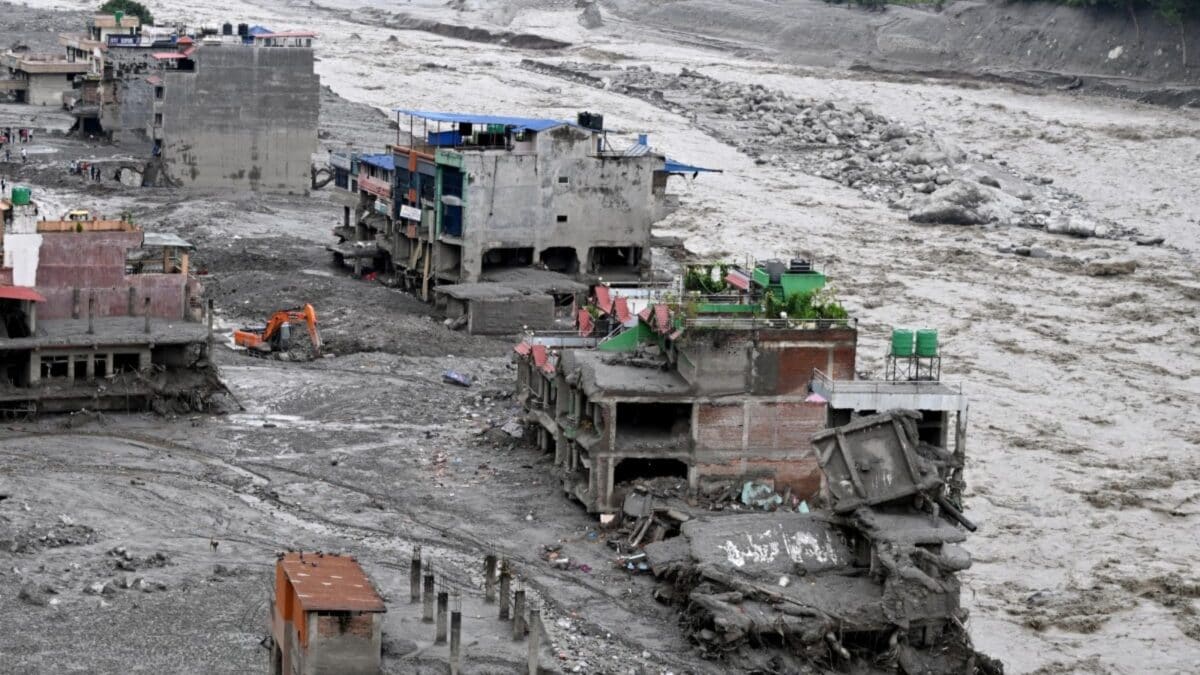
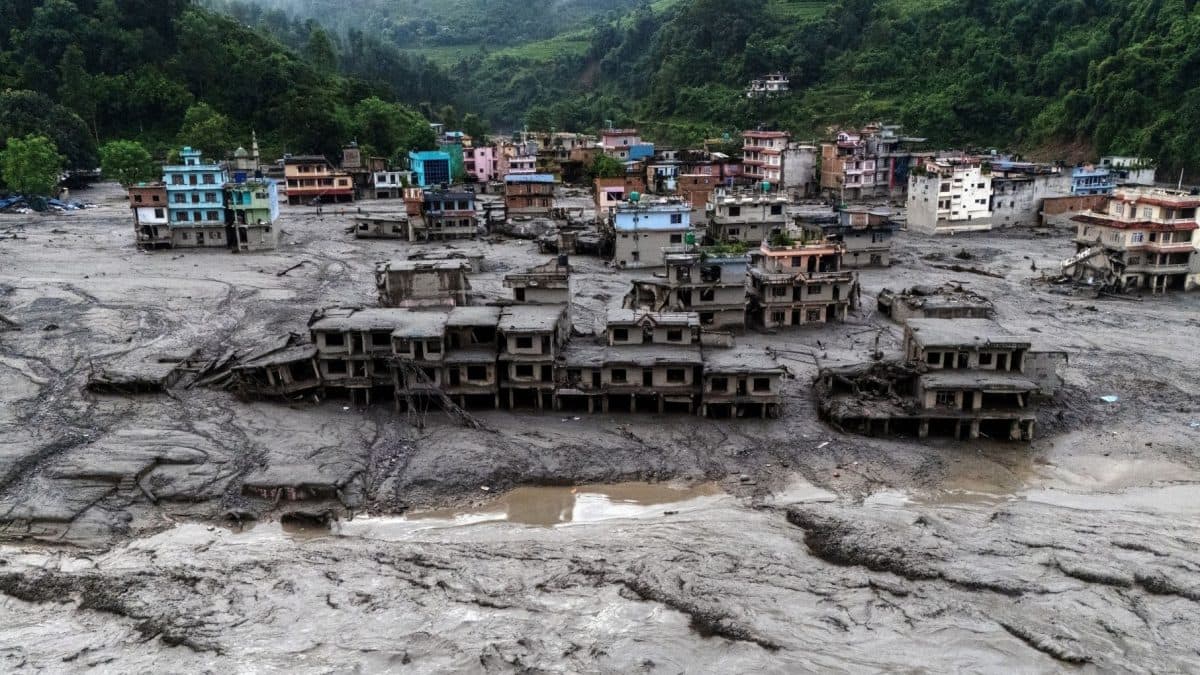
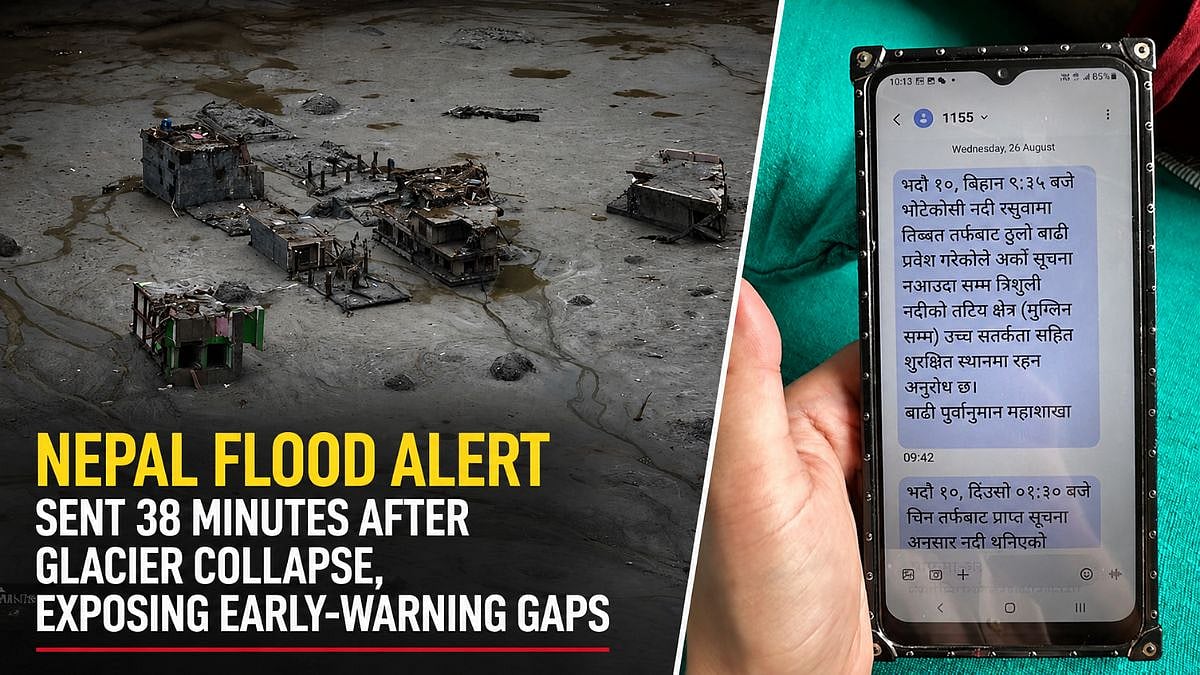
A powerful flood hit Nepal and nearby Tibet on August 26 after a glacier collapse, according to Reuters.
The disaster killed more than 1,000 people, although reports gave different totals.
Thousands of people are still missing.
Rescuers think people outside may have been swept away by rocks, mud, trees and fast-moving water.
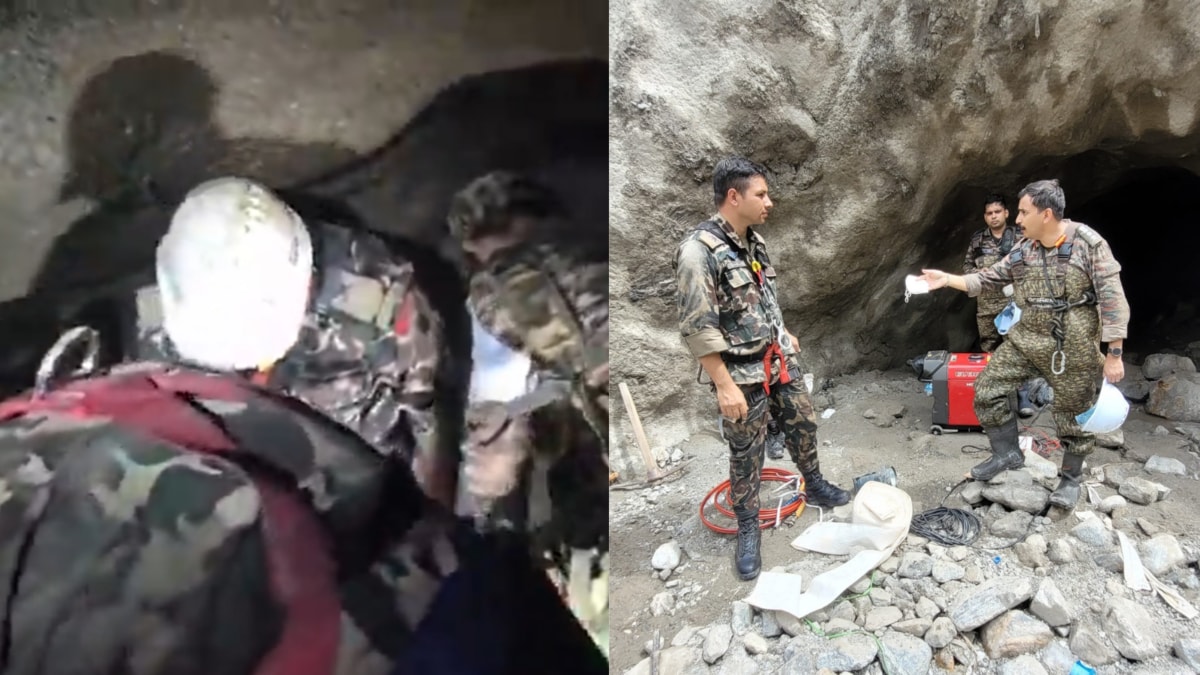
They are now focusing on tunnels under hydropower plants.
These tunnels might have spaces with air, food and water.
Reaching them is difficult because entrances are blocked or filled with water.
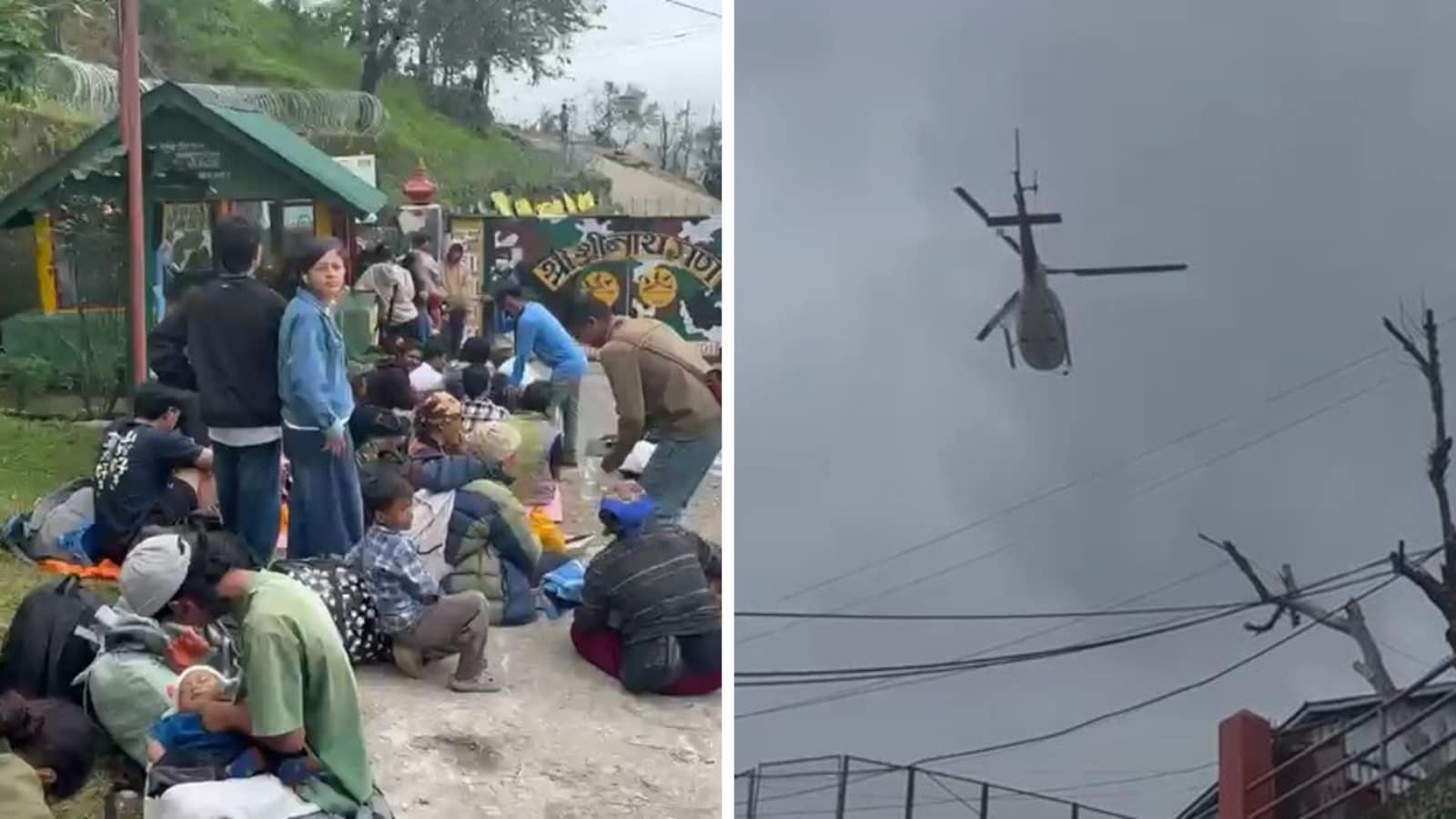
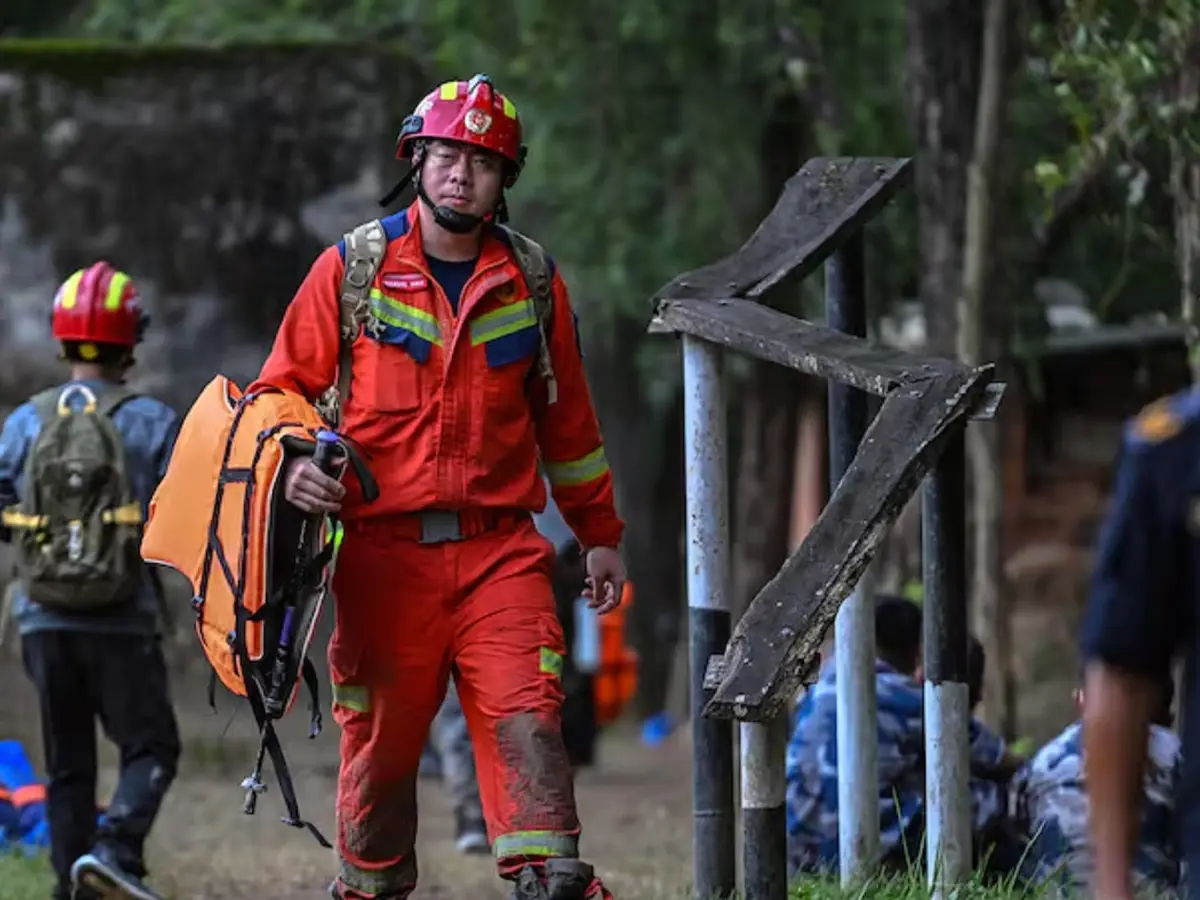
Rescue teams from several countries are helping Nepal.
China has also reopened a road so heavy machines can reach the disaster area in Tibet.
Children who survived are experiencing fear and anxiety after seeing the destruction.

Seven days after the August 26 floods, rescue hopes outside protected structures were rapidly fading.
Reports cited differing tolls: 1,066 dead and 4,462 missing in one account, while Reuters reported at least 1,114 dead and nearly 4,000 missing.
Nepal’s reported figures were 1,050 deaths and 3,916 missing, while Tibet reported 16 deaths and 546 missing.
Rescuers are concentrating on hydropower tunnels and underground powerhouses where air pockets, food and water may have helped workers survive.
Teams from Nepal, India, China and the United States are searching despite blockages, rushing water, rain and unstable mountain terrain.
- Who
- Nepalese authorities, the Nepal Army, police, and specialist teams from India, China and the United States are searching for missing people.
- What
- Flash floods killed more than 1,000 people and left thousands missing, while rescuers search debris and hydropower tunnels for survivors.
- Where
- The floods affected mountainous areas of Nepal and Tibet, including the Bhote Koshi-Trishuli corridor and hydropower projects near the China border.
- When
- The disaster began on August 26, and the reports were published on September 2, seven days later.
- Why
- A glacier collapse and resulting flash floods swept through settlements, valleys and infrastructure, leaving people trapped, isolated or missing.
Key facts
- Reported toll in one account
- 1,066 dead and 4,462 missing across Nepal and Tibet.
- Reuters toll
- At least 1,114 dead and nearly 4,000 missing.
- Nepal figures
- 1,050 deaths and 3,916 missing, including 583 foreign nationals.
- Tibet figures
- 16 deaths and 546 missing; the missing included 104 Indians, 49 Nepali citizens and 33 Latvians.
- Hydropower-related missing people
- Nepal’s disaster authority listed 639 people associated with hydropower projects as missing; an industry association reported 894 people out of contact across 11 projects.
- Tunnel search progress
- Rescuers reached about 160 metres at Upper Trishuli-1 and 150 metres at Chilime before encountering blockages or buried sections.
- Infrastructure impact
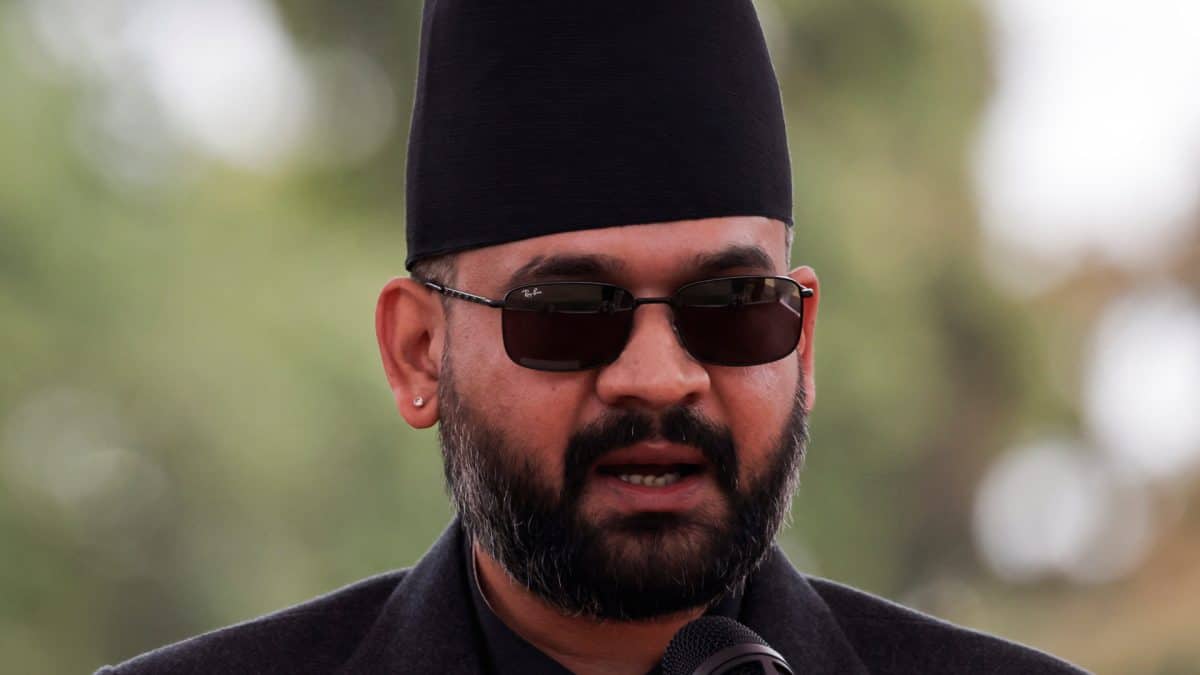
- Nepalese Prime Minister Balendra Shah said 431 megawatts of electricity-generation capacity were disrupted and 95% of telecommunications services had been restored in affected areas by Tuesday.
Quotes
Senior police officers and disaster management officials
Officials involved in assessing the flood rescue operation
“Our remaining operational hope for living survivors is largely concentrated on the underground project sites where air pockets might exist.”
 news18.com
“We are very confident that they must be alive after one week because … they have food and water over there in the building”
 theprint.in
Sources
Related news
Nepal Flood Death Toll Reaches 955 as Tunnel Searches Continue
Nepal Floods Leave 933 Hydropower Workers Missing in Tunnels

Nepal Flood Death Toll Reaches 1,127 as Survivor Hopes Fade
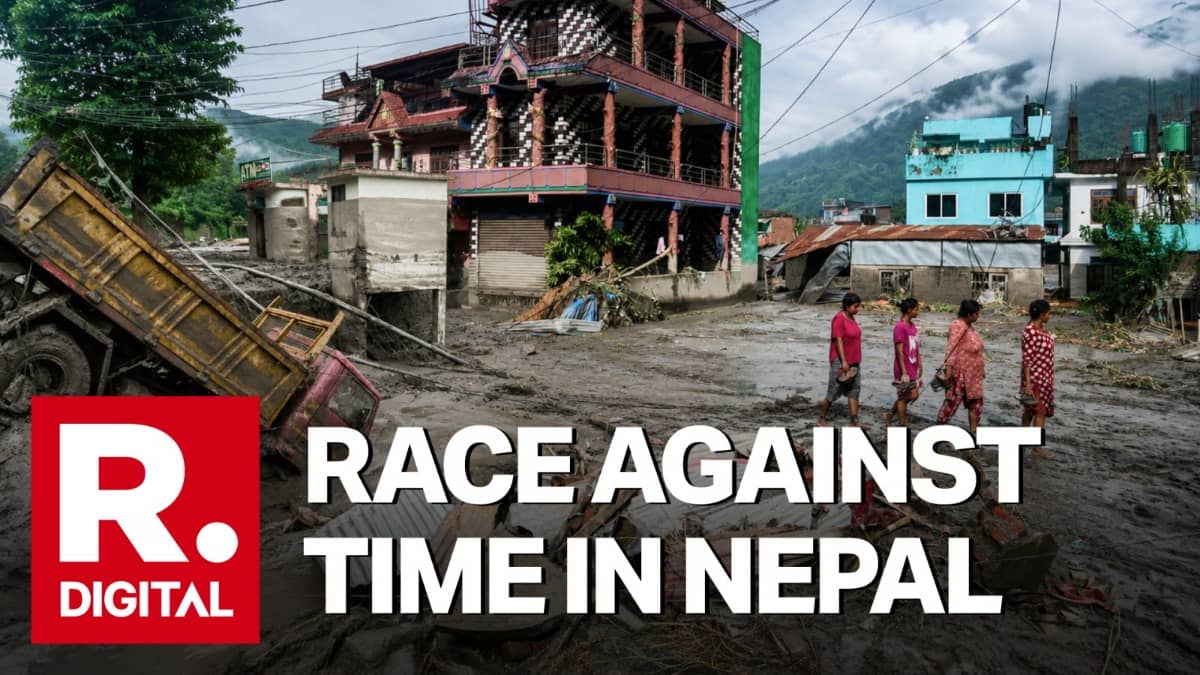
Nepal Searches for 933 Hydropower Workers Missing After Floods
Nepal Tunnel Rescue Race Against Time After Devastating Floods
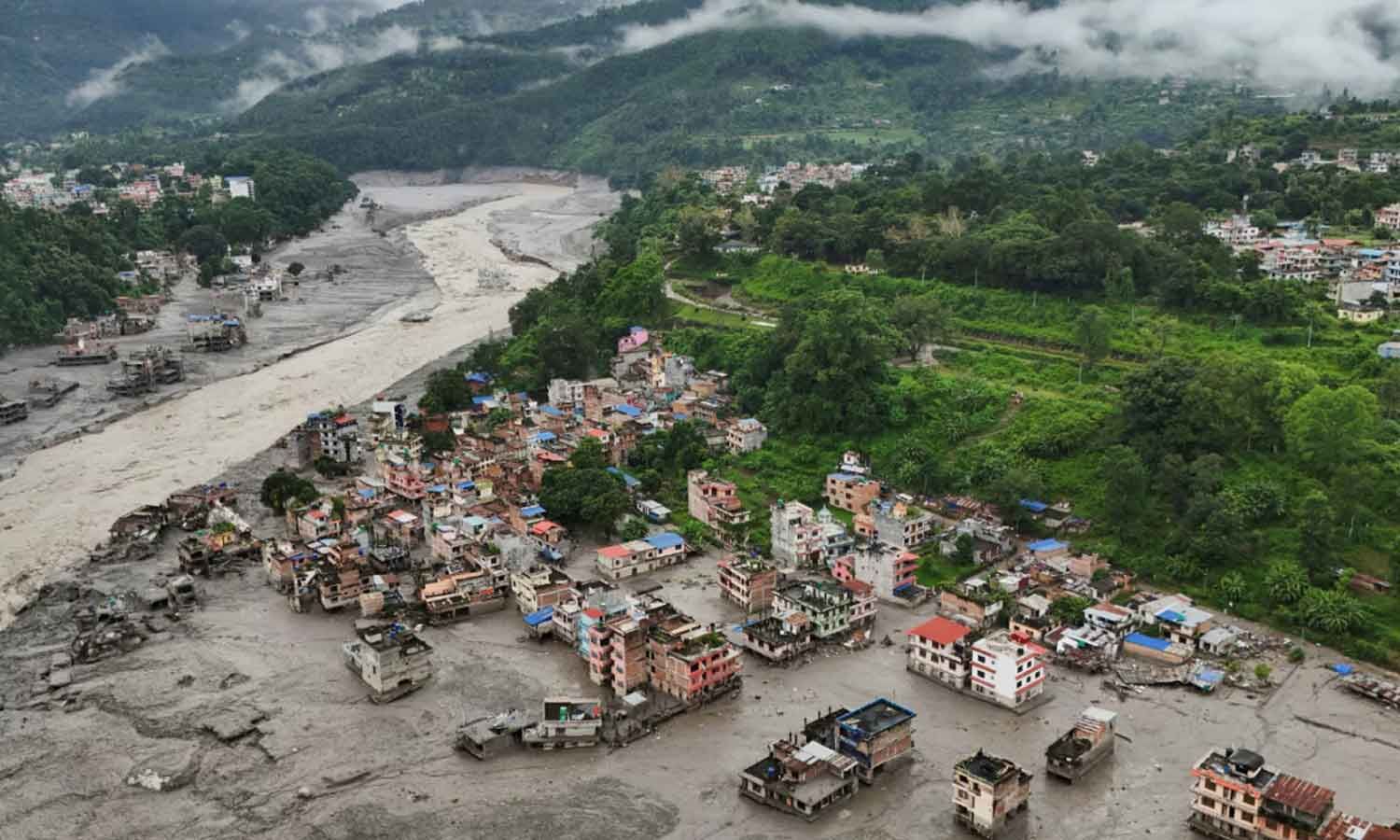
Nepal Flood Toll Reaches 903 as Thousands Remain Missing

Nepal Thanks India as Glacial Disaster Rescue Efforts Continue
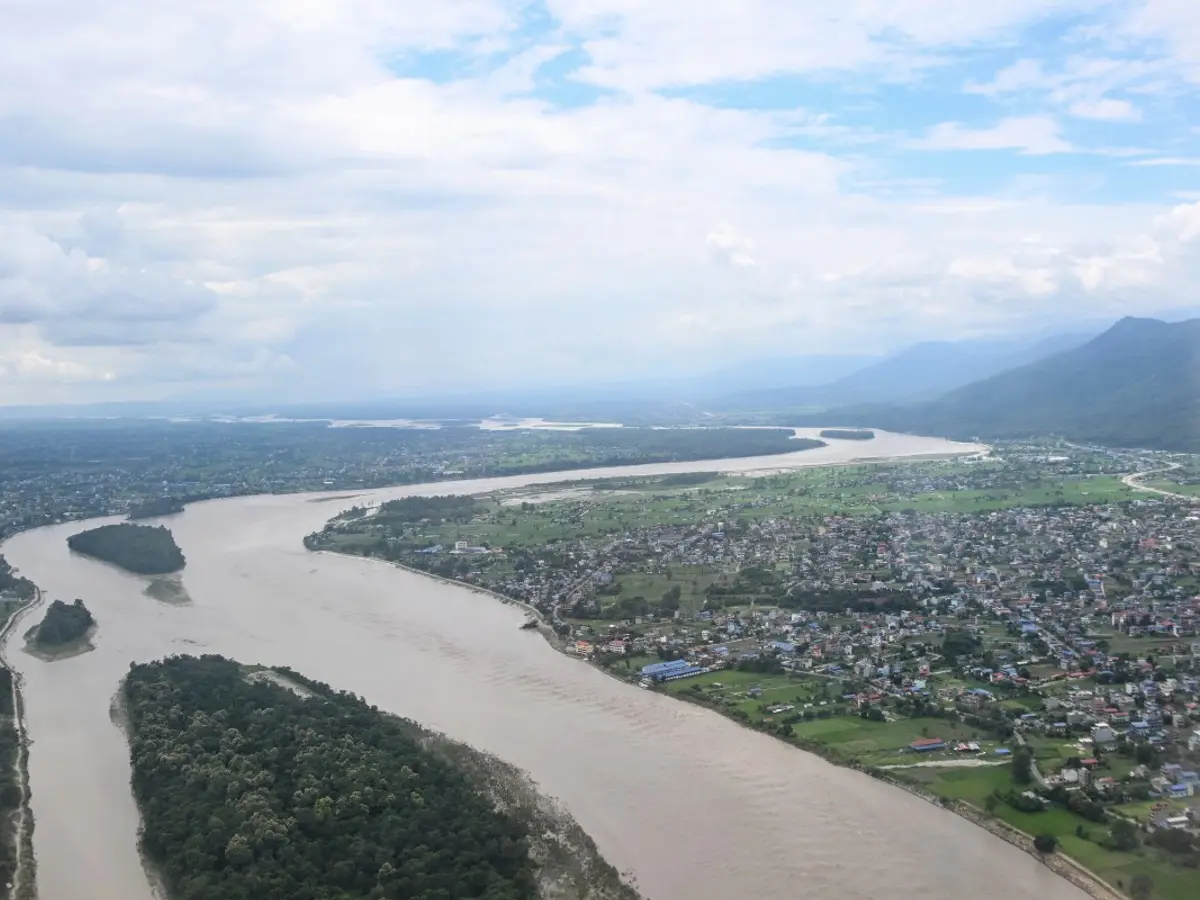
Nepal Warns of Heavy Rain After Deadly Floods
Nepal Flood Exposes Delayed Alerts and Cross-Border Warning Gaps
Bhotekoshi Flood Crisis: Nepal PM Shah Calls for Courage
Nepal PM Thanks India, China Amid Climate Compensation Demand