2 weeks ago
NASA invites ISRO to join its ambitious Moon Base programme

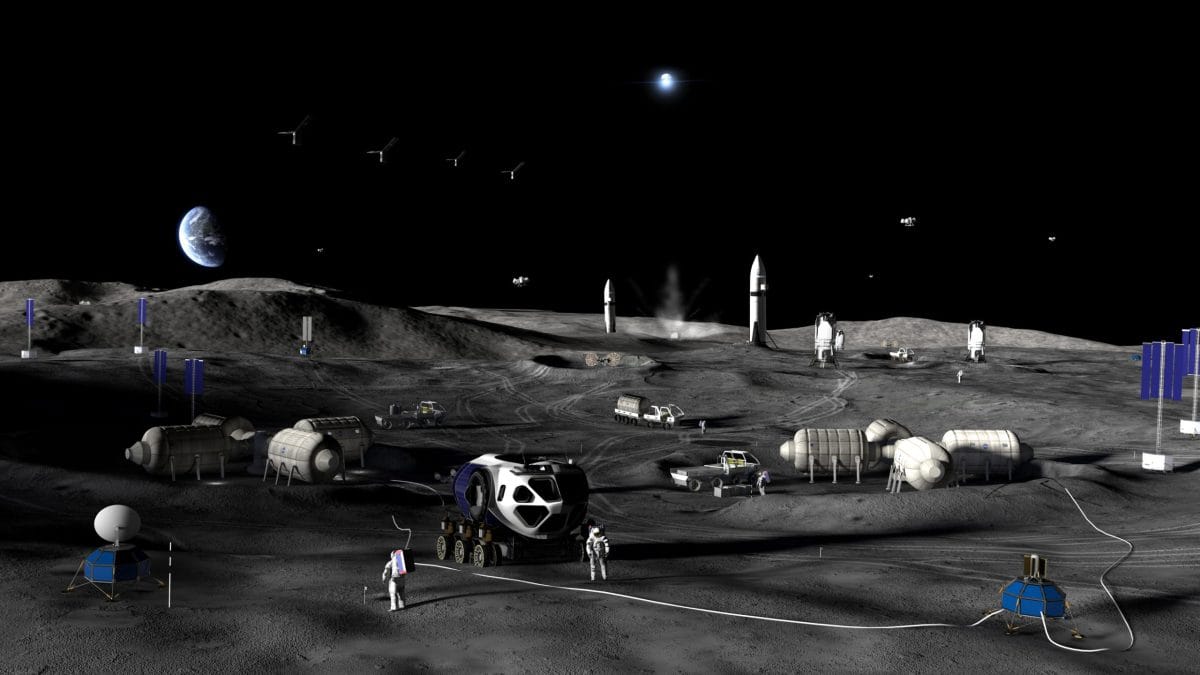
NASA, the American space agency, has asked ISRO, India's space agency, to help build a Moon Base.
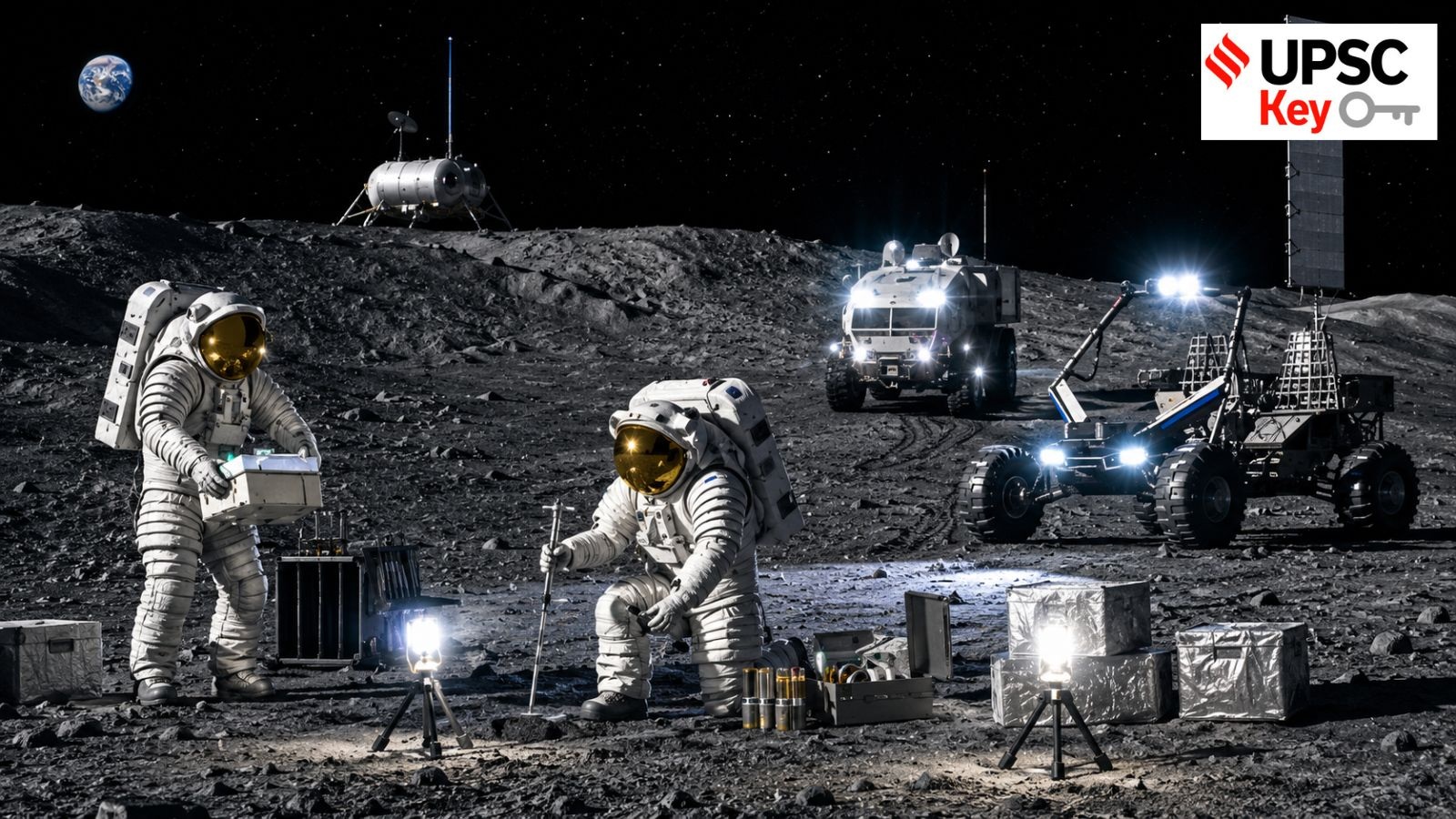
A Moon Base is like a science house on the Moon where astronauts can live and work for a long time.
People have not visited the Moon since 1972, and now countries want to go back.
NASA's Artemis programme wants to land humans on the Moon before 2028.
The Moon Base would be the next step after that.
NASA says the project can go faster if many countries and companies help.
India has its own plan to land people on the Moon by 2040, and this partnership could help ISRO learn how to do it.
India has already signed an agreement called the Artemis Accords to work with the US on space missions.
Some big countries like China and Russia are not part of that agreement.
The Moon might become very important in the future for science and resources, so countries want to cooperate on it.

NASA has asked ISRO to join its Moon Base programme, an ambitious project to establish a permanent research station on the Moon.
Humans have not been to the Moon since 1972, and the US-led Artemis programme aims to land humans on the Moon before 2028.
NASA plans to partner with other countries and private companies to achieve the Moon Base goal faster and more efficiently.
ISRO, which plans to land human beings on the Moon by 2040, would gain hands-on experience in crewed missions and access to technologies.
India has signed the Artemis Accords, while China and Russia are not part of the agreement, which is seen as replacing the 1979 Moon Agreement.
- Who
- NASA and ISRO, the space agencies of the US and India.
- What
- NASA invited ISRO to join its Moon Base programme to establish a permanent research station on the Moon.
- Where
- The Moon, under the broader India-US space cooperation framework.
- When
- Current announcement; the Artemis programme aims to land humans on the Moon before 2028, and ISRO plans a crewed Moon landing by 2040.
- Why
- To accelerate a human return to the Moon and prepare for extended stays, as the Moon is expected to become strategically and economically important.
Multilateral governance
US-led partnership
Moon governance framework
Multilateral governance
The Artemis Accords sidestep and seek to replace the 1979 Moon Agreement, which aims for a multilateral governance framework for lunar resources; China and Russia are not part of the Accords.
US-led partnership
The Artemis Accords form a US-led coalition of space-faring countries, and partnering with allies and private companies can achieve the Moon Base goal faster and more efficiently.
Future of lunar resources
Multilateral governance
As countries begin to extract lunar resources, there are potential pitfalls if governance is driven by a US-led alliance rather than a broader multilateral framework.
US-led partnership
The Moon is becoming strategically and economically important, and the Moon Base programme is the logical follow-up to the Artemis programme's return to the Moon.
Key facts
- Programme
- NASA Moon Base programme
- Goal
- Permanent research station on the Moon where astronauts can live and work
- Last human Moon landing
- 1972
- Artemis landing target
- Humans on the Moon before 2028
- ISRO crewed Moon landing target
- 2040
- India's status
- Signed the Artemis Accords; agreed to a strategic framework for human spaceflight cooperation with the US
- Countries not in Artemis Accords
- China and Russia
- Governance treaty referenced
- 1979 Moon Agreement
Sources
Related news

NASA Invites ISRO to Join Moon Base under Artemis Accords
NASA Invites ISRO to Join Moon Base Programme

India’s Space Ambitions Expand From Moon to Mars, Venus

ISRO Says Docking Technology Will Enable Moon Samples, Space Station

India Targets Its Bharatiya Antariksha Station by 2035
India weighs Moon Base invite, actor ad notices, lawmaker trials

Putin Faces Western Isolation While Russia Builds Non-Western Ties

India’s Global Power Ambitions Face Economic and Democratic Setbacks
India’s 7.8% Growth Broad-Based, but Jobs Remain Challenge

India Pursues Global Mineral Pacts to Secure Supply Chains

Nepal Plans New Landslide Warning System Along China Border