10 hrs ago
India Notifies CAFE-III Rules With New Vehicle Efficiency Targets
India has made new rules to help cars use less fuel and produce less carbon dioxide.
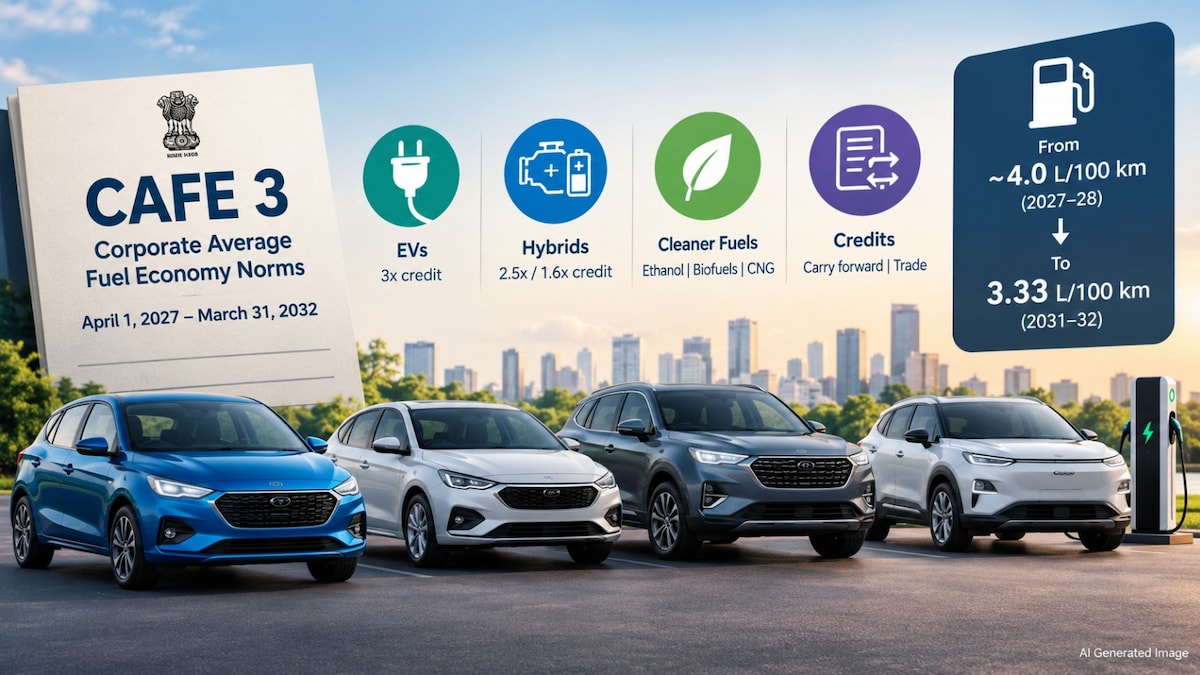
The rules begin on April 1, 2027, and last until March 31, 2032.
They apply to new passenger cars made or imported for sale in India.
Instead of judging only individual models, the rules judge the average performance of all cars sold by a company.
Heavier vehicle fleets can have higher permitted fuel consumption, while lighter cars receive relatively softer targets.
The final rules remove a special proposed benefit for some small petrol cars.
Electric cars, hybrids and certain alternative-fuel vehicles can earn extra compliance credit.
The government says the system is intended to support cleaner mobility and encourage new technology.

India’s Ministry of Power notified final CAFE-III rules on September 29.
The framework applies to new passenger vehicles from April 1, 2027, through March 31, 2032.
Targets will be based on each manufacturer’s fleet-wide average fuel consumption and carbon emissions.
The final rules remove a proposed small-petrol-car concession and use a flatter weight-based target curve.
Electric, hybrid, flex-fuel and other qualifying technologies receive compliance incentives under the framework.
- Who
- India’s Ministry of Power and passenger-vehicle manufacturers, including Maruti Suzuki and Tata Motors Passenger Vehicles.
- What
- The government notified the final Corporate Average Fuel Economy, or CAFE-III, framework for fleet-wide fuel-efficiency and carbon-emission targets.
- Where
- India, covering passenger vehicles manufactured or imported for sale there.
- When
- The framework was notified on September 29 and applies from April 1, 2027, through March 31, 2032.
- Why
- To improve vehicle fuel efficiency, reduce average carbon dioxide emissions and encourage cleaner vehicle technologies.
Cleaner-Mobility Benefits
Implementation and Fleet Impact
Overall effect of the rules
Cleaner-Mobility Benefits
The framework is intended to improve fuel efficiency, reduce carbon dioxide emissions and accelerate cleaner mobility, with electric vehicles receiving the largest compliance benefit.
Implementation and Fleet Impact
The rules require manufacturers to manage the efficiency of their entire vehicle portfolio and achieve more than a 16% improvement in fuel efficiency over five years.
Weight-based targets
Cleaner-Mobility Benefits
Lighter cars receive relatively softer efficiency targets under the flatter weight-based curve.
Implementation and Fleet Impact
Heavier vehicle fleets receive higher permitted fuel consumption but are required to make greater efficiency improvements than under a simpler lighter-car approach.
Industry response
Cleaner-Mobility Benefits
Maruti Suzuki welcomed the rules as scientifically developed and supportive of energy efficiency, emissions reduction and technology research.
Implementation and Fleet Impact
Tata Motors emphasized that the framework’s predictability would help manufacturers plan investments and develop cleaner vehicle offerings.
Key facts
- Regulator
- India’s Ministry of Power
- Covered vehicles
- New M1 passenger vehicles, including hatchbacks, sedans and SUVs
- Implementation period
- April 1, 2027, to March 31, 2032
- Fuel-efficiency benchmark
- The benchmark tightens from 3.996 litres per 100 km in 2027-28 to 3.3273 litres per 100 km in 2031-32
- Weight reference
- The reference weight rises from 1,082 kg to 1,229 kg
- Small-car concession
- The proposed 3 gram-per-kilometre deduction for certain small petrol cars was removed
- Compliance incentives
- Battery electric vehicles, range-extended EVs, plug-in hybrids, strong hybrids and flex-fuel vehicles receive volume derogation factors
- Small manufacturers
- Manufacturers selling fewer than 1,000 vehicles annually remain exempt from fleet-average obligations
Quotes
Shailesh Chandra
Managing director and CEO of Tata Motors Passenger Vehicles
“We welcome the CAFE-III notification for M1 passenger vehicles, which is a comprehensive regulation arrived at after scientific data calculations and detailed stakeholder and inter-ministerial consultation with ambitious targets for energy efficiency improvement and CO2 reduction”
 deccanchronicle.com
“The continued recognition of zero-emission technologies reinforces the critical role of electrification in achieving India’s long-term decarbonisation objectives”
deccanchronicle.com
Sources

Related news
India's CAFE 3 Rules Reshape Carmakers' Efficiency Strategies and Costs
India Notifies New CAFE-3 Rules, Retaining EV Incentives

New CAFE-III Norms Give EVs Threefold Compliance Benefit
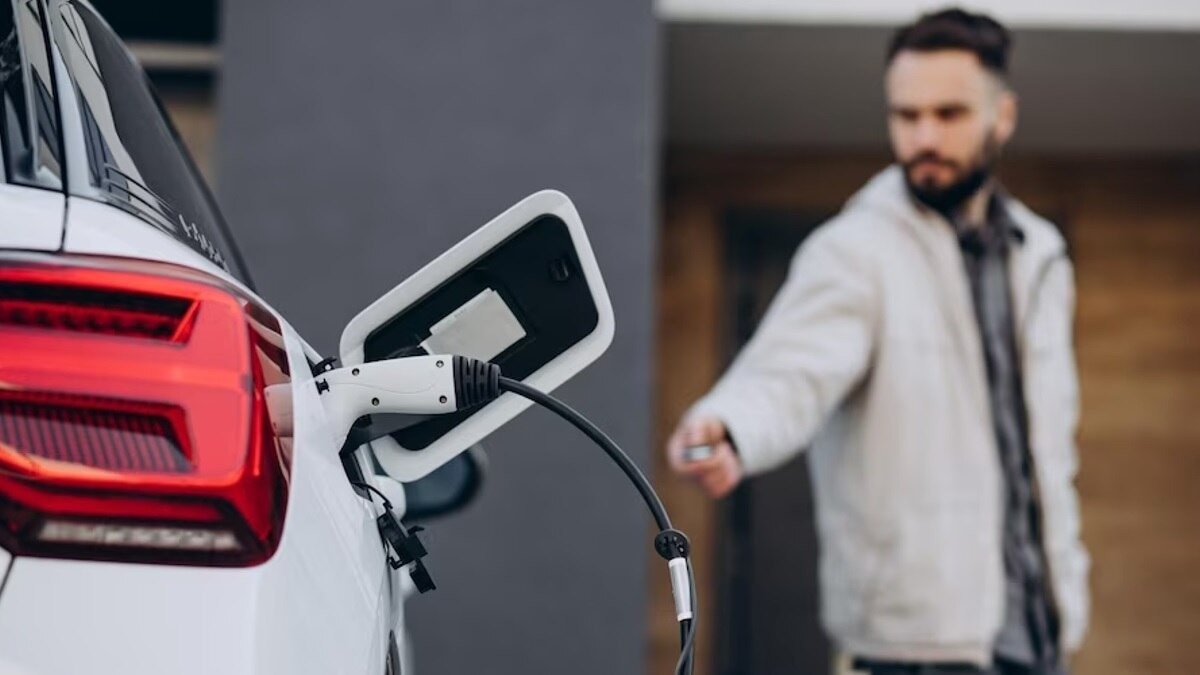
CAFE 3 Rules Could Bring More EVs and Hybrids
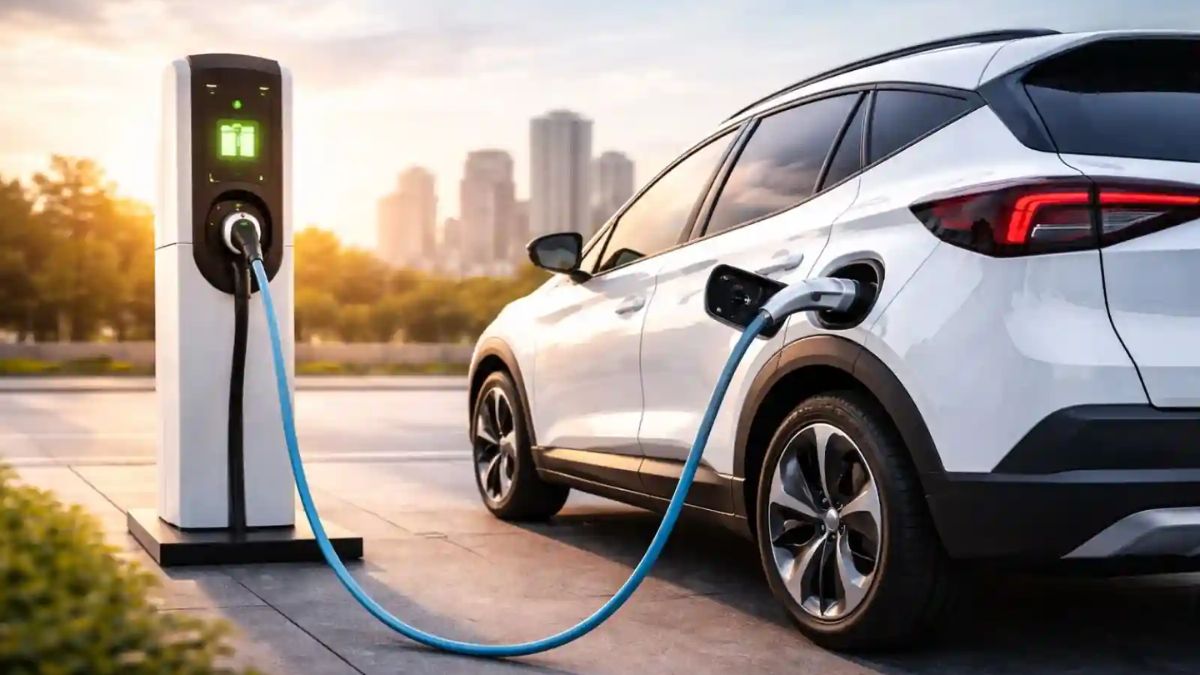
CAFE-III Wins Industry Backing Amid Debate Over EV Ambition

India Develops Bharat Vecto Tool for Truck Efficiency Certification
Indian Oil’s Gujarat Refinery Plans Polypropylene Production by Fiscal Year-End
S&P Says Tata Sons Listing May Reshape Long-Term Strategy