

1 week ago
Why India Has Been Cooler as Global Heat Intensifies
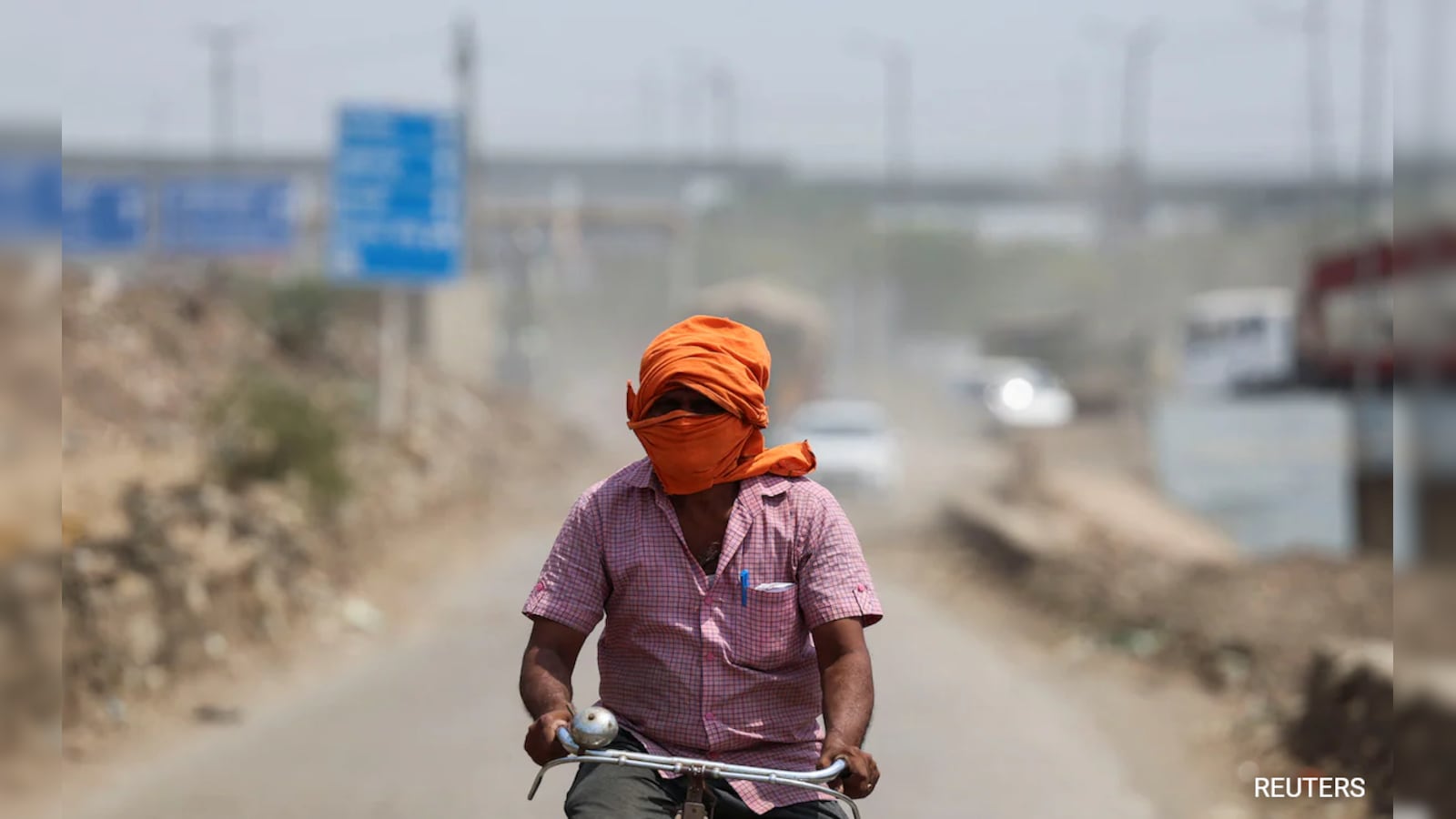
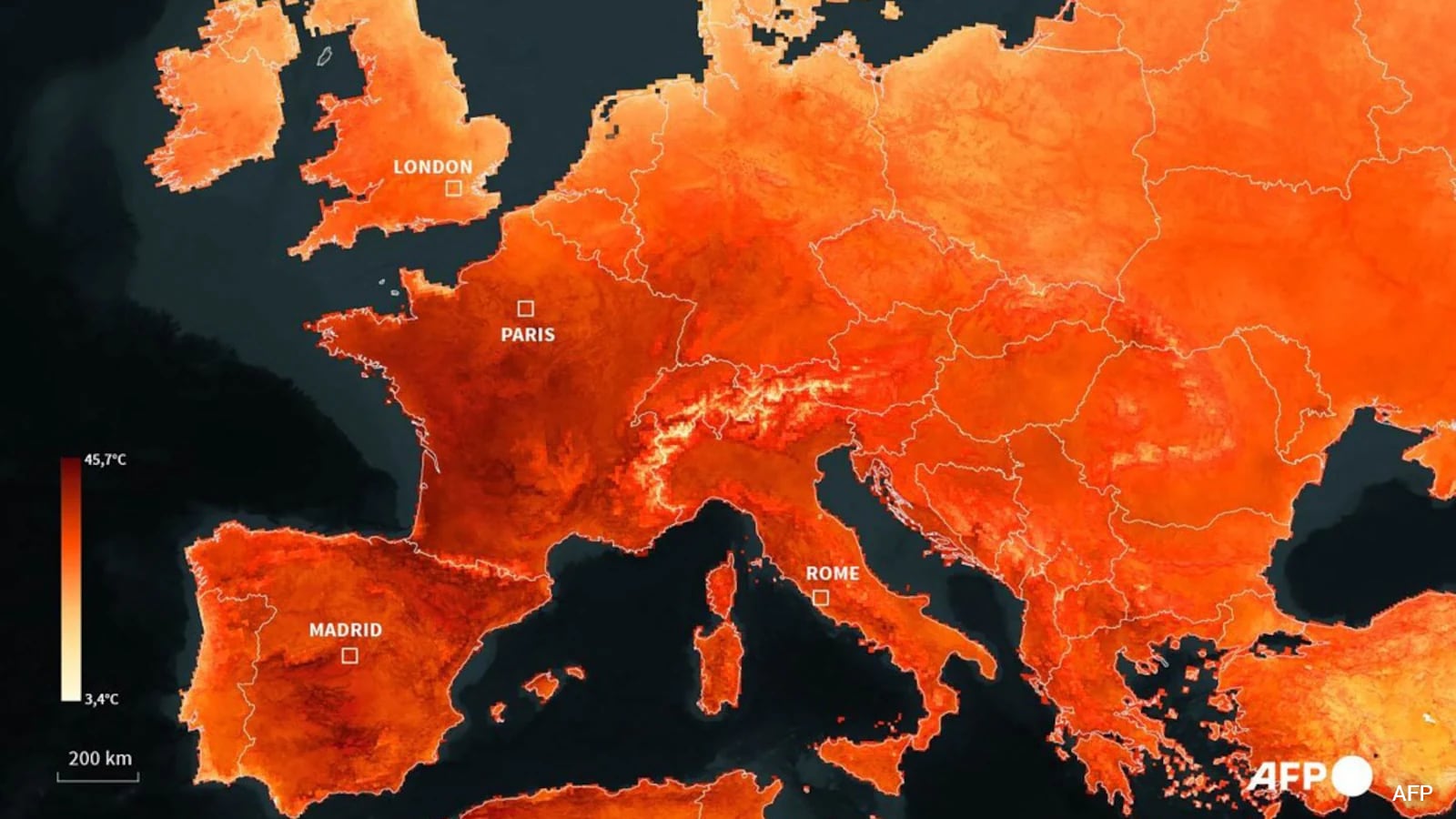
Europe has been much hotter than usual this year, while India has not reached the same extreme temperatures.
This does not mean India is safe from climate change.
Scientists say irrigation may cool the land because water evaporates, and pollution may block some sunlight.
Other researchers think India’s geography helps create clouds that reflect sunlight.
These effects may be why India has warmed more slowly than the world overall.
However, groundwater is running out, and cleaner air could mean less pollution-related cooling.
India’s humidity is also increasing, making it harder for people to cool down by sweating.
Many Indian workers spend their days outside in agriculture, construction, or informal jobs.
Scientists therefore warn that India could heat up faster in the future and needs to prepare now.

Europe experienced record-breaking heat this summer, with temperatures exceeding 44°C in Spain and France.
India warmed more slowly than the global average from 1901 to 2024, despite severe recent heatwaves.
Researchers link India’s relative cooling to irrigation, air pollution, and possibly cloud formation shaped by geography.
Those cooling influences may weaken as groundwater declines and air-quality policies reduce pollution.
Rising humidity and widespread outdoor work could leave millions of Indians increasingly exposed to dangerous heat.
- Who
- India, European countries, climate researchers, and people exposed to outdoor heat.
- What
- The article examines why India has recently warmed more slowly than Europe and the global average, while warning that this pattern may reverse.
- Where
- India, Europe, and particularly the Indian subcontinent and Indo-Gangetic Plain.
- When
- India warmed by 0.89°C from 1901 to 2024; the article discusses summer 2026 and projections for the coming decades.
- Why
- Irrigation, air pollution, cloud formation, and India’s geography may have temporarily reduced surface warming, but groundwater depletion and pollution controls could weaken those effects.
Explanations for India’s Current Cooling
Warnings About India’s Future Heat
What is keeping India cooler?
Explanations for India’s Current Cooling
Professor Daniel Schrag emphasizes irrigation and air pollution, saying both likely cool India, although their individual contributions are uncertain.
Warnings About India’s Future Heat
Chinese researchers argue that India’s geography, including the Himalayas and Hindu Kush, may help CO₂-driven cloud formation that reflects sunlight and produces net surface cooling.
Will the cooling continue?
Explanations for India’s Current Cooling
India’s slower warming has provided some temporary relief compared with other continental regions, and researchers have documented this pattern over more than a century.
Warnings About India’s Future Heat
Researchers warn that groundwater depletion may reduce irrigation, while cleaner-air policies may reduce aerosol pollution. As these cooling influences weaken, India could warm faster and face more severe heatwaves.
Current versus future risk
Explanations for India’s Current Cooling
India did not reach 50°C during the summer described, despite some of the world’s hottest cities being there earlier in the year.
Warnings About India’s Future Heat
Increasing humidity, limited monitoring of heat deaths, and the large number of outdoor workers mean dangerous heat may still cause substantial harm even before temperatures rise further.
Key facts
- India’s historical warming
- India warmed 0.89°C between 1901 and 2024, compared with 1.42°C globally.
- Europe’s recent heat
- June temperatures reached 45.1°C in Spain, 44.3°C in France, and 41.7°C in Germany.
- Possible cooling factors
- Researchers cite irrigation, air pollution, and geography-related cloud formation as possible contributors to India’s slower warming.
- Projected Indian warming
- One study projects 1.1°C to 1.6°C of warming over the next 50 years and 1.5°C to 4.1°C during the rest of the 21st century.
- Humidity increase
- India’s average relative humidity rose from 67.1% in 2015–2019 to 71.2% in 2020–2024, according to Climate Trends.
- Heat-exposed workforce
- About three-fourths of India’s workforce, roughly 38 crore people, works in heat-exposed occupations.
- Estimated heat mortality
- A Berkeley study cited in the article estimated about 3,400 excess deaths from one day of extreme heat and nearly 30,000 from a five-day heatwave in India.
Quotes
Daniel Schrag
Harvard professor and climate change and environmental science expert
“It is true that India is warming more slowly than most other continental regions. There are two explanations - and I expect the truth to be some combination of these. One is the extensive irrigation, which has increased evaporation, kept the land temperatures cooler, and also increased relative humidity. The other is air pollution, which has reflected some sunlight and cooled the region. Both are probably important - the irrigation for sure, and the pollution seems a likely co-contributor. But I”
 NDTV
NDTV
“Irrigation cannot be sustained because of groundwater shortages. And pollution needs to decrease because of health concerns. So if I had to bet, I would expect India to warm over the next two decades slightly faster than the rest of the world. And that is bad news for heat waves,”
NDTV
Sources
Related news

Strong El Niño Threatens India’s Monsoon, Raises 2027 Heat Risk

Climate Change Exposes Millions Of Indian Children To Heat Stress

Climate Heat Stress Threatens India’s Children and Elderly

France Braces for Fifth Heatwave as Europe Sets Temperature Records
Europe Heatwave Killed 16,000 More Than Usual; Another Expected
WMO Forecasts Strong El Niño to Intensify Heat, Disrupt India Monsoon

Ikea cuts European prices as cost pressures weaken demand

Europe's Bond Selloff Deepens as Middle East Tensions Lift Oil

China’s Rapid Car Development Faces Growing Safety Scrutiny
CNG Prices Rise Rs 2 per Kilogram in Pune

China Challenges US Leadership in Escalating Global AI Contest
