4 days ago
Climate Heat Stress Threatens India’s Children and Elderly
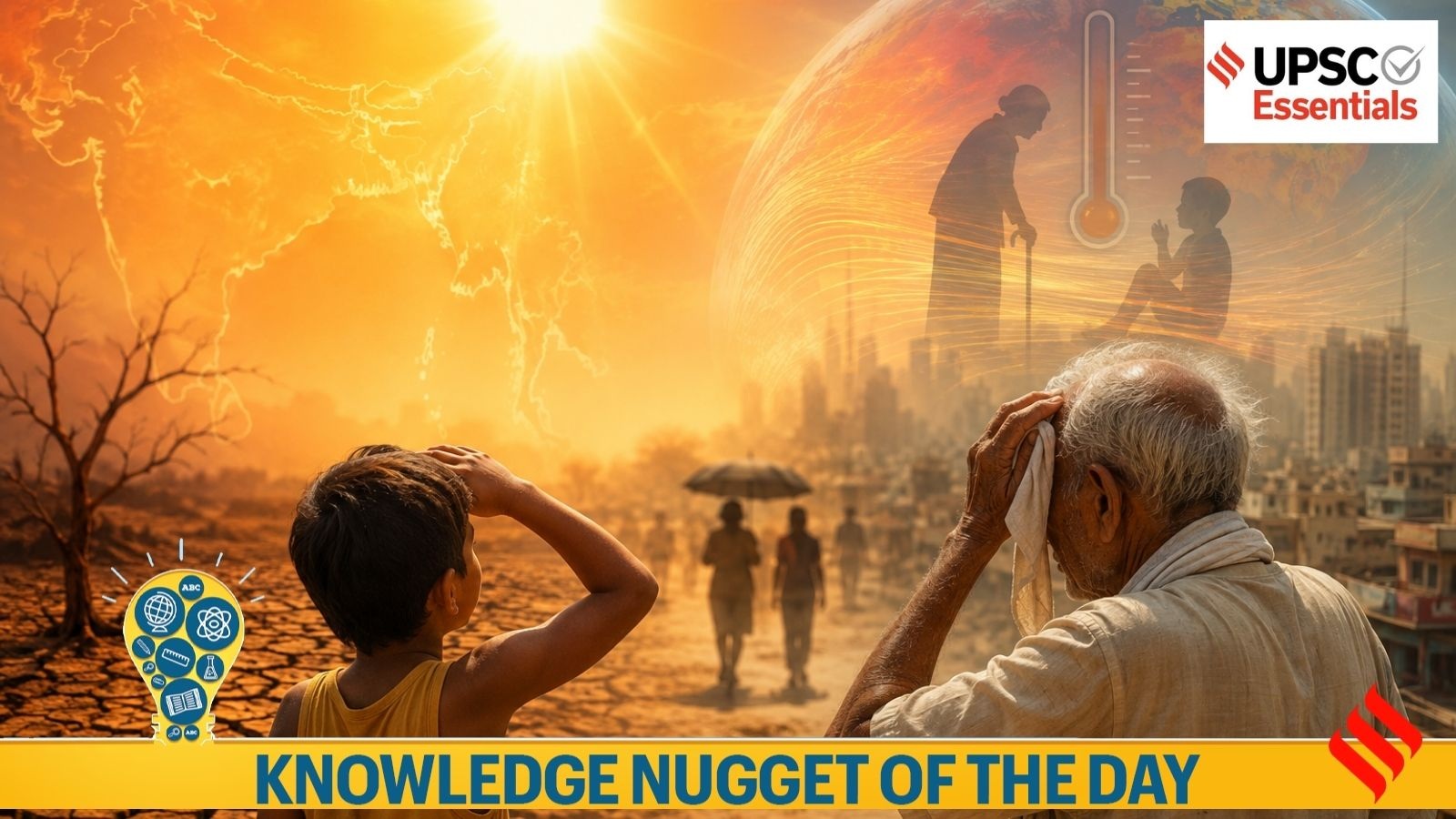
Climate change is making very hot and humid conditions more common.
These conditions can be especially dangerous for young children and older people.
Children heat up faster, sweat less efficiently and need adults to provide water and protection.
Older people may sweat less and their hearts and blood vessels may respond more slowly to heat.
In India, millions of children already experience extra months of dangerous heat because of climate change.
Older adults in parts of India could face hundreds or even thousands of hours of intolerable heat each year as warming increases.
Humid heat is risky because sweat cannot evaporate easily to cool the body.
Extreme heat can cause dehydration, heatstroke and organ problems, and may affect children’s learning.
Experts say communities need special help for vulnerable people, better cooling access and lower fossil-fuel emissions.

A Lancet Planetary Health study says over 80% of India’s older adults could face at least 180 hours of intolerable heat annually at 3°C of global warming.
Older adults in Delhi and the Indo-Gangetic Plain could experience nearly 1,000 or more hours of intolerable heat annually at 1.5°C warming, rising above 2,000 hours at 3°C.
A Vrije Universiteit Brussel study estimates that 145 million Indian children aged 0-9 already face at least one additional month of heat stress annually because of human-induced climate change.
Children and older adults are especially vulnerable because they regulate body temperature less effectively and may depend on others for hydration, rest, cooling or medical support.
Researchers and health experts recommend age-specific alerts, emergency plans, cooling access and emissions reductions alongside conventional heatwave warnings.
- Who
- Children aged 0-9 and older adults, particularly in India and other tropical and subtropical regions, are the groups examined in the studies.
- What
- Two studies assessed how human-induced climate change is increasing humid heat stress and the resulting health risks for children and older people.
- Where
- The research covers global populations, with particular findings for India, Delhi, the Indo-Gangetic Plain, China, Pakistan and Bangladesh.
- When
- The studies were published recently; projections cover global warming levels from 1°C to 4°C, with 1.5°C warming expected around 2030 in one projection.
- Why
- Rising temperatures and humidity make it harder for vulnerable bodies to regulate heat, while climate change increases the frequency and duration of dangerous exposure.
Key facts
- Heat-stress definition
- Heat-stress days are days when wet-bulb globe temperature in the shade exceeds 28°C.
- Older adults at 1.5°C warming
- About 22% of the world’s older adults, or approximately 290 million people, could face at least 180 hours of unsafe heat annually.
- India’s older adults at 3°C warming
- More than 80% of India’s older adults could experience at least 180 hours of intolerable heat annually, on average.
- Delhi and Indo-Gangetic Plain
- Older adults could experience close to or more than 1,000 hours of intolerable heat annually at 1.5°C warming and more than 2,000 hours at 3°C.
- Indian children currently affected
- An estimated 145 million Indian children aged 0-9, or 61% of that age group, experience at least one additional month of heat stress annually because of human-induced climate change.
- Children at 1.5°C warming
- Around 166 million Indian children aged 0-9, or 74%, could experience at least one additional month of heat stress annually.
- Health risks
- Extreme heat can cause dehydration, heat exhaustion, cramps, dizziness, heatstroke and, in severe cases, organ failure.
Quotes
Dr Sundar Krishnan
Senior consultant in internal medicine at KIMS Hospitals, Thane.
“This traps heat inside the body and increases the risk of dehydration, heat exhaustion, muscle cramps, dizziness, and in severe cases, heatstroke. Once the body loses its ability to cool down effectively, it can become a medical emergency very quickly”
 indianexpress.com
“Provide special alerts and assistance for the elderly, people living alone, people with chronic illnesses, people living in poorly ventilated homes, and people without reliable cooling”
indianexpress.com
Prof Qinqin Kong
Lead author of the study on heat stress among older adults.
“Importantly, these hours are not spread evenly throughout the year. They are concentrated between May and September”
indianexpress.com
Sources
Related news

Climate Change Exposes Millions Of Indian Children To Heat Stress
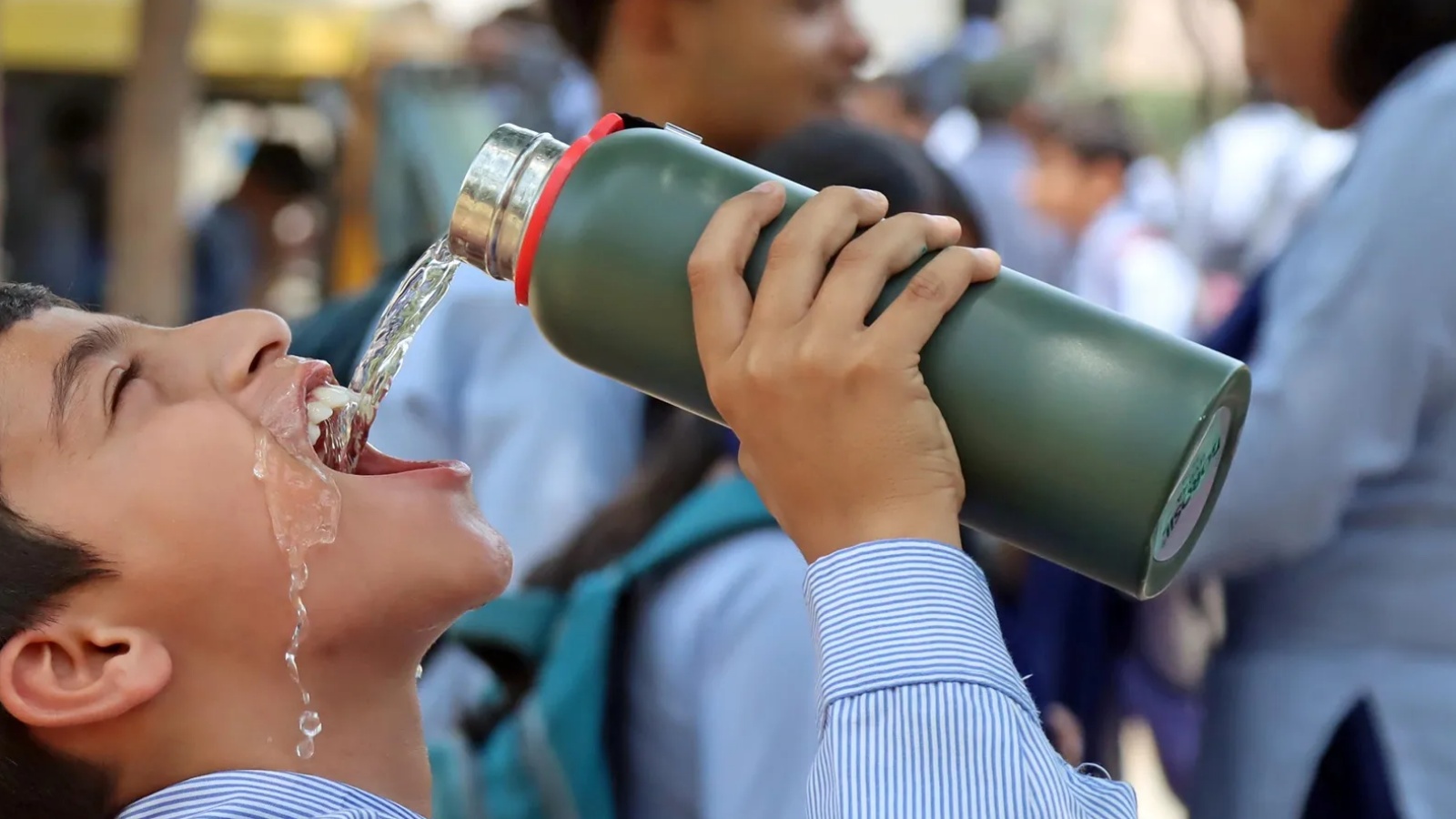
Climate Change Exposes 145 Million Indian Children to Heat Stress
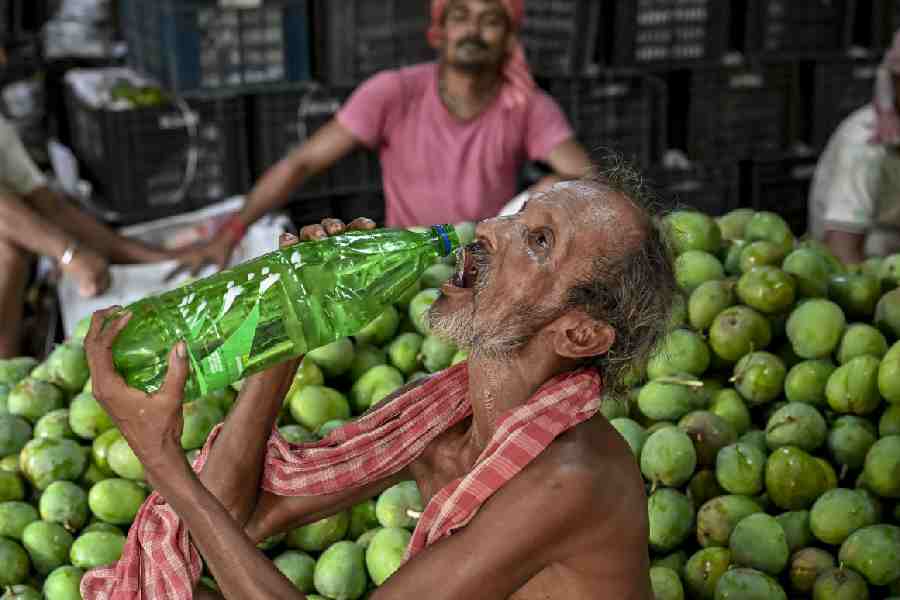
Hot days could last four hours longer by 2100: study
Rising Humid Heat Could Bring 4,000 Annual Deaths to Lucknow

Heatwaves pose highest mental health risks for children and teens
Why India Has Been Cooler as Global Heat Intensifies

India’s Record Wheat Harvest Opens $1.5 Billion Export Window

West Bengal CM Crushes Nearly 2 Lakh Seized Syrup Bottles

India, Bangladesh Seek Deeper Parliamentary and People-to-People Ties

Bangladesh Radicalisation Raises Concerns About Security Spillover Into India

Bengaluru Police Transfer 31 Bangladeshi Nationals for Deportation