

2 weeks ago
PM Modi's new steel frame: Continuity over convention in bureaucracy
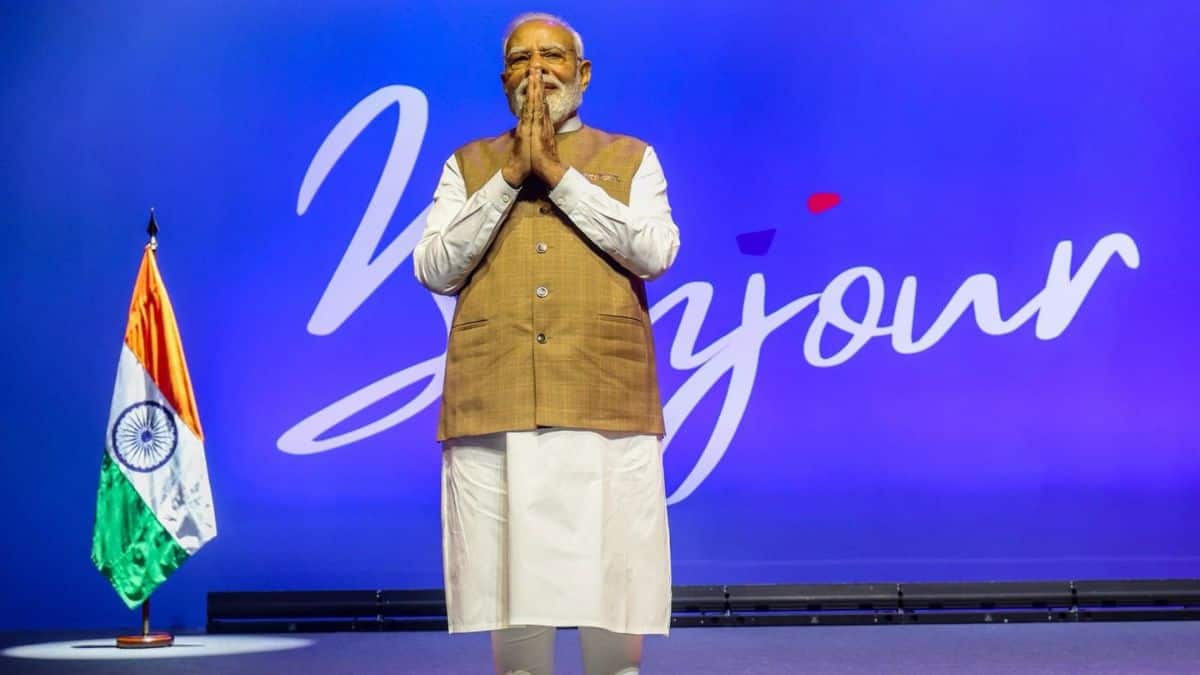
The Prime Minister of India, Narendra Modi, is the country's most powerful leader.
He picks the people who run the most important government jobs.
Normally, these workers must retire when they reach a certain age.
Mr Modi believes some of the best workers should stay longer if they do a great job.
So he asked several important officials, like the Home Secretary and the Cabinet Secretary, to keep working past the usual time.
Keeping the same people can help things stay steady and calm.
But some people think it is unfair because younger workers don't get a chance at the big jobs.
Mr Modi also kept his top security advisor, who helps keep the country safe.
The government has also formed a special team to stop exam paper leaks that made many students angry.
Prime Minister Modi wants experienced people to help the country run smoothly and to win back the trust of young people.

The Appointments Committee of the Cabinet extended Union Home Secretary Govind Mohan's tenure through August 2027.
Tenure extensions were also granted to Cabinet Secretary Dr T.V. Somanathan and Enforcement Directorate Director Rahul Navin.
National Security Adviser Ajit Doval was reappointed in 2024 for an unprecedented third consecutive term.
Former Intelligence Bureau chief Tapan Kumar Deka, who served four years until end of June, is part of a high-powered task force against exam paper leaks.
Critics say repeat extensions create promotion bottlenecks for younger officers, while supporters argue proven delivery matters most.
- Who
- Prime Minister Narendra Modi's government, and extended officials Govind Mohan, Dr T.V. Somanathan, Rahul Navin, Ajit Doval and Nandan Nilekani.
- What
- The government granted multiple tenure extensions to senior bureaucrats and security chiefs and formed a high-powered task force on exam paper leaks.
- Where
- India, at the central government's administrative hub (North Block and South Block).
- When
- Recent administrative decisions; Mohan's extension runs to August 2027, Doval was reappointed in 2024, and Deka served as IB Chief until end of June.
- Why
- To maintain institutional continuity, operational predictability and specialised crisis management amid domestic and global headwinds, and to counter paper-leak-driven student protests.
Critics
Proponents
Repeat tenure extensions
Critics
Hyper-continuity goes against the established incentive structure of the civil service, creating growth asymmetry, promotional bottlenecks for younger batches and concentration of decision-making among a select few bureaucrats.
Proponents
Continuity delivers operational predictability and specialised crisis management; proven performance and operational alignment should override seniority-based retirement schedules, because delivery is above all.
Handling civil failures like paper leaks
Critics
Such issues were traditionally treated as administrative oversights; assigning retired intelligence chiefs and crisis managers reframes civil failures as security vulnerabilities rather than routine administration.
Proponents
Systemic civil failures and institutional compromises are no longer mere administrative oversights but operational security vulnerabilities, best handled by crisis-tested intelligence managers and top technocrats like Nandan Nilekani.
Key facts
- Union Home Secretary
- Govind Mohan — tenure extended through August 2027
- Cabinet Secretary
- Dr T.V. Somanathan — tenure extended
- Enforcement Directorate Director
- Rahul Navin — tenure extended
- National Security Adviser
- Ajit Doval — reappointed in 2024 for a third consecutive term
- Former Intelligence Bureau Chief
- Tapan Kumar Deka — served four years until end of June; now part of the anti-paper-leak task force
- Exam reform task force
- High-powered task force involving UIDAI architect Nandan Nilekani
- Former RBI Governor
- Shaktikanta Das — now Principal Secretary-2 in the PMO
- Source
- Opinion piece by Rakesh Khar published by Firstpost
Sources
Related news
Cabinet Secretary Somanathan, Home Secretary Mohan Get One-Year Extension
Delhi LG directs government to frame official rotation policy
India’s Aging Governance, Karnataka Reshuffle and Bangladesh Diplomatic Questions
Modi Urges Long-Term Governance, AI Use and Departmental Coordination

Indian Political Roundup Covers Governance, Travel, Security And Water

GDP Row Escalates as Government Rebuts 2.6% Growth Claim

India’s Avocado Boom Turns Luxury Fruit into Farmer Opportunity
Putin Faces Western Isolation While Russia Builds Non-Western Ties
India’s Global Power Ambitions Face Economic and Democratic Setbacks
Modi’s Frugality Appeal Contrasts With Extensive Foreign Travel
