1 month ago
Delhi’s Floodplains Act as Natural Filter for Yamuna Water

Delhi’s water comes from the Yamuna River.
The river carries many tiny chemicals from factories, farms, and homes.
The river flows over wide flat areas called floodplains that are made of sand and clay.
As the water moves through these layers, the sand and soil trap and break down the chemicals.
This natural process is called riverbank filtration.
Scientists measured the water in the river and in wells that tap the filtered water.
They found that most of the harmful chemicals were much lower in the wells.
The floodplains help keep Delhi’s drinking water cleaner.
But the scientists say we still need better sewage treatment and must protect the floodplains from being built on.

Ancient Yamuna floodplains naturally filter pollutants before water reaches Delhi’s Ranney wells.
Study found 57 organic micropollutants in the river, but concentrations dropped significantly after filtration.
Pharmaceutical residues, pesticides, and personal‑care chemicals were reduced to below 1 µg/L in most wells.
Riverbank filtration is inexpensive, sustainable, but cannot replace proper sewage treatment.
Encroachment on floodplains threatens this natural filtration and Delhi’s long‑term water security.
- Who
- Researchers from IIT Roorkee, MIT World Peace University, Auburn University, Tecnológico de Monterrey, and Tianfu Yongxing Laboratory
- What
- Study shows Delhi’s Yamuna floodplains naturally filter pollutants before water reaches drinking wells
- Where
- Delhi, India, along the Yamuna River floodplains
- When
- July 31, 2024
- Why
- To understand the natural filtration process and protect Delhi’s long‑term water security
Key facts
- Location
- Delhi, India
- River
- Yamuna
- Water Source
- Ranney wells
- Number of pollutants detected
- 57 organic micropollutants
- Key pollutant reduced
- Diclofenac dropped from 19.4 to 0.2 µg/L
- Filtration method
- Riverbank filtration
- Study duration
- 13 months
Quotes
Manish Kumar
Lead researcher from IIT Roorkee
“"The Yamuna has been flowing and meandering across its floodplains for thousands of years…Floodplains should therefore be left to the river, as they are essential not only for the river’s health but also for recharging and protecting groundwater."”
 theprint.in
“"Riverbank filtration is an inexpensive and sustainable natural pre‑treatment system for drinking water but it cannot replace proper sewage treatment."”
theprint.in
Sources
Related news

Delhi’s MPD-2047 Targets 22 Drains in Yamuna Revival
Yamuna faecal coliform levels drop in July, BOD remains high
Delhi to develop Yamuna bank on Sabarmati Riverfront lines
CPCB: Manasbal Lake critically polluted, drinking water fouled by sewage

Supreme Court Restricts Construction Near Polluted Rajasthan Jojari River
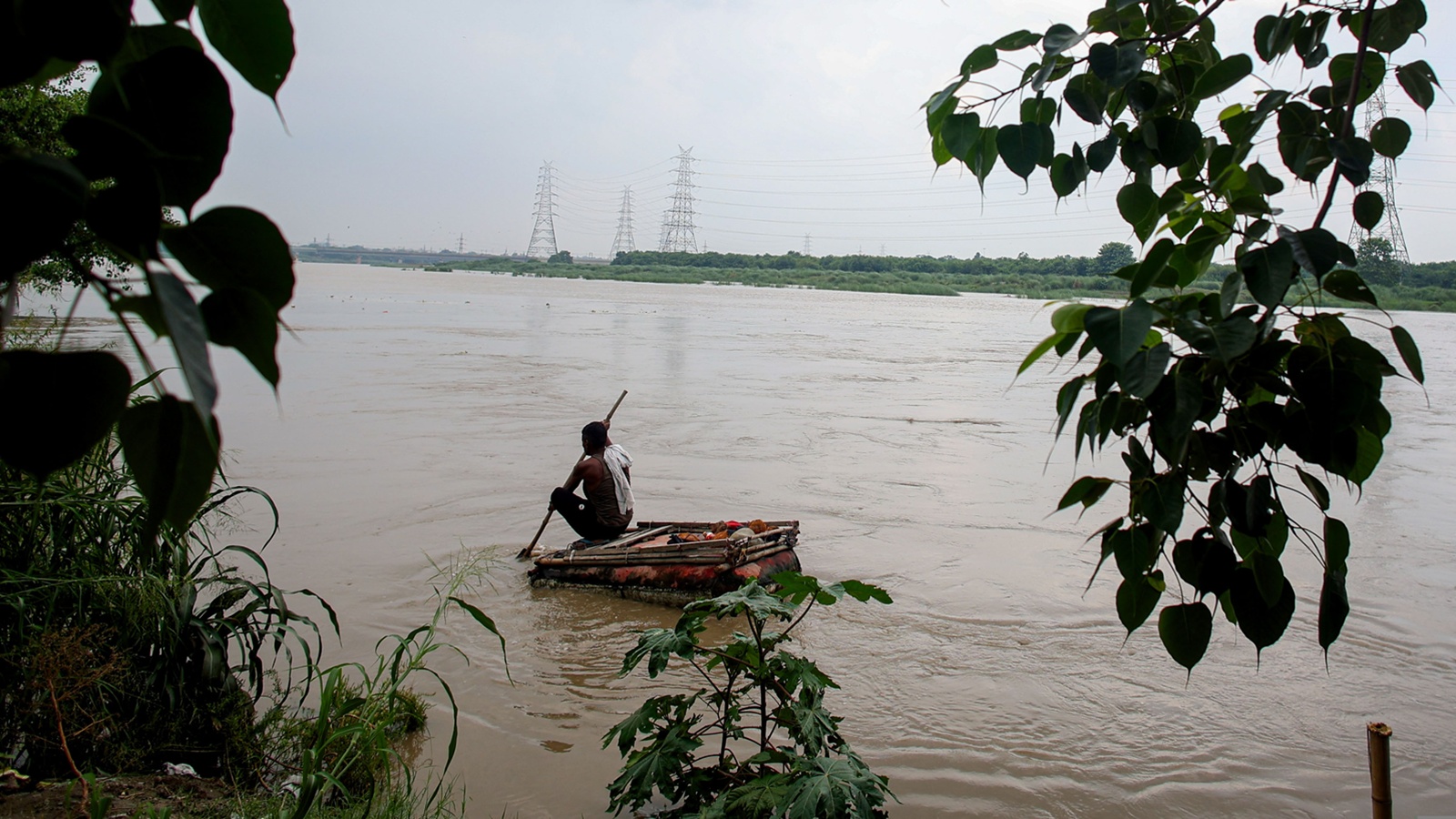
Delhi, Haryana plan joint survey to stem Yamuna water loss

Shreyasi Joshi Makes Indian Skating History With Lishui Bronze

Vishwas Patil Emphasizes Human Intelligence at MIT-WPU Event
MIT-WPU Develops Tech to Generate BioCNG and Hydrogen

Governor Urges Schools to Preserve Folk Culture at Festival