11 months ago
MIT-WPU Develops Tech to Generate BioCNG and Hydrogen
Researchers at MIT-WPU have created a new way to make clean energy (BioCNG and Green Hydrogen) from farm waste.
This process uses different types of leftover crops, like millet trash.
Unlike other methods that use only one type of waste, this new approach works with mixed materials.
It's especially helpful in areas where it doesn't rain much.
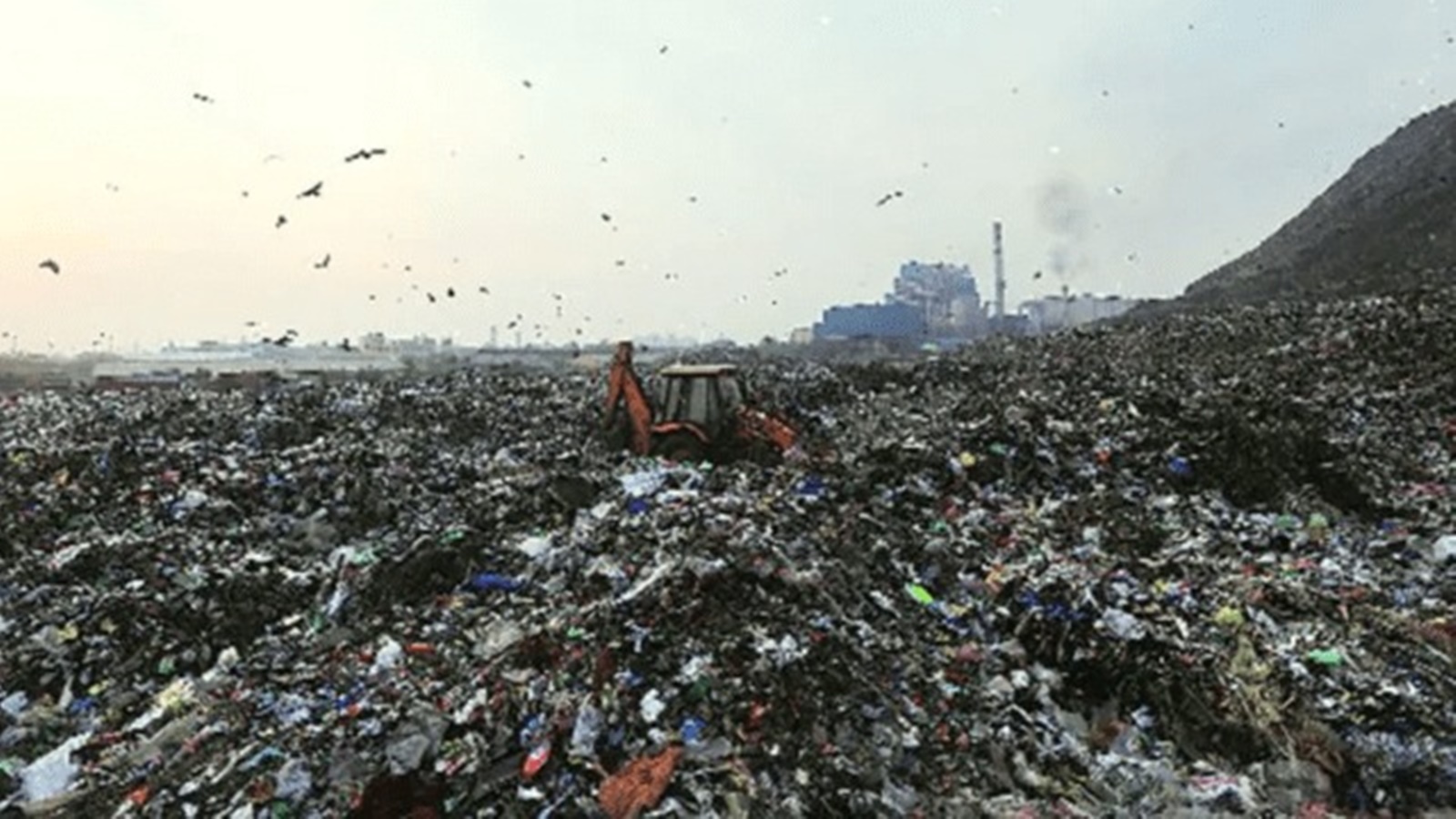
This new method helps to turn trash into useful fuels, promoting sustainability.

MIT-WPU researchers developed a carbon-negative process.
The process produces BioCNG and Green Hydrogen.
The process uses mixed agricultural waste.
The process is effective for regions with low rainfall.
Dr. Ratnadip Joshi is the associate director of the Green Hydrogen Research Centre at MIT-WPU.
- Who
- Researchers at MIT-WPU
- What
- Developed a carbon-negative process to produce BioCNG and Green Hydrogen.
- Where
- MIT-WPU
- When
- Not specified.
- Why
- To create BioCNG and Green Hydrogen from agricultural waste.
Key facts
- Institution
- MIT World Peace University (MIT-WPU)
- Technology
- Produces BioCNG and Green Hydrogen
- Feedstock
- Mixed agricultural waste
- Lead Researcher
- Dr. Ratnadip Joshi
Quotes
Dr Ratnadip Joshi
associate director, Green Hydrogen Research Centre at MIT-WPU
“unlike many efforts that rely on a single feedstock such as paddy straw or napier grass, this research demonstrates success with mixed agro waste, including millet trash and other seasonal crop residues.”
 indianexpress.com