1 week ago
Supreme Court Weighs Fundamental Right To Work And Minimum Wages

The Supreme Court is thinking about whether people should have a constitutional right to get work.
Right now, the Constitution describes work as a goal for the government, not as a fundamental right.
The case involves rural workers who may receive low wages or payments late.
A new law replaced the earlier MGNREGA scheme on July 1, 2026.
The new law promises up to 125 days of work for each rural household.
It also raised the national average wage rate to Rs 327.4 per day.
Workers' representatives say workers should receive the minimum wages set by their States.
The Chief Justice warned that paying higher wages could mean fewer people receive work if funding stays the same.
The Court will consider the issues through a fresh petition under the new law.

The Supreme Court is considering whether the right to work can receive protection under Article 21.
The case concerns minimum wages and compensation for delayed payments under rural employment schemes.
MGNREGA was replaced by the VB-G RAM G Act on July 1, 2026.
VB-G RAM G guarantees up to 125 days of work and raised the national average wage to Rs 327.4 per day.
Advocate Prashant Bhushan agreed to file a fresh petition under the new law.
- Who
- A Supreme Court bench led by Chief Justice of India Surya Kant, with Justices Joymalya Bagchi and V Mohana, heard arguments from advocate Prashant Bhushan.
- What
- The Court is examining the constitutional status of the right to work, minimum wage entitlements, and compensation for delayed rural employment payments.
- Where
- The hearing took place in New Delhi.
- When
- The hearing was reported on August 21, 2026; the VB-G RAM G Act took effect on July 1, 2026.
- Why
- The petition challenges wage levels and delayed payments under rural employment guarantees and raises whether the right to work can be enforced under Article 21.
Workers' Rights And Enforcement
Resources And Programme Reach
Constitutional right to work
Workers' Rights And Enforcement
The right to work should potentially be treated as enforceable alongside the right to life and dignity under Article 21.
Resources And Programme Reach
The Constitution currently treats the right to work as a Directive Principle and a democratic aspiration, while making it fundamental could expand the State's obligations.
Minimum wages
Workers' Rights And Enforcement
Prashant Bhushan argued that workers should receive the minimum wages notified by their respective States and cited judgments linking payment below minimum wages with forced labour.
Resources And Programme Reach
The Court noted that applying minimum-wage rules may depend on the nature of the work and whether it falls within the Minimum Wages Act.
Wage levels and employment numbers
Workers' Rights And Enforcement
Higher wage thresholds could provide stronger wage protection for workers in rural employment schemes.
Resources And Programme Reach
Chief Justice Surya Kant warned that, with unchanged resources, higher wages could reduce the number of people able to receive work.
Key facts
- Earlier scheme
- The Mahatma Gandhi National Rural Employment Guarantee Act (MGNREGA) provided up to 100 days of employment per rural household.
- Current scheme
- The Viksit Bharat-Guarantee for Rozgar and Ajeevika Mission (Gramin) Act replaced MGNREGA from July 1, 2026.
- New employment guarantee
- The VB-G RAM G Act guarantees up to 125 days of employment per rural household.
- National average wage
- The notified national average rose from Rs 298.8 under MGNREGA to Rs 327.4 per day under the new law.
- Constitutional issue
- The Court is considering whether the right to work, currently listed among the Directive Principles, can be placed on a footing similar to Article 21.
- Next legal step
- Prashant Bhushan agreed to file a fresh petition covering minimum wages and delayed-payment compensation under the VB-G RAM G Act.
Quotes
Chief Justice Surya Kant
Chief Justice of India discussing the employment-wage trade-off
“The Constitution does not make the right to work a fundamental right. In fact, it is only a democratic aspiration under Part IV. To achieve that aspiration, the State formulates a policy where work is provided at a graded compensatory level. Should we create it on a par with Article 21?”
 freepressjournal.in
“Put minimum wages as a threshold and employment shrinks. You realise the difficulty. When a wage threshold is put, the net of employment shrinks because the size of the pie remains the same”
freepressjournal.in
Sources
Related news
VB-GRAM G Changes India’s Rural Job Guarantee Scheme
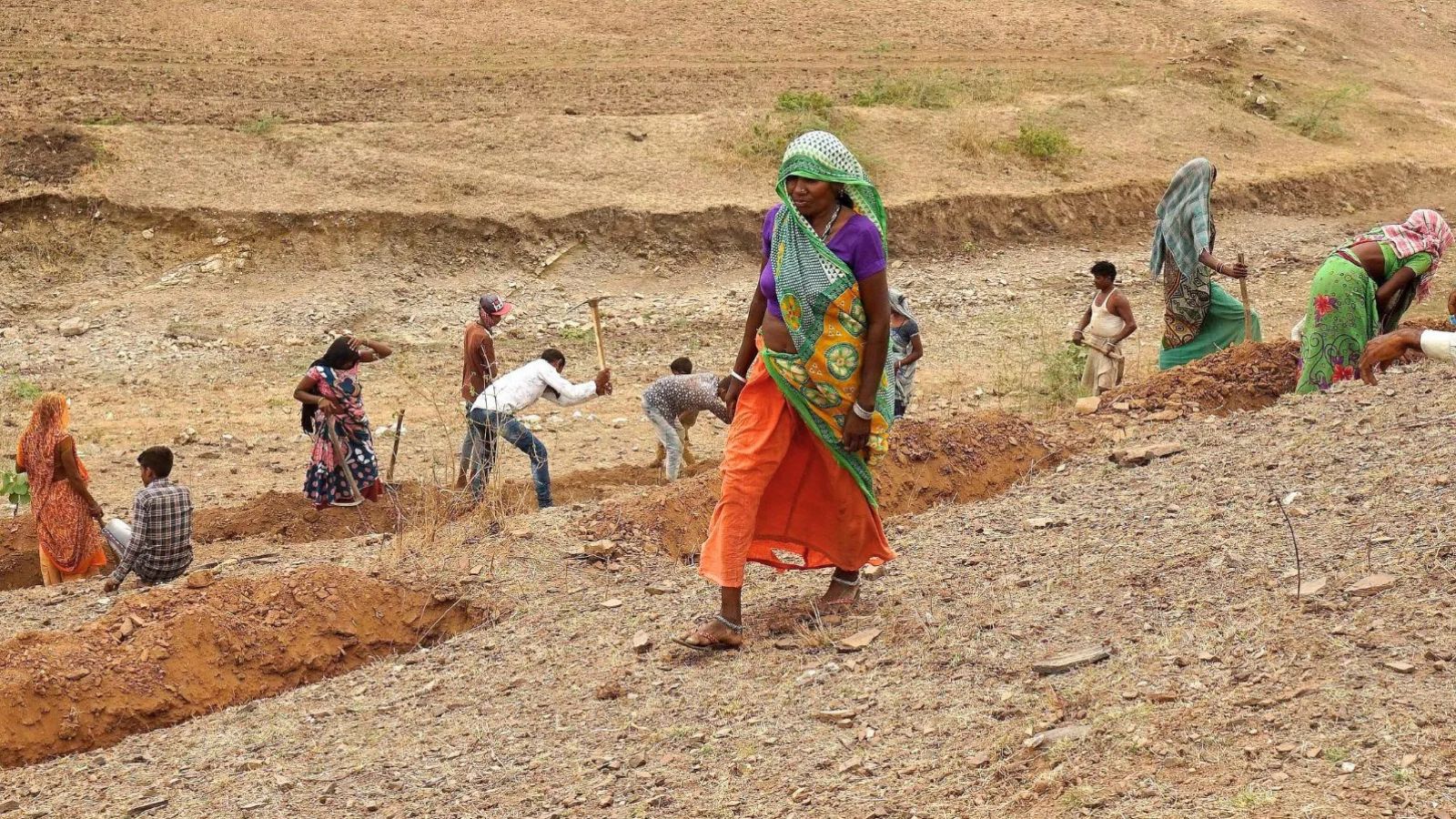
New rural jobs law sees nearly 50% employment dip
States' Fiscal Burden to Quadruple Under VB G RAM G
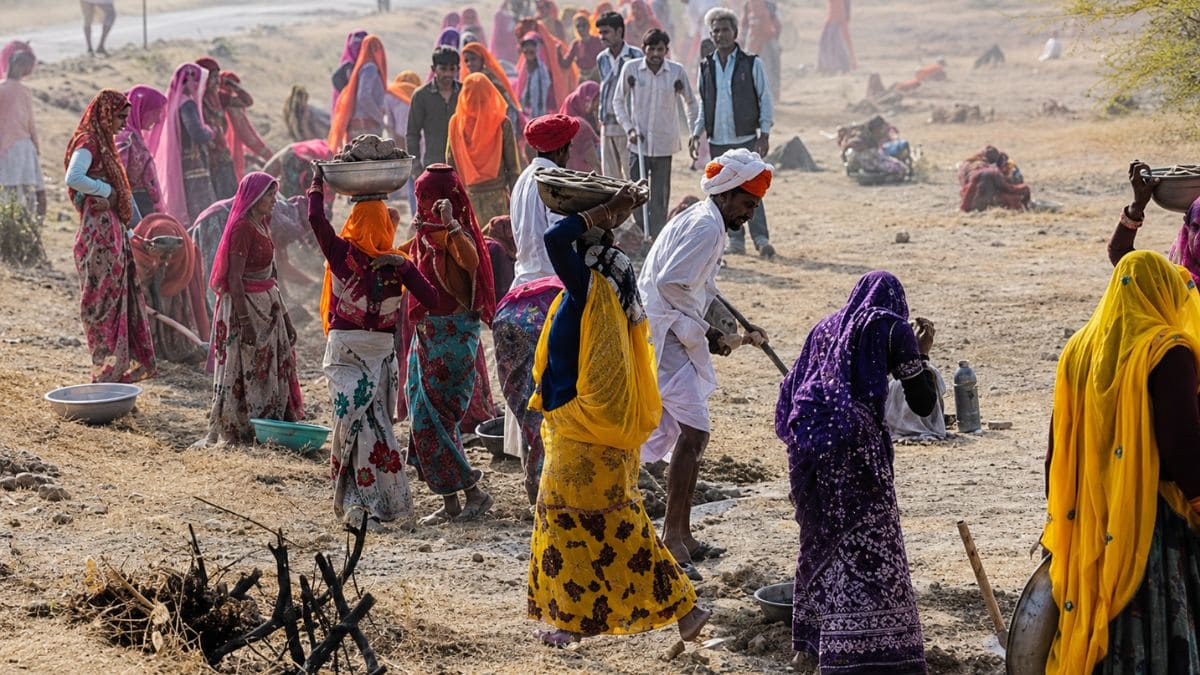
VB-G RAM G sees nearly 50% drop in rural jobs
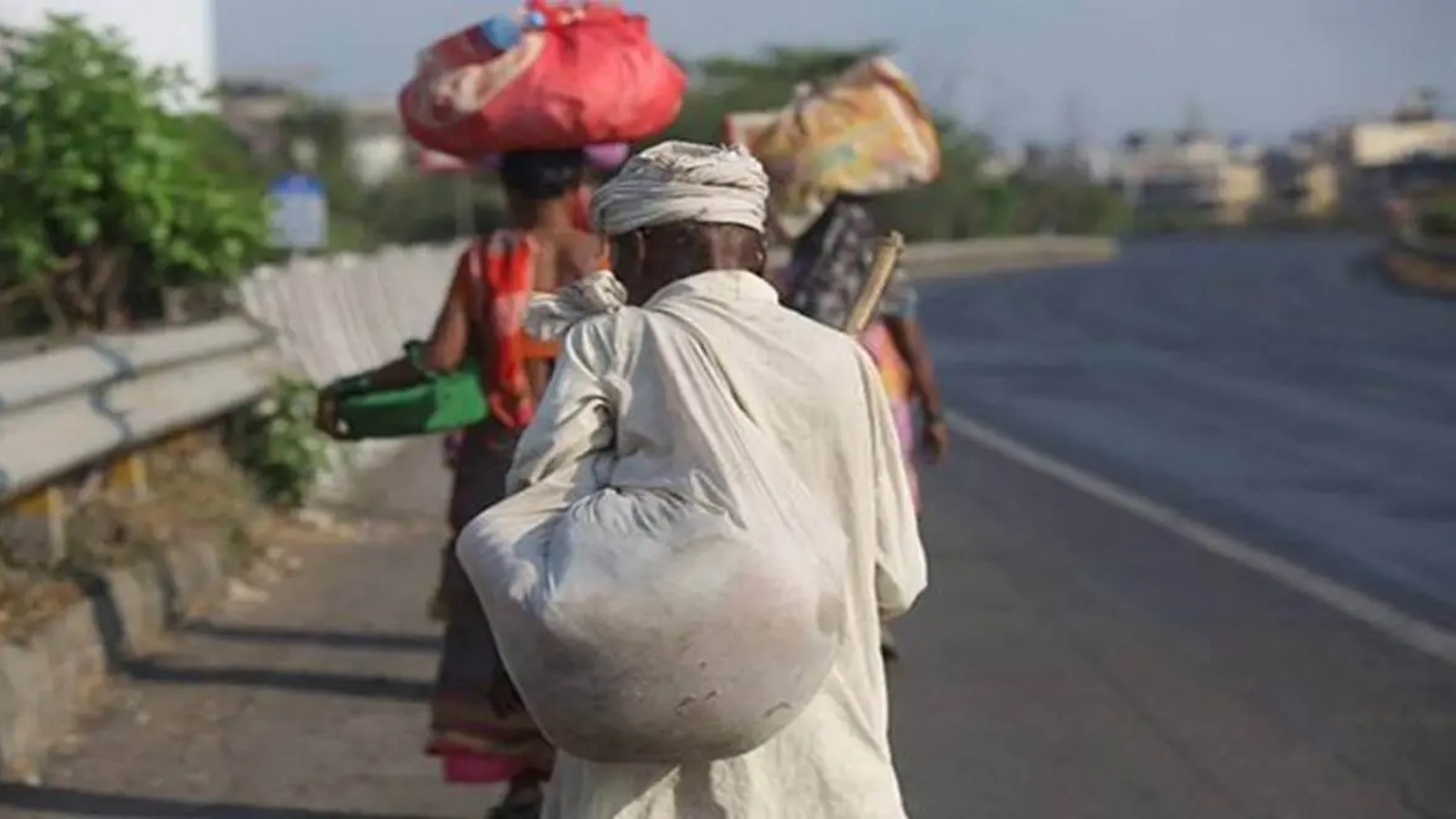
Opposition States Riled by 60:40 Rural Jobs Funding Change

Supreme Court Questions IPS Deputation for CAPF Leadership Positions

Supreme Court Quashes 20-Year Conviction, Reaffirms Juvenile Legal Protections
Two Years After RG Kar Doctor's Rape-Murder, Case Remains Unresolved

ED widens Chhattisgarh probes with two arrests and searches

Delhi High Court Orders Madhya Pradesh to Pay Advocate Dues