1 week ago
China Rejects US Sanctions Threats Over Iran Trade
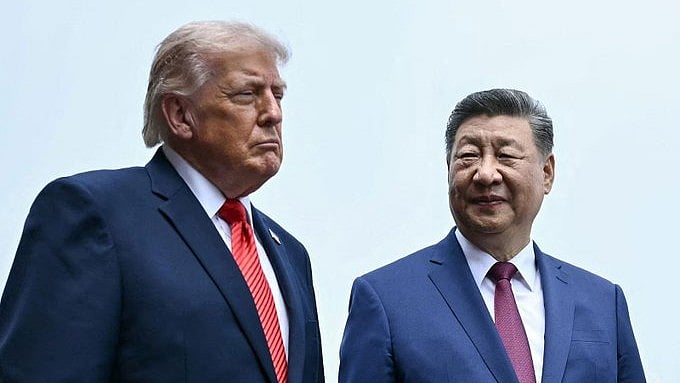
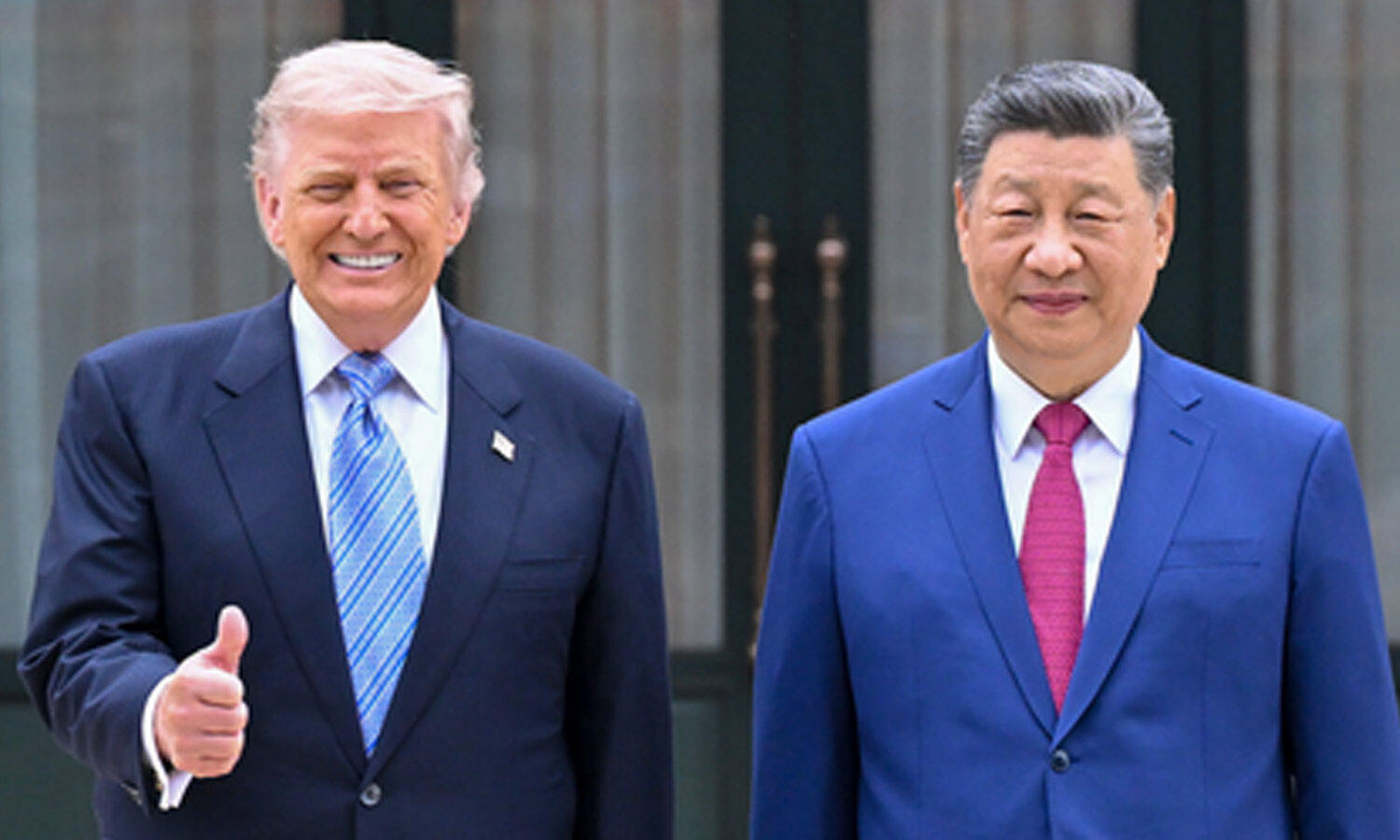
The United States is threatening sanctions against countries that keep trading with Iran.
The campaign is meant to make it harder for Iran to use international markets and the US dollar system.
China trades heavily with Iran and buys much of its oil.
China said the United States should not interfere with those economic ties.
Beijing called the sanctions illegal and said it would protect its own interests.
China also said sanctions would not end the conflict.
It urged the United States and Iran to agree to a ceasefire.
The United States says its pressure campaign is intended to isolate Iran economically.

China said it firmly opposes unilateral US sanctions and will protect its economic interests.
Beijing warned that China-Iran cooperation should not be interfered with or disrupted.
The US campaign seeks to isolate Iran by restricting access to the dollar-based financial system.
Potentially affected trading partners include China, the UAE, Turkey, Iraq, the EU, India, Pakistan and Russia.
The US Treasury sanctioned a Chinese refinery and warned financial institutions over Iranian oil transactions.
- Who
- The governments of the United States, China and Iran are involved; Chinese Foreign Ministry spokesperson Lin Jian and US Treasury Secretary Scott Bessent made statements.
- What
- China warned that it would defend its interests and opposed US secondary sanctions targeting countries and businesses that trade with Iran.
- Where
- The dispute concerns economic ties among China, Iran and the United States, including trade through the international financial system.
- When
- China issued its warning on Tuesday; the articles cite 2025 trade and oil data and US Treasury action in April.
- Why
- The United States seeks to economically isolate Iran, while China wants to preserve its trade and cooperation with Tehran.
China's position
United States' position
Sanctions and sovereignty
China's position
China said it firmly opposes illegal unilateral sanctions and will take measures to safeguard its rights and interests.
United States' position
The United States threatened secondary sanctions against countries, businesses and other enablers that continue dealing with Iran.
Purpose of economic pressure
China's position
China said sanctions would not resolve the conflict and urged the United States and Iran to reach a ceasefire.
United States' position
The US administration presented the expanded sanctions campaign as an effort to isolate Iran economically and as part of its intended endgame.
China-Iran trade
China's position
China said its economic cooperation with Iran should not be interfered with or disrupted.
United States' position
The US Treasury has already targeted a Chinese refinery and warned financial institutions over transactions involving Iranian oil.
Key facts
- US campaign
- Operation Economic Outcast, also described as an economic D-Day campaign, aims to isolate Iran from the global economy.
- Potentially affected partners
- China, the United Arab Emirates, Turkey, Iraq, the European Union, India, Pakistan and Russia are among the countries that could face pressure.
- Potential targets
- Planned secondary sanctions could involve Iran-linked digital assets, technology, gold, aviation and shipping activity.
- China-Iran trade
- China accounts for nearly one-third of Iran's non-oil foreign trade, according to the articles.
- Reported bilateral trade
- China reported $9.96 billion in bilateral trade with Iran in 2025.
- Iranian oil purchases
- Kpler estimated that Chinese buyers imported an average of 1.38 million barrels per day of Iranian oil in 2025.
- US enforcement
- The US Treasury sanctioned a Chinese independent refinery in April over purchases of billions of dollars worth of Iranian oil and warned financial institutions about secondary sanctions.
Sources
Related news
China Warns US Retaliation Over Iran Sanctions Expansion
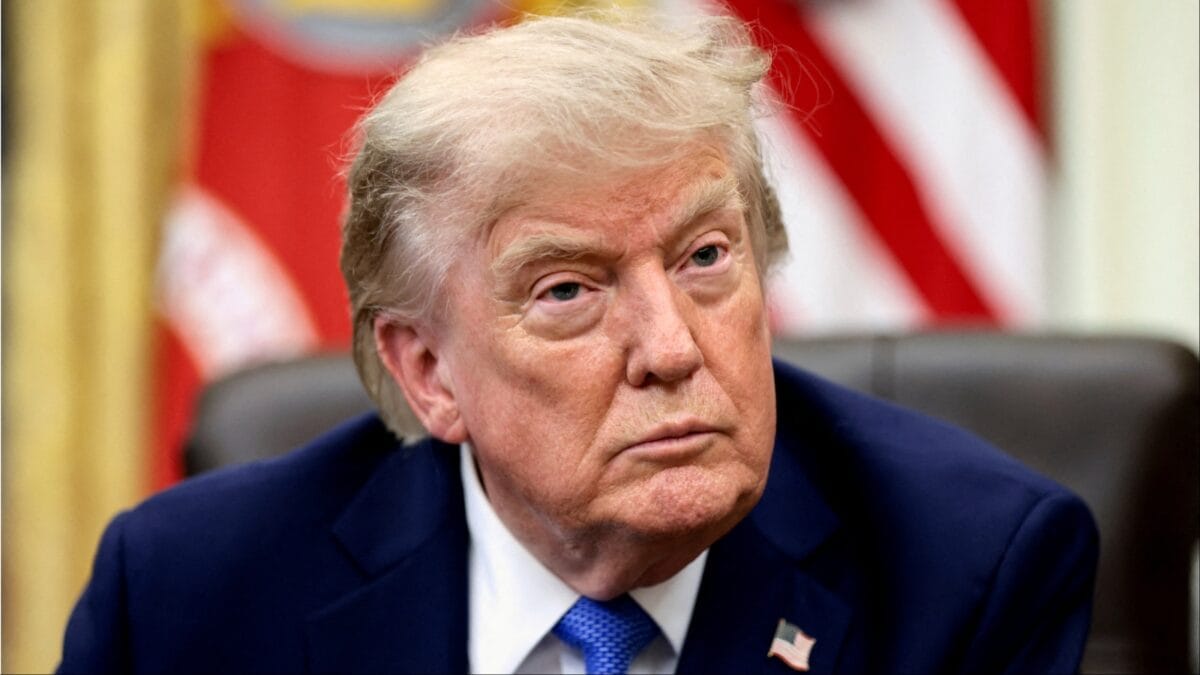
Trump Signals Possible Sanctions on Chinese Banks Over Iran

China Rejects US Sanctions Pressure, Urges Restraint on Iran
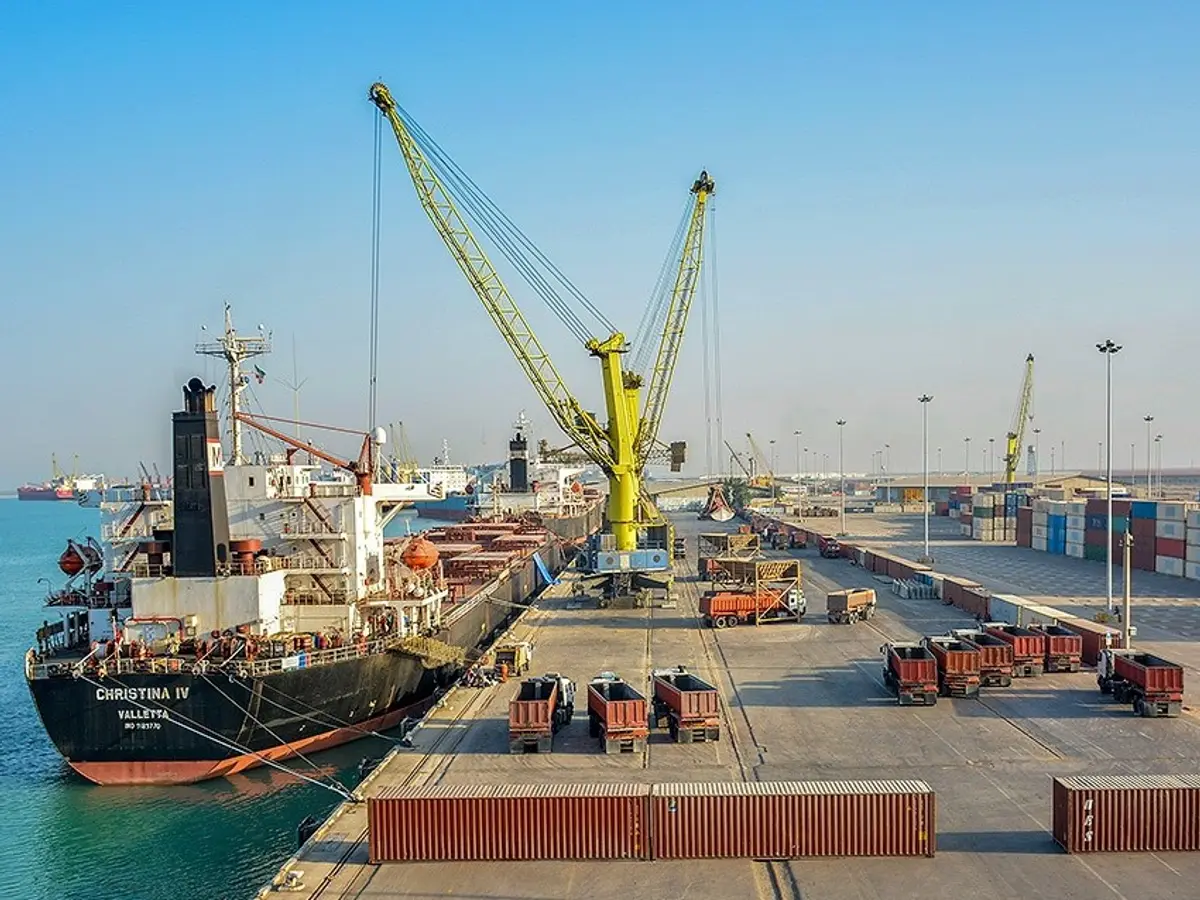
US Launches Operation Economic Outcast, Warning Iran Trade Partners
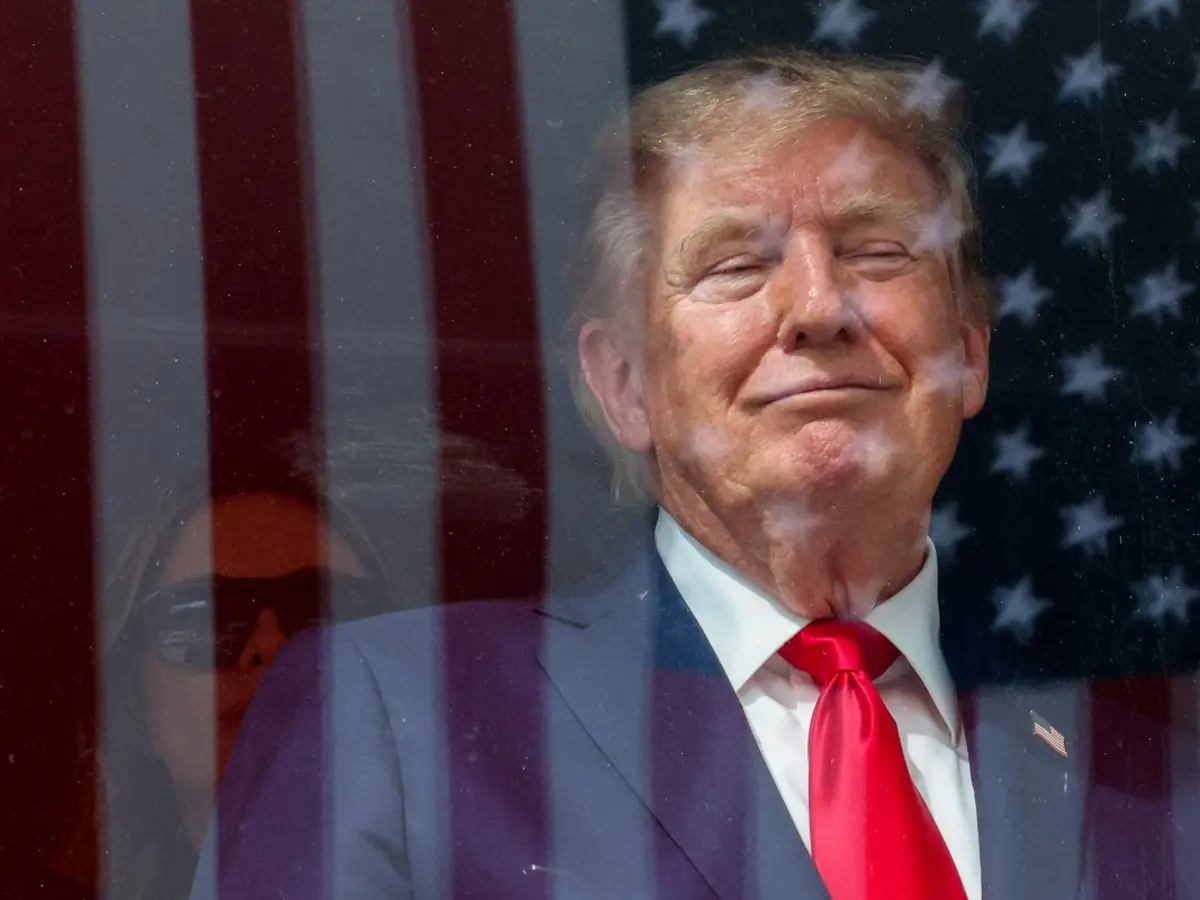
China Opposes New Iran Sanctions as Trump Presses Talks

U.S. Plans Broader Iran Sanctions Amid Escalating Economic Conflict

RBI Governor Meets US Fed Chief Kevin Warsh at G20
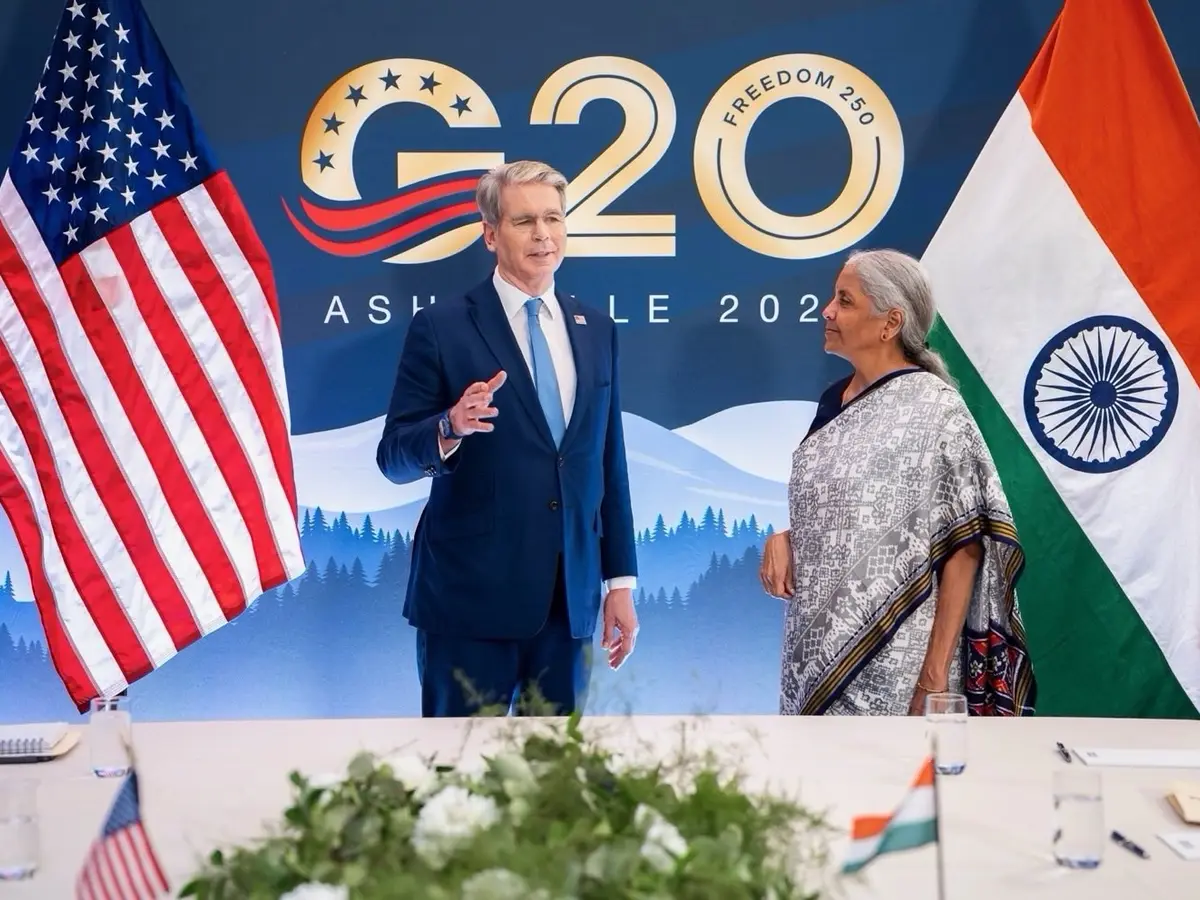
Indian Firms Invest $40 Billion in U.S., Supporting Jobs
Trump Aides Seek to Keep Iran War Quiet Before Midterms
Global Bond Sell-Off Pushes Japan Yields To 30-Year High

US and China Hold Quiet Talks Over Iran Conflict