1 week ago
China Opposes New Iran Sanctions as Trump Presses Talks
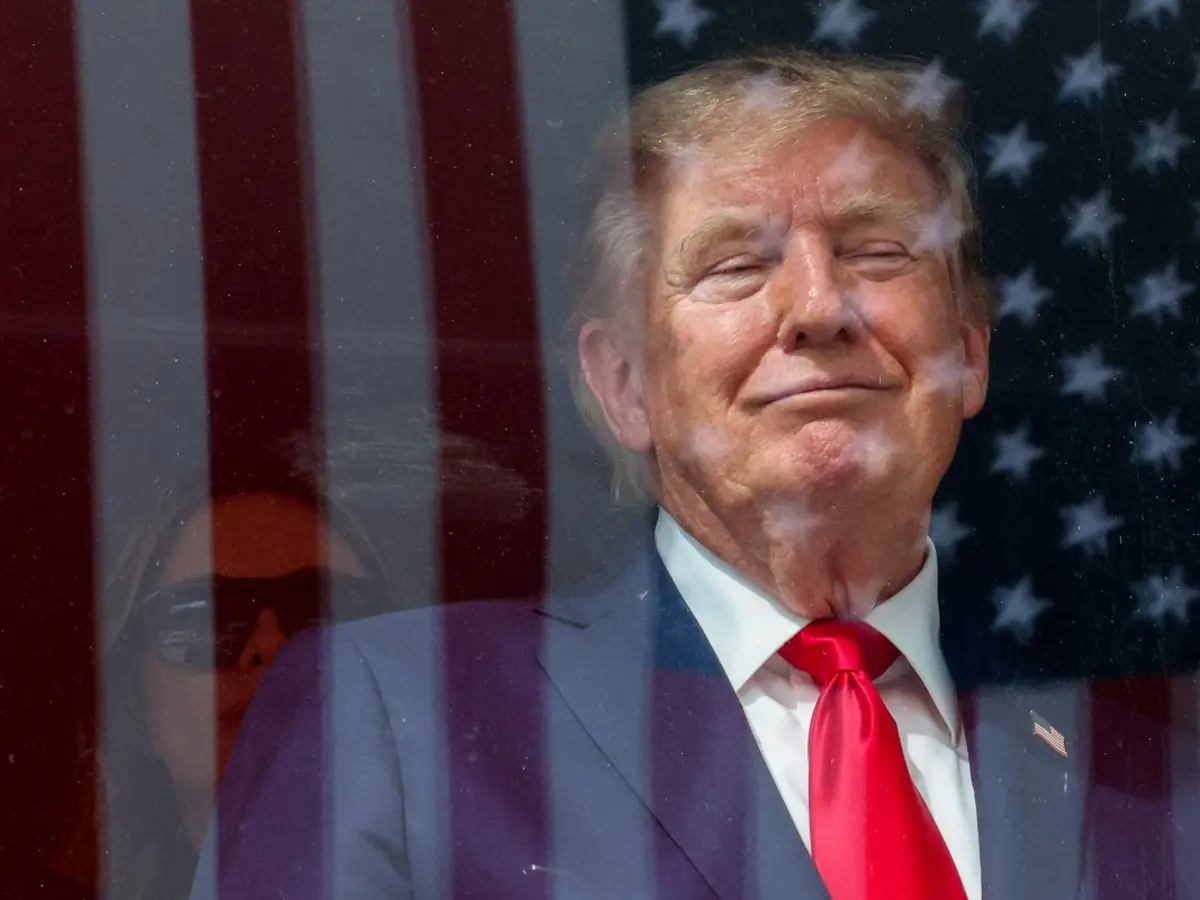
The United States planned to announce new economic penalties against Iran.
President Donald Trump said Iran’s economy was collapsing.
China disagreed with adding more sanctions and asked countries to return to talks.
China buys much of Iran’s oil, so it could be strongly affected by problems in the region.
Pakistan’s army chief visited Iran as countries tried to encourage negotiations.
Iran warned ships about using the Strait of Hormuz and listed tankers it said had broken its rules.
Yemen’s Houthis also claimed they attacked a tanker in the Red Sea.
Iran’s currency became much weaker, and food became more expensive.
These events increased concerns about conflict and economic hardship.

US Treasury Secretary Scott Bessent was expected to announce major economic sanctions on Iran.
China opposed new sanctions, warning they could escalate tensions and urging a return to negotiations.
Iran threatened to restrict oil exports and warned vessels about transit through the Strait of Hormuz.
Pakistan Army Chief Asim Munir visited Tehran as mediation efforts continued to bring Iran back to talks.
Iran’s currency fell below two million rials per US dollar, while rice prices reportedly rose 60% since the war began.
- Who
- The United States, Iran, China, Pakistan, Saudi Arabia, Türkiye, and Yemen’s Houthis are involved; named officials include Donald Trump, Scott Bessent, Asim Munir, and Masoud Pezeshkian.
- What
- The United States planned new sanctions against Iran, while China urged restraint and a return to talks amid continuing regional tensions.
- Where
- The dispute centers on Iran and the wider West Asian region, including the Strait of Hormuz and the Red Sea; Munir visited Tehran.
- When
- The sanctions announcement was expected imminently; related mediation efforts followed events in April and May, with a Trump-Xi meeting planned for September.
- Why
- The United States sought to pressure Iran’s economy, while China and other mediators sought to reduce tensions and restore negotiations.
US pressure and sanctions
Chinese calls for talks and restraint
How to address Iran
US pressure and sanctions
The United States planned new economic sanctions and warned that countries engaging with Iran’s economy could also be targeted.
Chinese calls for talks and restraint
China opposed additional sanctions, arguing that they would escalate tensions and urging all parties to return to negotiations.
Iran’s response
US pressure and sanctions
Trump said Iran was completely collapsing, while US pressure was presented as a way to squeeze Tehran’s economy.
Chinese calls for talks and restraint
Iran said the tactic would fail, threatened to restrict oil exports, and warned countries against joining US efforts.
Regional security
US pressure and sanctions
The United States sought Pakistan’s influence to help bring Iran back to talks while maintaining economic pressure.
Chinese calls for talks and restraint
Pakistan, China, and Iran continued discussing mediation or regional security arrangements, while Iran did not rule out negotiations with Pakistan, Türkiye, and Saudi Arabia.
Key facts
- Expected US action
- Treasury Secretary Scott Bessent signaled that the United States would announce major economic sanctions against Iran.
- China’s position
- Beijing opposed fresh sanctions, saying they could escalate tensions and calling for restraint and talks.
- China-Iran trade
- China was described as Iran’s largest trading partner and as purchasing roughly 90% of its crude oil.
- Currency pressure
- The Iranian rial reportedly fell below two million rials per US dollar, a historic low.
- Food prices
- The price of rice reportedly increased by 60% since the war began.
- Maritime tensions
- Iran blacklisted 45 tankers and warned vessels not to cross the Strait of Hormuz without permission.
- Mediation effort
- Pakistan Army Chief Asim Munir visited Tehran after reportedly speaking with Trump the previous week.
Sources
Related news
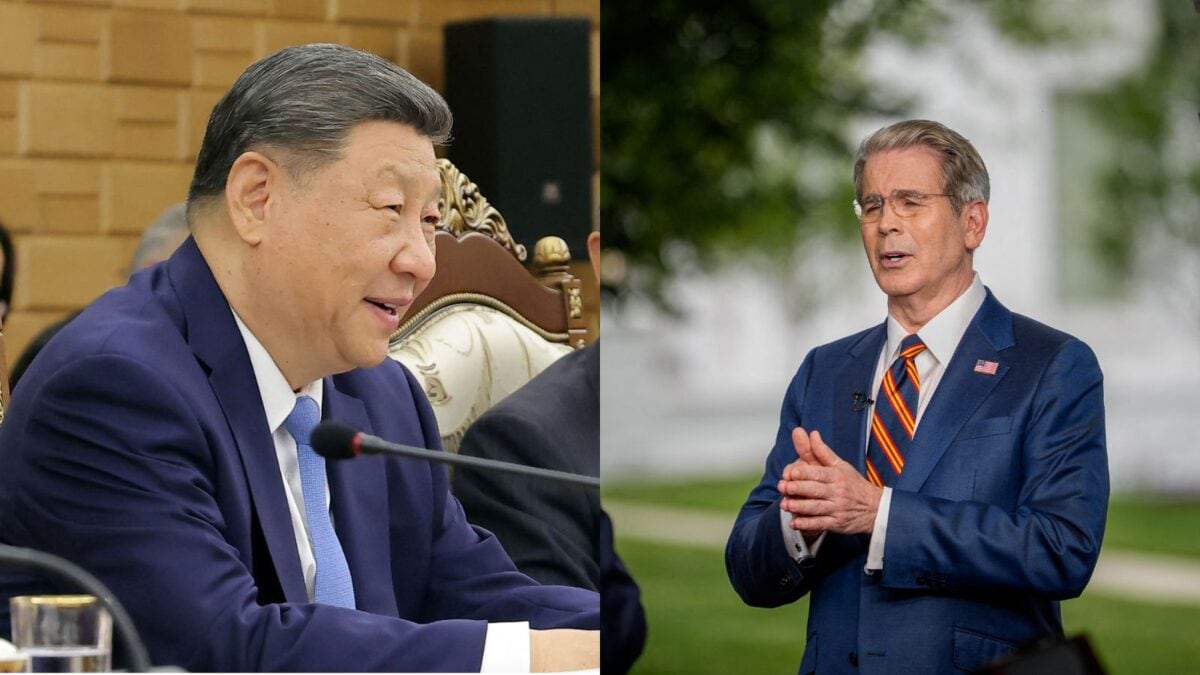
Trump Seeks China’s Help for Crushing Economic Pressure on Iran
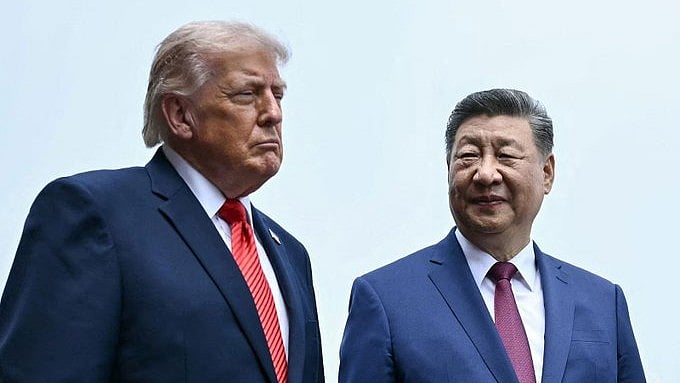
China Rejects US Sanctions Threats Over Iran Trade
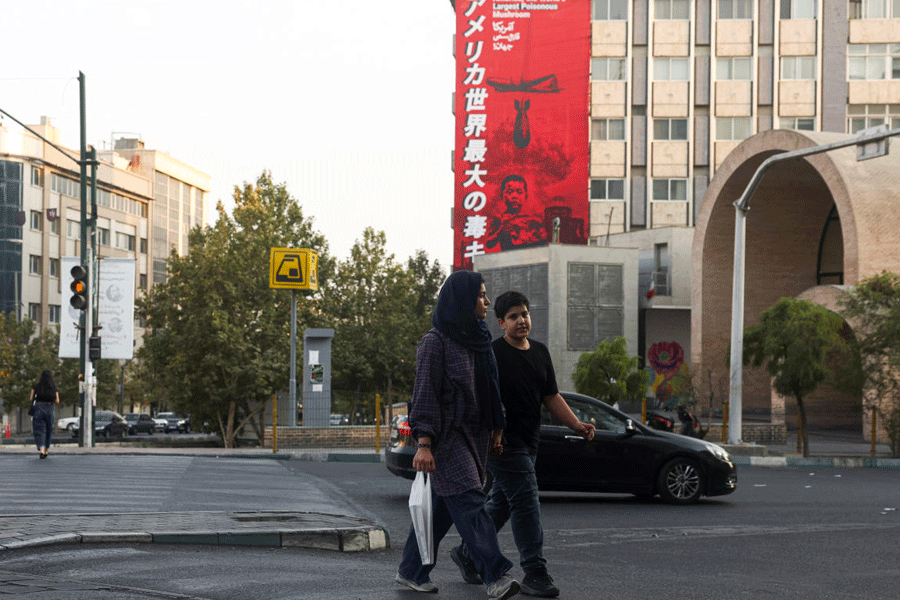
U.S. and Iran Trade Threats Ahead of New Sanctions
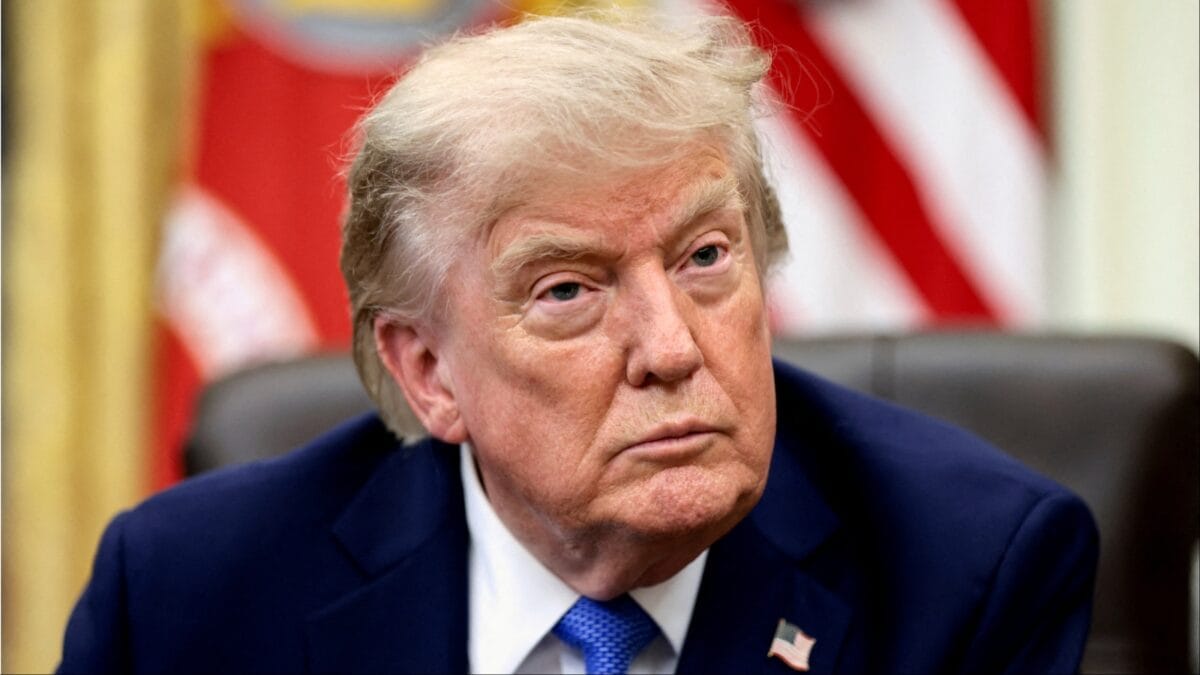
Trump Signals Possible Sanctions on Chinese Banks Over Iran

China Rejects US Sanctions Pressure, Urges Restraint on Iran
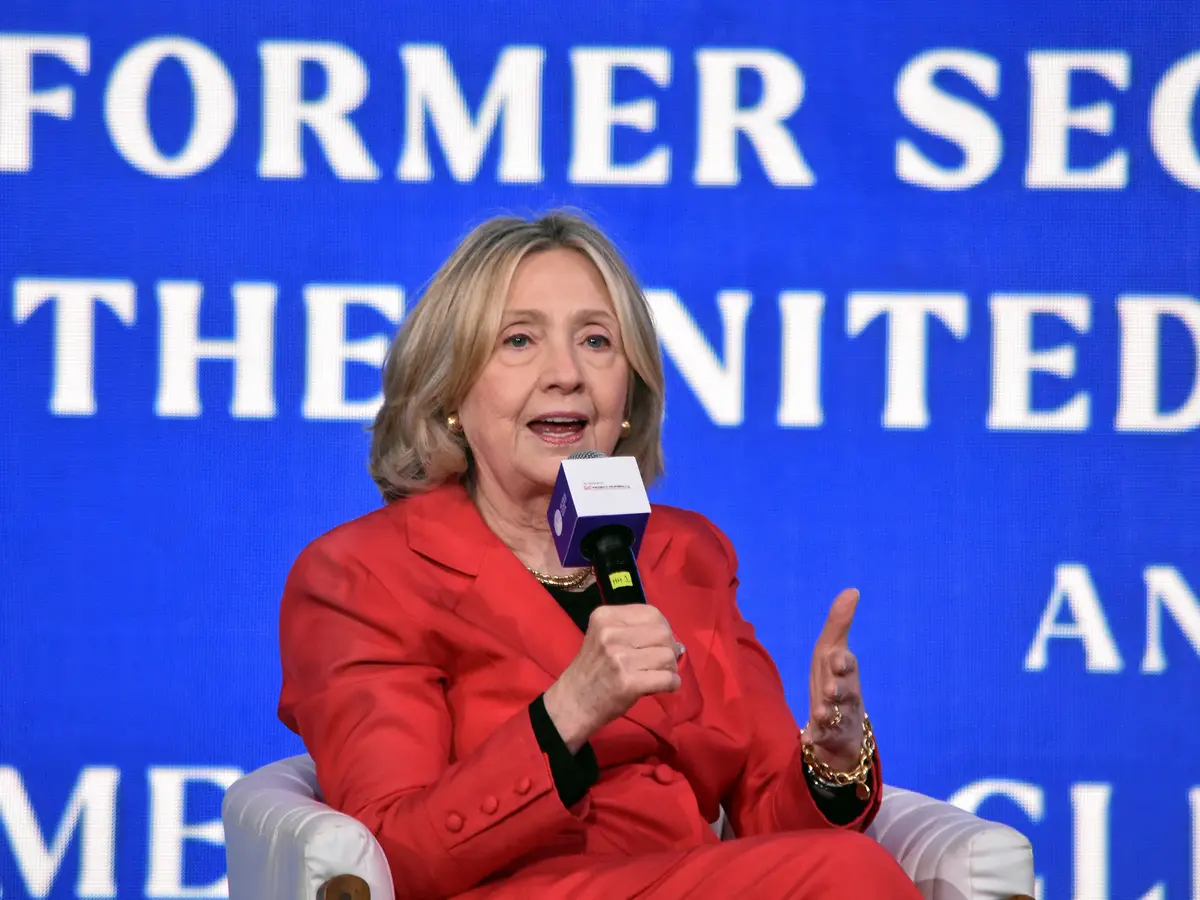
Clinton says India, China could help Trump end Iran crisis

Saudi Arabia Says Iranian Tanker Attack Killed Two Sailors
U.S.-Iran Exchange Escalates Across Middle East, Markets Slide
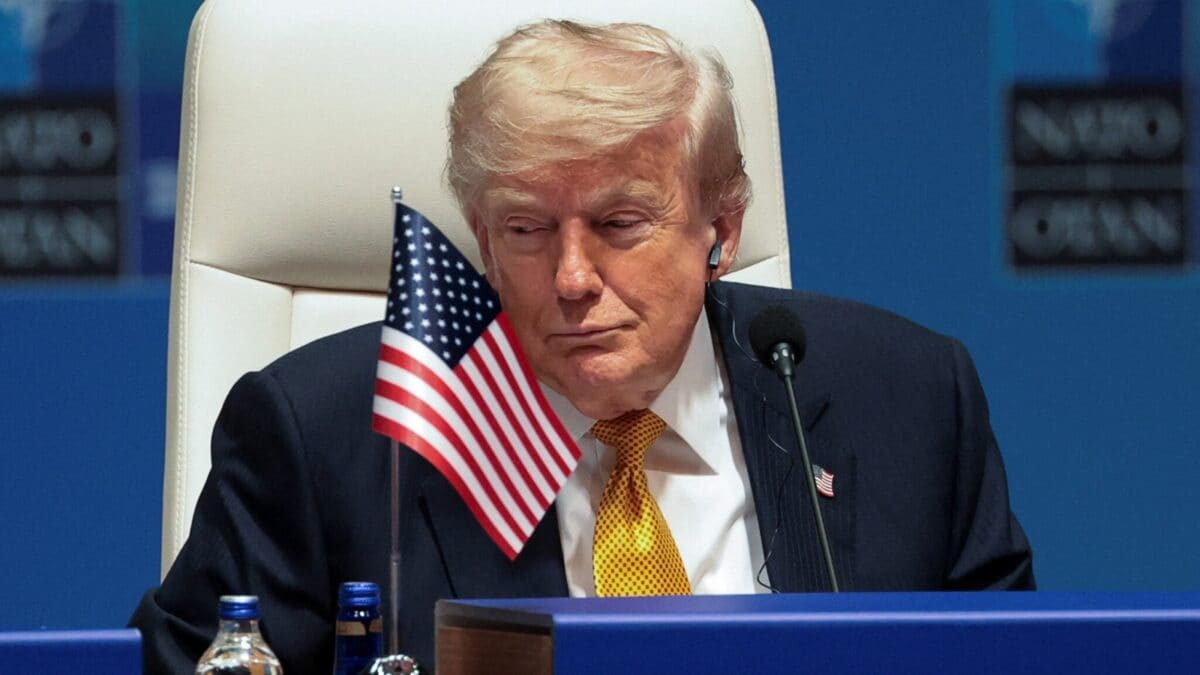
Trump Aides Seek Quiet Iran War Before Midterm Elections
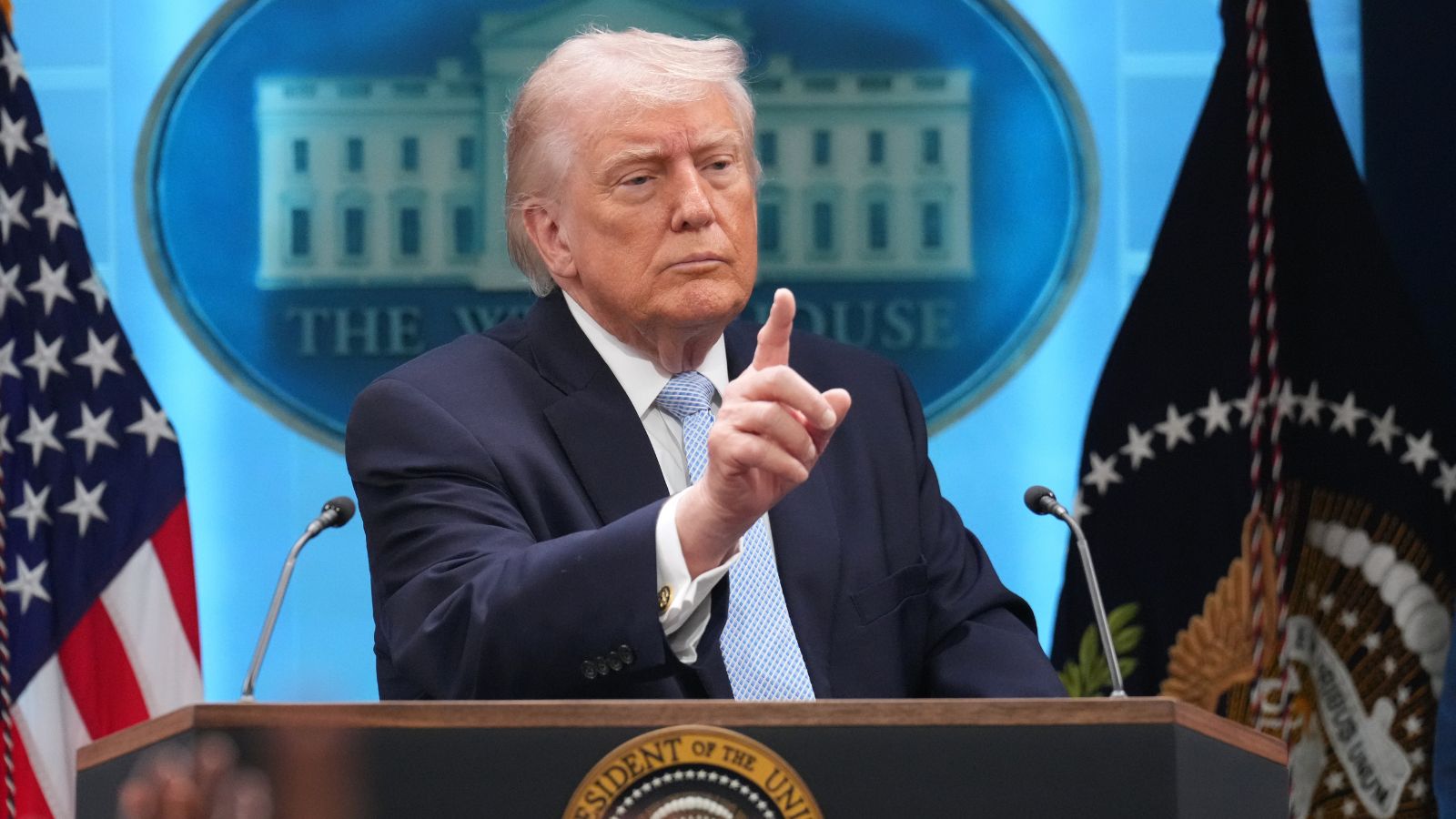
US Warns Middle East Travelers Amid Escalating Iran-Linked Tensions

Indian Stocks Slide as Oil, Conflict and Yields Rise