3 weeks ago
Reels vs Results: Political messaging won't win over young voters
Politicians in India are making short videos on Instagram, called Reels, to get attention from young people.
They also post selfie videos and use slang like 'FOMO' because many young people spend lots of time on social media.
Some people think this is smart, but the article says videos alone are not enough.
It says young people really care about things like jobs, good schools, and better public services.
It also reminds young people that sharing opinions online should not take the place of voting.
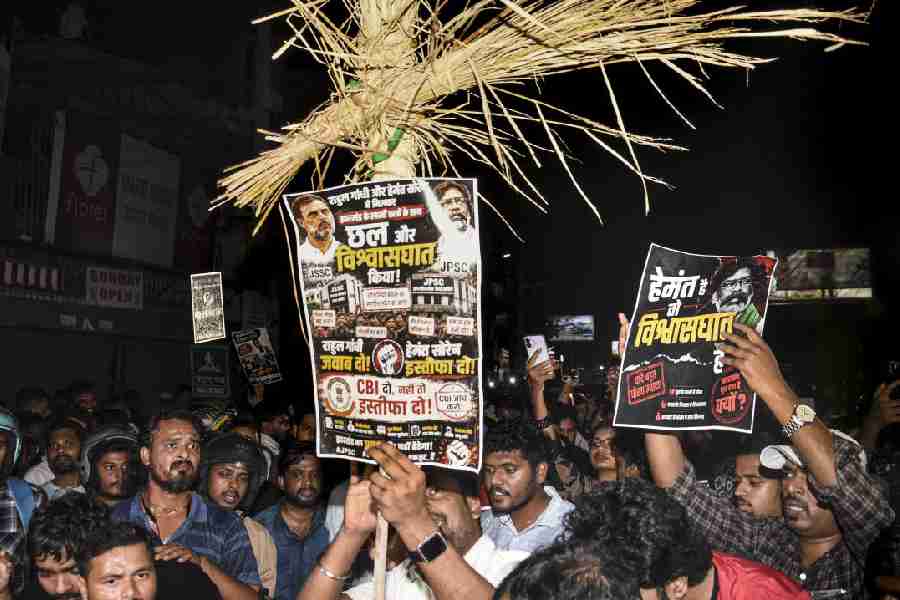
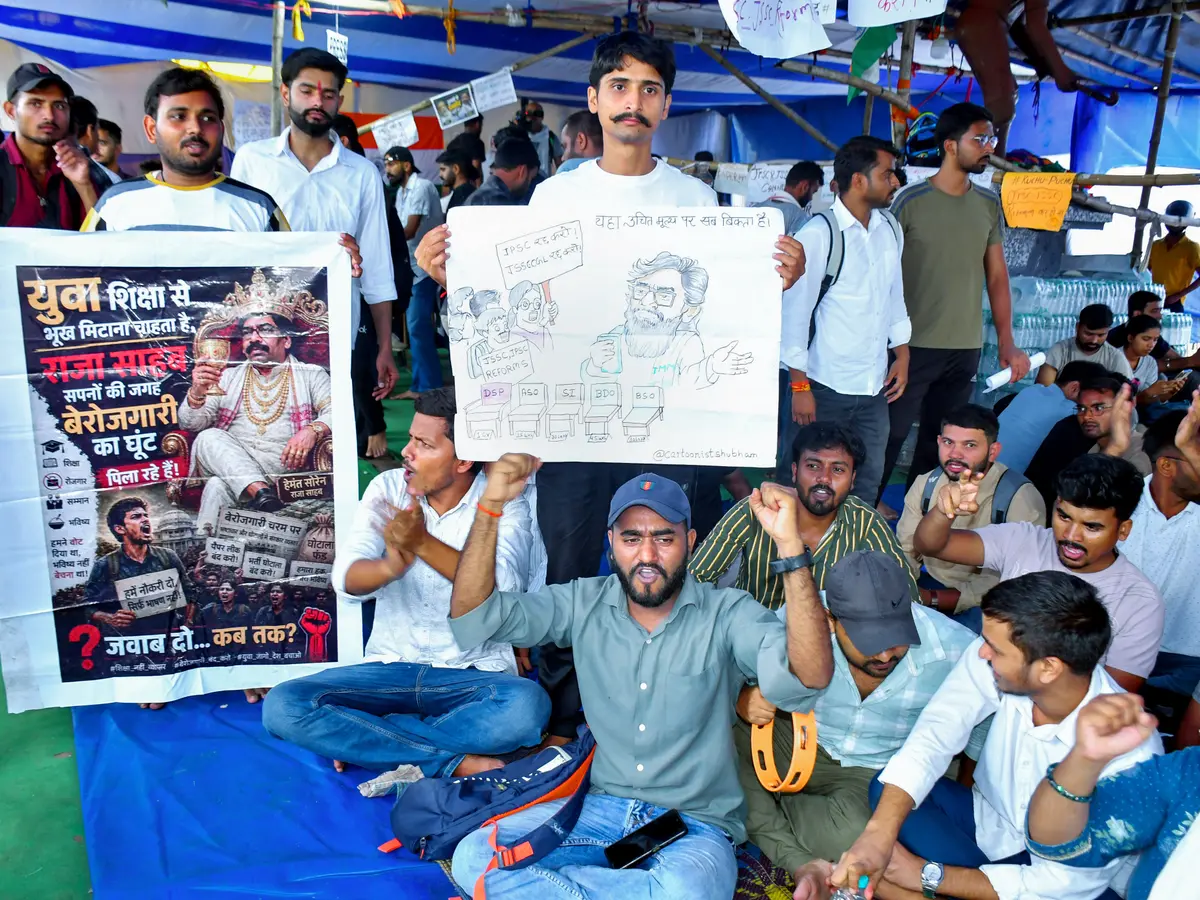
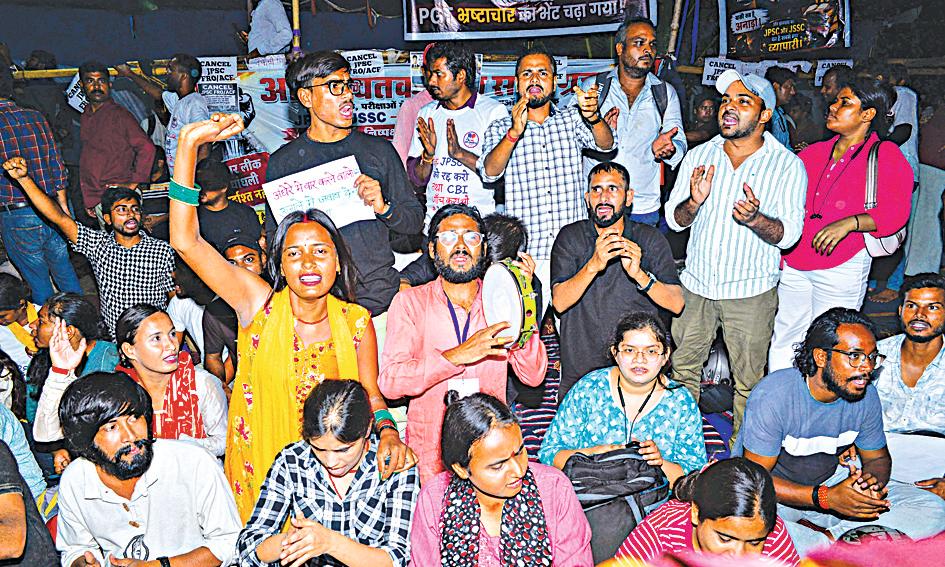
Separately, the report tells of a student protest in the city of Ranchi, India.
The head of a student group called AISA, Neha Bora, had ink thrown at her while marching with protesters.
Police caught the man they say threw the ink.
The students were protesting because they believe there were problems and leaked exam papers in some government exams.

Indian political leaders across the spectrum are using Instagram Reels, selfie videos and youth slang like 'FOMO' to connect with Gen Z voters.
The article argues viral content alone won't build lasting trust; jobs, quality education, better public services and meaningful reforms matter more to young voters.
Many young Indians are vocal on social media but choose not to vote, and the piece urges civic responsibility beyond online activism.
AISA president Neha Bora was allegedly attacked with ink during a student protest march in Ranchi on Friday, August 7.
Police detained a man accused of throwing the ink as protesters marched towards the Jharkhand Assembly over alleged paper leaks in the JPSC and JSSC-CGL examinations.
- Who
- Indian political leaders across the spectrum, Gen Z voters, AISA president Neha Bora, police in Ranchi, and student protesters.
- What
- A debate over whether social media messaging alone can win young voters, alongside an ink attack on AISA president Neha Bora during a protest over alleged exam irregularities.
- Where
- India; the protest march took place in Ranchi, Jharkhand, heading towards the Jharkhand Assembly.
- When
- Friday, August 7, as protests continue to emerge across parts of India, including Jharkhand.
- Why
- Leaders want to connect with Gen Z voters, while protesters demand action over alleged paper leaks and irregularities in the 14th JPSC Civil Services Examination and JSSC-CGL examination.
Governance-first critics
Digital engagement advocates
Social media versus substance
Governance-first critics
Viral Reels capture attention for only a few seconds; jobs, quality education, better public services and meaningful reforms are what build lasting trust among young voters.
Digital engagement advocates
Leaders deserve credit for adapting to the way young people consume content, and digital outreach is an important part of modern political communication.
Key facts
- Main topic
- Whether political messaging alone can win over India's young voters
- Protester attacked
- Neha Bora, president of AISA
- Attack
- Ink allegedly thrown during a student protest march
- Location
- Ranchi, en route to the Jharkhand Assembly
- Date
- Friday, August 7
- Police action
- Detained a man accused of throwing ink at Bora
- Protest cause
- Alleged paper leaks and irregularities in the 14th JPSC Civil Services Examination and JSSC-CGL examination
Sources
Related news
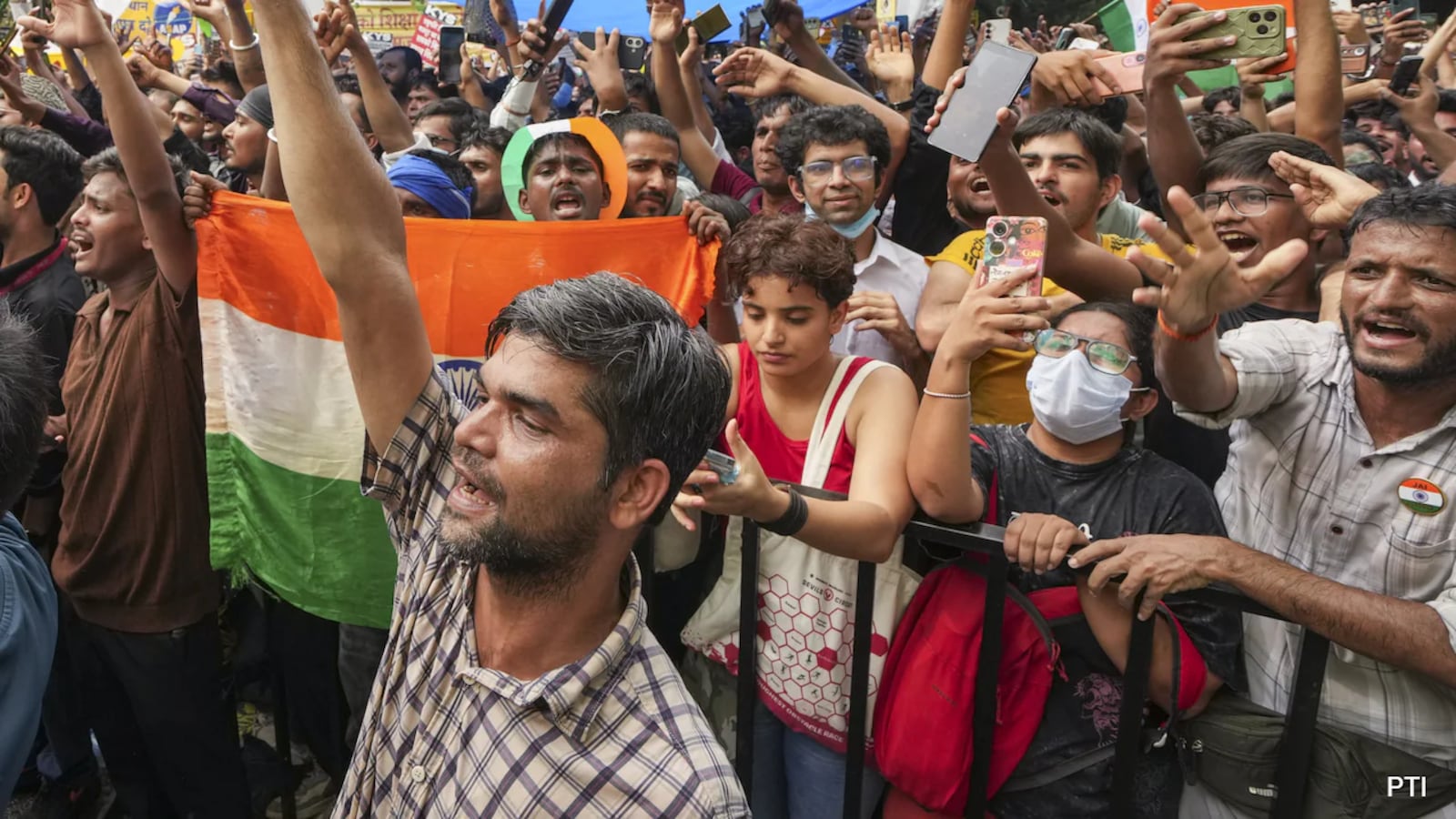
India’s Parties Court Gen Z After Youth Protests
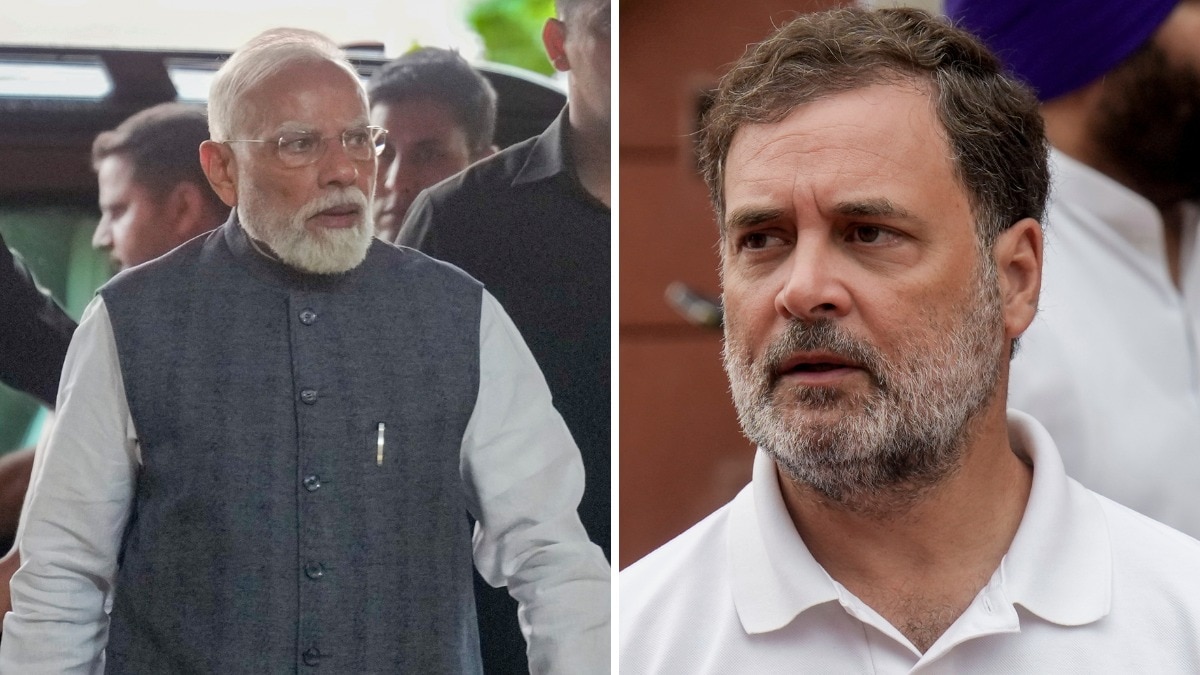
Instagram Engagement Surges as Indian Politics Targets Gen Z

Will India's Gen Z Voters Shape the 2029 Election?
Gen Z Slang Enters Parliament, But Trust Remains Elusive

Gen Z Becomes Political Battleground Ahead of 2029 Elections
Jharkhand High Court Orders CID Probe into Teacher Recruitment Scam
SSC Revises Stenographer 2026 Dates, Releases Exam City Slips

Jharkhand High Court Transfers Exam Cancellation Plea

Jharkhand CID Arrests Ninth Suspect in JSSC-CGL Irregularities Case

Parliamentary panel urges timely filling of ITAT vacancies