15 hrs ago
India Turns To Technology And EPR Amid Plastic Waste Crisis
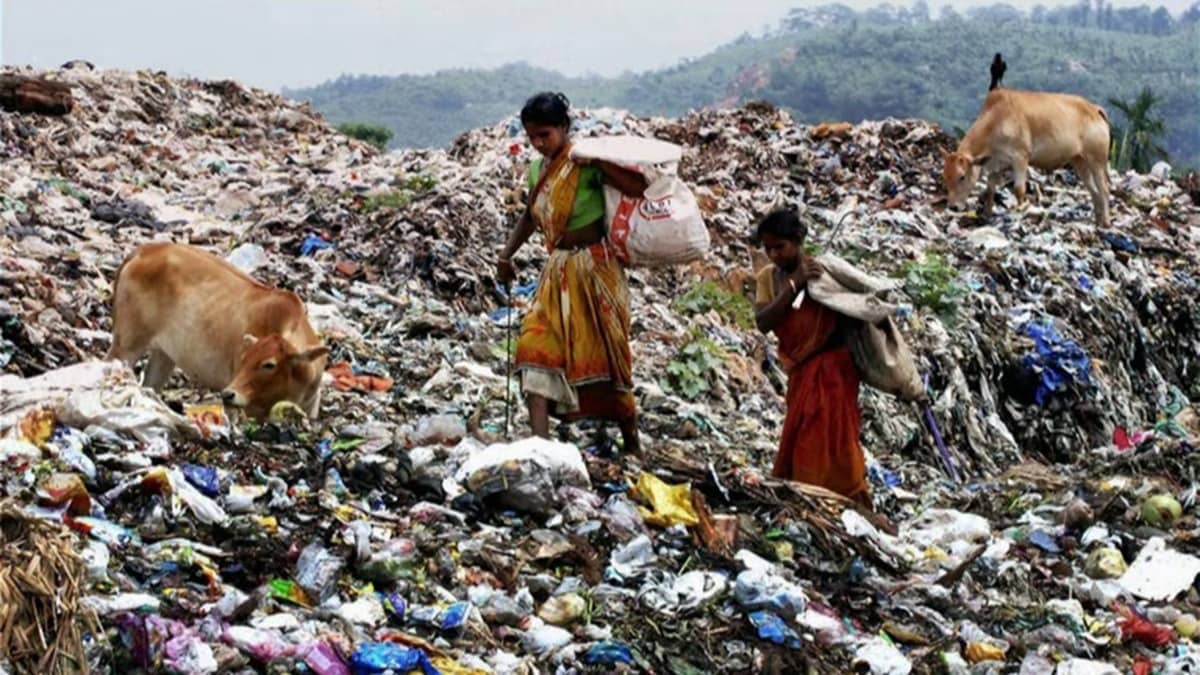
India produces millions of tonnes of plastic waste every year.
Much of it is not collected or recycled properly.
This waste can block drains, pollute rivers and harm people, animals and farms.
Recycling turns old plastic into materials that can be used again.
The government wants companies to help collect and recycle the plastic they produce.
New technologies can help track waste and make recycled materials cleaner and more useful.
Experts say India still needs better collection systems and cooperation with waste pickers.
These efforts are meant to create jobs, reduce pollution and make India less dependent on imported materials.

India generates more than 3.5 to 4 million tonnes of plastic waste annually.
Only about 50% to 60% of plastic waste is formally collected, with less properly recycled.
The government is using Extended Producer Responsibility, technology and recycling mandates to improve recovery.
Experts say better segregation, material quality, traceability and informal-sector integration remain essential.
The Plastics Recycling Show India 2026 and Bharat Recycling Show 2026 opened in Mumbai on August 31.
- Who
- The Indian government, recycling-industry experts, companies, waste-management leaders and waste pickers are involved.
- What
- India is addressing a plastic-waste crisis through recycling, Extended Producer Responsibility, technology and improved traceability.
- Where
- The exhibitions are being held in Mumbai, while the waste affects cities, rivers and coastal areas across India.
- When
- The co-located exhibitions began on August 31, 2026, and are scheduled to run through September 2, 2026.
- Why
- The effort aims to reduce pollution and health risks, improve recycling, create green jobs, support climate goals and reduce dependence on imported resources.
Recycling Expansion Advocates
Implementation Concerns
Technology and policy
Recycling Expansion Advocates
Supporters say Extended Producer Responsibility, recycled-content mandates and advanced technologies can build a high-value circular economy.
Implementation Concerns
Industry experts caution that technology will not be sufficient without stronger collection, source segregation and reliable recycling networks.
Economic opportunity
Recycling Expansion Advocates
Recycling can save energy, reduce demand for virgin plastic, create green jobs and help India reduce import dependence.
Implementation Concerns
The article highlights unresolved gaps in feedstock quality, material purity, certified capacity and supply-chain integration.
Role of the informal sector
Recycling Expansion Advocates
Integrating waste pickers into the formal economy could strengthen collection and recovery.
Implementation Concerns
Experts identify the continuing integration of the informal sector as a critical challenge for the recycling system.
Key facts
- Annual plastic waste
- More than 3.5 to 4 million tonnes are generated in India each year.
- Formal collection
- About 50% to 60% of plastic waste is formally collected.
- Policy
- The 2022 amendments to the Plastic Waste Management Rules banned 19 single-use plastic items and enforced Extended Producer Responsibility.
- Recycling market outlook
- The plastic recycling market is expected to grow at a 9% to 11% compound annual growth rate over the next five to 10 years.
- Waste pickers
- India has more than 4 million waste pickers, according to the article.
- Copper demand
- Copper demand is currently about 1.9 million tonnes and is projected to reach about 3.2 million tonnes by 2030.
- Secondary copper
- Scrap already meets nearly 38% of current copper consumption.
Sources
Related news

Circular manufacturing shapes next phase of India's plastics growth
India's Next Innovation Frontier: Building for the World

India’s Sustainable Packaging Startups Shift Toward Commercial Scale

India ranks 1st in ship recycling, aims to double capacity
Goyal Defends India’s 7.8% GDP Growth Amid Data Debate

Manipur Census Deferment Welcomed as Step Toward Public Aspirations
UPSC Key Covers SCO, Electoral Rolls, Economy, Defence and Climate
West Bengal CM Crushes Nearly 2 Lakh Seized Syrup Bottles

Modi Highlights India’s Growing Avocado Market and Farmer Gains