1 hr ago
India Draft Steel Policy Targets 604 Million Tonnes by 2047
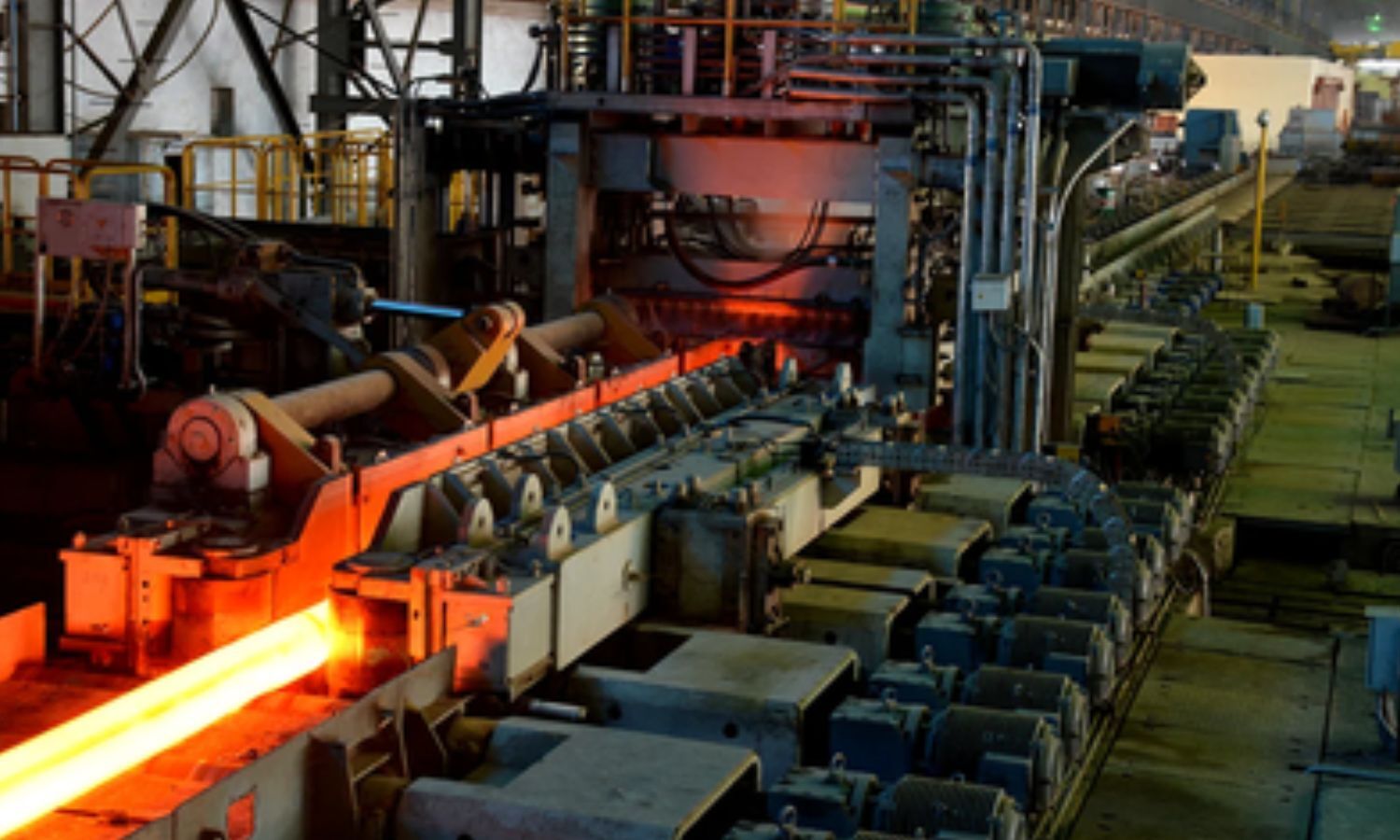
India has published a draft plan for its steel industry.
It wants the country to be able to make 604 million tonnes of steel each year by 2047.
Steel production and use have both grown in recent years.
The plan expects building, infrastructure and manufacturing to keep driving demand.
India also wants to rely less on imported coking coal.
It proposes helping smaller steelmakers improve their equipment, skills and safety.
The plan also aims to make more specialized steel and improve quality checks.
Finally, it sets out ways to reduce pollution from steelmaking, with a net-zero goal for 2070.

India's draft steel policy targets annual steelmaking capacity of 604 million tonnes by 2047.
Crude steel production rose from about 89 million tonnes in 2014–15 to 170 million tonnes in 2025–26, while finished steel consumption increased from 77 million tonnes to 164 million tonnes.
The policy proposes reducing dependence on imported coking coal, which currently meets nearly 92% of India's requirement.
Measures for the steel sector include technology upgrades, support for secondary producers, stronger quality standards and promotion of specialty steel.
The roadmap calls for phased decarbonisation, including efficiency improvements, renewable electricity, more scrap and hydrogen, as part of a net-zero transition by 2070.
- Who
- The Government of India, through its draft steel policy.
- What
- A proposed policy targeting 604 million tonnes of annual steelmaking capacity by 2047.
- Where
- India.
- When
- The policy sets a capacity target for 2047 and a phased net-zero transition by 2070; the article does not state when the draft was released.
- Why
- To meet expected growth in steel demand, strengthen domestic production and technology, reduce reliance on imported raw materials, and cut emissions.
Policy proposals
Challenges identified
Reducing coking coal dependence
Policy proposals
The draft proposes domestic mining, coal washeries, overseas asset acquisitions, long-term supply arrangements and AI-supported coal blending.
Challenges identified
India currently imports nearly 92% of its coking coal requirement, and raw materials account for around 65–70% of steelmaking costs.
Cutting steel emissions
Policy proposals
The roadmap proposes energy efficiency, renewable electricity, greater scrap use and hydrogen, with a phased net-zero transition by 2070.
Challenges identified
The sector contributes about 10–12% of India's carbon dioxide emissions, and its average emission intensity exceeds the stated global average.
Expanding and upgrading production
Policy proposals
The policy aims to build capacity, promote specialty steel and domestic technology, and support secondary producers with raw materials, skills and safety.
Challenges identified
The policy identifies reliance on imported raw materials and technology, as well as the need to upgrade the secondary sector, as issues to address.
Key facts
- Capacity target
- 604 million tonnes a year by 2047
- Current installed capacity
- 220 million tonnes a year
- Crude steel production
- About 89 million tonnes in 2014–15 and 170 million tonnes in 2025–26
- Finished steel consumption
- 77 million tonnes in 2014–15 and 164 million tonnes in 2025–26
- Coking coal imports
- India imports nearly 92% of its coking coal requirement
- Secondary steel sector
- About 2,550 units; nearly 47% of crude steel production capacity
- Emissions
- Steel accounts for about 10–12% of India's carbon dioxide emissions; average intensity is 2.54 tonnes of CO₂ per tonne of crude steel
- Decarbonisation goal
- A phased transition towards net-zero emissions by 2070
Sources
Related news
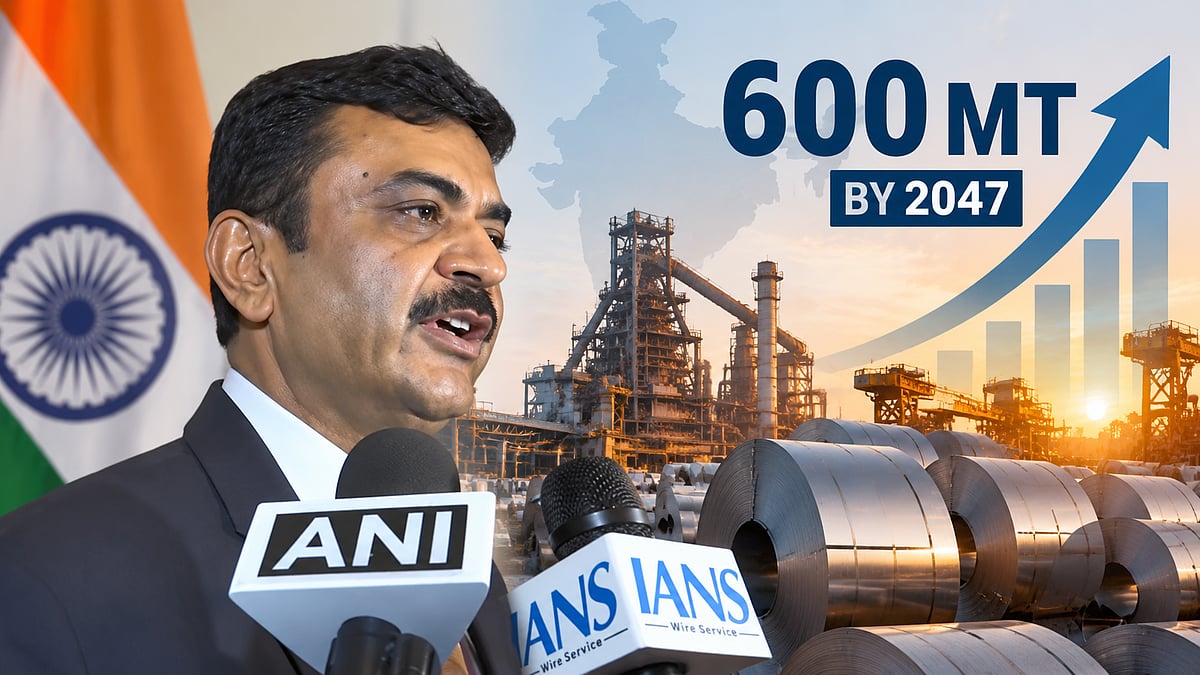
India Plans Nearly Triple Steel Capacity to 600 Million Tonnes
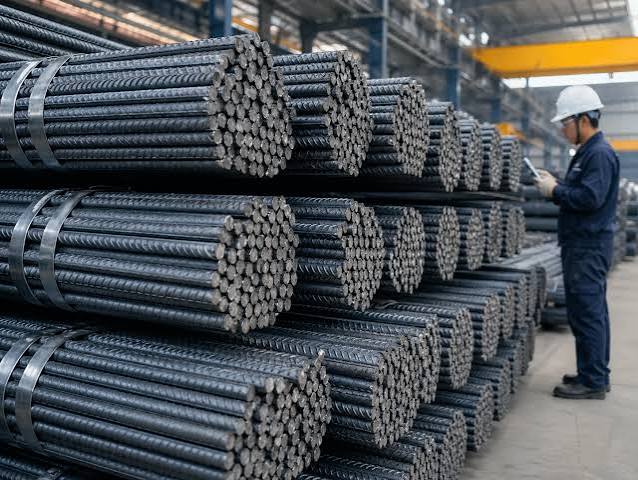
India’s New Steel Policy Targets 600 MT Capacity by 2047
India Outpaces China in Steel Growth as Three Stocks Rise
India Expands Manufacturing While China Retains Major Scale Advantage
Tata Steel India Reports Higher Q2 Production and Deliveries
Two Indian Stocks Target Growth From Steel Output Boom
Modi Says Stronger States Will Build a Stronger Nation
Gandhi Siblings’ Street Protests Reflect Opposition Leadership Rivalry

Newlywed Arrested Over Alleged Poisoning in Maharashtra

Anand Rathi’s Ganesh Dongre names three stocks to buy
Nashik groundwater tests find cancer-linked chromium above limits