1 hr ago
Gandhi Siblings’ Street Protests Reflect Opposition Leadership Rivalry

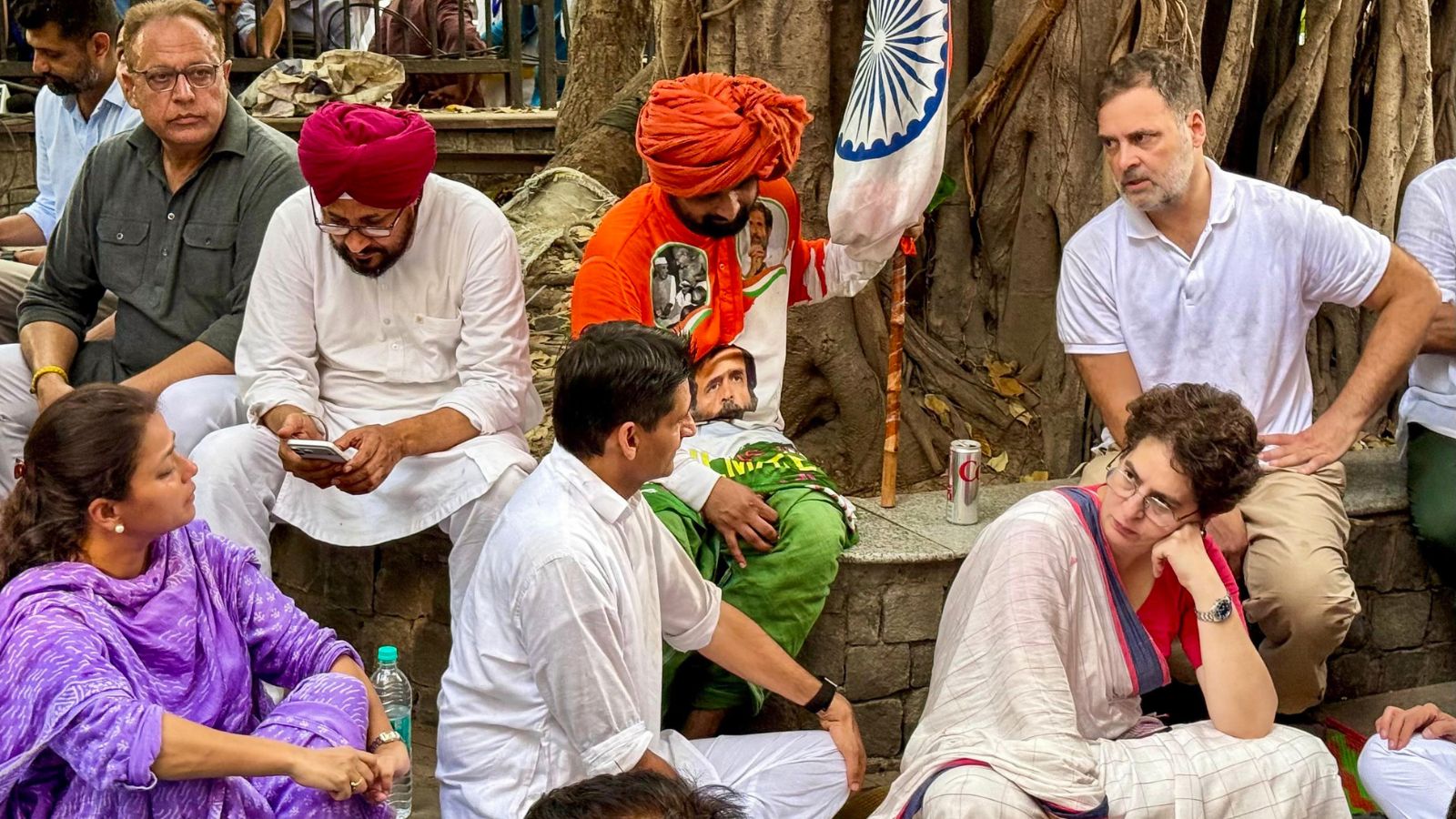
Rahul Gandhi and Priyanka Gandhi Vadra have been taking part in dramatic protests.
The article says these protests help Congress stay in the news.
But Congress is not the only opposition party trying to gain influence.
Arvind Kejriwal’s AAP and Akhilesh Yadav’s Samajwadi Party have their own goals.
The parties sometimes protest together, but they may compete over leadership and elections.
The article says protests can attract attention, but winning voters requires more than dramatic scenes.
Elections in seven states are scheduled for 2027.
Voters will ultimately decide which parties have support.

The article argues that Rahul Gandhi and Priyanka Gandhi Vadra’s confrontational street protests keep Congress in the public spotlight.
It portrays Congress as seeking to lead the Opposition while regional leaders pursue their own political priorities.
Arvind Kejriwal’s AAP skipped a recent Congress-led meeting and march over the Election Commission, while Akhilesh Yadav joined the march.
The article says protests can draw attention but do not by themselves demonstrate electoral strength or build voter support.
It points to the 2027 elections in seven states as a likely intensifier of competition among Opposition parties.
- Who
- Rahul Gandhi, Priyanka Gandhi Vadra, Congress, and other Opposition leaders, including Arvind Kejriwal and Akhilesh Yadav.
- What
- The article examines street protests and competition among Opposition parties for political leadership and influence.
- Where
- India, including protests in New Delhi and electoral contests discussed in Uttar Pradesh, Punjab, Goa, Assam, and West Bengal.
- When
- The protests discussed are recent; seven state elections are scheduled for 2027.
- Why
- The article argues that Congress seeks to remain central to Opposition politics while regional parties protect their own political identities and electoral interests.
Protest as political action
Protest as political theatre
Value of street demonstrations
Protest as political action
The article recognizes that protests are part of democracy and that Opposition parties have the right to challenge the government and demand accountability.
Protest as political theatre
It argues that louder or more dramatic demonstrations do not necessarily achieve political results, build credibility, or win voter support.
Opposition leadership
Protest as political action
Congress is seeking to place itself at the centre of national Opposition campaigning.
Protest as political theatre
AAP, the Samajwadi Party, and other regional parties have their own political identities, bases, and electoral priorities, so they may not follow Congress's lead.
Key facts
- Main subject
- Street protests and competition for leadership within India's Opposition
- Congress leaders discussed
- Rahul Gandhi and Priyanka Gandhi Vadra
- Regional leaders discussed
- Arvind Kejriwal and Akhilesh Yadav
- Election Commission protest
- AAP did not attend the recent Congress-led Opposition meeting and march; Akhilesh Yadav joined the march.
- 2027 elections
- The article says seven states are scheduled to go to the polls in 2027.
- Electoral results cited
- Congress lost the Nagaon Lok Sabha seat in Assam, which it had previously won; the article also reports significant BJP victories in Assam and West Bengal.
Sources
Related news
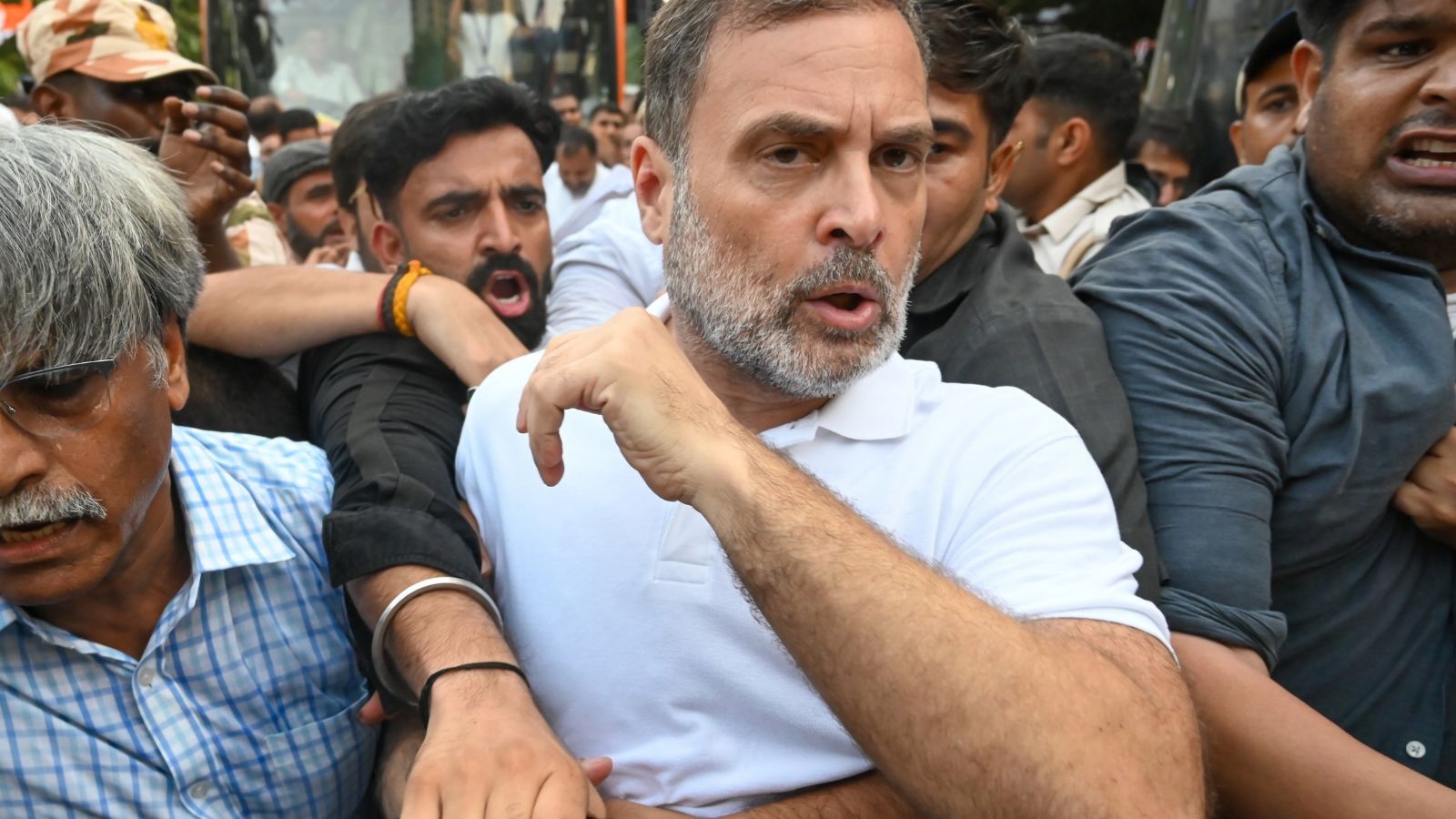
Rahul Gandhi Takes Center Stage in Opposition Protests
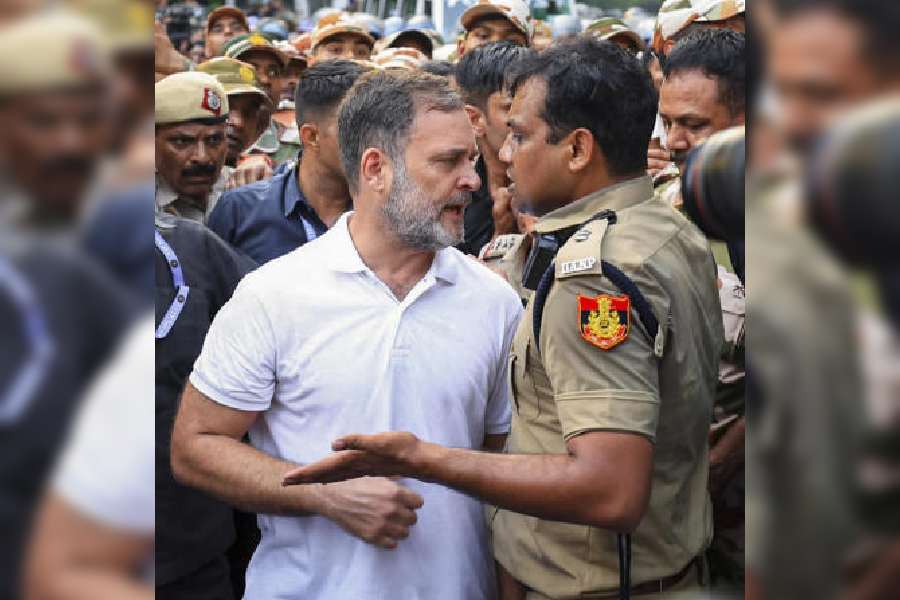
Congress Defends More Aggressive Protests Over Election Roll Revision
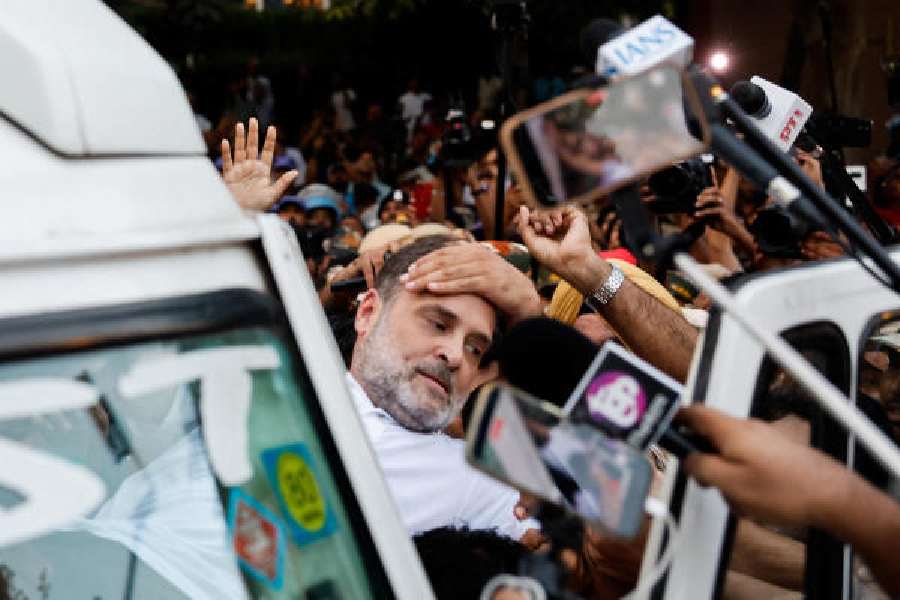
Congress Leads Defiant Opposition Protest After Jantar Mantar Access Denied
Gandhi Siblings' Surprise Sit-In Unsettles INDIA Bloc Allies

Opposition Protests Against Election Chief, Lawmakers Detained
Opposition Unites Against Election Chief, but Congress and CJP Clash
Ram Kadam Demands Evidence as Delhi Protests Continue
Maharashtra MLC Polls Set for October 23 in Pune
Harvard Student Group Backs Delhi Protests Over Voter Rolls

BJP Plans Kerala Protests Demanding Resignations Over CMRL Case