1 hr ago
Nashik groundwater tests find cancer-linked chromium above limits
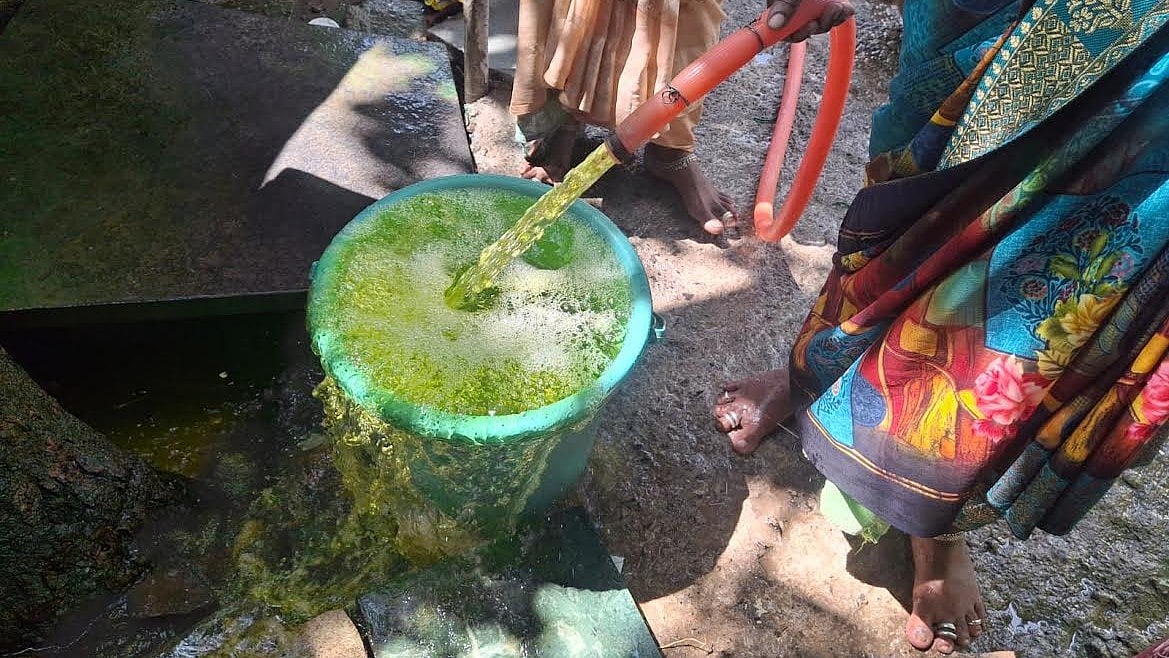
A water advocacy group called SANDRP says tests found a dangerous chemical in groundwater in Ambad, Nashik.
The chemical is called hexavalent chromium.
The amount reported was more than 1,000 times the drinking-water limit.
SANDRP suspects nearby industrial businesses may be responsible, but the source has not been confirmed.
The group says residents have had skin problems and other illnesses, though the health effects need further investigation.
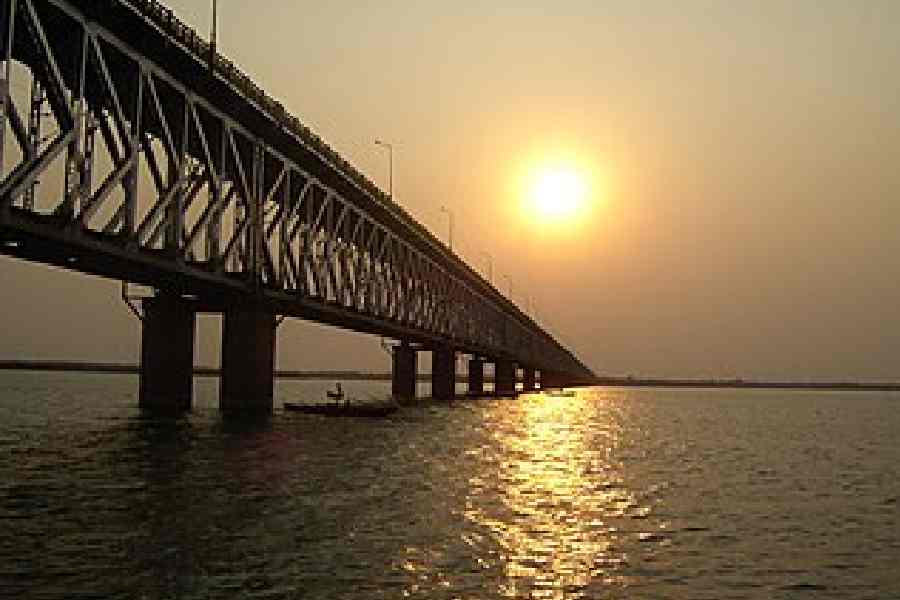
It also says some contaminated water is flowing through drains into the Godavari River.
The river has ghats where large numbers of people are expected for the Kumbh Mela.
SANDRP says the pollution regulator should do more and share its test results with residents.

SANDRP says tests in Ambad, Nashik, found hexavalent chromium at 50.3 mg/L.
The network said this exceeds the drinking-water limit of 0.05 mg/L by more than 1,000 times.
SANDRP suspects industries in the Ambad MIDC zone may be the contamination source; the source has not been confirmed.
The network says residents have relied on contaminated groundwater amid low and inconsistent municipal water supplies, and reports skin ailments and other health concerns.
SANDRP says contaminated water is reaching the Godavari through drains and criticises the response by Maharashtra’s pollution regulator ahead of the Kumbh Mela.
- Who
- Residents of Ambad, Nashik, and the South Asia Network on Dams, Rivers and People (SANDRP), which reported the test results.
- What
- SANDRP reported groundwater containing hexavalent chromium at 50.3 mg/L, more than 1,000 times the stated drinking-water limit.
- Where
- Ambad, an industrial area in Nashik, Maharashtra; SANDRP says contaminated water is also reaching the Godavari River through drains.
- When
- SANDRP issued its statement on October 8; PTI reported it on October 11. The article says the Maharashtra Pollution Control Board issued a notice on September 30, 2026.
- Why
- SANDRP suspects industrial activity in the Ambad MIDC zone may be the source, but the source has not been established.
Key facts
- Test location
- Ambad, Nashik, Maharashtra
- Hexavalent chromium detected
- 50.3 mg/L, according to SANDRP
- Total chromium detected
- 50.5 mg/L, according to SANDRP
- Drinking-water limit cited
- 0.05 mg/L for chromium, as set by the Bureau of Indian Standards
- Possible source
- SANDRP suspects industrial units in the Ambad MIDC zone; this has not been confirmed
- Reported route to river
- Local drains carrying water into the Godavari, according to SANDRP
- Regulatory action cited
- SANDRP says the Maharashtra Pollution Control Board issued a show-cause notice to one company on September 30, 2026
Quotes
South Asia Network on Dams, Rivers and People (SANDRP)
Informal network that issued the statement about contamination in Nashik.
“Young women and children had painful, swollen lymph nodes and chronic illnesses. Two women in the affected settlement report suffering spontaneous miscarriages. The number can be higher. The link has to be assessed.”
 theprint.in
“The analysis reveals hexavalent chromium levels of 50.3 mg/L in the total chromium of 50.5 mg/L: surpassing the Bureau of Indian Standards drinking water allowable limit of 0.05 mg/L by over 1,000 times.”
theprint.in
Sources

Related news
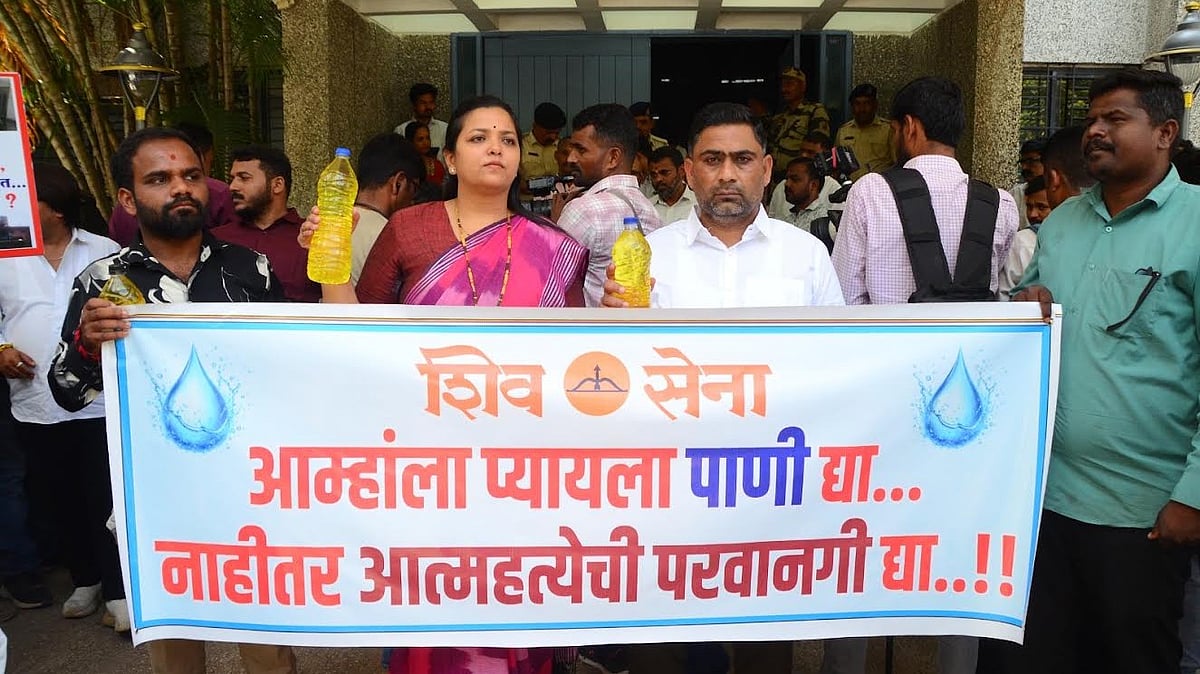
Nashik Corporator Protests Alleged Chemical Contamination, Seeks Safe Water
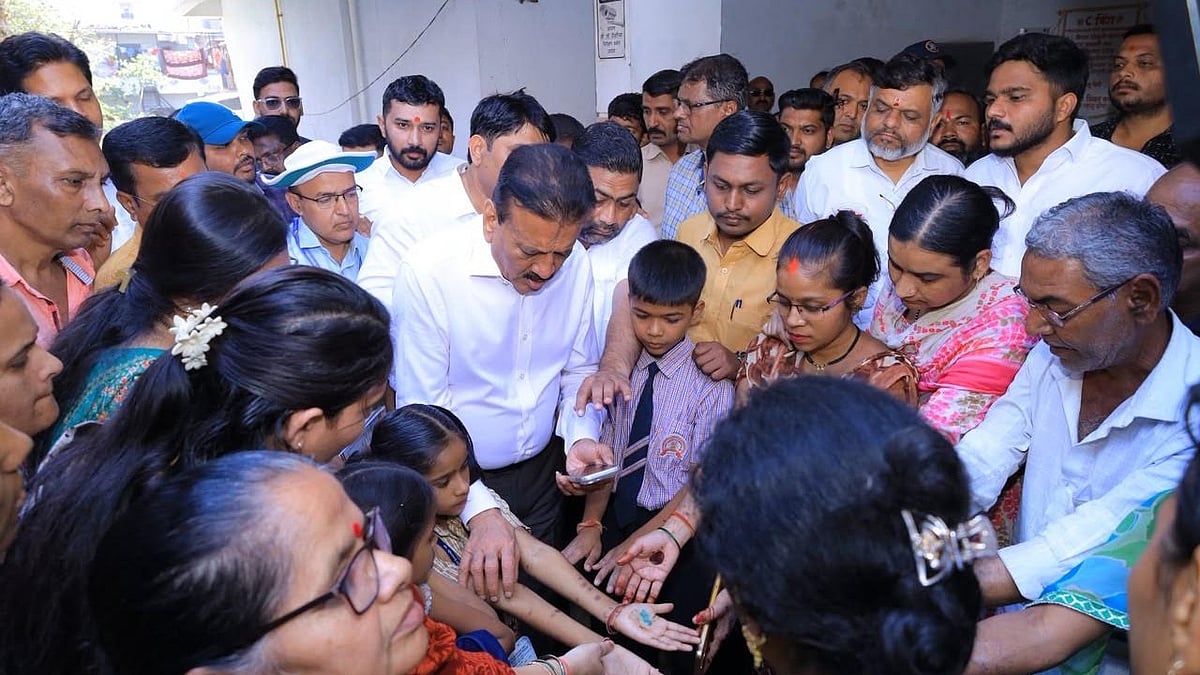
Mahajan Orders Probe Into Ambad Water Pollution
Nine Ambad Companies Face Closure Notices Over Water Contamination
Ujjain Residents Seek Action Over Alleged Groundwater Pollution
Nashik Orders Sealing Illegal Borewells, Tougher Industrial Pollution Action

Palda Residents Bring Dirty Water to Indore Civic Hearing

Minister Says Pattiseema Created Rs 50,000 Crore in Wealth
Papikondalu Boat Tours Expected to Resume Monday
Nashik Seva Kendra Promised New Site and Reconstruction Funds

Naidu Seeks Modi’s Support for Godavari-Cauvery River Link