3 weeks ago
UPI future financing requires thorough scrutiny after new fee law

In India, many people pay for things by making quick transfers from their phones using a system called UPI.
For a long time, banks and payment companies were not allowed to charge shopkeepers for taking UPI payments.
Now, a new law lets the government charge for some of these payments.
The government says normal transfers between friends and most shop payments will stay free.
But those promises are not written in the law, so nobody knows all the details yet.
UPI is used a huge amount — more than twenty-four thousand crore times in one year.
Running UPI costs money for servers, security and keeping payments safe, and government help covers only a small part of those costs.
Charging big businesses a small fee could help pay for the system.
However, shops might add the fee to their prices, making things costlier for customers.
Some people might then go back to using cash, which could slow down a payment method that helps many people.

Parliament passed the Taxation and Other Laws (Amendment) Bill, 2026, allowing the government to permit charges on selected UPI and RuPay transactions.
The government says personal transfers and most merchant payments will stay free, but these assurances are not written into the amended law.
UPI processed more than 24,000 crore transactions worth Rs 314 lakh crore in 2025-26.
A parliamentary committee found the Rs 8,730 crore subsidy for 2021-22 to 2024-25 covered only 11% of digital-payment industry costs.
Only 4% of merchant UPI transactions exceeded Rs 2,000 in 2025-26, yet they represented about two-thirds of total value.
- Who
- The Indian government and Parliament, along with banks, payment companies, merchants and UPI users.
- What
- Parliament passed the Taxation and Other Laws (Amendment) Bill, 2026, which allows the government to permit charges on selected UPI and RuPay transactions, with many rules still unspecified.
- Where
- India
- When
- The Bill was passed recently in 2026; transaction data covers the 2025-26 financial year.
- Why
- To secure sustainable funding for UPI infrastructure, since the Rs 8,730 crore subsidy covered only 11% of the digital-payment industry's costs.
Supporters of sustainable funding
Critics demanding safeguards
Financing UPI infrastructure
Supporters of sustainable funding
A modest fee on large businesses could finance secure infrastructure, since subsidies covered only 11% of industry costs.
Critics demanding safeguards
UPI's public benefits justify transparent government support instead of a merchant fee, which may not be the fairest solution.
Consumer protection
Supporters of sustainable funding
Charges will be small and apply only above a threshold; personal transfers and most merchant payments will remain free.
Critics demanding safeguards
Those promises are absent from the law's text, and merchants can quietly add the fee to prices that customers pay.
Financial inclusion
Supporters of sustainable funding
Targeting only large payments — 4% of merchant transactions worth two-thirds of value — keeps most users unaffected.
Critics demanding safeguards
If digital payments become costlier, consumers and businesses may return to cash, weakening financial inclusion and the formal economy.
Key facts
- Law
- Taxation and Other Laws (Amendment) Bill, 2026
- UPI transactions in 2025-26
- Over 24,000 crore transactions worth Rs 314 lakh crore
- Industry subsidy (2021-22 to 2024-25)
- Rs 8,730 crore
- Subsidy share of industry costs
- 11%
- Merchant UPI transactions above Rs 2,000 (2025-26)
- 4% of transactions, about two-thirds of total value
- Previous rule
- Banks and payment companies barred from charging merchants for UPI and RuPay debit card payments
- Government's assurance
- Personal transfers and most merchant payments will remain free; charges small and above a threshold
Sources
Related news

UPI remains free for users, some merchants face nominal charges

UPI Remains Free for Users, Nominal Merchant Fee Possible: Govt
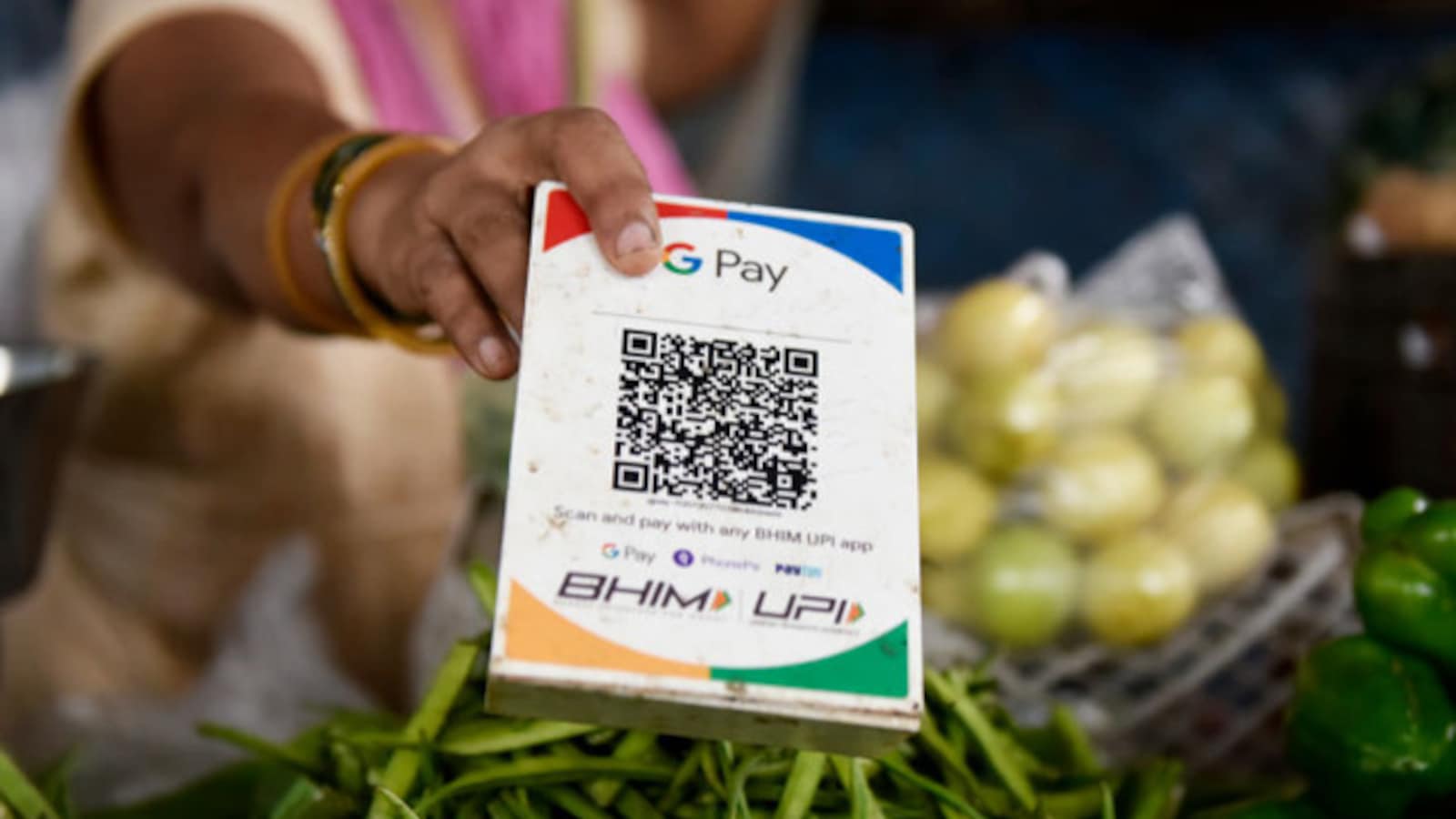
India's UPI Funding Debate Reopens Question of Transaction Charges

Lok Sabha passes bill allowing UPI merchant discount rate charges

UPI, RuPay payments may see merchant fees under new bill

UPI Accepted in 11 Countries, But Payments Vary
Axis Bank Adds Separate UPI Limits for Payment Categories

Credit Card Transactions Surge as Average Spending Falls in July

India Plans Agentic AI Payments Through Popular UPI Network

India’s Banking Summit Maps AI’s Responsible Financial Frontier