1 week ago
India's UPI Funding Debate Reopens Question of Transaction Charges
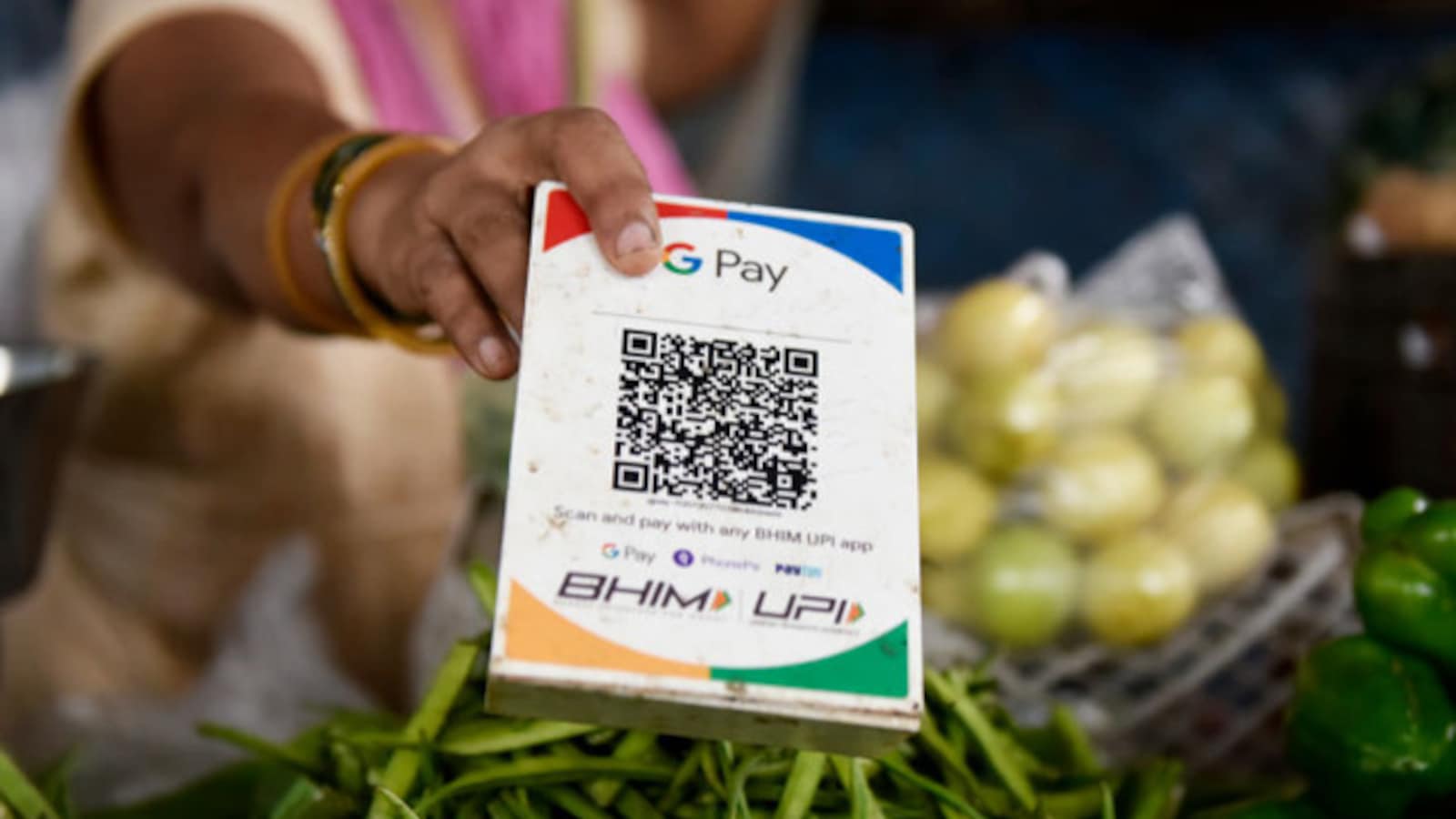
India’s UPI payment system lets people send money quickly, often without paying a fee.
Running this system safely costs a lot of money.
The government has usually helped pay for it through incentives to banks.
A new law removes an automatic rule that protected UPI from charges.
This does not charge people immediately, but it gives the government power to create charges later.
The Finance Minister said small everyday payments should stay free.
The article worries that this promise could change because it is not written directly into the law.
It suggests using government funding and fees from other financial products to protect small merchants and users.

Parliament passed a 2026 amendment removing UPI and RuPay debit’s automatic protection from charges.
The amendment allows the government to decide through notification whether payment modes can be charged.
Operating UPI and RuPay infrastructure may cost up to ₹20,000 crore annually, while transaction volumes continue to rise.
The Finance Minister said ordinary low-value payments would remain free, but those protections are not written into the Bill.
The article argues for stronger public or cross-subsidy funding instead of fees on small UPI payments.
- Who
- India’s Parliament, the government, banks, payment processors, the National Payments Corporation of India, and UPI users are involved.
- What
- A law amended Section 10A of the Payment and Settlement Systems Act, 2007, removing UPI and RuPay debit’s automatic protection from charges.
- Where
- The legislative action took place in India’s Parliament and concerns the country’s UPI payment network.
- When
- The Lok Sabha passed the Bill on August 6, 2026, and the Rajya Sabha returned it after discussion on August 10, 2026.
- Why
- The change was made amid concerns about the rising cost of operating, securing, and expanding UPI and RuPay infrastructure.
Keep Small UPI Payments Free
Charge or Rework Funding to Sustain UPI
Who should bear the cost?
Keep Small UPI Payments Free
The article argues that government funding, such as a portion of the Reserve Bank of India’s surplus, could support UPI without burdening ordinary users or small merchants.
Charge or Rework Funding to Sustain UPI
Supporters of charging point to the large and growing costs of infrastructure, fraud prevention, security, artificial intelligence, and network expansion.
Should transaction fees be introduced?
Keep Small UPI Payments Free
Fees on small payments could push rickshaw drivers, roadside vendors, and other small merchants back toward cash, undermining UPI’s purpose.
Charge or Rework Funding to Sustain UPI
Banks and payment processors want durable revenue because existing government incentives have covered only a limited share of industry costs.
Are government assurances enough?
Keep Small UPI Payments Free
The Finance Minister has said low-value payments will remain free, but the article says this protection should be written into a statutory rule rather than left to executive notification.
Charge or Rework Funding to Sustain UPI
The amendment is presented as an enabling provision rather than an immediate charge, allowing the government to establish a limited, threshold-based merchant discount framework later.
Key facts
- Bill status
- The Taxation and Other Laws (Amendment) Bill, 2026, passed the Lok Sabha by voice vote and completed consideration in the Rajya Sabha; it goes to the President for assent.
- Legal change
- The amendment removes the automatic charge protection previously linked to UPI and RuPay debit under the Income-Tax Act.
- July 2026 UPI activity
- UPI recorded 2,366 crore transactions worth ₹29.9 lakh crore in July 2026.
- Estimated annual cost
- The cost of running UPI and RuPay debit infrastructure is estimated at as much as ₹20,000 crore per year.
- Government incentives
- Incentive payments reached ₹1,389 crore in 2021-22 and peaked at ₹3,631 crore in 2023-24.
- Recent budget allocation
- The 2026-27 budget set aside ₹2,000 crore for the incentive scheme.
- Small-payment concern
- Transactions above ₹2,000 account for about 4% of UPI volume but nearly two-thirds of its value.
Sources
Related news

UPI future financing requires thorough scrutiny after new fee law

UPI remains free for users, some merchants face nominal charges

Keep UPI Free by Funding It From Savings

UPI Remains Free for Users, Nominal Merchant Fee Possible: Govt

Fair Pricing Debate Grows As UPI Network Costs Rise

UPI Stays Free For Consumers And Small Merchants, PCI Says

Arunachal Congress Protests FIR Against Rahul Gandhi

Parliament Panel To Examine Fertiliser, Wood Panels And Medicines
Inside India's Parliament, Disruptions Raise Questions About Democratic Accountability

MP Ashok Mittal Calls for National Commission for Men

Amrita Pritam’s Two Delhis: A City Lived, Written, Erased