1 week ago
Trump’s 50% Canada Tariffs Take Effect After Talks Fail
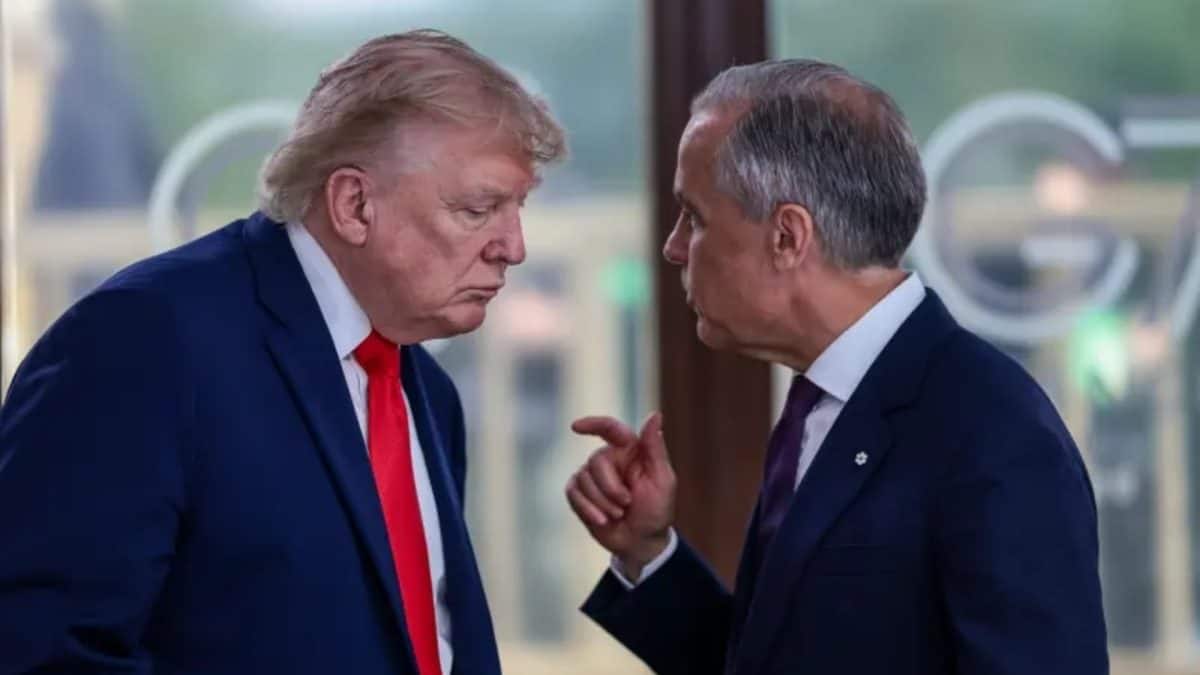
The United States and Canada were trying to make a trade agreement.
They did not reach an agreement before the deadline.
Because of this, the United States began charging 50% tariffs on some Canadian products.
A tariff is a fee added to goods brought into a country.
The affected products include wine, hockey sticks and cement.
Some important goods, such as energy, fish and critical minerals, will not face these tariffs.
The United States says Canada has unfairly responded to earlier US tariffs.
Canada wanted the United States to reduce tariffs on automobiles and other products.

US President Donald Trump’s 50% tariffs on about $20 billion of Canadian products took effect early Saturday.
Affected goods include wine, hockey sticks and cement, while energy, fish and critical minerals are exempt.
Last-minute negotiations failed after the United States and Canada disagreed over trade commitments and retaliatory measures.
US Trade Representative Jamieson Greer said Canada introduced new demands and withdrew from earlier commitments.
Canada sought lower US tariffs on automobiles and other goods, while the US pressed Canada to end retaliatory measures.
- Who
- The governments of the United States and Canada, led by President Donald Trump and Prime Minister Mark Carney, were involved.
- What
- The United States imposed 50% tariffs on about $20 billion of Canadian products after trade talks failed.
- Where
- The measures affect trade between the United States and Canada.
- When
- The tariffs took effect early Saturday after the deadline was moved from Wednesday.
- Why
- The United States said the tariffs respond to Canada’s retaliation and alleged discrimination against American products and businesses; Canada sought lower US tariffs and other trade concessions.
United States Position
Canadian Position
Reason for the tariffs
United States Position
The United States said the duties were intended to address Canada’s substantial retaliation and discrimination against American products and businesses.
Canadian Position
Canada’s stated negotiating position, as reported, focused on obtaining lower US tariffs on automobiles and other goods.
Retaliatory measures
United States Position
The Trump administration pressed Canada to end measures adopted in response to earlier US tariffs, including bans on US liquor and duties on US automobiles.
Canadian Position
Canada had adopted those retaliatory measures and sought broader changes to US tariffs during the negotiations.
Breakdown of talks
United States Position
US Trade Representative Jamieson Greer said Canada made new demands and walked back earlier commitments.
Canadian Position
Canada said negotiations were intense and delicate and that it was continuing to negotiate, but the two sides ultimately did not finalize a deal.
Key facts
- Tariff rate
- 50% on some Canadian products
- Estimated coverage
- About $20 billion worth of Canadian goods
- Affected products
- Wine, hockey sticks, cement and other goods
- Exemptions
- Energy, fish and critical minerals
- US position
- Canada should end retaliatory measures, including bans on US liquor and duties on US automobiles
- Canadian position
- The United States should lower tariffs on automobiles and other goods
- Negotiation status
- Last-minute talks failed to produce an agreement
Quotes

Jamieson Greer
US Trade Representative
“Tonight, Canada declined to finalise the trade deal under the terms agreed earlier this week, despite the US offer to Canada to receive the best treatment of any major exporter to our market.”
 firstpost.com
“The negotiations are very intense and delicate. This is not the time to talk about negotiations in public.”
firstpost.com
Sources
Related news
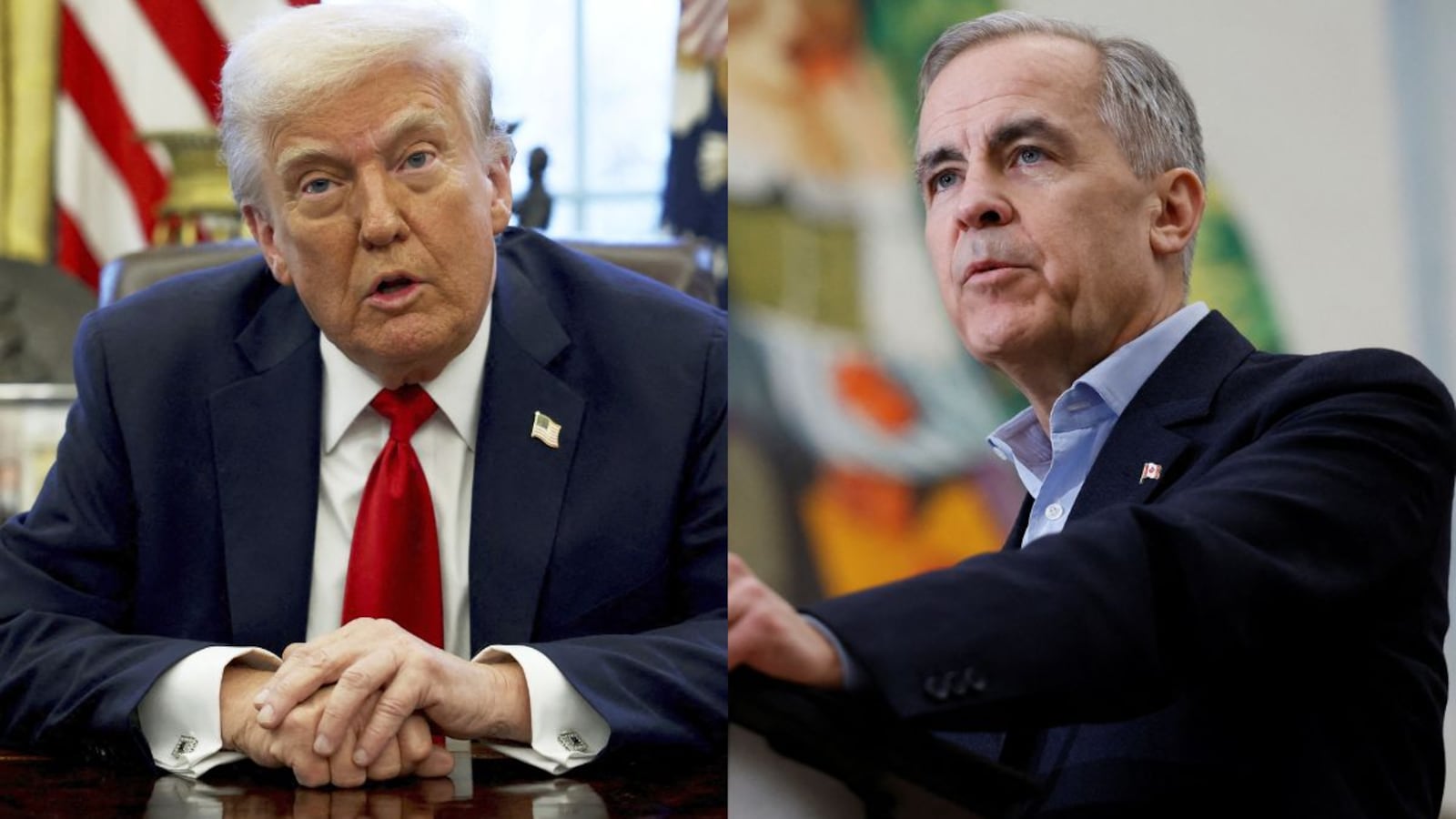
US Imposes 50% Tariffs on Canada After Talks Fail
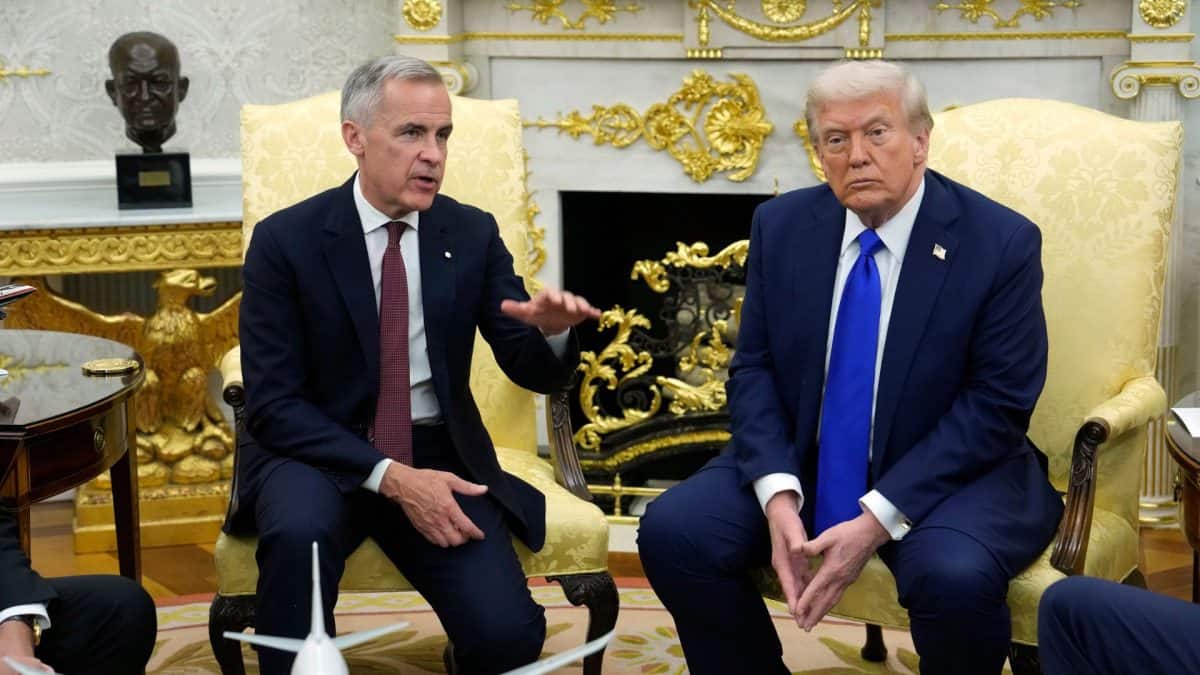
US-Canada Trade Talks Collapse as 50% Tariffs Take Effect

US-Canada Trade Talks Collapse as Tariffs Trigger Retaliation
Canada Announces Dollar-for-Dollar Tariffs After US Trade Talks Collapse
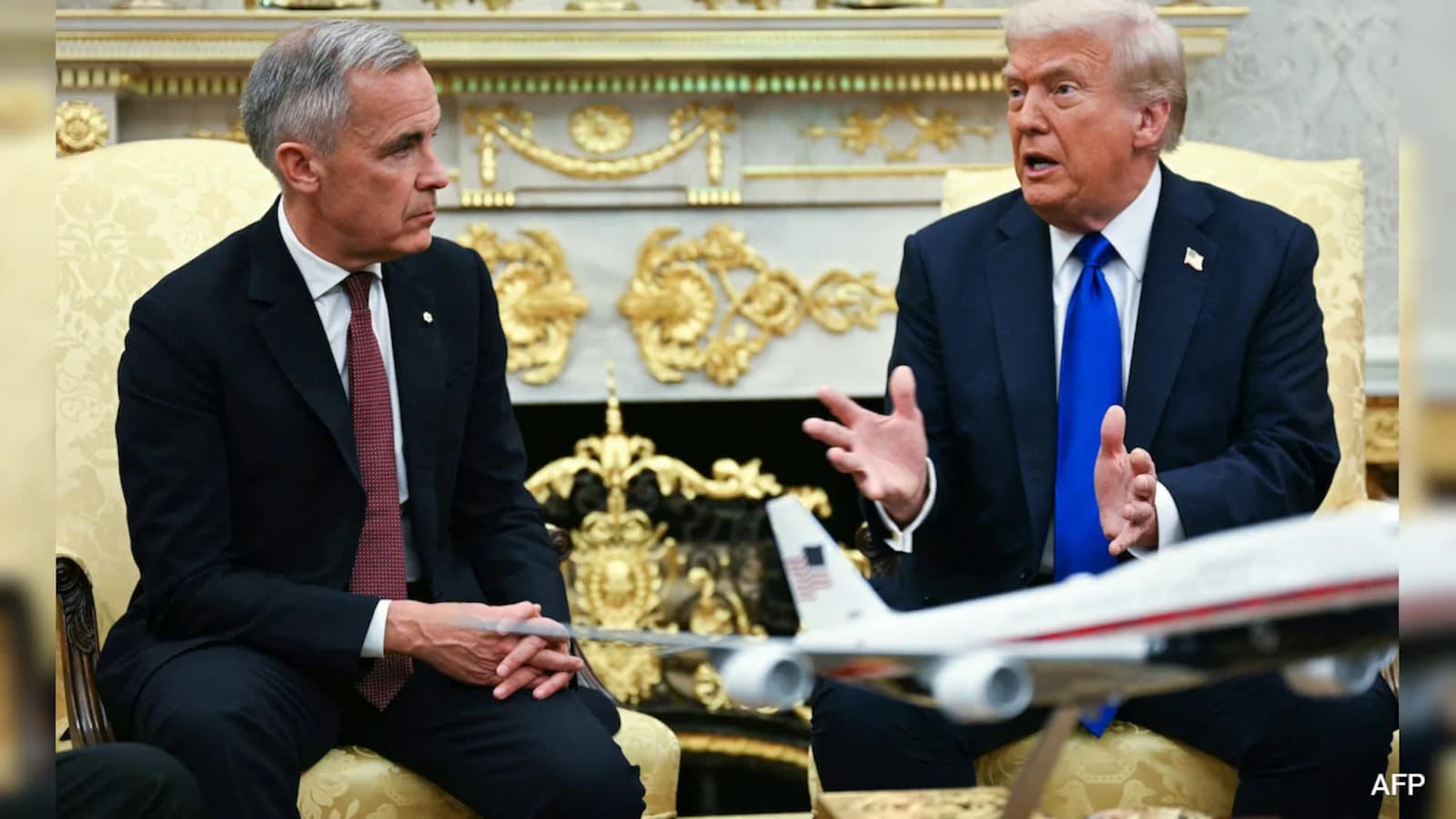
Trump, Canada Trade Tariffs Escalate After Talks Collapse
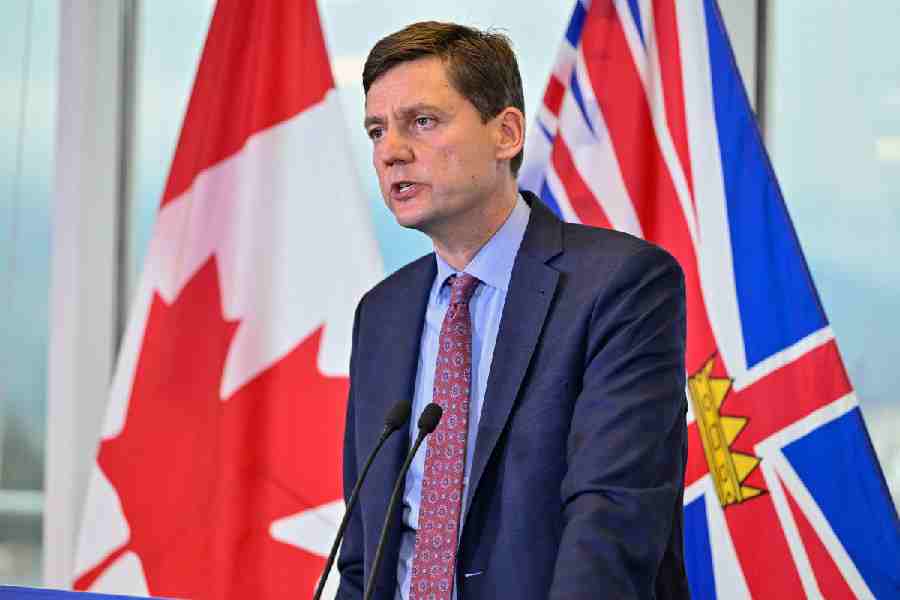
US-Canada Trade Deal Collapses Over Trucks, Culture and Tariffs

Carney Accuses US of Negotiation Chaos Amid Trade War
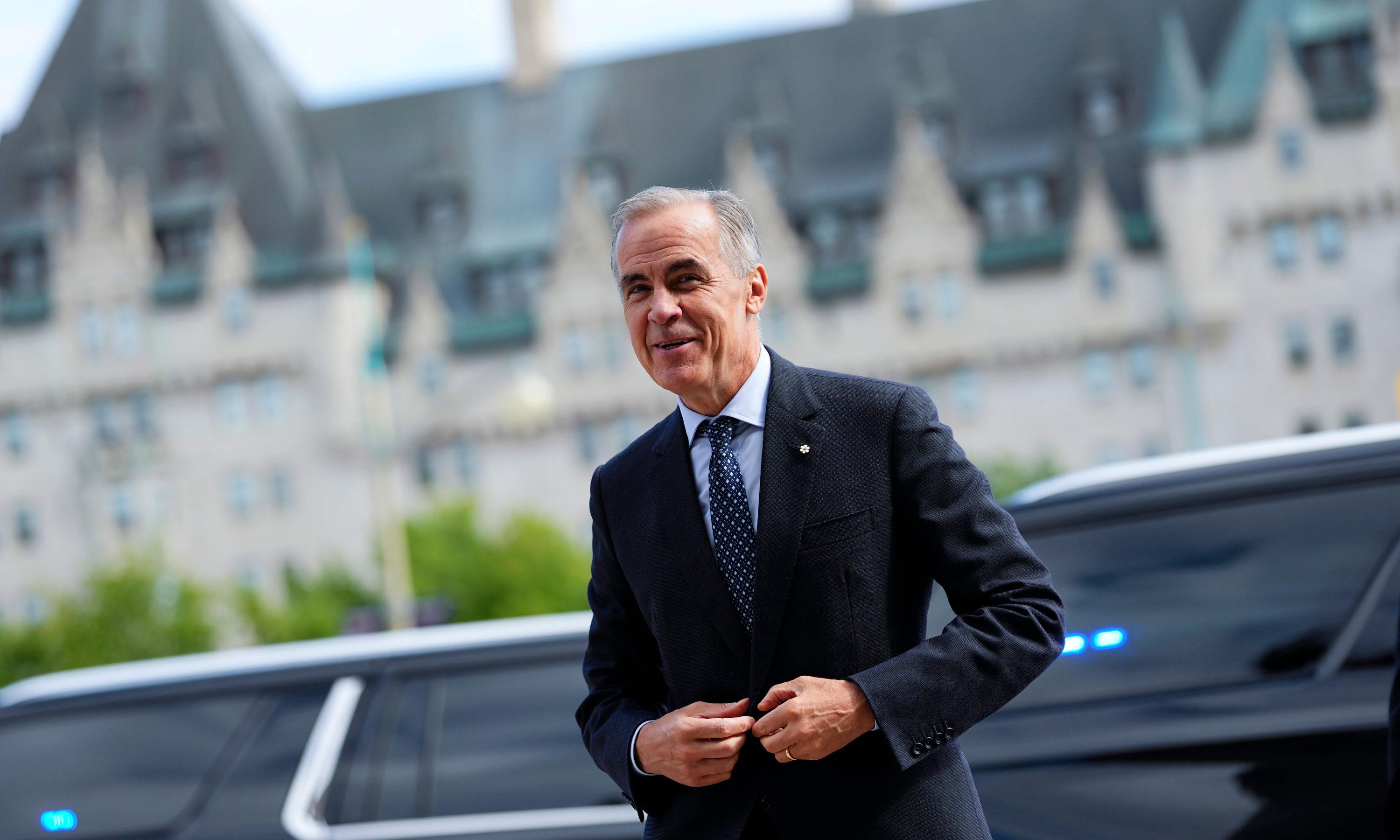
Carney Tells Trump to Stop Memes as Trade Fight Escalates
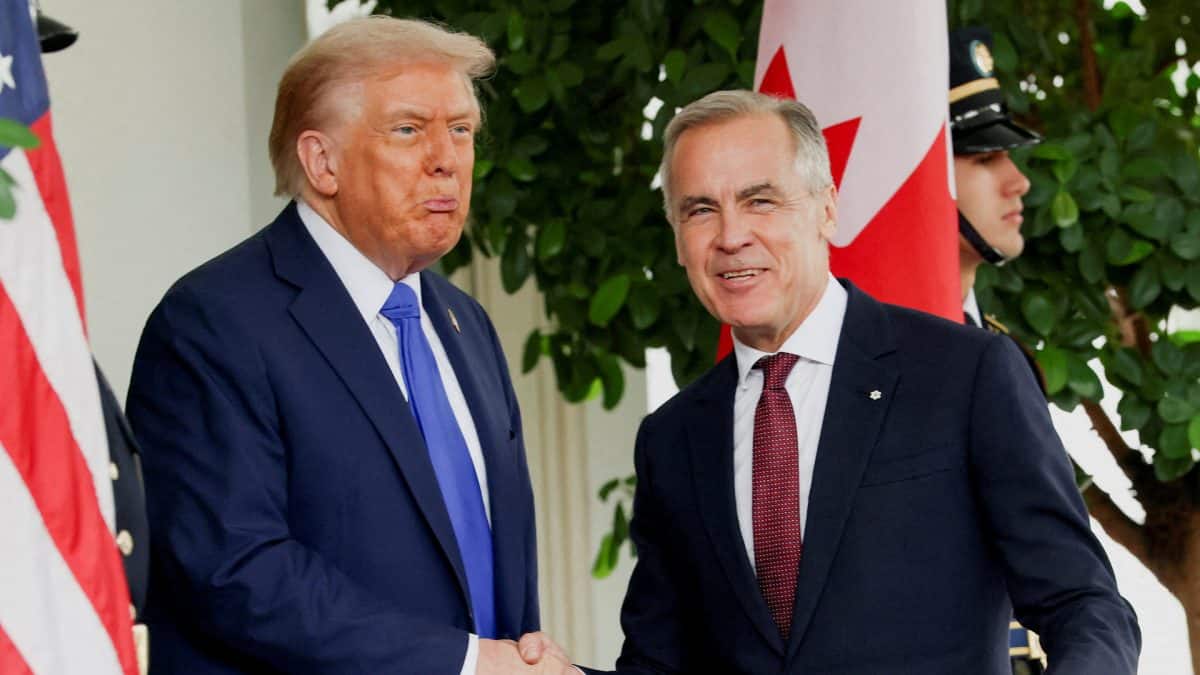
Trump’s Canada Tariff War Strains Deeply Integrated North American Trade
Canada Tariff Dispute Raises Wider Worry for New Delhi

UPSC Weekly Current Affairs: Environment, Diplomacy, Defence and Economy