

6 days ago
UP-Bihar Border Villages Alert After Nepal Flood Disaster

A very dangerous flood hit parts of Nepal and killed many people.
People in nearby villages in Uttar Pradesh and Bihar worried that the water might travel downstream.
They stayed awake and watched the water during the night.
By Thursday morning, the new floodwater had not reached the villages described in the reports.
However, rainwater had already covered roads and made travel difficult.
Some people had to walk through the water or use tractor-trolleys.
Officials told residents to move their belongings and animals to higher ground.
Rescue teams were ready in case the Gandak River rose.
The exact cause of Nepal’s flood was still being investigated.

Villagers in Kushinagar stayed awake overnight as authorities warned of possible downstream floodwaters from Nepal.
Floodwaters had not entered the reported villages by Thursday morning, and residents said water levels remained stable.
Heavy rain, overflowing drains and low-lying roads submerged routes linking Shivpur, Basantpur and Marchahwa.
The National Disaster Response Force placed 20 teams on alert, with 11 in Uttar Pradesh and nine in Bihar.
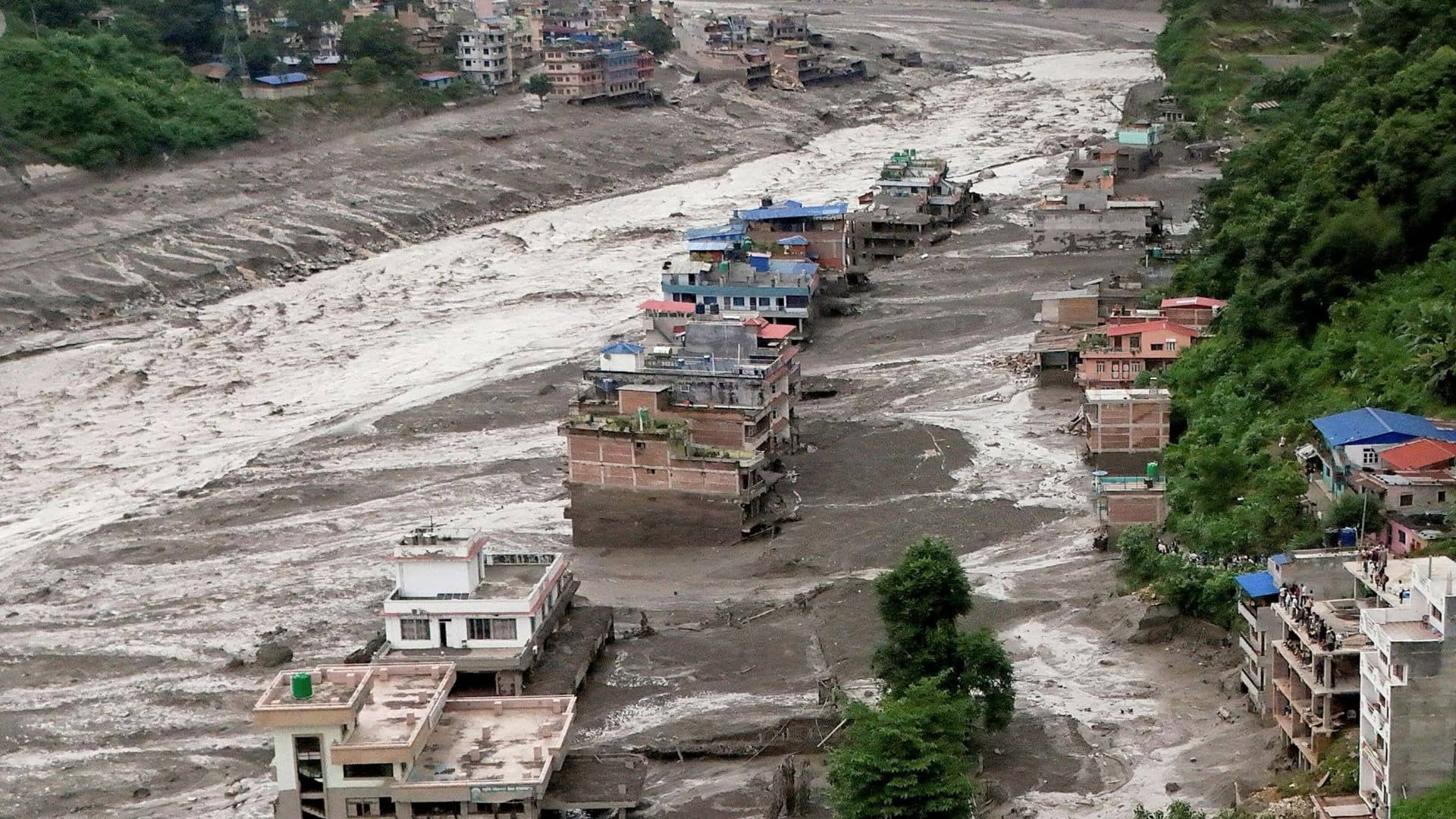
At least 157 people were reported killed and hundreds remained missing after Nepal’s sudden Bhote Koshi corridor flood.
- Who
- Residents of border villages in Kushinagar, Uttar Pradesh, and adjoining Bihar; Indian disaster-response and water authorities; and people affected in Nepal.
- What
- Villages were placed on alert after a deadly Nepal flood raised concerns about possible downstream flooding, while rainwater disrupted local roads.
- Where
- The flooding occurred in Nepal’s Bhote Koshi corridor, while the alert covered villages around Kushinagar and the Bihar-Uttar Pradesh border along the Gandak system.
- When
- The Nepal disaster occurred on Wednesday, and villagers reported stable conditions by Thursday morning after keeping watch overnight.
- Why
- Authorities feared that a flood wave from Nepal could move downstream through the river system, although no Nepal-origin floodwater had been reported in the described Kushinagar villages by Thursday morning.
Residents’ Current Assessment
Authorities’ Flood Precautions
Whether Nepal floodwater had reached Kushinagar
Residents’ Current Assessment
Residents said the water level was stagnant and that fresh floodwater from Nepal had not reached their villages by Thursday morning.
Authorities’ Flood Precautions
Authorities kept the area on alert because a possible flood wave could travel downstream through the Gandak system.
Cause of local waterlogging
Residents’ Current Assessment
Residents attributed the water on roads to heavy rain, overflowing drains, and a low-lying road and causeway.
Authorities’ Flood Precautions
The broader emergency preparations were prompted by concern over possible water released or moving downstream from Nepal.
Evacuation feasibility
Residents’ Current Assessment
Villagers said they lacked proper escape roads and questioned where families could go with their homes, belongings and livestock.
Authorities’ Flood Precautions
Local administrations used loudspeakers to advise people in vulnerable areas to move to higher ground.
Cause of Nepal’s disaster
Residents’ Current Assessment
Initial reports referred to suspected glacial lake outburst activity near the Nepal-China border.
Authorities’ Flood Precautions
Later accounts said an ice-and-rock avalanche blocked the Lhende Khola and that the exact cause remained under scientific assessment; available evidence did not establish a glacial lake failure.
Key facts
- NDRF deployment
- 20 teams were placed on alert: 11 in Uttar Pradesh and nine in Bihar.
- Local impact
- Waterlogging disrupted routes connecting Shivpur, Basantpur and Marchahwa.
- Current village conditions
- Residents said floodwater had not entered homes and water levels were stable by Thursday morning.
- Travel disruption
- Small vehicles were unable to use some routes; villagers walked through water or used tractor-trolleys.
- Warnings
- Loudspeaker announcements advised residents to move belongings and livestock to higher ground.
- River monitoring
- The Central Water Commission advised close monitoring of the Gandak River.
- Nepal casualties
- At least 157 people were reported killed, while hundreds remained missing.
Quotes
Durgawati Devi
A resident of Basantpur village
“We received information that the water has been released from Nepal. So far, I haven't heard anything directly from the administration about what they are saying. Moreover, no official has visited our village yet... As for any danger... floodwaters haven't arrived yet up to this point. The water that has accumulated here was because the causeway and road were constructed a bit too low. If the water level rises just a little more, boats will start operating. Then we will have to pay Rs 20, Rs 30,”
 thestatesman.com
 rediff.com
 m.rediff.com
 republicworld.com
“Some were saying that we should flee to higher ground along with our cattle and livestock. But if our house is in this waterlogged area, where else will we stay? We have to stay here in the water. We are still here. The administration made announcements yesterday.”
thestatesman.com
rediff.com
m.rediff.com
republicworld.com
Sources
Nepal flood scare kept UP-Bihar border villages awake; rainwater cuts Kushinagar roads as NDRF stays alert

Nepal flash floods: Villagers in Bihar-UP anxious after alert

We have to stay in the water: UP-Bihar-Nepal border villagers
UP-Bihar Border Villages on Alert Following Nepal Floods; Waterlogged Roads Disrupt Connectivity
Related news

Nepal Flash Flood Prompts High Alerts Across Bihar, Uttar Pradesh

Nepal Floods Spur High Alerts Across Uttar Pradesh
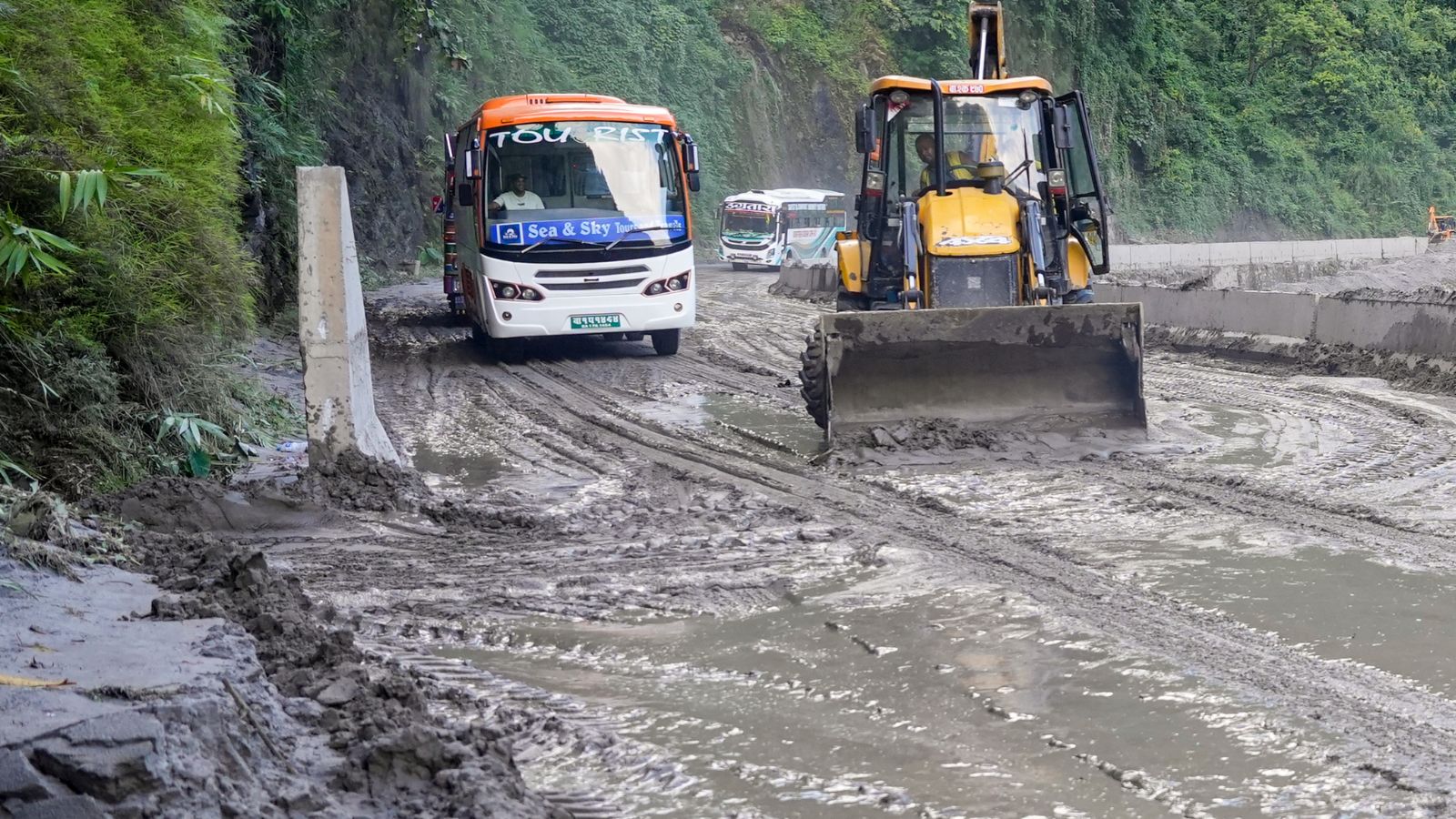
Uttar Pradesh Heightens Vigil After Nepal Flash Floods

NDRF Reports No Nepal Flood Impact in Bihar, Uttar Pradesh

Bihar Raises Alert After Nepal Floods Threaten Gandak Surge
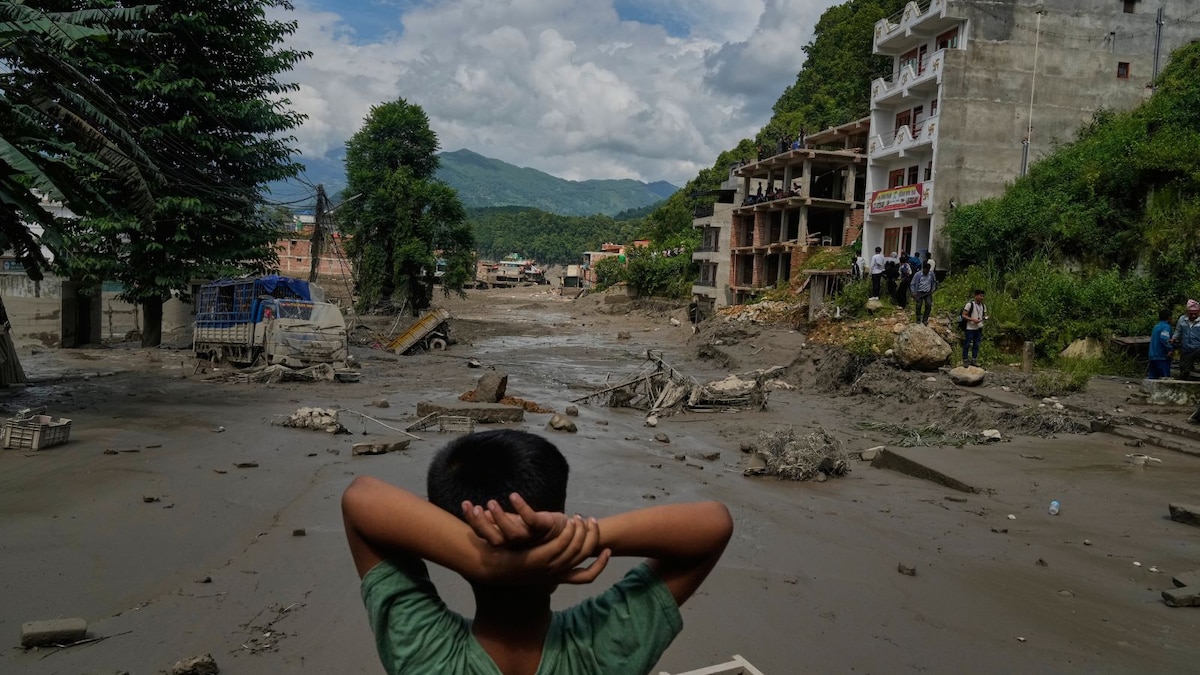
Nepal Flash Floods Kill At Least 160, Hundreds Missing
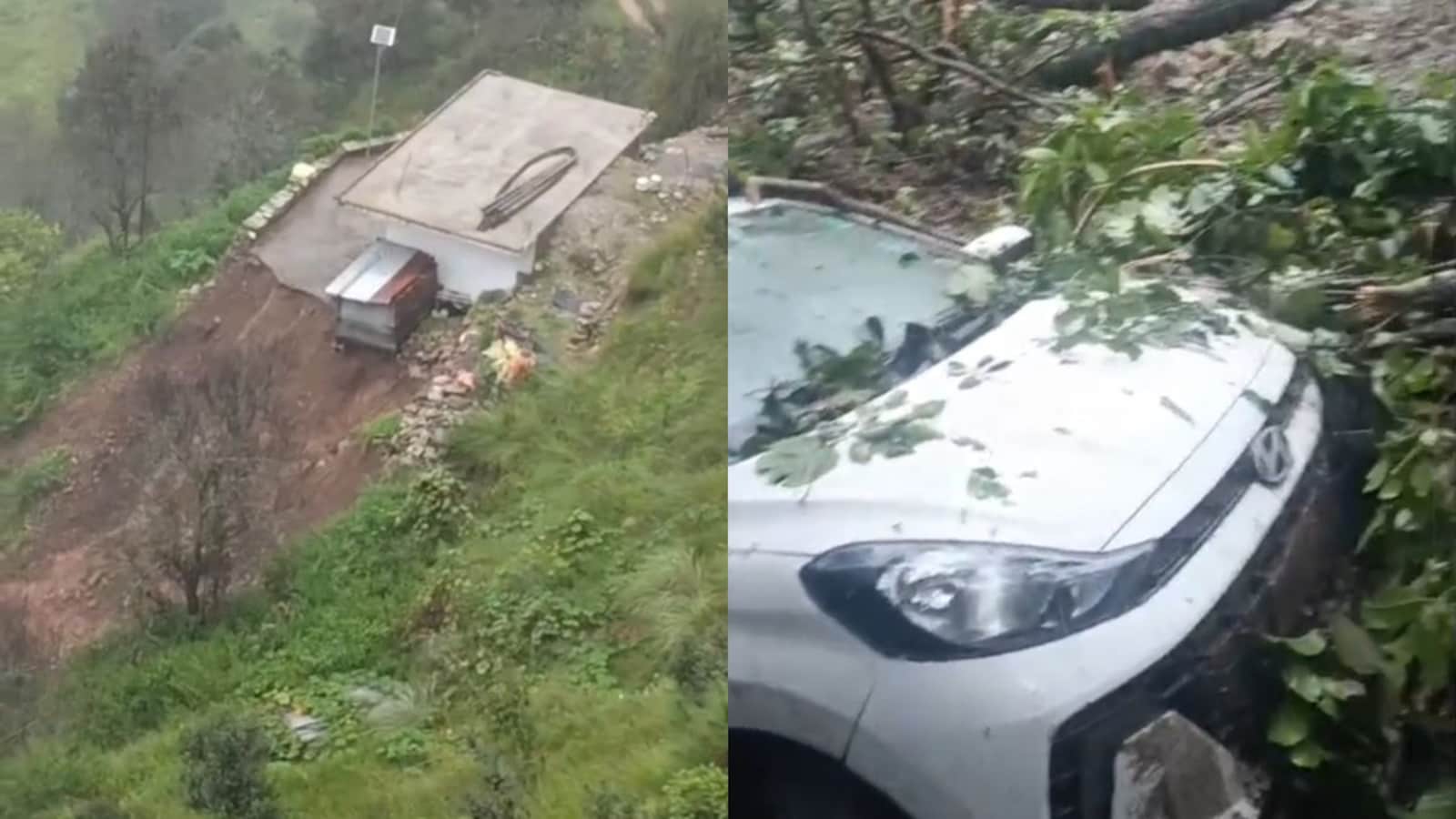
Landslides Threaten Nainital Homes as Uttarakhand Rain Continues

Flash Flood Devastates Nepal's Bhotekoshi River Region

Nepal Families Seek Missing Loved Ones After Deadly Flash Floods

Nepal Flood Death Toll Passes 1,200 Amid Ongoing Search

Nepal Flood Death Toll Tops 1,200 as Searches Continue