1 hr ago
Melting Permafrost, Not Earthquake, Triggered Jan Mayen Rockslide
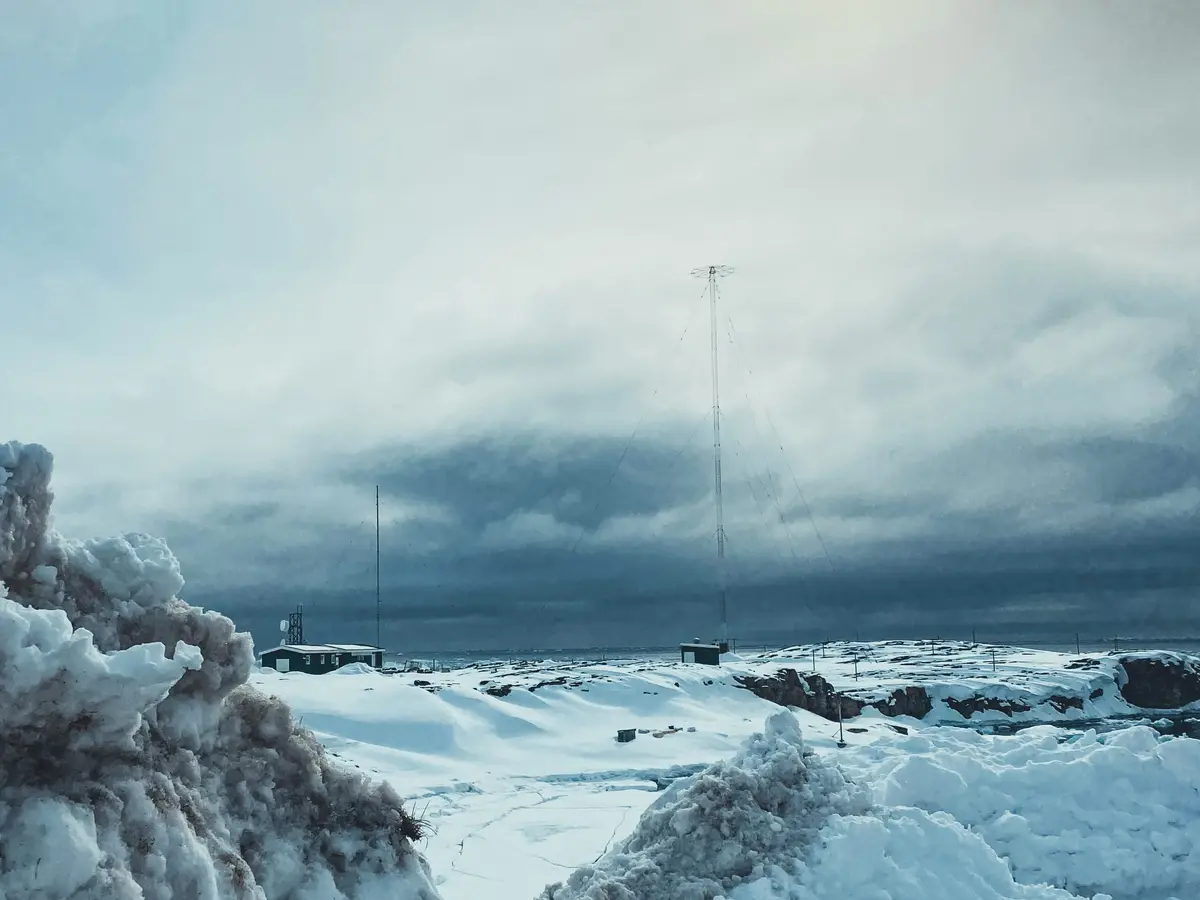
A huge rockslide happened on Jan Mayen Island in March 2025.
At first, scientists thought the earthquake alone caused it.
New research says the earthquake was only the final trigger.
The ground beneath the rocks had been held together by frozen ice called permafrost.
Warmer temperatures melted some of that frozen ground and made the slope unstable.
Then a magnitude 6.5 earthquake sent the weakened rocks tumbling.
The avalanche covered a large part of the Kjerulf Glacier with debris.
Scientists say warming could make similar dangerous events more likely in Arctic areas.

A March 2025 rock avalanche on Norway’s Jan Mayen Island buried much of the Kjerulf Glacier.
Researchers found that melting permafrost had weakened the slope before the event.
A magnitude 6.5 earthquake triggered the avalanche within three minutes of the main shock.
About 1.3 million cubic yards of debris covered 30 to 50 percent of the glacier’s surface.
Summer temperatures on Jan Mayen rose by about 1 degree Celsius from 1970 to 2025, while winter temperatures rose similarly.
- Who
- Researchers led by Guilherme WS de Melo studied the avalanche on Jan Mayen Island.
- What
- A magnitude 6.5 earthquake triggered a rock avalanche after melting permafrost had weakened the slope.
- Where
- On Jan Mayen Island in the Arctic Ocean, covering part of the Kjerulf Glacier.
- When
- The avalanche occurred in March 2025, within three minutes of the main earthquake shock.
- Why
- Rising temperatures degraded the permafrost that helped hold the rocks together, making the slope unstable.
Earthquake as Immediate Trigger
Permafrost Degradation as Underlying Cause
Cause of the avalanche
Earthquake as Immediate Trigger
The magnitude 6.5 earthquake directly triggered the rock avalanche, which occurred within three minutes of the main shock.
Permafrost Degradation as Underlying Cause
The earthquake struck a slope already weakened by melting permafrost, making climate-driven degradation a key underlying cause.
Significance of the event
Earthquake as Immediate Trigger
Jan Mayen lies near the seismically active Jan Mayen Ocean Transform Fault, so earthquakes can destabilize its slopes.
Permafrost Degradation as Underlying Cause
Satellite observations from the previous 40 years had not recorded an earthquake causing an avalanche of this scale, suggesting the slope’s condition had changed.
Key facts
- Location
- Jan Mayen Island, a Norwegian volcanic island in the Arctic Ocean
- Event
- Rock avalanche covering part of the Kjerulf Glacier
- Immediate trigger
- A magnitude 6.5 earthquake
- Underlying factor
- Permafrost degradation linked to rising temperatures
- Debris volume
- About 1.3 million cubic yards
- Glacier coverage
- Approximately 30 to 50 percent of the Kjerulf Glacier’s surface
- Temperature change
- Average summer temperatures rose from 2°C to 3°C and winter temperatures from -7°C to -6°C between 1970 and 2025
Quotes
Guilherme WS de Melo
Lead author of the study on the Jan Mayen rock avalanche
“There, the immediate trigger was a glacier/ice-rock collapse; in the event we studied on Jan Mayen, it was an earthquake. In the broader context, however, both events highlight how a warming climate can make glacial areas increasingly vulnerable to cascading hazards.”
 wionews.com
Sources
Related news
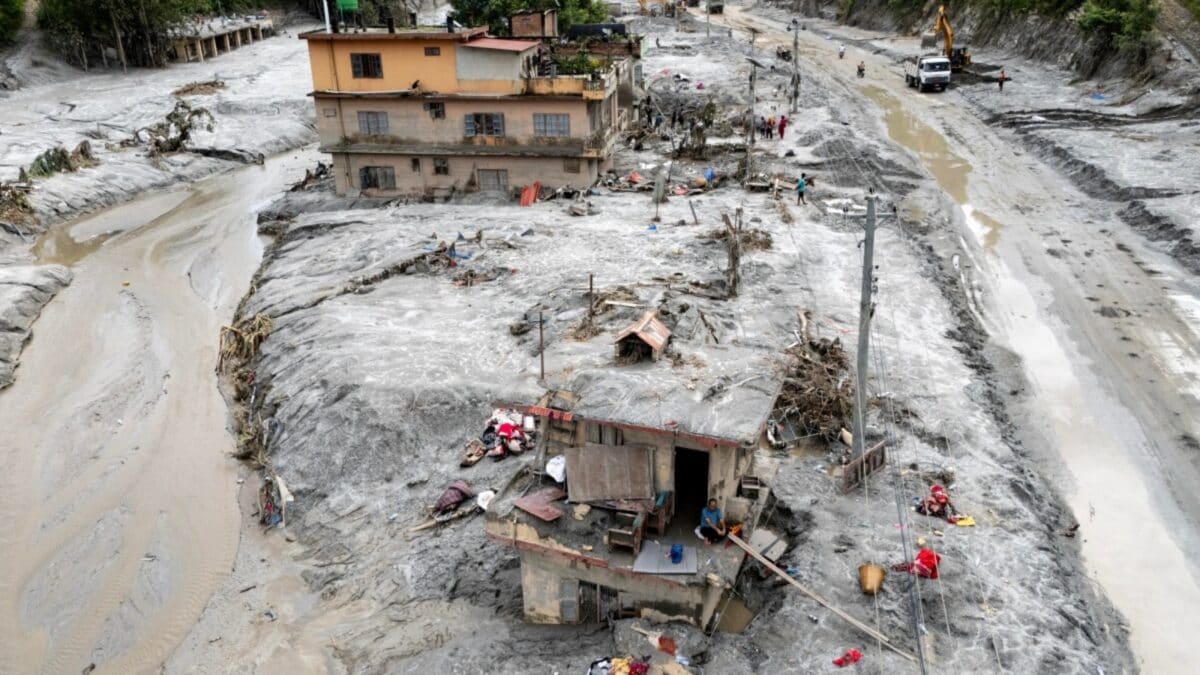
Why Nepal’s Deadly Floods Were So Difficult To Predict

Satellite Images Reveal Glacier-Linked Collapse Behind Nepal-China Floods
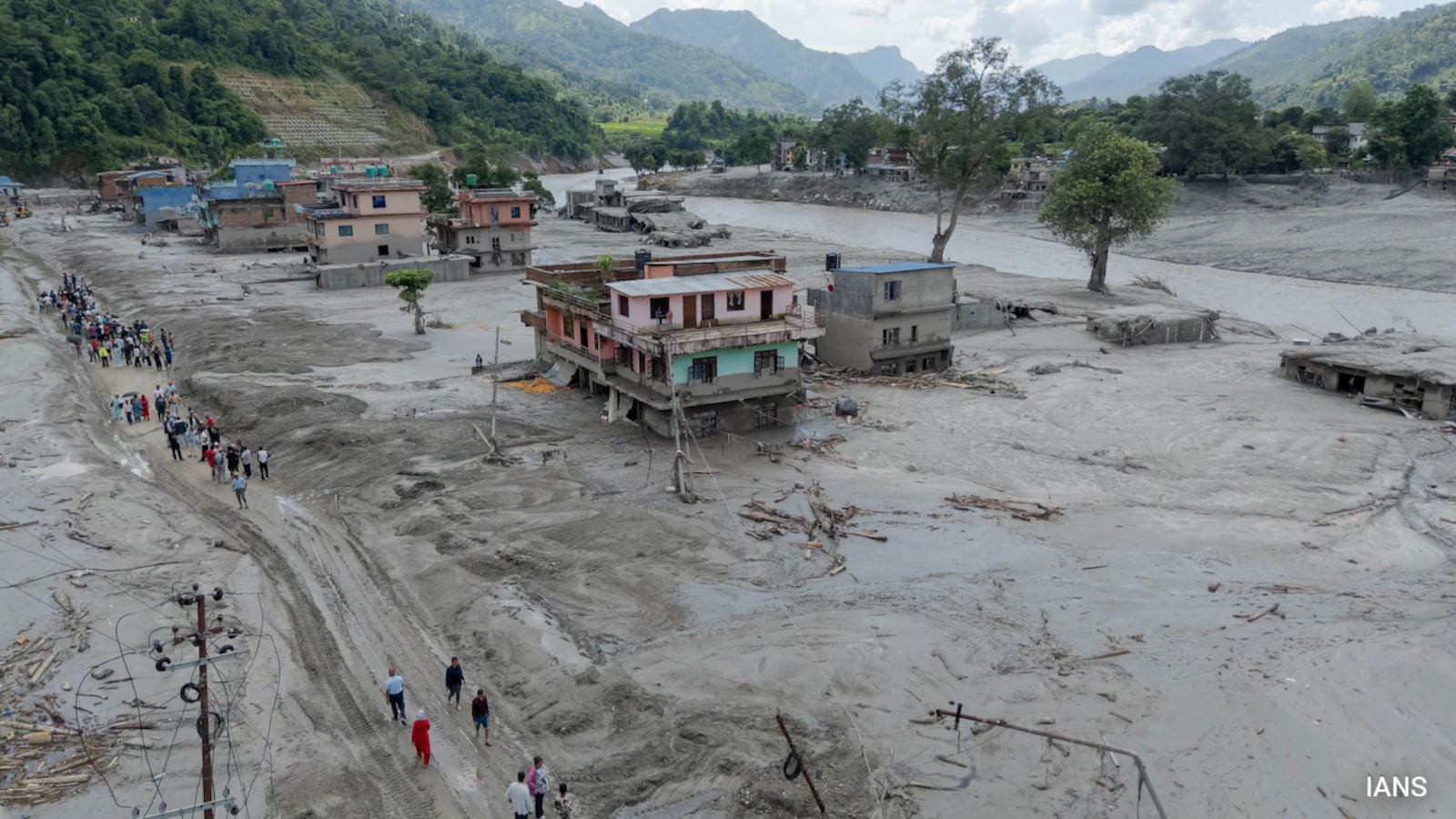
Nepal Glacier Collapse Raises Questions About Emerging Climate Risks
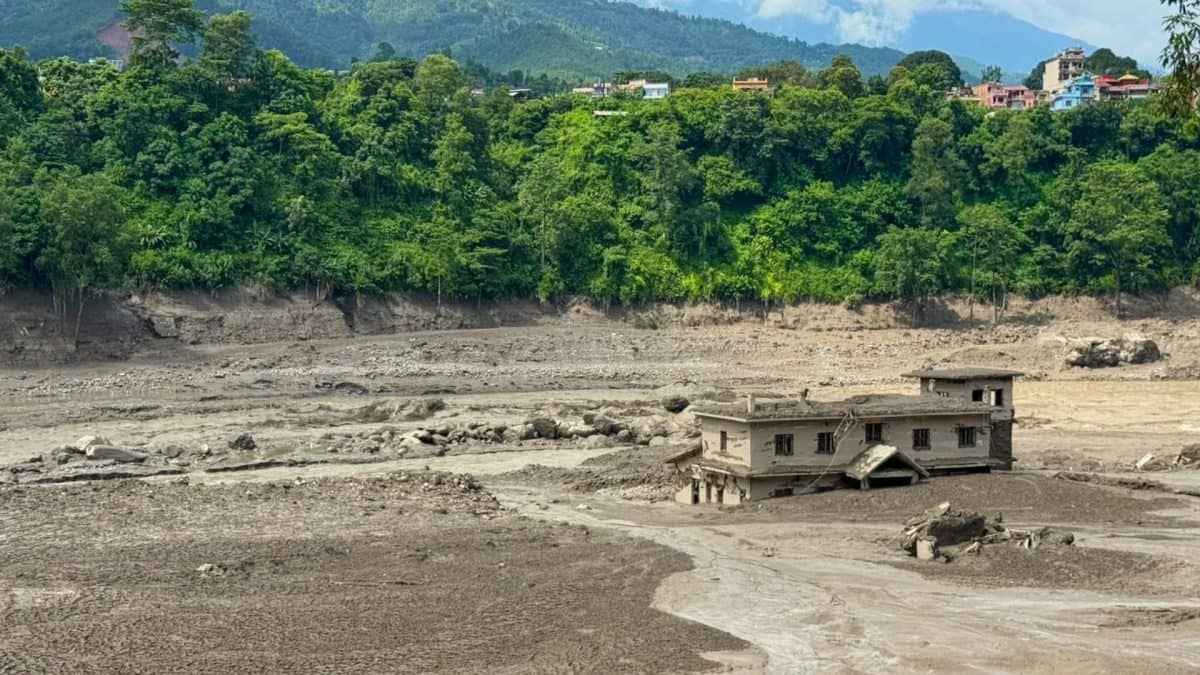
Nepal Disaster Highlights Growing Complexity of Himalayan Hazards
Nepal Tragedy Highlights Climate Change’s Growing Warning Signs

China-Bound Cargo Ship Sinks Off Odisha, 24 Missing

Narwhal Tusk’s Opposing Spirals Reveal Secrets of Stability

Norway's Whale-Shaped Arctic Attraction Set to Open in 2027