1 hr ago
Swiss Voters Reject Stricter Constitutional Definition of Neutrality
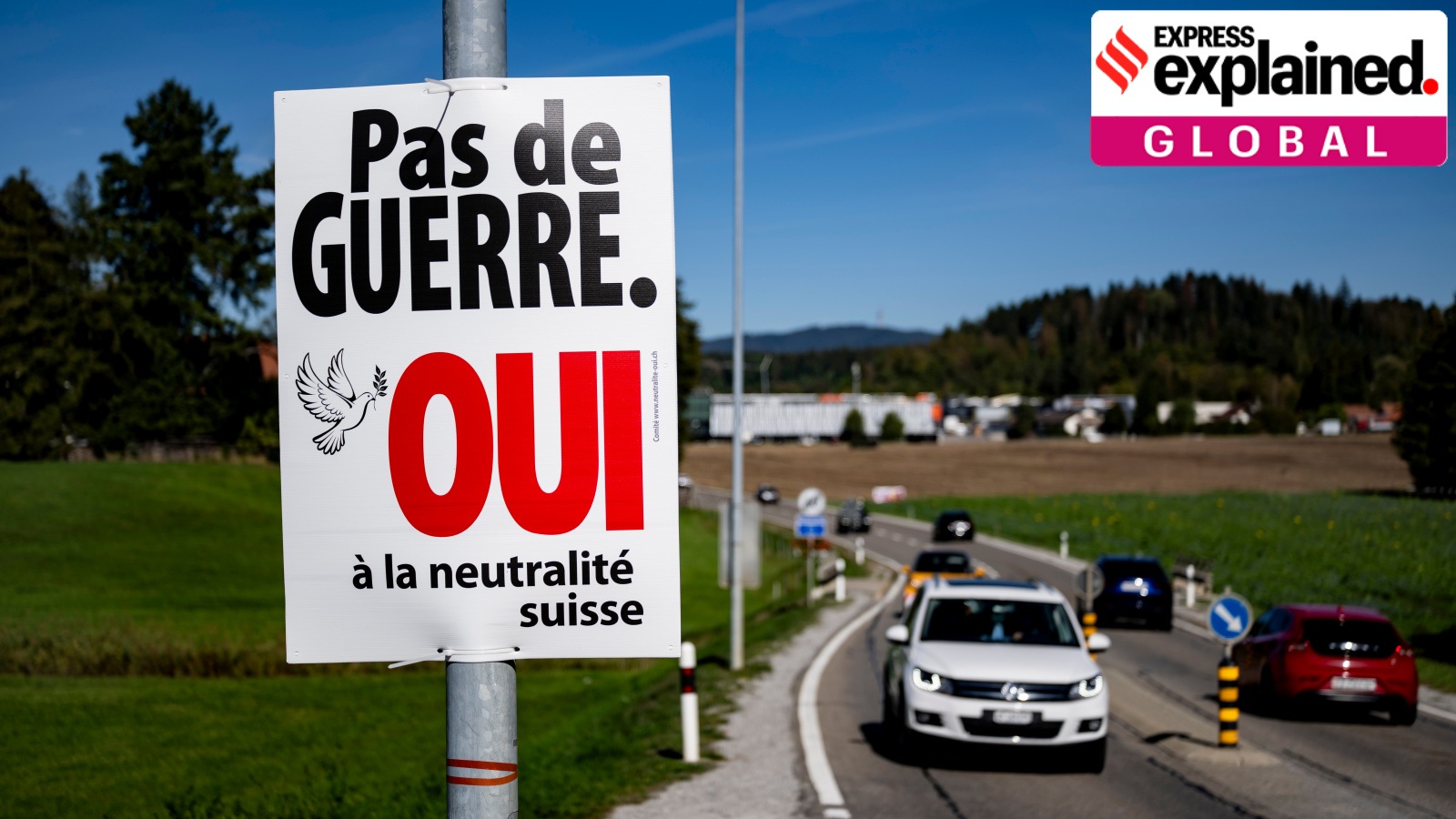
Switzerland held a vote about how strictly it should follow its policy of neutrality.
Most voters rejected a plan to put stricter neutrality rules into the Constitution.
The plan would have called neutrality “perpetual and armed.”
It also would have limited military cooperation with other countries.
Switzerland generally would not have been allowed to impose sanctions during wars unless the United Nations approved them.
The government said these rules could make it harder to respond to future crises.
Supporters said the plan would protect Switzerland’s traditional neutrality.
The vote does not mean Switzerland has stopped being neutral.
It means the government can continue adjusting its policies as world events change.

Swiss voters rejected the Neutrality Initiative by 70.15% to 29.85% with 47.06% turnout.
All 26 cantons voted against adding a stricter neutrality provision to the Federal Constitution.
The proposal would have defined Swiss neutrality as “perpetual and armed” and limited military cooperation.
It would generally have barred sanctions against belligerent states, except those authorized by the United Nations.
The rejection preserves Switzerland’s ability to adapt its neutrality, including cooperation and sanctions policies.
- Who
- Swiss voters, the Federal Council, Parliament, and supporters of the Neutrality Initiative.
- What
- Voters rejected a proposal to impose a stricter constitutional definition of Swiss neutrality.
- Where
- Switzerland, across all 26 cantons.
- When
- September 27, a Sunday; the article does not specify the year.
- Why
- The initiative sought to prevent military cooperation and most sanctions against belligerent states, while the government argued that such rules would make neutrality less flexible.
Government and Parliament
Neutrality Initiative Supporters
Constitutional flexibility
Government and Parliament
A rigid constitutional definition could prevent Switzerland from adapting its neutrality to changing international circumstances.
Neutrality Initiative Supporters
Stricter constitutional rules were needed to protect a more traditional and consistently applied form of Swiss neutrality.
Sanctions against belligerents
Government and Parliament
Sanctions can respond to violations of international law and should remain available; the government considered adopting European Union sanctions against Russia compatible with neutrality.
Neutrality Initiative Supporters
Neutral Switzerland should generally not impose sanctions on belligerent states unless they are authorized by the United Nations.
Military and security cooperation
Government and Parliament
Switzerland may need to cooperate with other countries before a crisis or attack, so broad restrictions could weaken its security options.
Neutrality Initiative Supporters
Military or defence cooperation should be restricted unless Switzerland is under attack or an attack is being prepared.
Key facts
- Result
- 70.15% of voters rejected the initiative.
- Turnout
- National referendum turnout was 47.06%.
- Cantonal vote
- All 26 cantons rejected the proposal.
- Proposed neutrality
- The initiative would have defined Swiss neutrality as “perpetual and armed.”
- Sanctions
- Sanctions against belligerent states would generally have been barred, except those decided by the United Nations and measures against sanctions evasion.
- Existing policy
- Switzerland adopted European Union sanctions against Russia after its full-scale invasion of Ukraine in February 2022.
- Security cooperation
- Switzerland is not a member of the North Atlantic Treaty Organization but has participated in its Partnership for Peace programme since 1996.
Sources
Related news

Swiss Committee Backs Softer UBS Capital Plan Using AT1 Debt

UBS Chief Warns Harsh Capital Rules Could Hurt Switzerland Vote
Why Switzerland Keeps Rates at Zero Despite Rising Inflation Risks
Japan Urges UN to Remove World War II Enemy-State Clauses
SCO Members Condemn Strikes on Iran, Warn of Wider Risks
BRICS Declaration Criticizes Sanctions, Names Israel, Preserves India’s Balancing Act
Japan’s Defence Buildup Seen as Manageable Despite Fiscal Investor Concerns
UN General Assembly Session Draws Talk, Little Concrete Action
Putin Rejects European Fears of Possible Russian Attack
Putin Weighs Ukraine Talks, Rules Out Conflict With Europe