

5 hrs ago
Russia’s Hybrid War Tests NATO’s Limits Across Europe
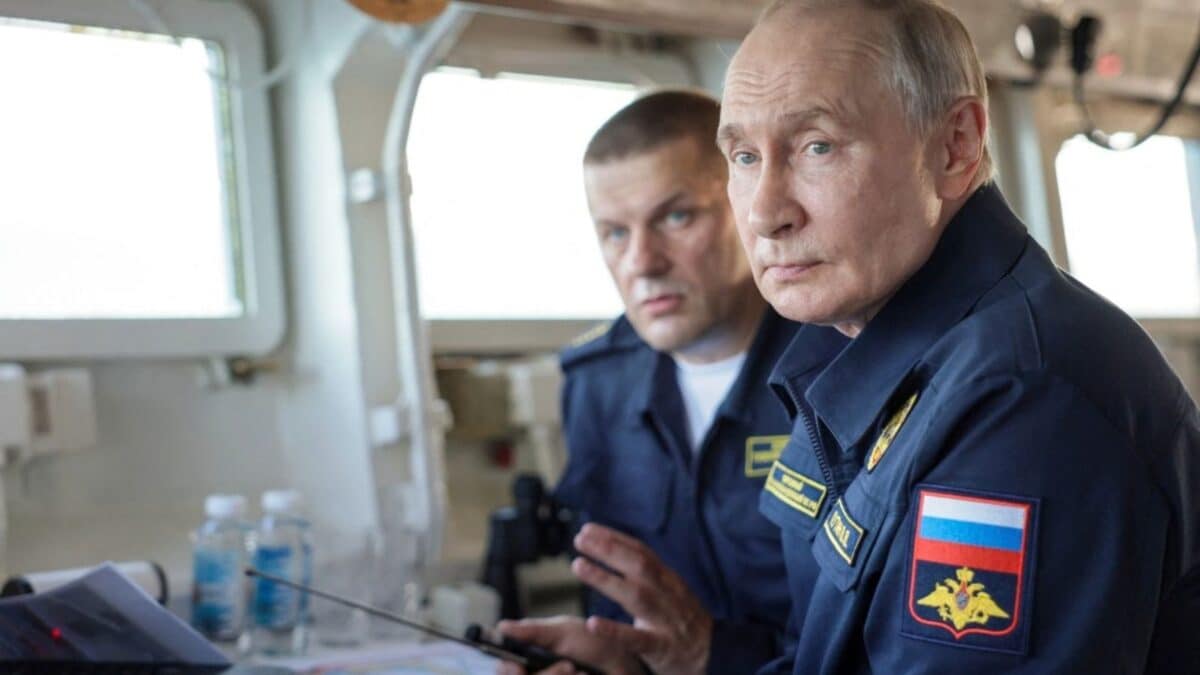
European countries say Russia may be using many different tricks instead of openly attacking them.
These tricks can include computer attacks, fires, drones, spying, sabotage and false information.
This kind of activity is called hybrid warfare.
It is difficult to prove who ordered an attack, which makes it harder for countries to decide how to respond.
European officials believe some actions are meant to frighten countries and reduce their support for Ukraine.
They also worry that Russia is testing how much pressure NATO will accept.
NATO members could respond together if one of them suffered a clear military attack.
Some officials, however, believe Russia is too busy in Ukraine or lacks the ability to directly challenge NATO.

European governments are confronting suspected Russian sabotage, cyberattacks, drone activity, arson and infrastructure disruptions.
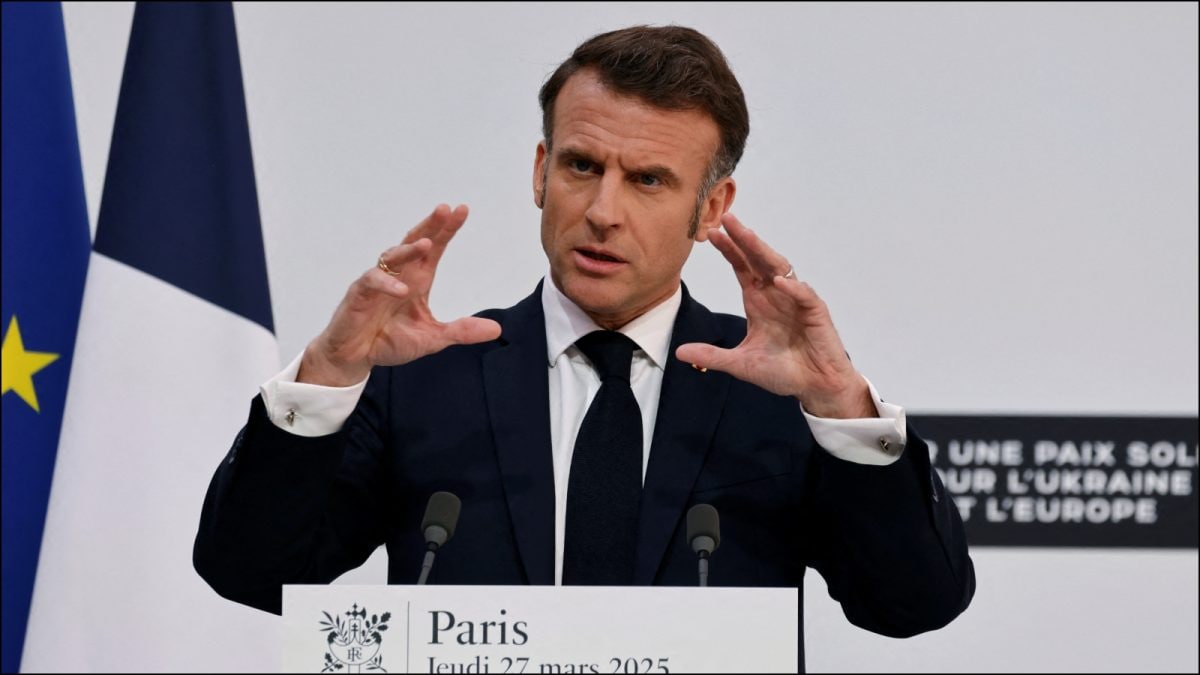
French President Emmanuel Macron ordered plans to protect critical infrastructure and defense-industry sites from hybrid attacks.
Officials report repeated airspace incidents, including drone incursions near Poland and more than 100 drone-related incidents recorded by Romania.
The Institute for the Study of War says Moscow aims to weaken NATO, reduce U.S. influence, restore regional influence and protect Vladimir Putin’s rule.
Analysts disagree over whether Russia is deliberately testing NATO or lacks the capability and intention to expand the Ukraine war.
- Who
- Russia, European governments, NATO members and officials including Emmanuel Macron, Kaja Kallas and Vladimir Putin.
- What
- Suspected Russian hybrid operations—including sabotage, cyberattacks, drone activity, arson, airspace violations and influence operations—are increasing concern across Europe.
- Where
- Across Europe, including areas near Poland, Romania, France, Italy, Estonia, Germany, Lithuania and the Mediterranean.
- When
- The report was published on September 25, 2026; a cited drone incident near the Ukraine-Poland border occurred on September 14.
- Why
- According to the Institute for the Study of War, the campaigns support Russia’s war in Ukraine, seek to weaken NATO and U.S. influence, restore Russian influence in former Soviet states and protect Putin’s rule.
Escalation and NATO Testing
Limited Capability and Avoided Confrontation
Russia’s strategic intent
Escalation and NATO Testing
European officials and the Institute for the Study of War say Russia is using deniable operations to intimidate Europe, weaken NATO and undermine support for Ukraine.
Limited Capability and Avoided Confrontation
Some European officials are skeptical that Vladimir Putin wants to expand the war because Russia is already bogged down in Ukraine and lacks the capabilities to challenge NATO.
Risk of wider conflict
Escalation and NATO Testing
Analysts warn that a larger provocation in Eastern Europe or a miscalculated incident could test NATO’s unity and trigger a stronger response.
Limited Capability and Avoided Confrontation
Russia may deliberately keep operations below the threshold of an open attack because a direct assault on a NATO member would carry enormous risks.
How Europe should respond
Escalation and NATO Testing
Kaja Kallas and other officials support tougher pressure on Moscow, stronger defenses against drones and sanctions targeting Russia’s shadow fleet and military-industrial complex.
Limited Capability and Avoided Confrontation
The ambiguity and often limited or nonlethal nature of hybrid incidents can lead governments to treat them as manageable disruptions rather than grounds for major escalation.
Key facts
- Reported incident
- A Russian drone reportedly hit a passenger train near the Ukraine-Poland border on September 14.
- Romanian incidents
- Romania reported more than 100 incursions involving drones or drone fragments.
- Polish airspace
- Poland said a Russian Mi-8 military helicopter briefly entered its airspace from Kaliningrad.
- Potential drone threat
- A reported Central Intelligence Agency warning said drones could potentially target Spain, France or Italy after being launched from merchant ships in the Mediterranean.
- French response
- Emmanuel Macron ordered a plan to protect critical infrastructure and defense-industry sites.
- Possible escalation
- European intelligence officials warned that Russian activity could intensify in the coming months.
Quotes

Emmanuel Macron
President of France
“The intent is to intimidate us and break our effort to support Ukraine. The result will be the exact opposite. We are not intimidated because we know that our security today and tomorrow is at stake in Ukraine”
 news18.com
“Europe faces a fast proliferation of sabotage attacks and airspace violations”
news18.com
Sources
Related news

Europe Warns of Russian Sabotage, Rejects Imminent NATO Attack
Europe Raises Hybrid Threat Alarm as NATO Rejects Imminent Attack
Macron Warns Europe of Intensifying Russian Hybrid Threat
Europe Confronts Russia’s Alleged Hybrid Warfare and NATO Strains
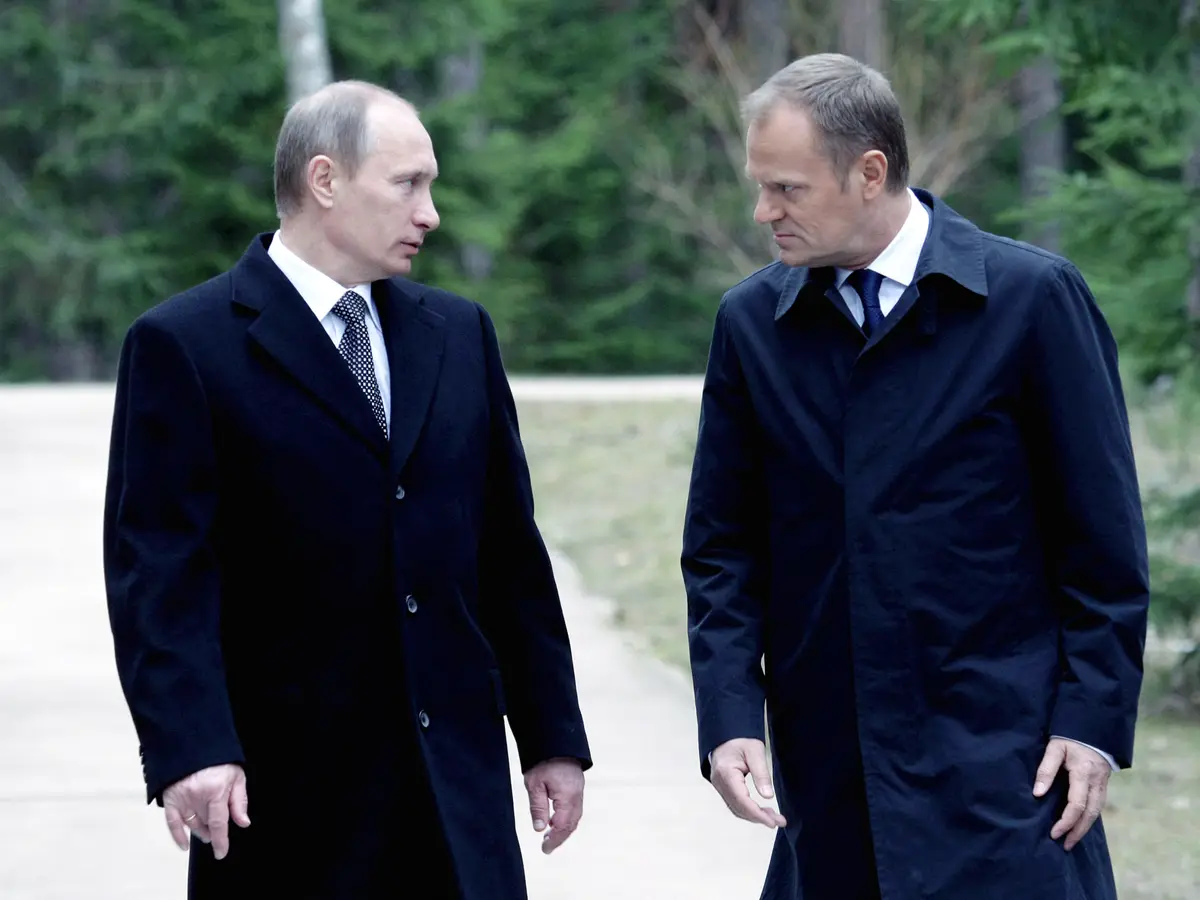
Polish PM Warns Russia May Stage ‘Accidental’ Strikes on NATO
Fico Warns West Seeks Russia-NATO War Escalation

Europe Rolls Out Relief Plans As Wars Raise Energy Costs

Gujarat Has Potential to Lead India’s Renewable Hydrogen Production

Mafalda Finally Breaks Through In English After 62 Years

Suzlon Targets India’s 30 GW Wind Repowering Opportunity
