2 hrs ago
Japan Urges UN to Remove World War II Enemy-State Clauses
After World War II, the United Nations wrote special rules about countries that had lost the war, including Japan.
These countries were called “enemy states.”
The rules allowed the victorious countries to take certain actions against them without asking the UN Security Council first.
The references appear in three parts of the UN Charter.
Japan says these rules are outdated because they were written in 1945.
Japan also wants broader changes to the Security Council so it better represents the world today.
China and Russia have used the old language when criticizing Japan’s military plans.
The United Nations has previously agreed that the references are obsolete, but they have not yet been removed.

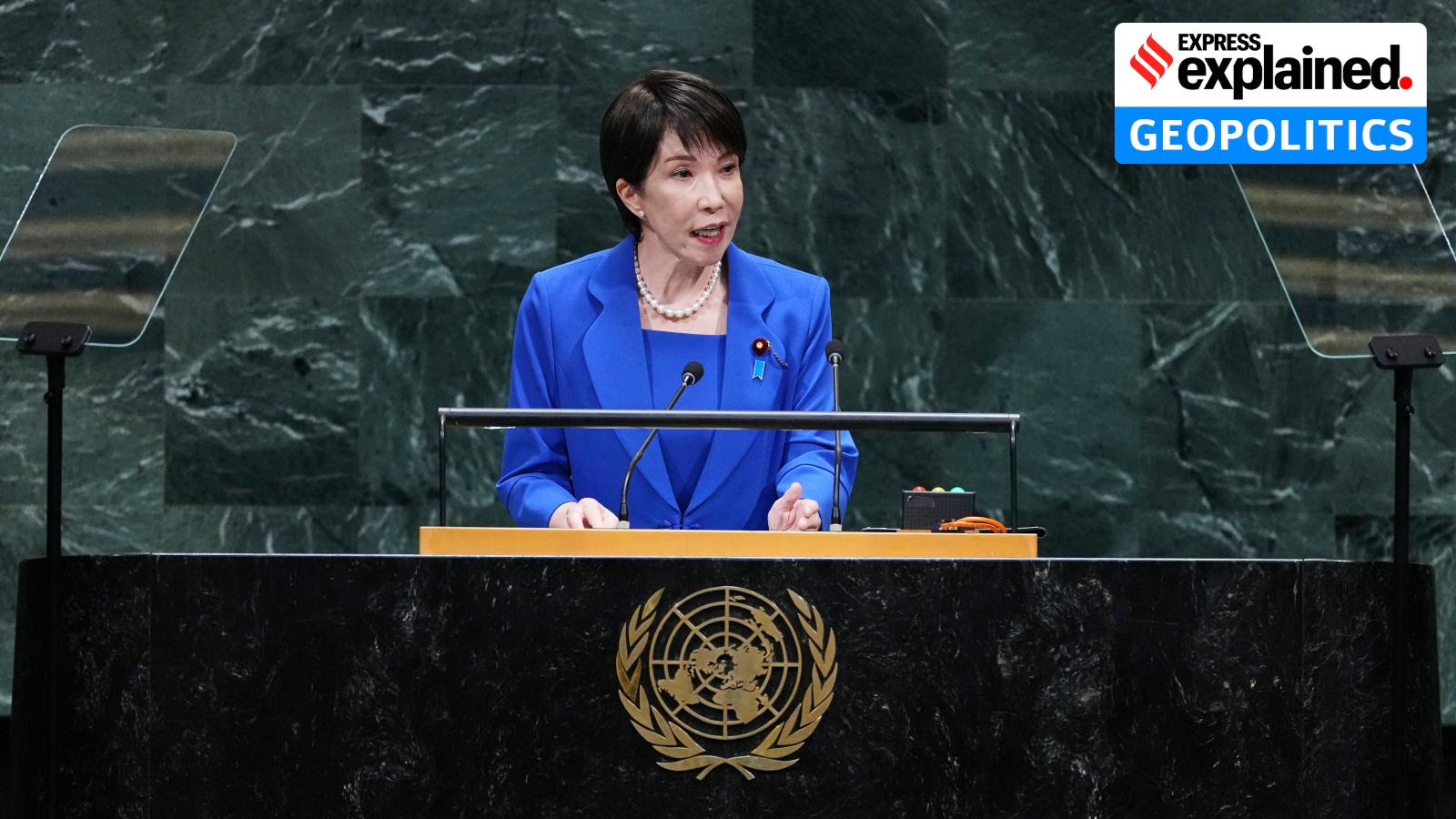
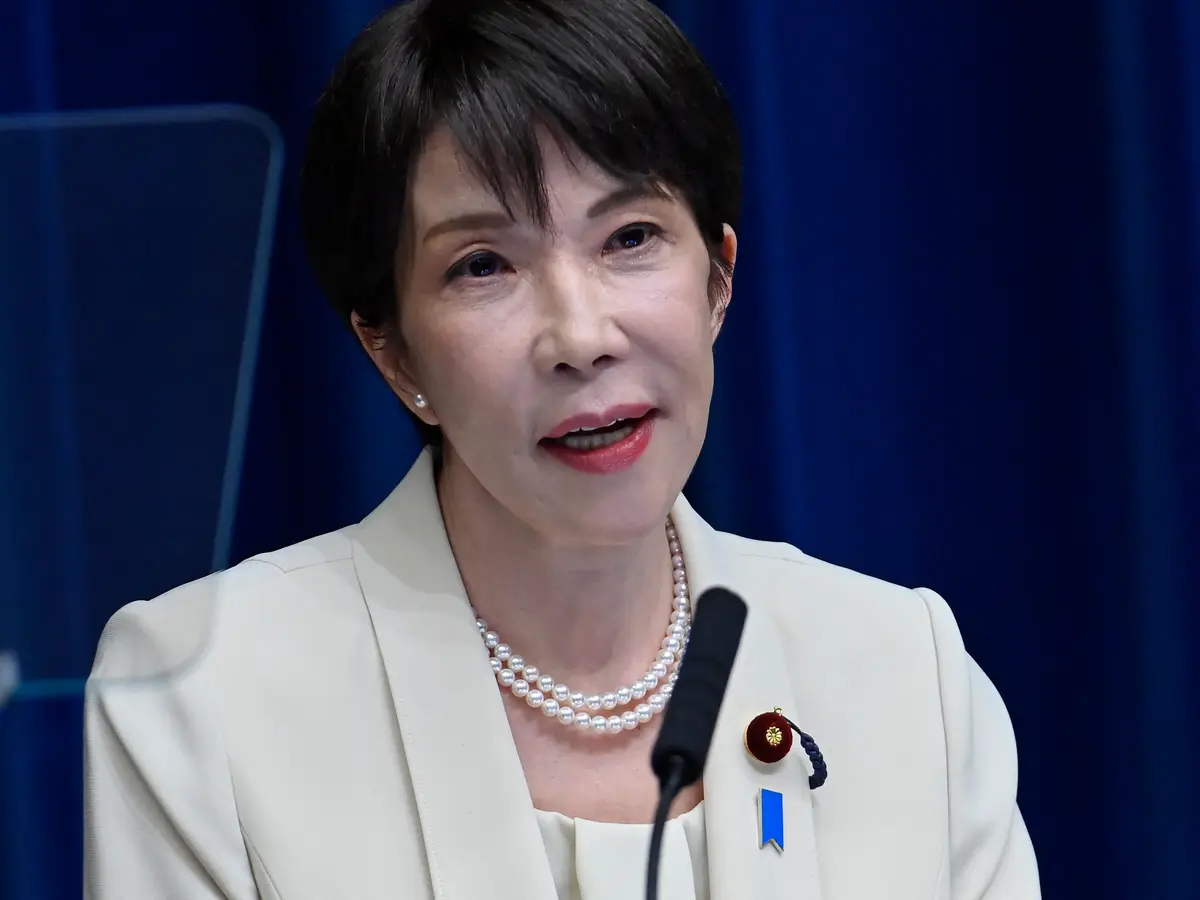
Japan’s Prime Minister Sanae Takaichi urged the United Nations to remove “enemy state” references from its Charter.
The clauses were created after World War II to permit action against former Axis powers without prior Security Council approval.
The term appears in Articles 53, 77, and 107 of the UN Charter.
The UN General Assembly called the provisions obsolete in 1995 and supported deleting them in 2005, but the change has not occurred.
China and Russia have recently invoked the clauses while criticizing Japan’s defense plans and territorial positions.
- Who
- Japanese Prime Minister Sanae Takaichi called for removing the clauses; China and Russia have defended or invoked them in criticism of Japan.
- What
- Japan wants references to “enemy states” deleted from the United Nations Charter.
- Where
- The appeal was made at the United Nations General Assembly in New York.
- When
- Takaichi made the appeal during her first address to the UN General Assembly on Tuesday, September 22; the provisions date from the Charter’s adoption on October 24, 1945.
- Why
- Japan considers the World War II-era provisions obsolete and says they are being used against its defense buildup and other policies.
Japan’s position
China and Russia’s position
Whether the clauses remain relevant
Japan’s position
Japan says the provisions are obsolete World War II language and should be removed from the Charter.
China and Russia’s position
China describes the clauses as a safeguard of the postwar international order, while Russia has invoked them in disputes involving Japan.
Japan’s defense policies
Japan’s position
Japan says the old clauses should not be used to challenge its plans to increase defense spending or respond to regional security concerns.
China and Russia’s position
China and Russia have used the clauses while criticizing Japan’s proposed defense buildup and military policies.
UN reform
Japan’s position
Japan supports expanding the number of permanent and non-permanent Security Council members to make the body more representative.
China and Russia’s position
The five permanent members have not supported deleting the clauses, partly because they are concerned that Charter changes could lead to further demands affecting their influence.
Key facts
- Relevant Charter articles
- Articles 53, 77, and 107
- Charter adopted
- October 24, 1945
- World War II
- 1939–1945
- UN General Assembly position
- Called the clauses obsolete in 1995 and adopted a resolution supporting their deletion in 2005
- Security Council permanent members
- The United States, United Kingdom, France, Russia, and China
- Japan’s broader proposal
- Expand both permanent and non-permanent Security Council membership
- Recent use of the clauses
- China and Russia have cited them while criticizing Japan’s defense plans and territorial claims
Quotes

Sanae Takaichi
Prime Minister of Japan who addressed the United Nations General Assembly
“The current structure of the Security Council, whose mandate is to maintain international peace and security, reflects the international situation as it stood in 1945. We need to transform it without delay into a structure that truly reflects the current realities of the international community. To this end, it is essential to expand the number of both permanent and non-permanent members in order to ensure the legitimacy and representativeness of the Security Council”
 indianexpress.com
Sources
Related news
Japan Reaffirms ICC Support as Trump Attacks Court at UN
US Nuclear Guarantees Face New Doubts in Japan, Korea
Russia Warns Japan Could Develop Nuclear Weapons Within Year
Luxembourg Backs India’s Permanent Seat, Urges UN Veto Reform
G4 Nations Press for Overhaul of Eight-Decade-Old UN Security Council

Jeffrey Sachs Urges Trump to End Iran Conflict
India Reach Asian Games Kabaddi Semifinals Unbeaten After Japan Win
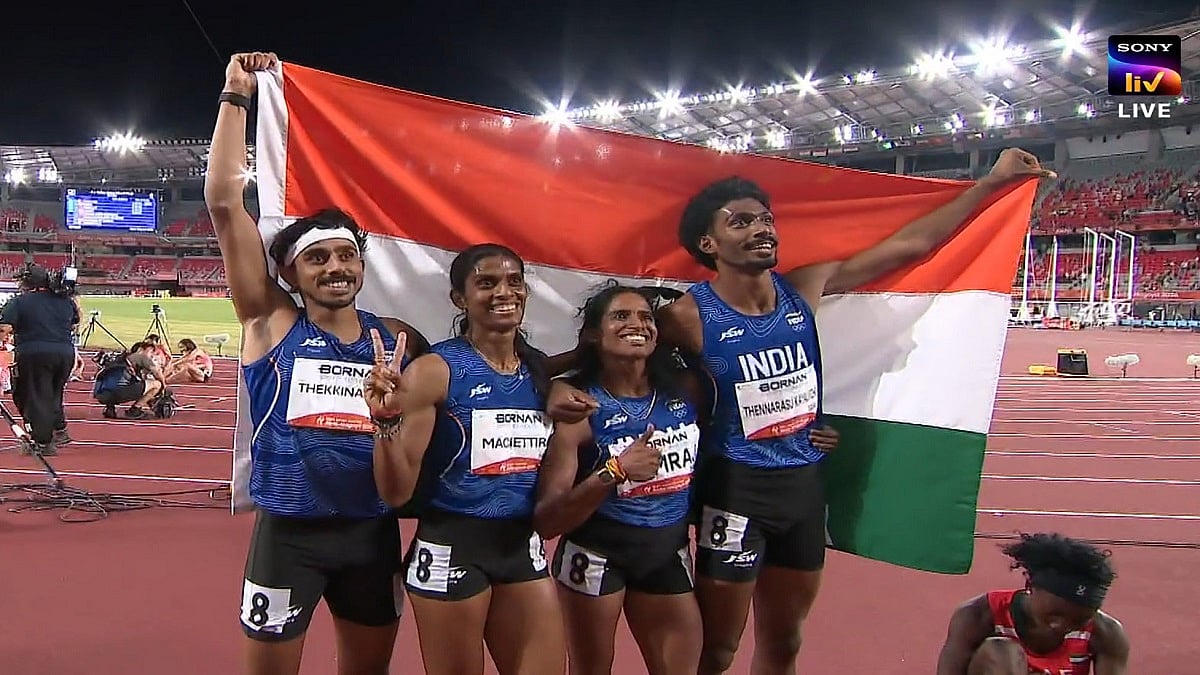
India Wins Mixed Relay Silver at 2026 Asian Games

Bihar-Born IITian Abhishek Anand Plays Cricket for Japan

Shooters, Rowers Win Medals as India’s Asian Games Campaign Continues

India’s Kabaddi Teams Storm Into Asian Games Semifinals