

3 hrs ago
Why Switzerland Keeps Rates at Zero Despite Rising Inflation Risks
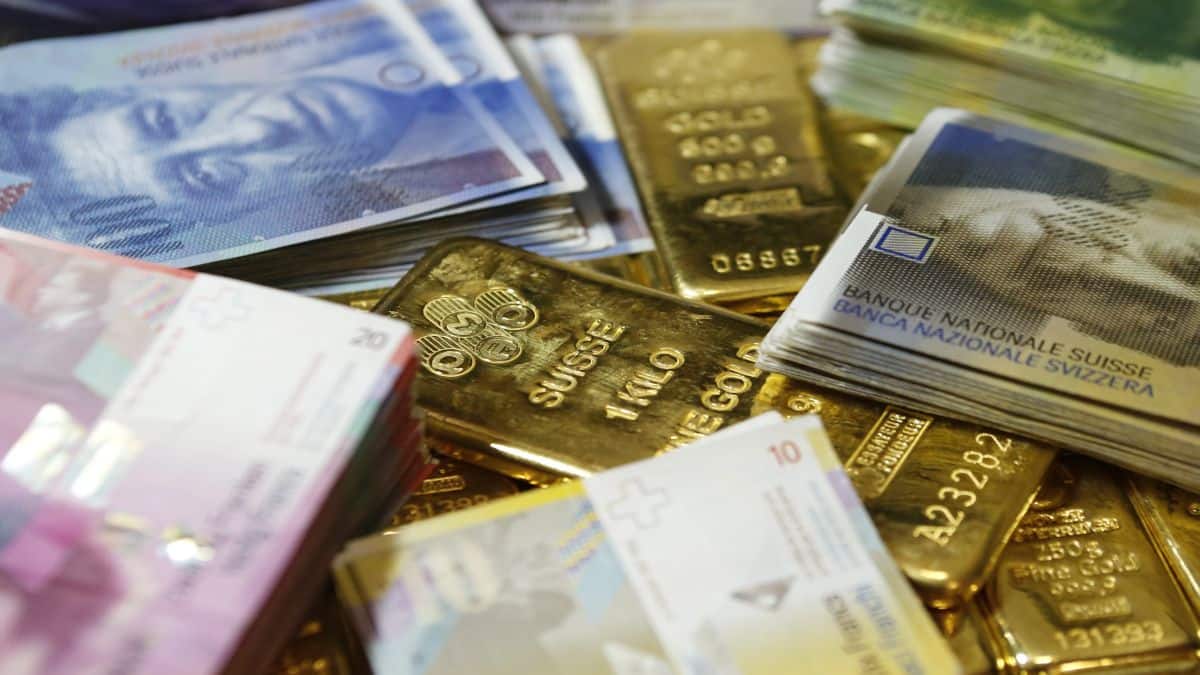
Switzerland’s central bank has kept its main interest rate at zero for more than a year.
It can do this because prices in Switzerland are rising only slowly.
Inflation was 0.8% in August, which is inside the bank’s preferred range.
The Swiss franc can also become stronger when people worry about the world economy.
A stronger franc makes goods bought from other countries cheaper.
Recently, however, the franc has weakened and oil prices have increased.
These changes could make prices rise faster in Switzerland.
The central bank may raise rates if inflation risks grow.
Markets think a rate increase could happen by early 2027.

The Swiss National Bank kept its key interest rate at 0% on September 24.
Swiss inflation was 0.8% in August, within the bank’s 0–2% target range.
A strong Swiss franc has helped make imports cheaper and limit inflation.
The franc has weakened recently while oil prices have risen, increasing future inflation risks.
Markets see roughly even odds of a December hike and over 90% odds of a hike by early 2027.
- Who
- The Swiss National Bank, Switzerland’s central bank.
- What
- It kept its key interest rate unchanged at 0%.
- Where
- Switzerland.
- When
- The decision was made on September 24, after the rate had remained unchanged since June 2025.
- Why
- Inflation remains low, and the Swiss franc has helped restrain imported-price increases, although a weaker franc and higher oil prices pose new risks.
Key facts
- Policy rate
- 0%
- August inflation
- 0.8%
- Inflation target
- 0% to 2%
- Forecast average inflation
- 0.7% in 2026 and 0.8% in 2027 and 2028
- United States policy rate
- 3.75% to 4%
- European Central Bank policy rate
- 2.50%
- Expected market timing
- Markets priced in roughly even odds of a December hike and more than 90% odds of a first hike by early 2027
Sources
Related news

Gold Rises as Lower Oil Prices Ease Rate Hike Bets

Gold slips as oil rally boosts Fed hike bets
Fed Raises Rates as Inflation Persists, Trump Demands Cuts
Warsh Says Persistent Inflation Keeps Fed Focused on Prices
Gold Slips as Hot Inflation Lifts Fed Hike Bets

FCNR Inflows Drive Lower Short-Term Borrowing Costs Amid Liquidity
China Industrial Profit Growth Slows as Weak Demand Weighs

RBI Seen Raising Repo Rate Amid Inflation and Oil Risks
India Needs Efficient Foreign Capital, Not Simply More Inflows

OECD Says Global Economy Resilient Despite Mounting Threats
