

1 hr ago
BRICS Declaration Criticizes Sanctions, Names Israel, Preserves India’s Balancing Act
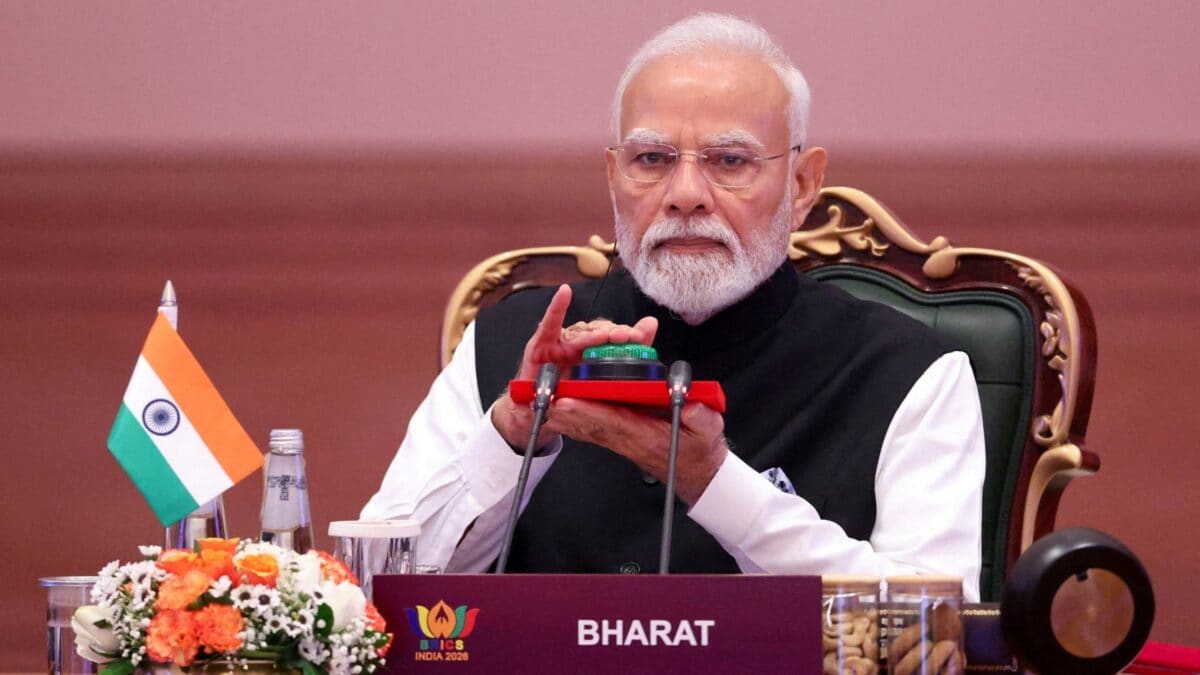
The BRICS countries agreed on a statement about wars and economic punishments.
They criticized sanctions imposed by one country without naming the United States.
Their words also supported Iran’s argument about attacks on its protected nuclear facilities, although Iran was not named.
The statement criticized violence in Gaza and supported the creation of a Palestinian state.
It directly criticized Israel over Lebanon and asked Israeli forces to leave Lebanese territory.
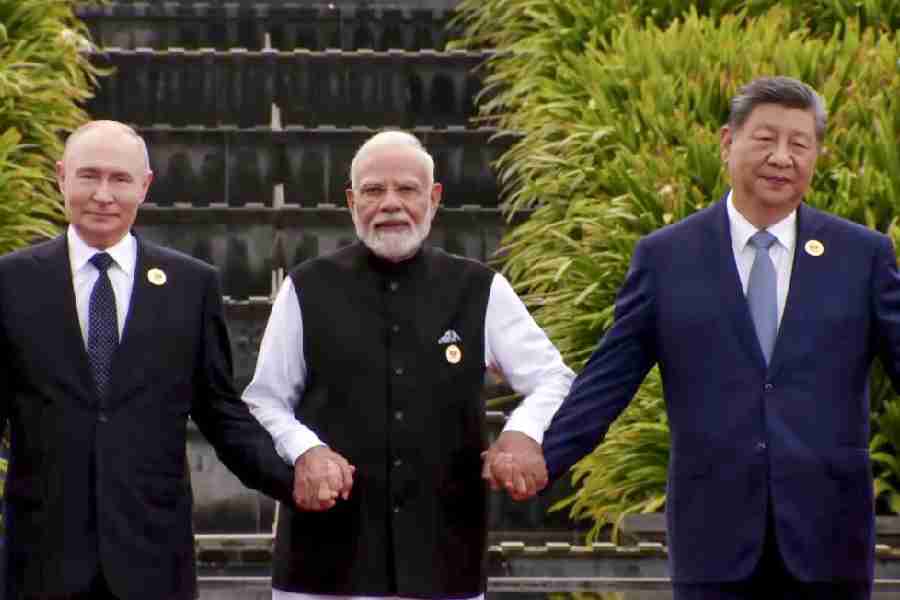
India helped write the statement because it hosted the summit.
India still says countries should solve disagreements through talks and diplomacy.
It also continues to work with countries on different sides of global conflicts.
This means India appears to be balancing its relationships rather than choosing one side completely.

The 18th BRICS Summit’s New Delhi Declaration condemned unilateral economic and secondary sanctions without naming the United States.
The declaration expressed concern about attacks on civilian infrastructure and safeguarded nuclear facilities, language that supports Iran’s position without naming Iran.
BRICS opposed forced Palestinian displacement, supported a two-state solution, and cited Israel’s obligations regarding humanitarian aid in Gaza.
The document directly called on Israel to respect Lebanon’s ceasefire terms, implement United Nations Security Council Resolution 1701, and withdraw its forces from Lebanese territory.
The declaration does not establish a fundamental shift in India’s foreign policy, which continues to balance ties with the United States, Israel, Russia, Iran, and other partners.
- Who
- The 11 BRICS members, with India hosting and chairing the summit, adopted the declaration.
- What
- The New Delhi Declaration criticized unilateral sanctions, addressed conflicts involving Iran, Israel, Gaza, and Lebanon, and reaffirmed several positions on West Asia.
- Where
- The summit took place in New Delhi, India.
- When
- The declaration was adopted on Saturday, September 12, 2026, during the 18th BRICS Summit.
- Why
- India sought consensus among BRICS members with differing interests while retaining room to pursue relationships outside the grouping.
Signals of Greater Distance From Washington
Continued Indian Strategic Balancing
Meaning of the sanctions language
Signals of Greater Distance From Washington
The strong criticism of unilateral sanctions accommodates Russia and Iran and can be read as a position challenging United States sanctions policies.
Continued Indian Strategic Balancing
Because the United States was not named and the wording was accepted by all 11 members, the language does not prove that India has adopted an anti-American stance.
India’s relationship with BRICS
Signals of Greater Distance From Washington
India’s deeper engagement with a group centered on China and Russia could pull New Delhi toward positions that challenge the West.
Continued Indian Strategic Balancing
India used consensus wording while continuing ties with the United States, Israel, Russia, Iran, and other competing partners, indicating that it has not decisively joined either camp.
India’s preferred foreign-policy direction
Signals of Greater Distance From Washington
JNU professor Rajesh Rajagopalan argued that India should prevent BRICS from becoming a vehicle for China’s ambitions.
Continued Indian Strategic Balancing
Economist Surjit Bhalla argued that India’s interests lie in a closer partnership with Europe and the United States rather than relying on BRICS.
Key facts
- Summit
- 18th BRICS Summit
- Declaration
- Adopted in New Delhi on September 12, 2026
- Sanctions
- BRICS condemned unilateral economic and secondary sanctions contrary to international law and the United Nations Charter.
- Iran-related language
- The declaration expressed concern over attacks on civilian infrastructure and peaceful nuclear facilities under International Atomic Energy Agency safeguards.
- Gaza
- BRICS opposed forced displacement of Palestinians and supported a sovereign Palestinian state within the 1967 borders, with East Jerusalem as its capital.
- Lebanon
- BRICS called for compliance with the Lebanon ceasefire and United Nations Security Council Resolution 1701, and urged Israel to withdraw its forces.
- India’s position
- The article says the declaration does not demonstrate a fundamental change in India’s foreign policy.
Quotes
BRICS joint declaration
The consensus declaration adopted at the 18th BRICS Summit.
“We condemn the imposition of unilateral coercive measures that are contrary to international law, and reiterate that such measures, inter alia in the form of unilateral economic sanctions and secondary sanctions, have far-reaching negative implications”
 news18.com
“India’s objective in the BRICS should be to make it ineffective so that it doesn’t become a vehicle for China’s great power ambitions”
news18.com

Surjit Bhalla
An economist arguing for closer Indian partnership with Western countries.
“What should India do to enhance our future? Forget BRICS. Our future is as a global partner of the West — Europe and the US.”
news18.com
Sources
Related news

BRICS Adopts New Delhi Declaration Despite West Asia Divisions
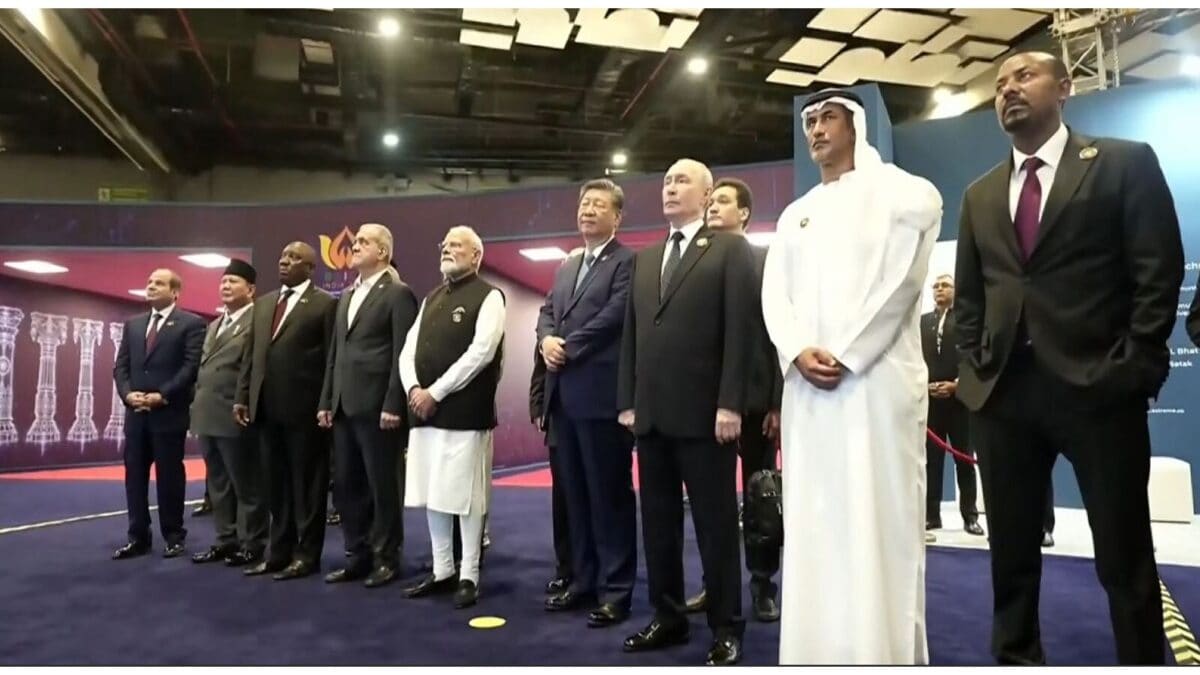
India Secures Unanimous BRICS Declaration After Overnight Diplomacy
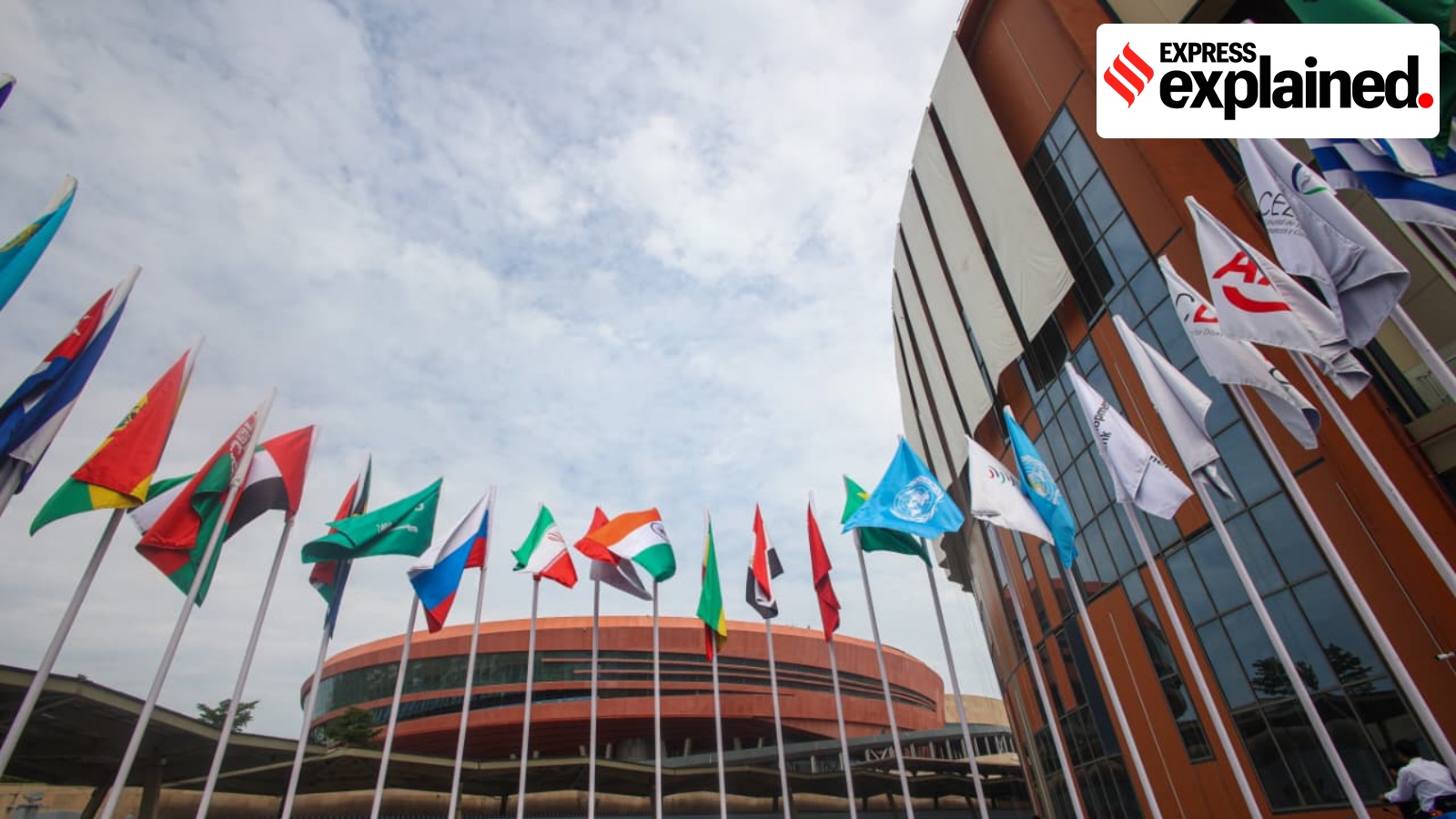
BRICS Declaration Balances Ukraine, Iran, Gaza and Tariff Disputes
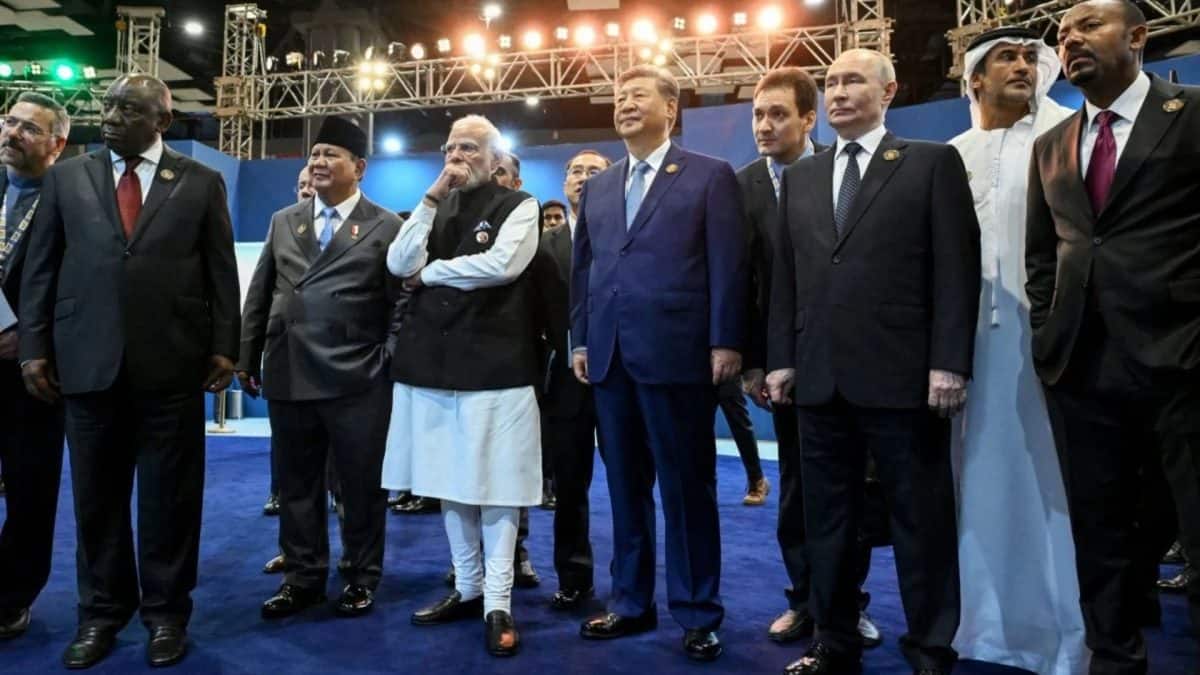
India Secures Brics Declaration Despite Diplomatic and Global Trade Challenges

India Secures BRICS Consensus on Trade Amid West Asia Rift
BRICS Reaches New Delhi Consensus Despite Iran-UAE Divisions
SBI Research Defends India’s 7.8% GDP Growth Estimate

GDP Critics Question India Data as Reforms Support Growth
Economist Urges India to Raise Investment for Faster Growth

Caste Census Debate: Why OBC Inflation Fears May Be Unfounded
