3 hrs ago
Japan’s Defence Buildup Seen as Manageable Despite Fiscal Investor Concerns
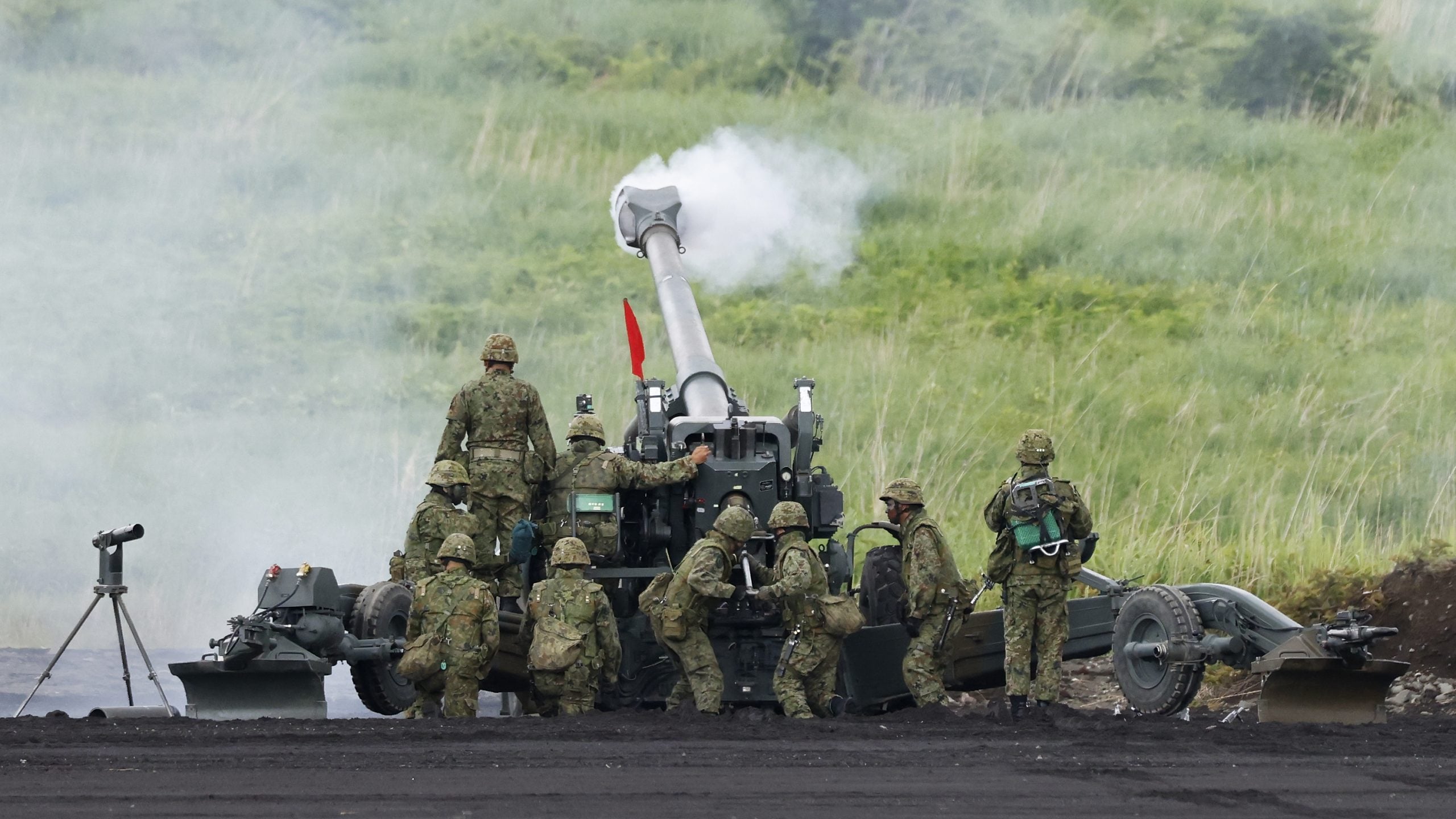
Japan is thinking about spending more money on defense.
Takuji Aida, an adviser to Prime Minister Sanae Takaichi’s government, said the increase would happen slowly over many years.
He said this should keep markets from becoming too worried in any single year.
Japan is considering raising defense spending to 3.5% of its economy over 10 to 15 years.
Some spending on projects that have both civilian and military uses could be included.
Investors are still watching how the government will pay for its defense and other projects.
Japanese government bond yields have risen, adding to those concerns.
Aida also expects Japan’s central bank to raise interest rates again in January.

Takuji Aida said Japan’s defense expansion should be spread over 10 to 15 years.
Japan is considering a 10-year target to raise defense spending to 3.5% of GDP.
Aida said defense and dual-use spending could jointly count toward the 3.5% target.
Investors remain concerned about financing costly government projects and rising Japanese bond yields.
Aida expects the Bank of Japan’s next rate hike in January, later than many market expectations.
- Who
- Takuji Aida, a Credit Agricole chief economist and member of Prime Minister Sanae Takaichi’s growth strategy panel, discussed Japan’s defense and economic plans.
- What
- Japan is considering a long-term increase in defense spending to 3.5% of GDP, while investors assess the government’s fiscal plans.
- Where
- Japan.
- When
- Aida made the comments in a Bloomberg TV interview on Monday; the proposed defense target would be pursued over 10 to 15 years.
- Why
- The government is reviewing defense needs and strategic investment while investors are concerned about how costly projects and tax measures will be financed.
Long-Term Manageability
Fiscal and Market Concerns
Defense spending pace
Long-Term Manageability
Aida said defense spending could rise gradually over 10 to 15 years, limiting the market impact in any single year.
Fiscal and Market Concerns
Investors are scrutinizing the possible increase because it would add to the government’s costly projects and financing demands.
Government economic policy
Long-Term Manageability
Aida said Sanaenomics focuses on investment to expand aggregate supply rather than demand-boosting fiscal stimulus and monetary easing.
Fiscal and Market Concerns
The government’s multiple initiatives, including a 14-year growth strategy and a temporary food consumption tax cut, have raised questions about how they will be financed.
Interest-rate timing
Long-Term Manageability
Aida expects the Bank of Japan to return to a roughly six-month pace for rate increases after external pressures ease.
Fiscal and Market Concerns
Market expectations point to a potentially earlier rate hike, while two dissenting votes from Takaichi appointees contributed to perceptions that the government prefers a slower pace.
Key facts
- Proposed defense target
- 3.5% of GDP over 10 to 15 years
- Strategic investment plan
- ¥370 trillion in public-private investment through 2040
- Aida’s market assessment
- A gradual defense buildup should not create significant anxiety in any single year
- Japanese 10-year bond yield
- Around 3%, near its highest level in three decades
- Bank of Japan policy rate
- Raised to 1.25% earlier this month
- Next expected rate hike
- Aida expects it in January
- Growth strategy details
- The government plans to provide more information on investment types and intended outcomes by year-end
Quotes
Takuji Aida
Chief economist at Credit Agricole and member of Prime Minister Sanae Takaichi’s growth strategy panel
“I think this is just a longer-term goal within 10 years, 15 years”
 theprint.in
“Sanaenomics is not a reflationary policy”
theprint.in
Sources
Related news
Japan Q2 Growth Revised Higher on Business Investment

Japan Faces Policy Reckoning as Bessent Presses Rate Hikes

Uday Kotak Warns Global Bond Markets Face Roller-Coaster Volatility
Global Bond Yields Surge as Inflation and Debt Risks Rise

Ravi Bishnoi Explains Why Asian Games Medal Feels Special

Manu Bhaker Ends Asian Games Campaign Without Medal

India Leads Asia in LLM Search Purchase Journeys

Japan's Oil Diversification Could Redraw Global Energy Trade
Indo-Pacific Quietens as Its Strategic Importance Remains Undiminished