1 week ago
UN Watchdog Urges India to Protect Minorities and Tribals
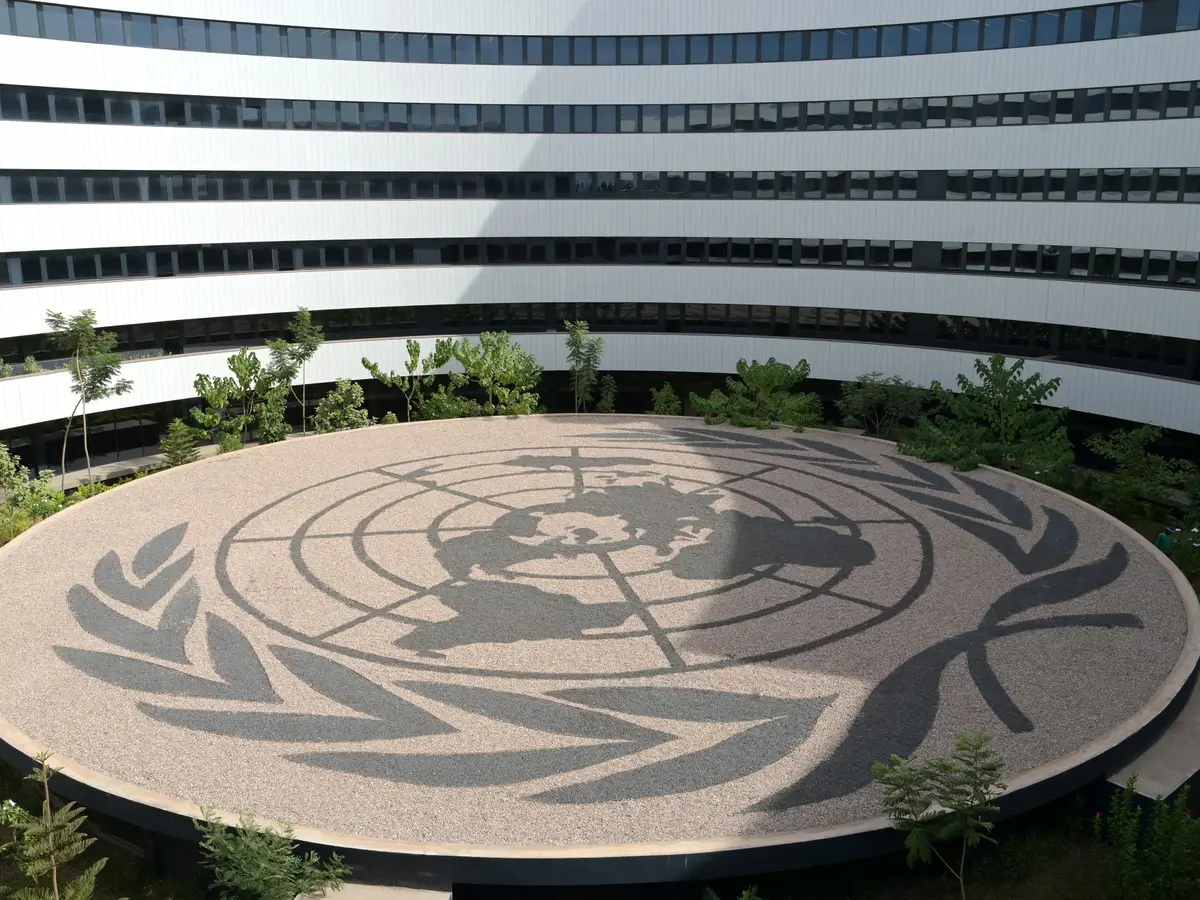
A United Nations committee examined how India treats different groups of people.
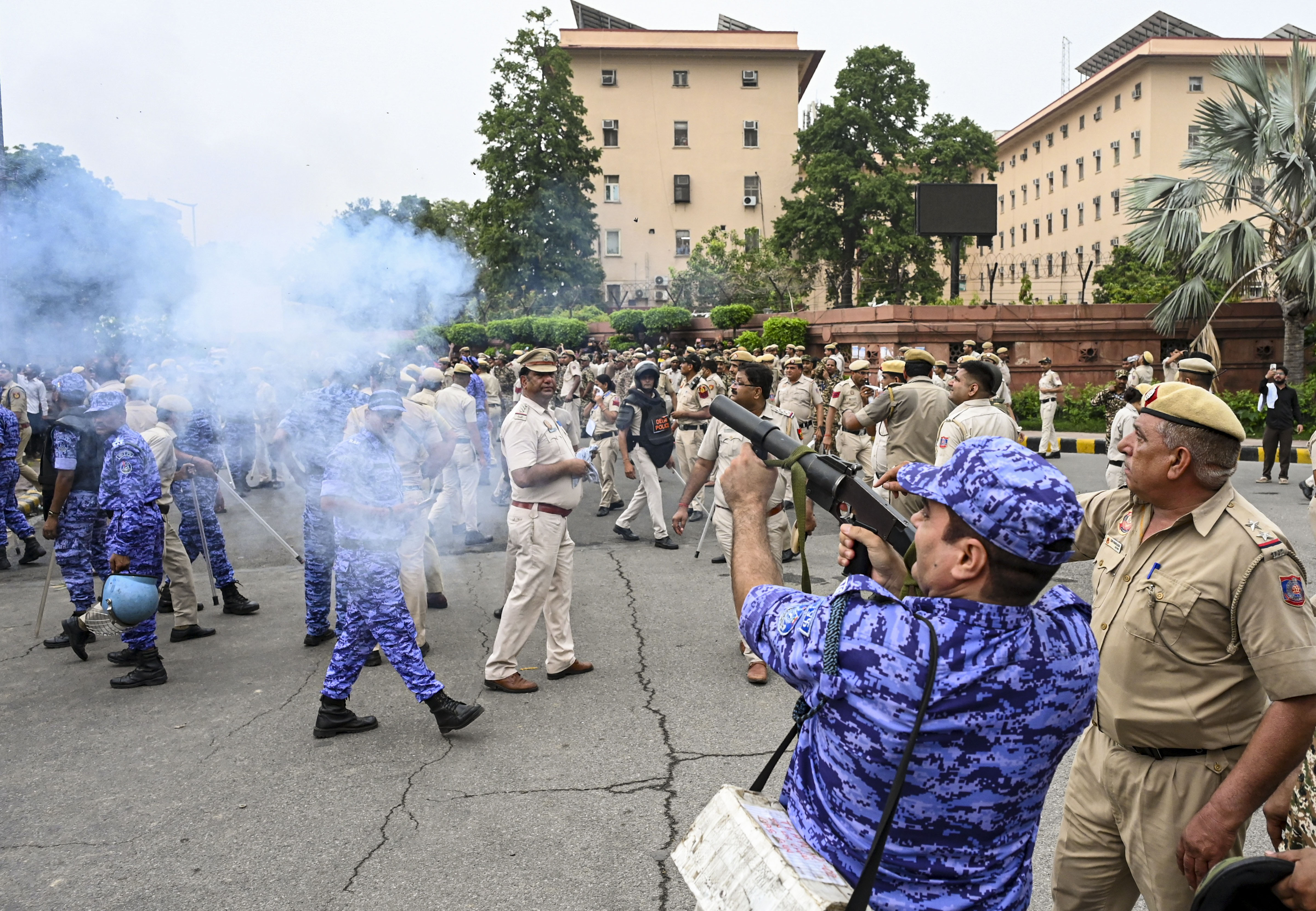
It said there were reports of serious abuses against tribal people, Dalits and minorities.
The reported abuses included unlawful killings, torture, unfair arrests and violence.
The committee also raised concerns about Rohingya people, Bengali-speaking Muslims, migrants and asylum-seekers.
It said India should investigate these reports and punish anyone found responsible.
It asked India to stop discrimination, hate speech and hate crimes.
It also said people needing protection should not be forcibly sent away in groups.
India responded by pointing to its Constitution, laws and safeguards.
The committee’s recommendations are not legally binding but may affect India’s reputation.

CERD reported alleged violence and discrimination against Scheduled Tribes, Scheduled Castes including Dalits, Bengali-speaking Muslims and other vulnerable groups.
The alleged abuses included extrajudicial killings, torture, arbitrary detention, excessive force, ill-treatment and sexual violence.
CERD cited reported racial profiling and increased law-enforcement operations involving Rohingya, migrants and asylum-seekers.
The committee urged India to investigate allegations, prosecute those responsible, address hate crimes and avoid collective expulsions.
India highlighted its pluralism, diversity, constitutional framework and legal safeguards during its CERD review.
- Who
- The United Nations Committee on the Elimination of Racial Discrimination and the Indian government, whose delegation was led by Solicitor General Tushar Mehta.
- What
- CERD criticized reported law-enforcement abuses, discrimination, hate crimes and forced returns affecting marginalized groups and non-citizens.
- Where
- The review took place in Geneva.
- When
- CERD issued its findings on Tuesday after reviewing India earlier that month; India had last appeared before the committee in 2007.
- Why
- CERD said reports indicated serious violations and discrimination affecting tribal peoples, Dalits, Bengali-speaking Muslims, Rohingya, migrants, asylum-seekers and other groups.
CERD’s concerns
India’s response
Law-enforcement conduct
CERD’s concerns
CERD cited reports of large-scale violations by law-enforcement officials, including excessive force, extrajudicial killings, arbitrary detention, torture, ill-treatment and sexual violence.
India’s response
India highlighted its constitutional and legal framework and safeguards during the review; the articles do not report a specific government response to each allegation.
Treatment of minorities and migrants
CERD’s concerns
The committee raised concerns about racial profiling and law-enforcement operations involving Rohingya, Bengali-speaking Muslims, migrants and asylum-seekers, as well as deportations and forced returns.
India’s response
India’s mission emphasized the country’s pluralism, diversity, scale and complexity, and its stated commitment to equality, dignity and opportunity for all Indians.
Accountability and protections
CERD’s concerns
CERD urged India to investigate allegations, hold responsible people accountable, address hate speech and hate crimes, protect affected groups and refrain from collective expulsions.
India’s response
India pointed to existing constitutional and legal safeguards; the articles do not describe a new accountability measure announced by the government.
Key facts
- Committee
- United Nations Committee on the Elimination of Racial Discrimination, also known as CERD or UNCERD
- Committee membership
- 18 independent rights experts
- Convention coverage
- The committee monitors compliance by 182 countries party to the Convention on the Elimination of All Forms of Racial Discrimination
- Alleged abuses
- Racially motivated violence, excessive force, extrajudicial killings, arbitrary and prolonged detention, torture, ill-treatment and sexual violence
- Groups cited
- Scheduled Tribes, Scheduled Castes including Dalits, Bengali-speaking Muslims, Rohingya, migrants, asylum-seekers and other non-citizens
- India’s review
- India appeared before CERD earlier this month for the first time since 2007
- Recommendation status
- CERD’s opinions and recommendations are non-binding but carry significant reputational weight
Quotes

UN Committee on the Elimination of Racial Discrimination
A United Nations committee of independent rights experts monitoring racial-discrimination protections.
“The committee was gravely concerned about reports of large-scale violations perpetrated by law enforcement officials against ethnic and ethno-religious groups, Indigenous and Tribal Peoples, including Scheduled Tribes, Scheduled Castes, particularly Dalits, and non-citizens.”
 wionews.com
 deccanchronicle.com
 freepressjournal.in
“highlighted our pluralism; diversity; scale and complexity; constitutional and legal framework and safeguards... as we continue our journey towards ensuring equality, dignity and opportunity for all Indians”
deccanchronicle.com
freepressjournal.in
Sources

Related news
UN Committee Accuses India of Rights Violations, Government Rejects Claims
India Rejects UN Panel Allegations of Rights Violations

India Rejects UN Panel’s Claims of Targeting Rohingya Muslims

India Rejects UN Racial Discrimination Remarks as Malicious

NCSC summons Himachal officials over DSP's caste harassment complaint

NCSC Seeks Warring Arrest in Buta Singh Remarks Case
U.N. Committee Urges Countries to Consider Slave Trade Reparations