1 week ago
India Rejects UN Panel’s Claims of Targeting Rohingya Muslims

A United Nations committee examined how India treats people from different ethnic and religious groups.
It said it was very worried about reports involving Rohingya refugees and Bengali-speaking Muslims.
The committee said some people were stopped or detained because of their identity.
It also said some people may have been treated badly or sent to another country without proper protection.
The panel warned that refugees should not be returned to places where they could face danger.
It raised similar concerns about alleged abuses against Scheduled Tribes and Scheduled Castes.
India rejected the committee’s comments as politically motivated and highly malicious.
India said it had strong laws and constitutional protections for disadvantaged communities.
The United Nations committee asked India to investigate the allegations and protect affected people.

The United Nations racial-discrimination committee expressed grave concern about alleged targeting of Rohingya refugees and Bengali-speaking Muslims in India.
The panel linked increased law-enforcement operations to a 2017 Home Ministry deportation directive and the 2025 Pahalgam terror attack.
It said police stops and identity checks allegedly led to racial profiling, arbitrary detention, torture and other mistreatment.
The committee criticized alleged deportations and forcible returns that may violate the non-refoulement principle protecting people seeking asylum.
India rejected the findings as politically motivated and malicious, citing constitutional safeguards, pluralism and its legal framework.
- Who
- The United Nations Committee on the Elimination of Racial Discrimination, Indian authorities and affected groups including Rohingya refugees, Bengali-speaking Muslims, migrants, asylum-seekers, Scheduled Tribes and Scheduled Castes.
- What
- The committee reported alleged racial profiling, detention, mistreatment, deportations and other abuses, while India rejected the allegations and the panel’s characterization.
- Where
- India, with alleged returns involving Bangladesh and Myanmar; the report also referred to Jammu and Kashmir and several Indian states and Union Territories.
- When
- The committee issued its findings on Tuesday, and India responded on Wednesday; the report referenced a 2017 directive and developments after the April 2025 Pahalgam attack.
- Why
- The committee said it was addressing alleged racial discrimination, hate speech, hate crimes and violations under the Convention on the Elimination of All Forms of Racial Discrimination.
UN Committee’s Concerns
India’s Rejection
Alleged targeting
UN Committee’s Concerns
The committee said law-enforcement operations had increasingly targeted Rohingya refugees, Bengali-speaking Muslims, migrants and asylum-seekers.
India’s Rejection
India rejected the description as a sweeping generalization and an unsubstantiated allegation that exceeded the committee’s mandate.
Treatment by authorities
UN Committee’s Concerns
The panel said identity checks and police stops allegedly resulted in racial profiling, arbitrary detention, torture and ill-treatment.
India’s Rejection
India said it had presented its constitutional safeguards and legal framework for protecting disadvantaged communities during the review.
Deportations and returns
UN Committee’s Concerns
The committee urged India to refrain from collective expulsions and said forcible returns could violate the non-refoulement principle.
India’s Rejection
India did not accept the committee’s broader conclusions and said it would respond through the established procedure.
Key facts
- Review body
- United Nations Committee on the Elimination of Racial Discrimination
- Committee composition
- The panel consists of 18 independent rights experts.
- India review
- This was the committee’s first review of India since 2007.
- Referenced directive
- A 2017 Union Ministry of Home Affairs order addressed deportation of undocumented migrants, including Rohingyas.
- 2025 verification drive
- After the Pahalgam attack, the Home Ministry directed states and Union Territories to verify people suspected of being undocumented migrants from Bangladesh and Myanmar.
- Alleged abuses
- The committee cited alleged racial profiling, arbitrary detention, torture, ill-treatment, excessive force, extrajudicial killings and sexual violence.
- India’s response
- The Ministry of External Affairs called the observations politically motivated and highly malicious, and cited India’s constitutional safeguards, legal framework and pluralism.
Quotes

UN Committee on the Elimination of Racial Discrimination
A panel of independent rights experts monitoring countries’ compliance with the Convention on the Elimination of All Forms of Racial Discrimination
“These included racially motivated violence, excessive use of force, extrajudicial killings, arbitrary and prolonged detention without due process, torture, ill-treatment and sexual violence”
 scroll.in

Randhir Jaiswal
Spokesperson for India’s Ministry of External Affairs
“While we will respond to the committee’s observations through the established procedure, the inter-ministerial delegation, which was led by the Solicitor General…Tushar Mehta, had already rejected the sweeping generalisations, unsubstantiated allegations, or tendency to exceed the convention’s mandate during the review meeting.”
scroll.in
Sources

Related news
UN Watchdog Urges India to Protect Minorities and Tribals
UN Committee Accuses India of Rights Violations, Government Rejects Claims

India Rejects UN Racial Discrimination Remarks as Malicious
India Rejects UN Panel Allegations of Rights Violations
Karnataka migrant drive puts Bengali Muslims under citizenship scrutiny
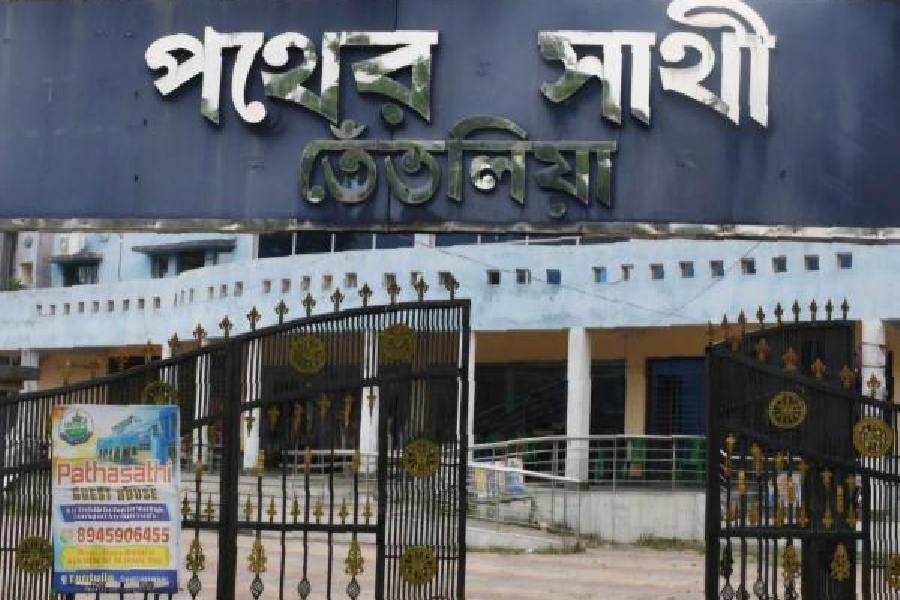
Inside Bengal's Holding Centres for Alleged Bangladeshi Immigrants

Bangladesh Recall Shanto, Mahmud for Asian Games T20 Squad

Sharma and Malik share halfway lead at Telangana Golconda Masters
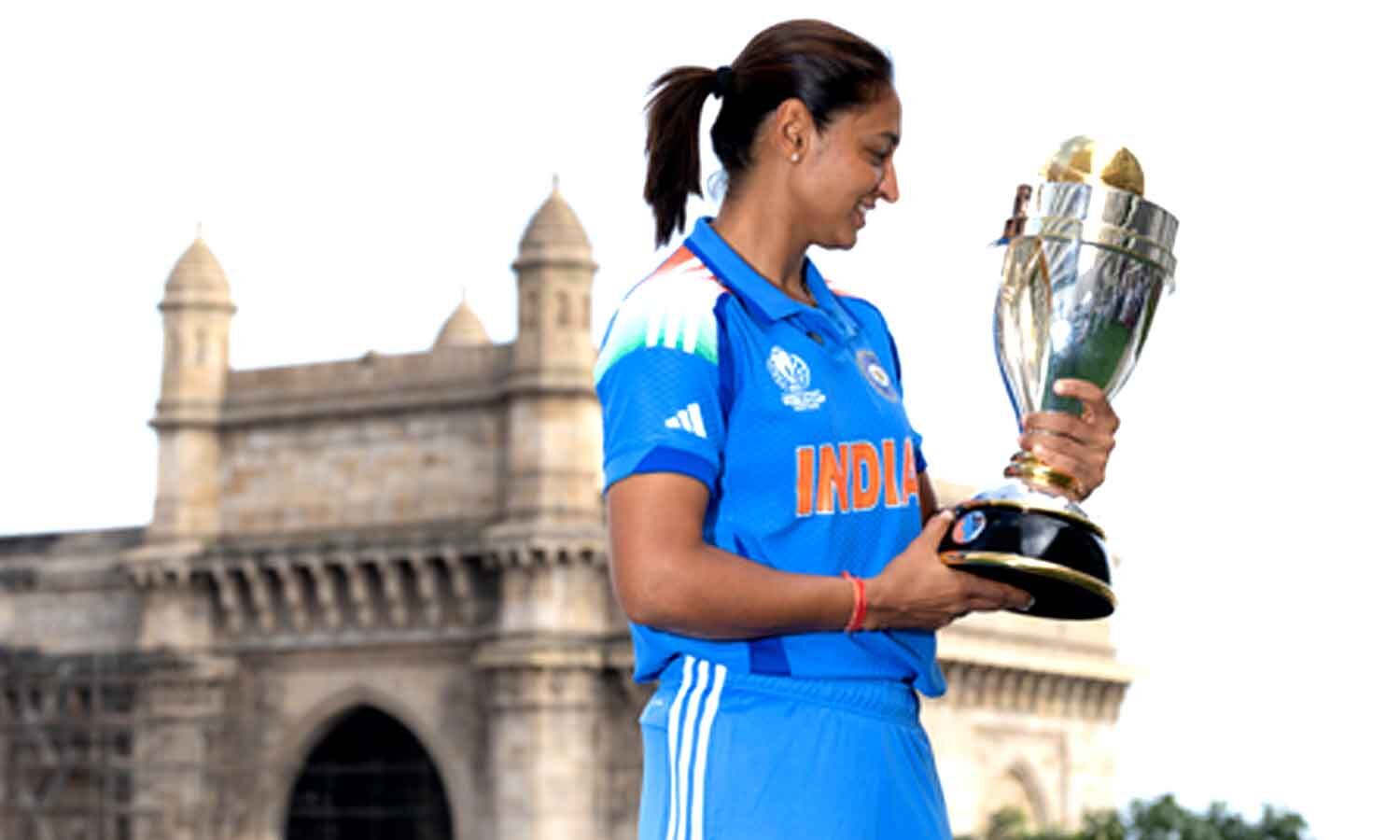
India Replaces Sri Lanka as 2027 Women’s Champions Trophy Host
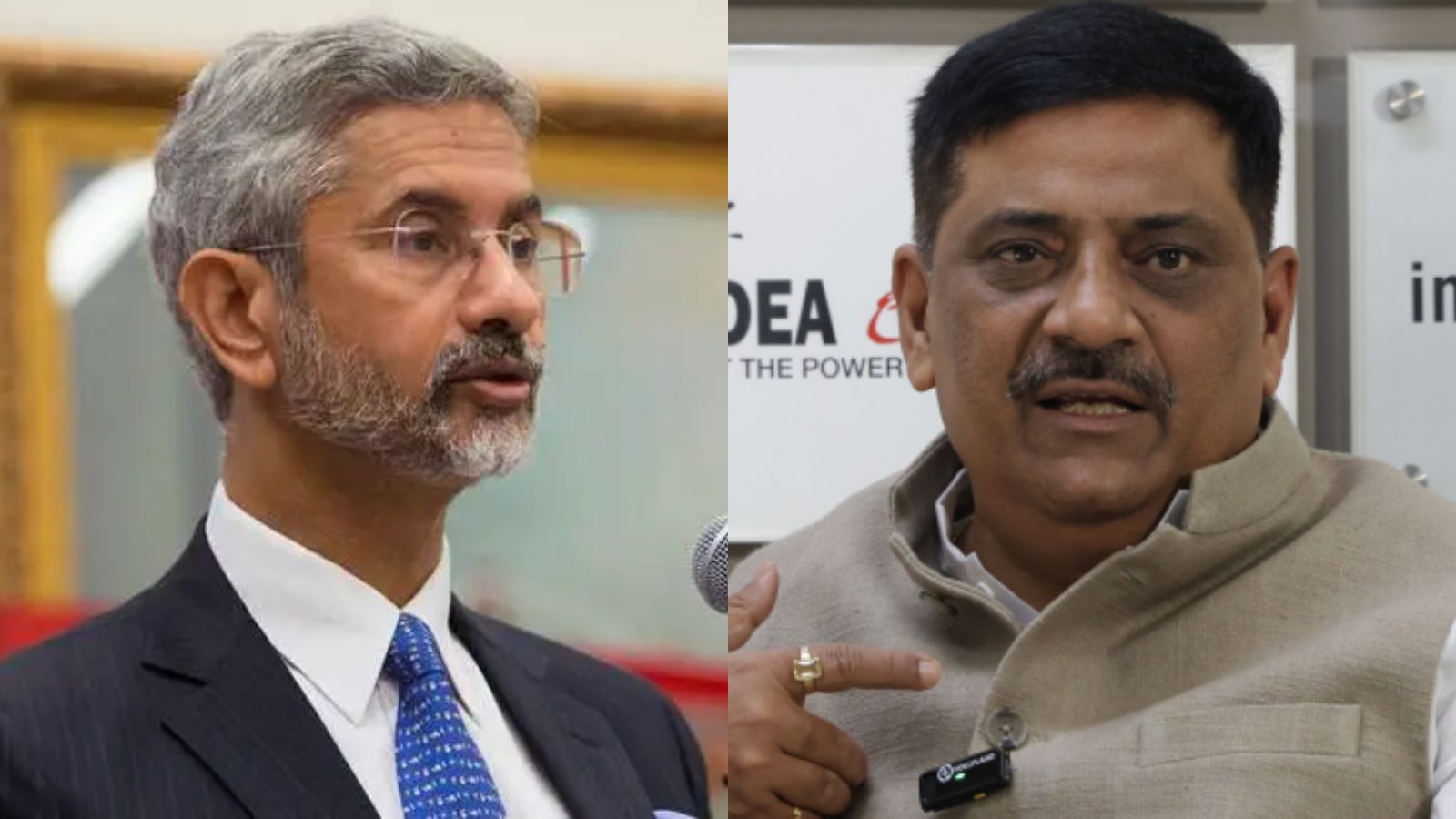
Centre Assures JDU Bihar’s Interests In Farakka Treaty Decision

India’s Record Wheat Harvest Opens $1.5 Billion Export Window