1 week ago
UN Committee Accuses India of Rights Violations, Government Rejects Claims
A United Nations committee published a report criticizing India’s treatment of some minority groups, tribal communities, Dalits and people who are not citizens.
It said some people may have been stopped, arrested, detained or mistreated unfairly.
The committee was especially worried about Rohingya people, Bengali-speaking Muslims, migrants and asylum-seekers.
It also raised concerns about deportations and people being sent back to places where they might not be safe.
The committee asked India to investigate these claims and protect people from discrimination.
The article strongly disagrees with the committee and says it ignored India’s security concerns.
It argues that India has courts and government institutions that can investigate complaints.
The article also says the committee focused too much on people detained after the Pahalgam attack and not enough on the attack’s Hindu victims.
The report and the article therefore present very different views of India’s actions and responsibilities.

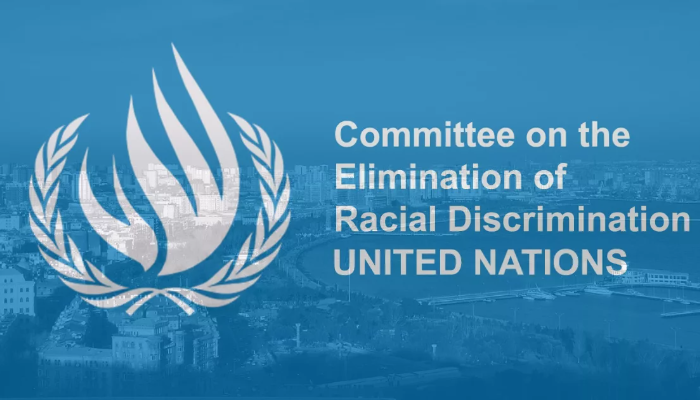
The United Nations Committee on the Elimination of Racial Discrimination accused Indian authorities of widespread abuses against marginalized communities and non-citizens.
The committee cited alleged excessive force, extrajudicial killings, arbitrary detention, torture, sexual violence, racial profiling and forced returns.
It expressed particular concern about operations involving Rohingya, Bengali-speaking Muslims, migrants and asylum-seekers after a 2017 Home Affairs order and the Pahalgam attack.
The committee urged prompt investigations, accountability, protection from discrimination and compliance with the principle of non-refoulement.
The article rejects the report as anti-India propaganda, while External Affairs Ministry spokesperson Randhir Jaiswal called similar organizations biased and lacking credibility.
- Who
- The United Nations Committee on the Elimination of Racial Discrimination criticized Indian authorities; the Indian government, through spokesperson Randhir Jaiswal, rejected similar criticism from international organizations.
- What
- The committee alleged large-scale rights violations and discriminatory law-enforcement practices against Scheduled Castes, Scheduled Tribes, Dalits, Indigenous and Tribal Peoples, non-citizens, migrants and asylum-seekers.
- Where
- India, including Kashmir and areas affected by law-enforcement operations.
- When
- The report was identified in the article as an August 2026 release; it referred to a 2017 Home Affairs order and the Pahalgam attack, whose date is inconsistently described in the article as April 2022 and April 2025.
- Why
- The committee said it was responding to reported discrimination, violence, detention, mistreatment and forced returns; the article says India’s measures were connected to national-security concerns and illegal immigration.
Committee’s allegations
Article’s and government’s response
Treatment of marginalized groups
Committee’s allegations
The committee said Indian law-enforcement officials had allegedly committed widespread abuses against Scheduled Castes, Scheduled Tribes, Dalits, Indigenous and Tribal Peoples and non-citizens.
Article’s and government’s response
The article called these claims sweeping and unsubstantiated, arguing that they misrepresent India and ignore its constitutional, judicial and investigative institutions.
Operations involving migrants and asylum-seekers
Committee’s allegations
The committee alleged racial profiling, arbitrary arrest and detention, mistreatment, discriminatory hate speech and forced returns involving Rohingya, Bengali-speaking Muslims, migrants and asylum-seekers.
Article’s and government’s response
The article argued that India faces terrorist threats and has a legitimate duty to protect citizens and address illegal immigration and associated security risks.
Response to the Pahalgam attack
Committee’s allegations
The committee focused on alleged discrimination and abuses during subsequent law-enforcement operations and urged protection for affected groups.
Article’s and government’s response
The article argued that international organizations gave insufficient attention to the Hindu victims of the attack and focused disproportionately on people detained afterward.
Key facts
- Reporting body
- United Nations Committee on the Elimination of Racial Discrimination (UNCERD)
- Report date
- August 2026, according to the article
- Groups identified by the committee
- Scheduled Castes, Scheduled Tribes, Dalits, Indigenous and Tribal Peoples, non-citizens, Rohingya, Bengali-speaking Muslims, migrants and asylum-seekers
- Alleged abuses
- Racially motivated violence, excessive force, extrajudicial killings, arbitrary detention, torture, ill-treatment and sexual violence
- Committee’s recommendations
- Prompt and impartial investigations, accountability, protection against discrimination and compliance with non-refoulement
- Indian response
- External Affairs Ministry spokesperson Randhir Jaiswal described comparable organizations as biased, agenda-driven and lacking credibility
- Date discrepancy
- The article refers to the Pahalgam attack as occurring in April 2022 in one passage and April 2025 in another
Quotes
United Nations Committee on the Elimination of Racial Discrimination (UNCERD)
UN committee addressing racial discrimination and alleged violations involving protected groups in India
“The Committee was gravely concerned about reports of large-scale violations perpetrated by law enforcement officials against ethnic and ethno-religious groups, Indigenous and Tribal Peoples, including Scheduled Tribes, Scheduled Castes, particularly Dalits, and non-citizens. These included racially motivated violence, excessive use of force, extrajudicial killings, arbitrary and prolonged detention without due process, torture, ill-treatment and sexual violence.”
 opindia.com
“The Committee called on India to conduct prompt, thorough and impartial investigations into all such allegations and ensure accountability for those responsible”
opindia.com

Randhir Jaiswal
Spokesperson for India’s Ministry of External Affairs
“We are all aware that the organisation—or entity—you are referring to is biased; for years, it has been making disparaging and inflammatory remarks about India. I would say we should steer clear of such organisations, as they operate with their own agendas and lack any credibility or trustworthiness. That is my response to that point”
opindia.com
Sources
Related news
UN Watchdog Urges India to Protect Minorities and Tribals
India Rejects UN Panel Allegations of Rights Violations

India Rejects UN Racial Discrimination Remarks as Malicious

India Rejects UN Panel’s Claims of Targeting Rohingya Muslims
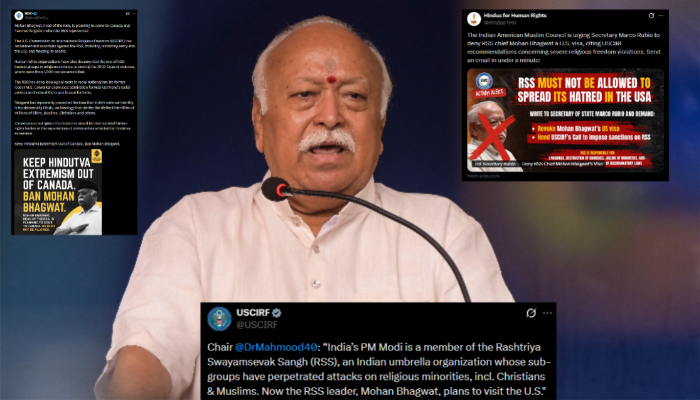
Justice For All Opposes Mohan Bhagwat’s Planned Western Tour

U.N. Committee Urges Countries to Consider Slave Trade Reparations