

1 day ago
West Bengal University Bill Renews Debate Over Academic Liberty
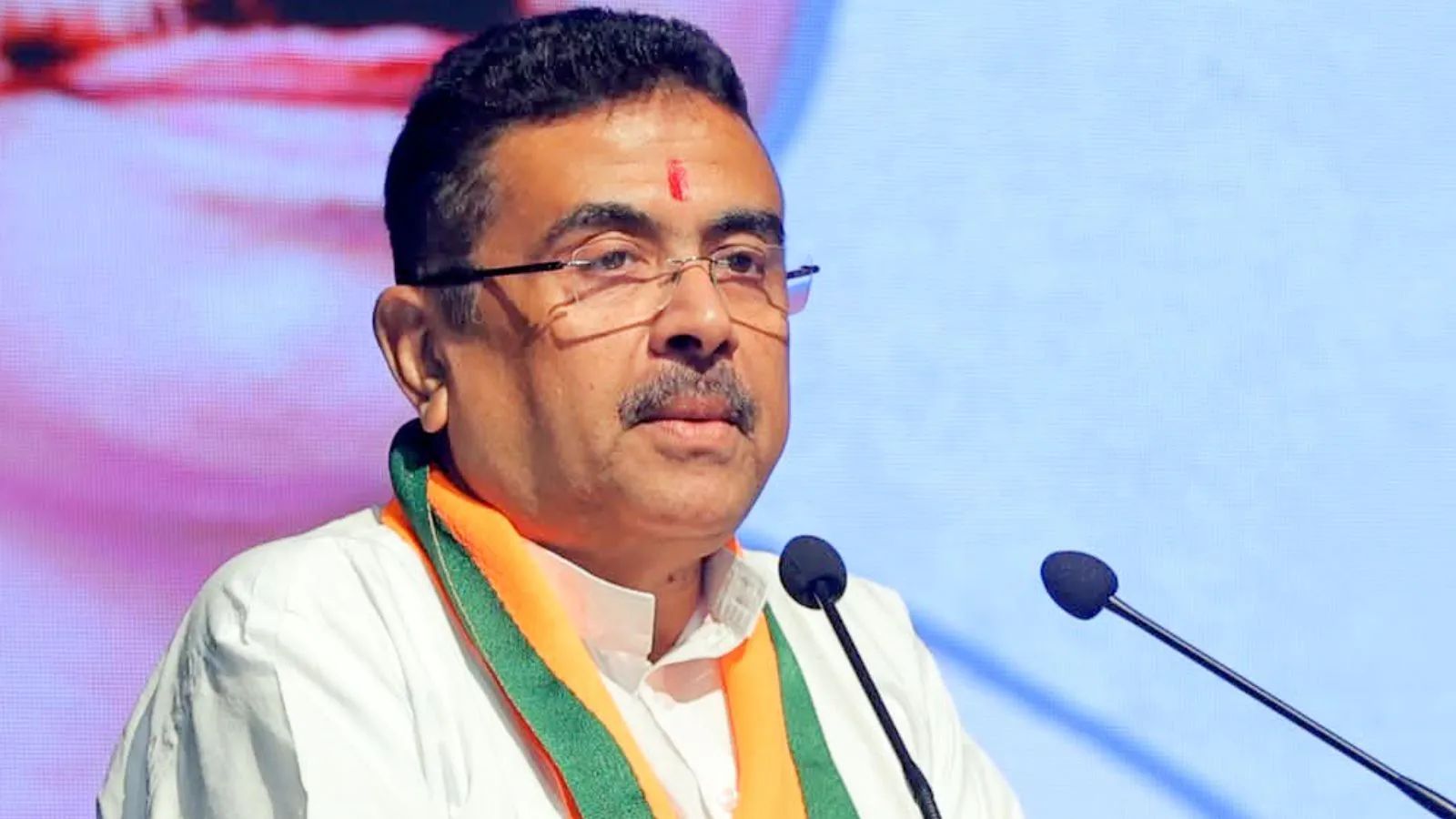
West Bengal has passed a bill about moving teachers between state universities.
The Governor, who is the chancellor of these universities, could approve such transfers after consulting the state government.
The article’s author says the bill may be used to punish teachers rather than help universities.
The author also says teachers are not ordinary government employees who can be transferred whenever the government wants.
Students may choose a university because certain teachers work there.
Moving those teachers could therefore affect students and researchers.
The article argues that universities should have more freedom from government control.
It also says students and faculty should have a larger role in university decisions.
The author believes academic freedom helps universities create knowledge and improve.

The West Bengal Assembly passed a bill allowing the Governor, as university chancellor, to transfer teachers between state universities.
The author argues the bill could enable punitive transfers and threaten university autonomy.
The Chief Minister reportedly said the measure was intended to punish employees of a particular university.
The article questions whether the bill can alter existing employment contracts or students’ expectations about teaching faculty.
The author calls for a liberty model based on institutional autonomy, democratic governance, student participation, and academic freedom.
- Who
- The West Bengal Assembly, the state government, the Governor as ex-officio chancellor, university teachers, students, and universities are involved.
- What
- A bill allowing transfers of university teachers between state universities has been passed, prompting debate over government control and university autonomy.
- Where
- West Bengal, India, with broader discussion of Indian higher education.
- When
- The bill was passed recently; the article also refers to the University Grants Commission Act of 1956 and the 42nd Constitutional Amendment of 1976.
- Why
- The government says the measure addresses staffing or administrative needs, while the author argues it may be intended to punish employees and undermine university autonomy.
Control Model
Liberty Model
Teacher transfers
Control Model
The government can use inter-university transfers to address staffing shortages, support newer universities, or respond to administrative needs.
Liberty Model
The author argues transfers may become punishment postings and says voluntary deputation would be a better way to share expertise.
University governance
Control Model
Greater state and regulatory oversight can coordinate universities and maintain common standards.
Liberty Model
The author says universities are autonomous institutions, not government departments, and should be trusted to govern themselves.
Role of students and faculty
Control Model
The existing model places major authority with government-appointed and university authorities.
Liberty Model
The author calls for student participation in university decisions and freedom for faculty to speak and write.
Key facts
- Legislation
- The Inter-University Transfer Bill was passed by the West Bengal Assembly.
- Transfer authority
- The Governor, as ex-officio chancellor, may transfer university teachers in consultation with the state government.
- Main criticism
- The author says the bill could facilitate punishment postings and conflict with university autonomy.
- Employment concerns
- The article questions whether existing contracts can be changed to employees’ disadvantage.
- Student concerns
- Students may have chosen universities because particular subject experts taught or supervised research there.
- University Grants Commission
- The article argues that the UGC has increasingly acted as a regulatory and controlling body for many state universities.
- Proposed alternative
- The author advocates a liberty model with autonomous universities, democratic internal governance, student participation, and academic freedom.
Quotes
First University Education Commission of India, headed by S. Radhakrishnan
The 1949 commission that examined university education in India.
“Freedom of individual development and initiative lies at the very root of democracy.”
 indianexpress.com
Sources
Related news

West Bengal Assembly Tables Controversial Inter-University Staff Transfer Bill

Bengal University Transfer Bill Triggers Autonomy and Targeting Fears
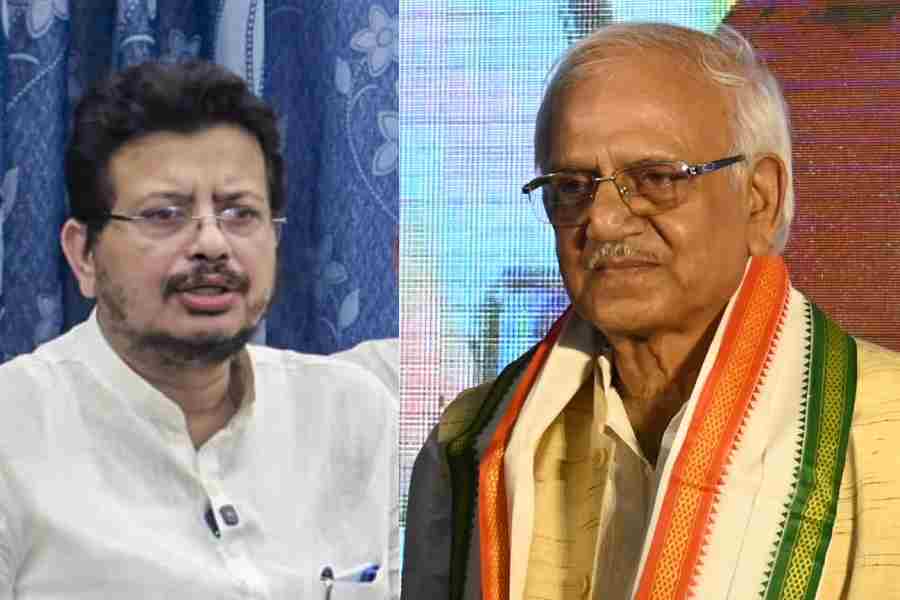
Bengal Assembly Passes Controversial University Staff Transfer Bill
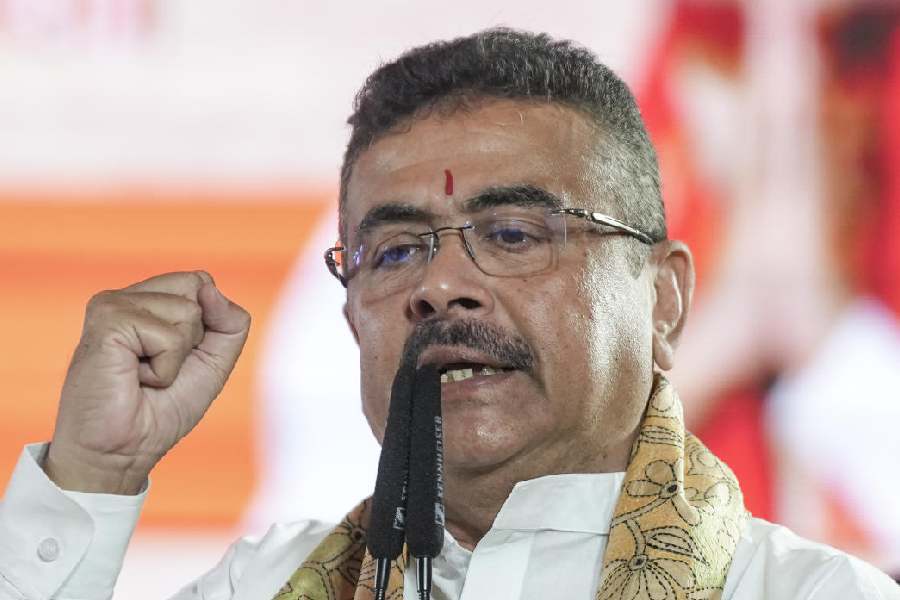
Bengal University Transfer Bill Raises Autonomy Concerns
Bengal Passes University Staff Transfer Bill Amid Backlash

West Bengal University Transfer Law Raises Autonomy Concerns
UGC Invites Nominations for Srinivasan Award in Low Temperature Physics
UGC Orders Disability Compliance, Data Submission By September 2026

AP PGECET 2026 Counselling Schedule Sets September Registration and Allotment

University of Bristol Opens First International Mumbai Campus
