5 hrs ago
Bengal University Transfer Bill Raises Autonomy Concerns
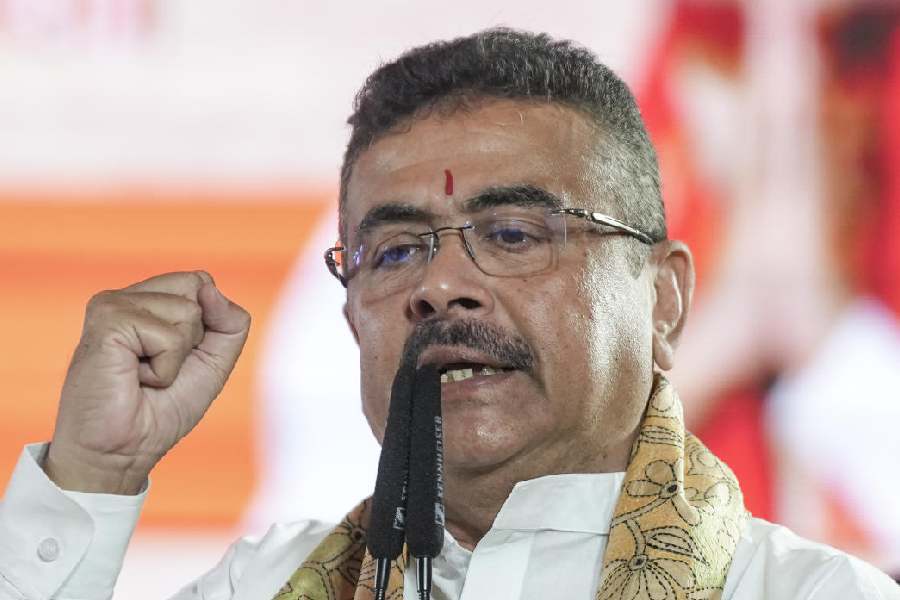
A proposed law in West Bengal would allow teachers to be moved between universities.
The government says this could help newer universities grow stronger.
Experienced teachers might share their knowledge about teaching and building institutions.
The editorial agrees that helping new universities is a good goal.
However, it says universities should normally decide whom they hire and keep.
Government-controlled transfers could make teachers feel uncertain or afraid of being punished for criticism.
The editorial also worries that students, research and open discussion could suffer.
It says money, buildings and independent planning are also needed to make new universities successful.

The West Bengal Universities and Colleges Administration and Regulation Amendment Bill, 2026 proposes inter-university transfers for teachers.
The government says experienced teachers could help newer universities such as those in Jhargram and Cooch Behar develop.
The editorial argues that university-specific hiring is part of institutional autonomy and would be weakened by government-directed transfers.
It warns transfers could destabilize academic standards and create insecurity among teachers and students.
The editorial says new universities also need funding, infrastructure, clear goals and freedom to build their own strengths.
- Who
- The West Bengal government, universities and their teachers are involved.
- What
- The West Bengal Universities and Colleges Administration and Regulation Amendment Bill, 2026 would create a system for transferring teachers between state universities.
- Where
- West Bengal, including newer universities in Jhargram and Cooch Behar.
- When
- The proposal is contained in the 2026 amendment bill.
- Why
- The government intends to use experienced teachers to help fledgling universities develop, while the editorial warns that the policy could undermine university autonomy and academic freedom.
Government’s rationale
Editorial’s concerns
Teacher transfers
Government’s rationale
Moving experienced teachers to fledgling universities could spread knowledge and help those institutions develop.
Editorial’s concerns
Government-directed transfers disregard each university’s hiring needs, academic traditions and autonomy.
Academic quality
Government’s rationale
Senior teachers could advise newer universities on infrastructure, teaching methods and institutional growth.
Editorial’s concerns
Transfers alone cannot guarantee excellence; universities also need funding, infrastructure and freedom to build their own capacities.
Effect on university life
Government’s rationale
The proposal is presented as a way to share teachers’ experience across institutions.
Editorial’s concerns
Uncertainty could affect research continuity, open intellectual engagement, diversity of opinion and the welfare of teachers and students.
Key facts
- Proposed legislation
- West Bengal Universities and Colleges Administration and Regulation Amendment Bill, 2026
- Main proposal
- Inter-university transfers of teachers
- Government rationale
- Experienced teachers could help newer universities improve teaching, infrastructure and institutional development.
- Universities mentioned
- Newer universities in Jhargram and Cooch Behar
- Editorial concern
- Government control over teacher placement could weaken university autonomy.
- Potential effects cited
- Possible instability in academic standards, teacher insecurity and reduced intellectual freedom.
- Other needs identified
- Funding, infrastructure, institutional goals and freedom to develop resources
Sources
Related news
Bengal University Transfer Bill Triggers Autonomy and Targeting Fears
West Bengal Assembly Tables Controversial Inter-University Staff Transfer Bill
Himachal Pradesh Assembly Passes University Recruitment Amendment Amid Opposition

BJP Rule and the Erosion of Academic Freedom in India
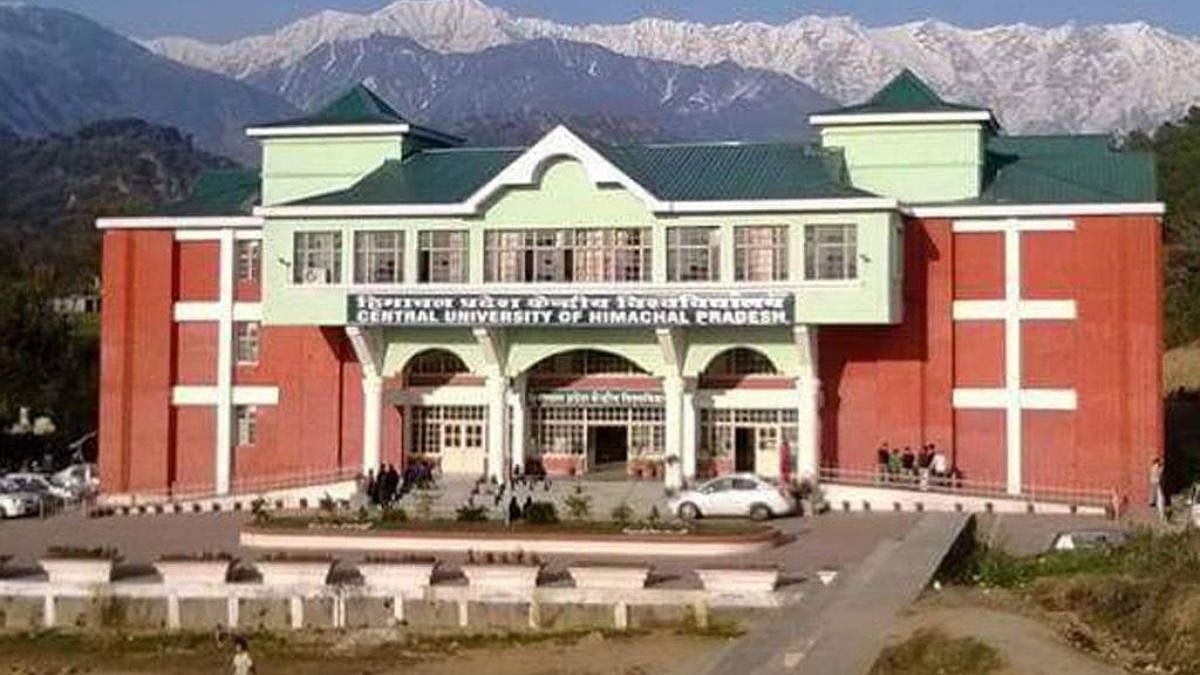
Himachal Court Cancels Disputed University Vice-Chancellor Appointment Process
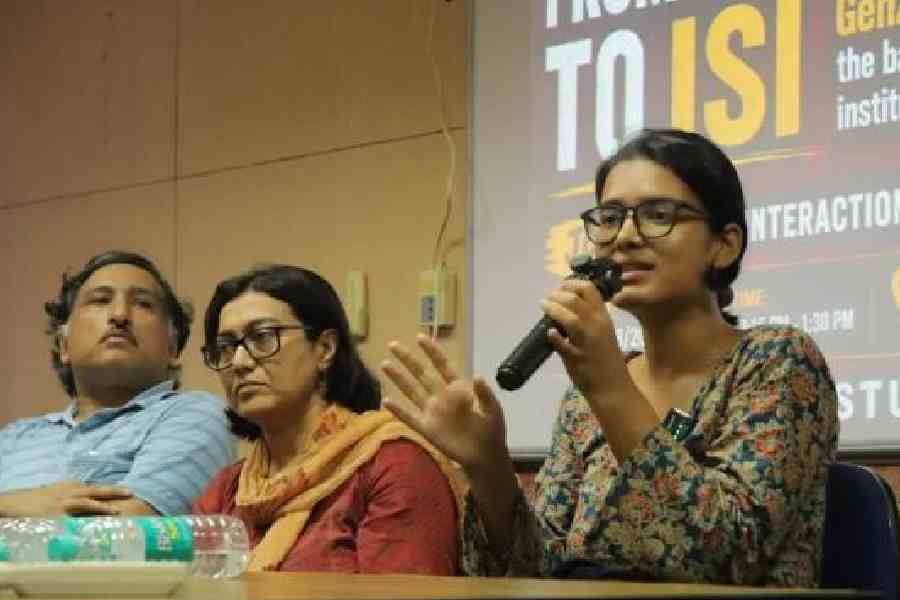
Student leader Neha Bora backs ISI autonomy fight against Bill
Delhi HC Records Undertaking to Remove Posts Against Gaurav Bhatia

Indian Politicians Embrace Viral ChatGPT 1980s Photo Trend

India's BJP and Congress Weaponise ChatGPT's Nostalgic AI Trend
Bihar Leaders Urged to Prioritize Jobs Over Renaming Debate
Census Schedule Eases Punjab Parties’ Election Preparations Before 2027 Polls