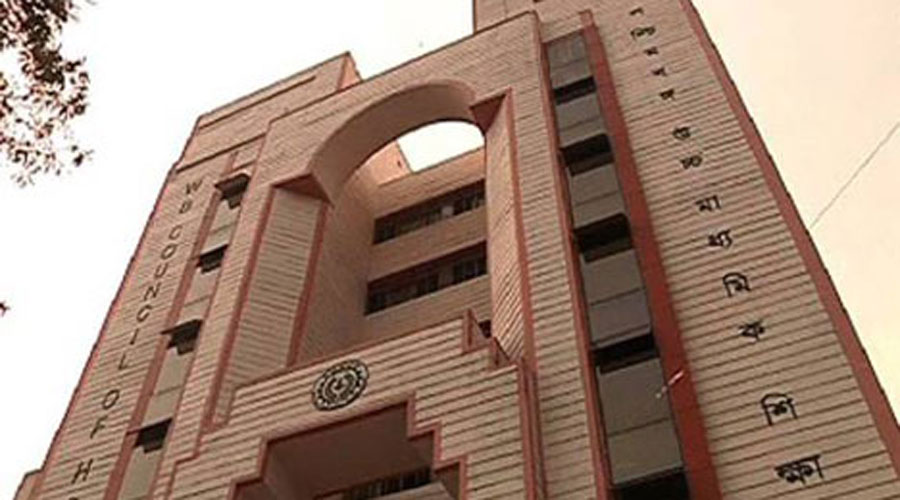
18 hrs ago
West Bengal University Transfer Law Raises Autonomy Concerns

West Bengal has passed a new law about university employees.
The law lets the state move teaching and non-teaching staff between different state universities.
The government says this could help newer or weaker universities get more experienced workers.
It also says the goal is to create new centres of excellence.
Critics worry that the government could make these decisions without clear rules.
They say this might reduce the independence of universities.
Faculty numbers also matter when universities are assessed for quality.
Another law changes how provident funds are handled for employees at 21 state universities.

The West Bengal Assembly passed a 2026 bill allowing staff transfers between state universities.
The government says transfers could distribute experienced personnel and help create new centres of excellence.
Critics warn that broad government discretion could weaken university autonomy and teaching quality.
Faculty strength is among the parameters used in National Assessment and Accreditation Council accreditation.
A separate bill places employees of 21 state universities under a 1983 provident-fund framework.
- Who
- The West Bengal Assembly and state government, along with employees of state universities, are involved.
- What
- The Assembly passed a bill permitting transfers of teaching and non-teaching staff between state universities, alongside a separate provident-fund amendment.
- Where
- West Bengal, India.
- When
- The measures were passed in 2026.
- Why
- The government says transfers could spread experienced personnel and support new centres of excellence; critics say the law risks weakening university autonomy and teaching quality.
Government rationale
Critics' concerns
Staff redistribution
Government rationale
Moving experienced teaching and non-teaching personnel between universities could strengthen weaker or newer institutions.
Critics' concerns
Transfers based on broad governmental discretion could disrupt institutional affiliations, academic responsibilities and teaching quality.
Autonomy and accountability
Government rationale
The Chief Minister said the legislation would balance university autonomy with accountability to the government.
Critics' concerns
Critics argue that giving the executive extensive transfer powers risks weakening university independence.
Service conditions
Government rationale
The related provident-fund legislation places employees of 21 universities under an existing 1983 framework.
Critics' concerns
The interaction between transfers, service conditions and retirement entitlements requires greater clarity.
Key facts
- Main legislation
- West Bengal Universities and Colleges (Administration and Regulation) (Amendment) Bill, 2026
- Transfer provision
- Allows teaching and non-teaching employees to be moved between state universities.
- Government rationale
- To distribute experienced personnel more evenly and help create new centres of excellence.
- Key concern
- The legislation does not establish clear criteria for government-directed transfers.
- Accreditation relevance
- Faculty strength is one of the parameters used for National Assessment and Accreditation Council accreditation.
- Related legislation
- The West Bengal University Laws (Amendment) Bill, 2026.
- Provident-fund coverage
- Employees of 21 state universities are brought under an existing 1983 framework.
Sources
Related news

West Bengal Assembly Tables Controversial Inter-University Staff Transfer Bill
Bengal University Transfer Bill Raises Autonomy Concerns
Bengal University Transfer Bill Triggers Autonomy and Targeting Fears

Bengal Assembly Passes Controversial University Staff Transfer Bill
Bengal Passes University Staff Transfer Bill Amid Backlash
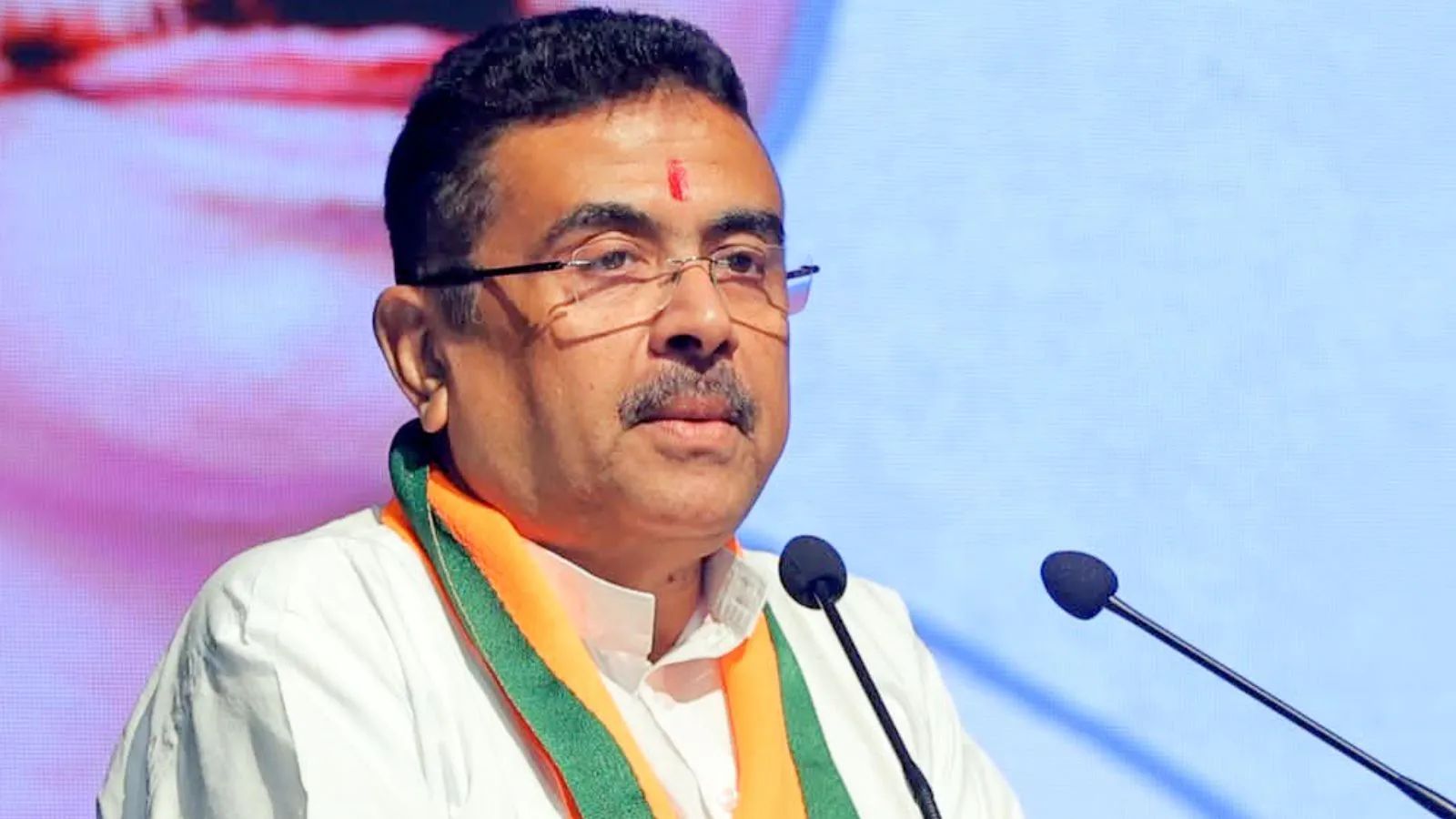
West Bengal University Bill Renews Debate Over Academic Liberty

Utkarsh Pipes & Fittings Expands Innovation, Quality and Sustainable Growth

The Statesman to Honour Rural and Environmental Journalism

Abhishek Banerjee Signals Defiance Amid Legal and Political Pressure

West Bengal Students May Get Four-Day Vishwakarma Puja Break

Sibal Seeks Tougher Anti-Defection Rules Amid TMC Split