1 week ago
India’s Parties Court Gen Z After Youth Protests
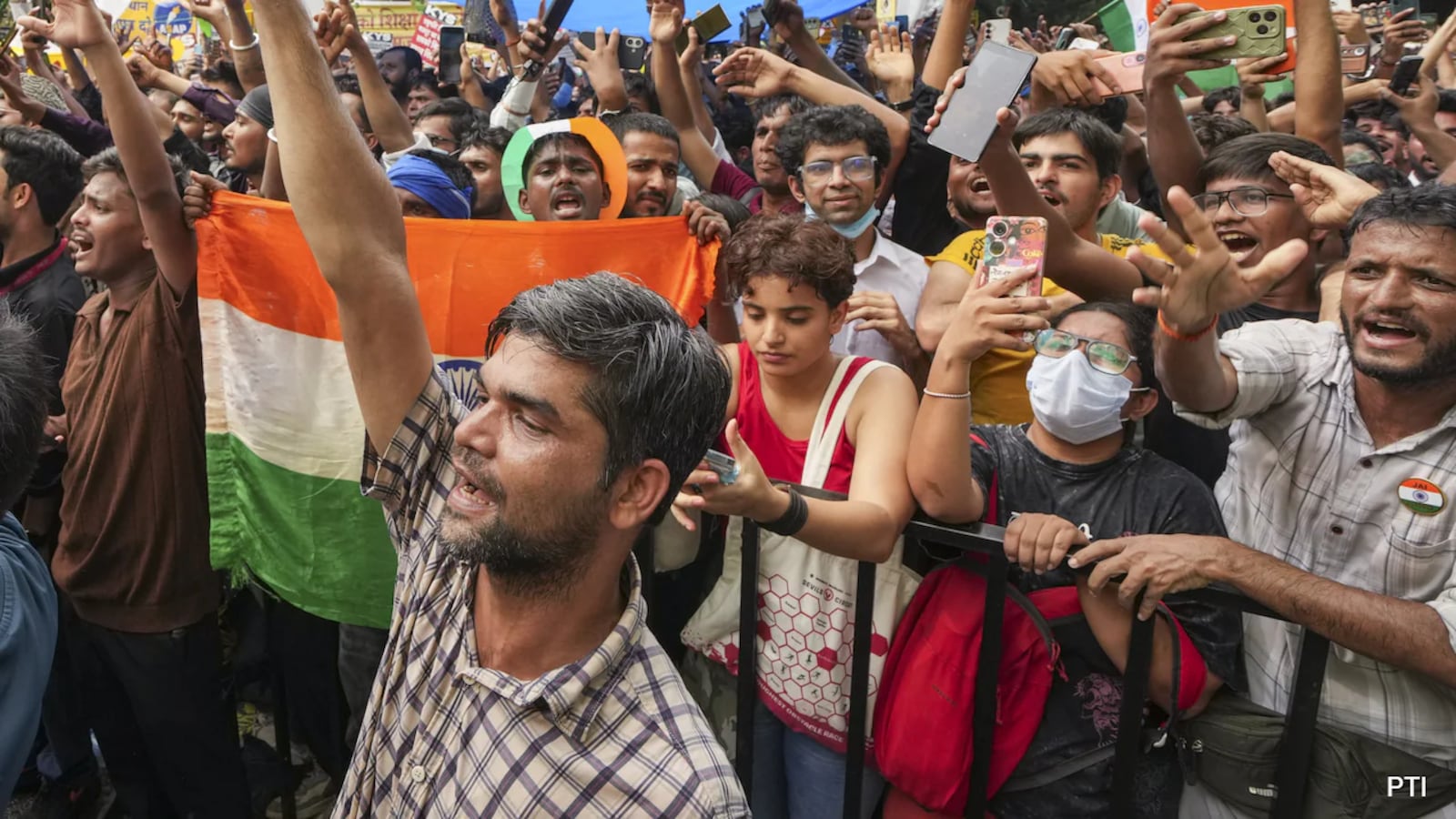
India’s political parties are paying more attention to young voters after student protests.
Gen Z is a very large group of young Indians who may strongly influence future elections.
Rahul Gandhi and the Congress have held student events and online conversations.
The BJP and the RSS have also increased their efforts to speak with young people.
Ministers are visiting campuses and using social media platforms.
However, young people may not trust politicians just because they make videos or attend meetings.
They want better education, jobs, fair examinations and affordable opportunities.
They also want leaders to show that complaints lead to real changes.
The article says parties must listen continuously and prove they can be accountable.

Student-led CJP protests have prompted the BJP and Congress to intensify outreach to young Indians.
Rahul Gandhi’s Pune event drew more than 30,000 student registrations, according to Congress.
The BJP has formed a Gen Z outreach team, while the RSS has increased engagement with teenagers.
Government departments and ministers are using Instagram, Snapchat and campus visits to reach students directly.
The article argues that lasting support will depend on action on jobs, education, fair institutions and mental well-being—not just visibility.
- Who
- India’s Gen Z voters, student protesters, the BJP, Congress, Rahul Gandhi, the RSS and government ministers.
- What
- Political parties are increasing outreach to young voters, but the article questions whether these efforts will earn Gen Z’s trust and votes.
- Where
- India, including Rahul Gandhi’s event in Pune and youth protests cited in Jharkhand.
- When
- The shift followed the student-led CJP protests; Gen Z is projected to number nearly 380 million by 2029.
- Why
- The protests showed that young people can organize independently and are demanding answers on education, employment, examinations and institutional trust.
Congress’s Approach
BJP’s Approach
Political outreach
Congress’s Approach
Congress is using campus engagement and direct conversations, including Rahul Gandhi’s Pune event and Instagram question-and-answer initiatives, to present itself as a voice for youth discontent.
BJP’s Approach
The BJP is expanding organized Gen Z outreach through its party machinery, social-media activity, ministerial campus visits and direct engagement by government departments.
Credibility challenge
Congress’s Approach
Congress can criticize youth-related problems, but it must explain what concrete alternative policies it would offer on employment, education and institutions.
BJP’s Approach
The BJP can point to its control of government and demonstrate delivery, but it must persuade young people that governance is responsive rather than merely efficient.
What young voters want
Congress’s Approach
The article suggests young voters may support Congress on particular issues such as employment or education without adopting lasting party loyalty.
BJP’s Approach
The article similarly cautions that BJP’s traditional ideological framework may not permanently capture Gen Z, whose choices may be transactional and issue-based.
Key facts
- Projected Gen Z population
- Nearly 380 million by 2029
- Age range cited
- 18 to 32
- Congress Pune event
- Congress said more than 30,000 students registered
- BJP initiative
- A dedicated Gen Z outreach team
- RSS initiative
- Increased engagement with teenagers
- Government outreach
- A reported “one day one campus” plan for ministers to hear student concerns
- Core concerns
- Employment, education costs, examination reliability, institutional fairness and mental well-being
Sources
Related news

Tharoor Questions Whether Parties Failed to Hear Gen Z
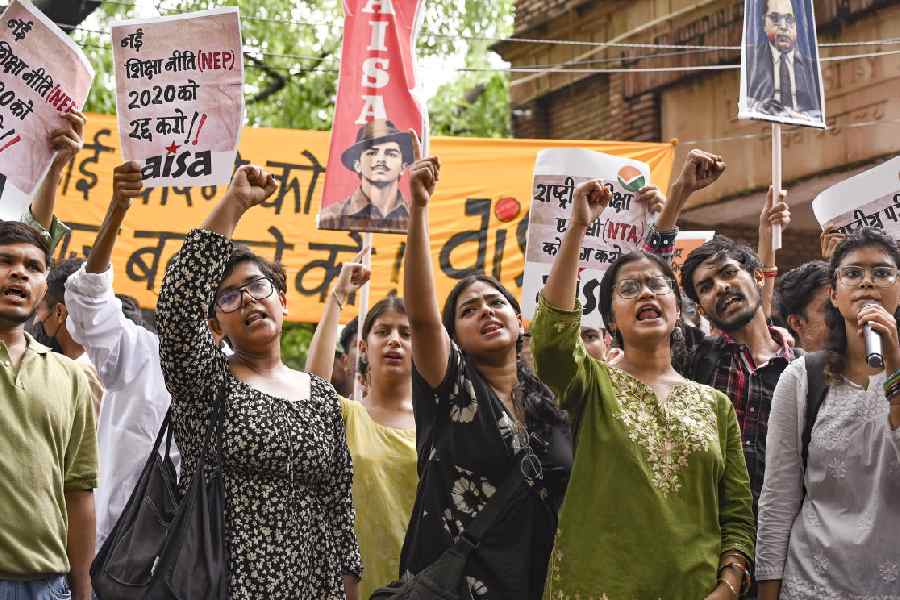
CJP, AISA, Congress Step Up Gen Z Engagement Across India
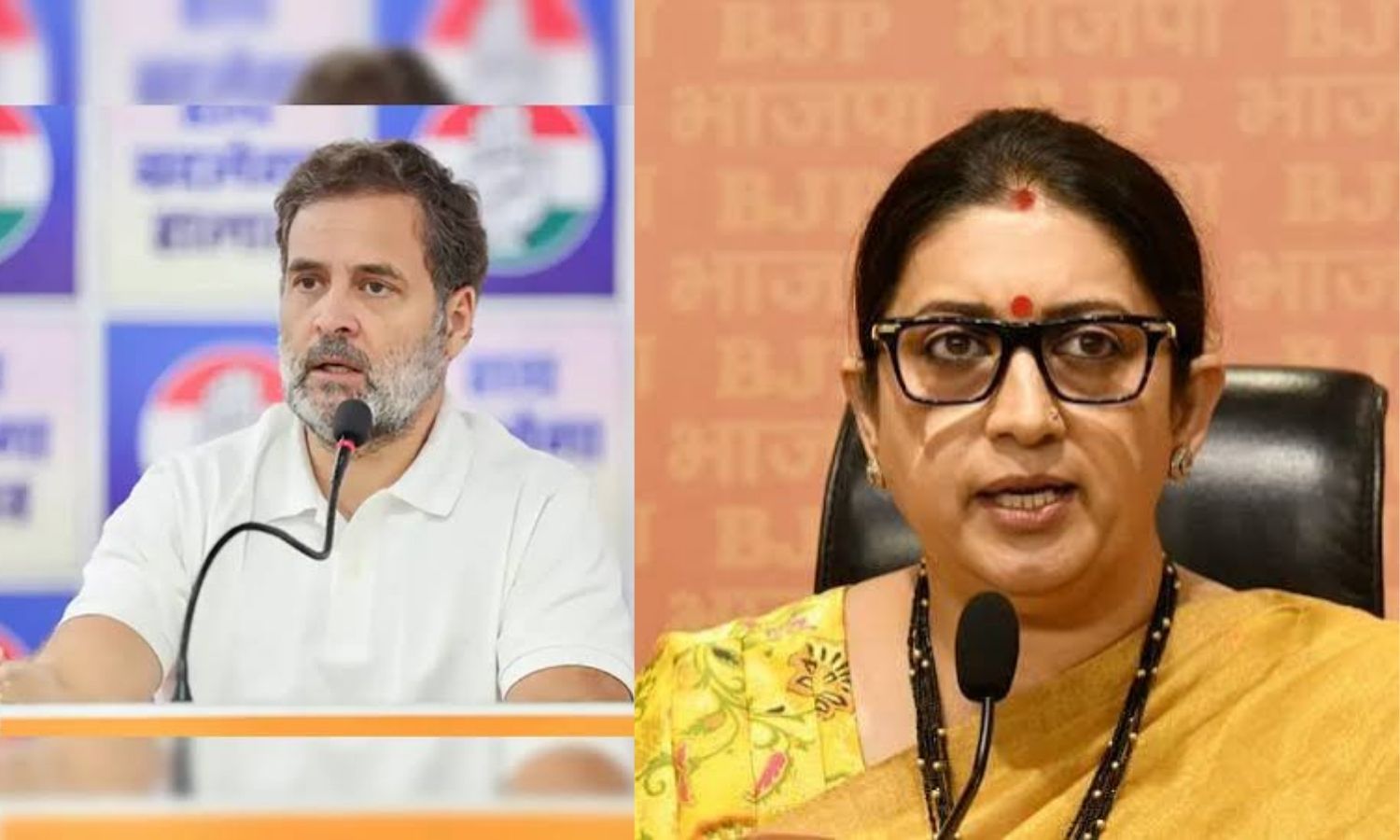
Rahul Gandhi Gains Ground as BJP Struggles with Youth Anger

BJP Gen Z Outreach Draws Opposition Claims of Youth Appeasement

Gen Z Becomes Political Battleground Ahead of 2029 Elections

Rahul Gandhi's Gen Z Outreach Questioned by Congress' Shashi Tharoor
Ayodhya Temple CEO Appointment Faces Opposition Donation Allegations

Telangana BJP Alleges Congress, BRS Avoid Hyderabad Liberation Day
Haryana sanitation workers’ strike puts BJP government under pressure

Rival NC-BJP Protests Roil J&K as Police Halt Marches
Shivakumar Calls BJP Padayatra Cover-Up for Internal Crisis