

1 hr ago
House Advances Russia Sanctions Bill Threatening India With 100% Tariffs
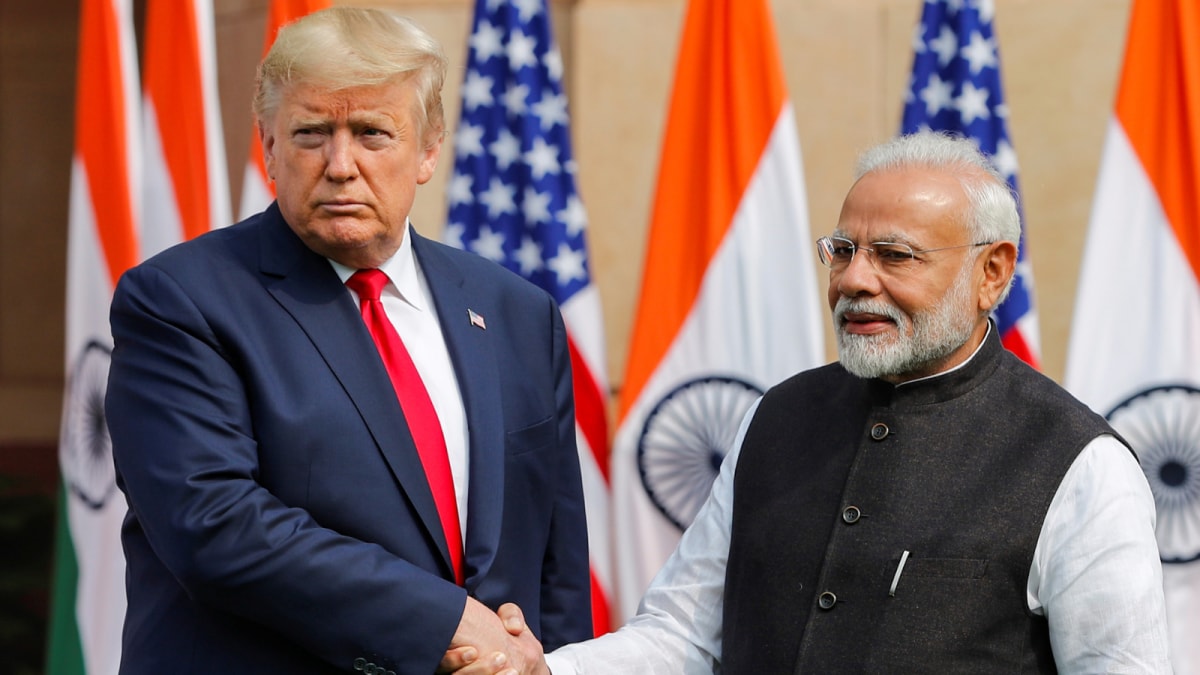
The US Congress is considering a bill meant to pressure Russia over its war in Ukraine.
The bill targets Russia’s leaders, energy industry and ships accused of helping avoid sanctions.
It could let President Donald Trump charge very high taxes, called tariffs, on goods from countries that buy Russian oil and gas.
India is included on a House list of countries that could face tariffs as high as 100 percent.
This does not mean India will automatically receive those tariffs.
Trump would have to decide whether to use the power if the bill becomes law.
The US Senate already passed its version, but the House still has to vote.
Some lawmakers support the bill as a way to pressure Russia, while others worry that it gives the president too much power and could increase prices in the United States.
India says energy cooperation with Russia remains important to its national interests.

The US House advanced the Lindsey O. Graham Sanctioning Russia and Iran Act of 2026 by a 214-211 procedural vote on September 15, 2026.
The bill could authorize President Donald Trump to impose tariffs of up to 100% on countries buying Russian oil and gas.
A House amendment specifically names India, China, Türkiye, Azerbaijan, Hungary, Slovakia, the UAE, Singapore, Kazakhstan and Kyrgyzstan as potentially subject to the tariffs.
The Senate passed its version 86-11 on August 7, but it did not specifically name individual countries or remove the tariff authority.
The House is expected to hold a final vote before an early recess; the tariff provisions could still change through the amendment process.
- Who
- The US House of Representatives, President Donald Trump, Russia and countries including India that buy Russian energy are involved.
- What
- The House advanced legislation that could authorize tariffs of up to 100% on major purchasers of Russian oil and gas, including India.
- Where
- The action took place in the United States House of Representatives.
- When
- The procedural vote occurred on Tuesday, September 15, 2026; a final House vote was expected on Wednesday.
- Why
- The bill seeks to increase economic pressure on Russia and countries that continue purchasing Russian energy, which US officials say helps fund Russia’s war in Ukraine.
Critics of the tariff authority
Supporters of the sanctions bill
Presidential tariff powers
Critics of the tariff authority
Opponents argue that the measure would give President Trump excessively broad authority to impose tariffs and could raise prices for US consumers.
Supporters of the sanctions bill
Supporters say expanded presidential authority would provide leverage against countries continuing to buy Russian energy.
Impact on Russia
Critics of the tariff authority
Critics oppose using secondary tariffs against other countries and question the consequences of escalating trade tensions, particularly with India.
Supporters of the sanctions bill
Backers argue that targeting major buyers of Russian oil and gas could reduce revenue supporting Moscow’s war in Ukraine.
India’s inclusion
Critics of the tariff authority
India could face significant trade pressure if the tariff authority is enacted and used against it, despite the tariffs not being automatic.
Supporters of the sanctions bill
Supporters view India’s inclusion, alongside other major Russian-energy buyers, as a way to encourage countries to choose access to the US market over discounted Russian energy.
Key facts
- Bill
- Lindsey O. Graham Sanctioning Russia and Iran Act of 2026
- House procedural vote
- Passed 214-211 on September 15, 2026
- Senate vote
- Passed 86-11 on August 7, 2026
- Potential tariff
- Up to 100% on goods from eligible countries
- Countries named by House amendment
- India, China, Türkiye, Azerbaijan, Hungary, Slovakia, the UAE, Singapore, Kazakhstan and Kyrgyzstan
- India’s position
- India describes energy cooperation with Russia as an important pillar of the bilateral partnership and says purchases depend on national interest, availability and global prices
- Next step
- The House must approve the legislation before it can be sent to President Trump
Quotes
Darline Graham
Sister of the late US Senator Lindsey Graham
“This bill forces those primary countries keeping Russia's economy afloat to make a simple yet critical choice – a choice between doing business with America or buying cheap Russian energy”
 livemint.com

Randhir Jaiswal
Spokesperson for India’s Ministry of External Affairs
“The energy cooperation between India and Russia is an important pillar of our partnership. Both countries have been collaborating in the energy sector for a long time, including in the field of nuclear energy. The Kudankulam project is a successful example of India-Russia collaboration in the energy sector.”
livemint.com
Sources
India to face 100% tariffs? US House moves Russia Sanctions bill, final vote tomorrow
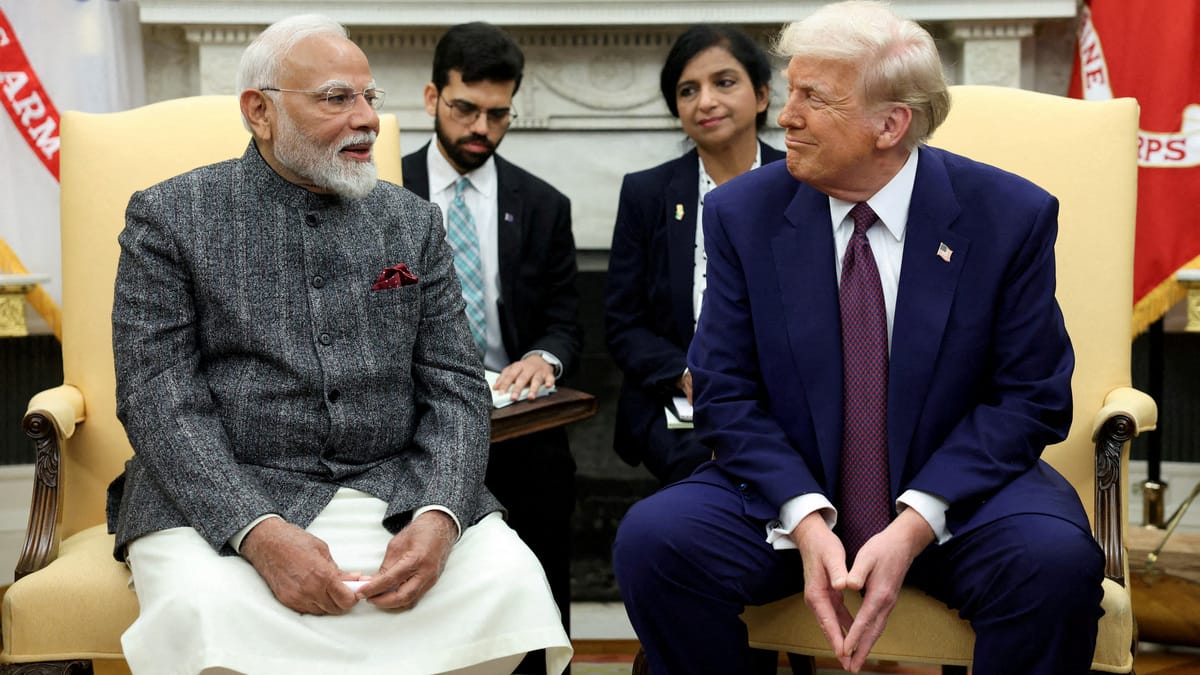
US House advances Russia sanctions bill that could hit India with 100% tariffs

100% tariff threat to India: US House advances Russia sanctions bill
US House Advances Bill Allowing Trump To Impose 100% Tariffs On India Over Russian Oil
Related news

India Named in Proposed 100% US Russia Sanctions Tariffs
US House Advances Bill Targeting Buyers of Russian Oil
Two Washington moves could threaten the US-India trade deal

US House to Consider Russia Sanctions Bill Next Week

Russian Envoy Warns Markets Cannot Cope Without Russian Oil

Russia Condemns US Pressure Over Oil Sales to India
Zelenskiy Says Ukraine Tests New Weapon Against Russian Drones

Zelenskyy Says Russian Drones Targeted His Plane Twice
India Highlights 7.8% Growth Amid Global Geopolitical Conflicts
Ukraine Claims Donetsk Gains as Kremlin Backs Trump Energy Truce
