

1 day ago
India-China Talks Show Signs of Border Ties Stabilizing

India and China held an important meeting about their disputed border.
Ajit Doval represented India, while Wang Yi represented China.
They agreed to keep talking about where the border should be and how to prevent problems.
They also planned more hotlines and meeting places so soldiers and officials can communicate quickly.
The countries will discuss rivers and water data, including information about the Brahmaputra.
Travel, trade and pilgrimage links between the two countries have also improved.
However, the two sides still disagree about parts of the border and do not fully trust each other.
China is worried about India’s ties with Japan and the QUAD, while India is concerned about China’s military and partnership with Pakistan.
The upcoming BRICS summit could show whether relations continue to improve.

Ajit Doval and Wang Yi held the 25th round of Special Representative talks in Beijing last week.
Their joint statement referred to an “Early and Substantial Harvest” on boundary delimitation and border management.
India and China agreed to discuss regional border settlements, establish additional meeting points and hotlines, and use existing diplomatic and military channels during incidents.
The countries will resume talks on trans-border rivers, including issues involving Brahmaputra hydrological data, and have expanded cooperation in trade and pilgrimage.
Despite resumed visas, direct flights, trading points and other exchanges, distrust remains over Arunachal Pradesh, Ladakh, Japan, the QUAD and China’s support for Pakistan.
- Who
- India’s National Security Adviser Ajit Doval and Chinese Foreign Minister Wang Yi, serving as the two Special Representatives.
- What
- They held the 25th round of talks and announced eight points of outcomes and consensus on border delimitation, border management and wider cooperation.
- Where
- Beijing, China.
- When
- The talks took place last week, about a month before the scheduled BRICS summit.
- Why
- The stated aim was to advance boundary discussions, stabilize border conditions and improve dialogue and cooperation before the BRICS summit.
Stabilization View
Cautionary View
Meaning of the talks
Stabilization View
The use of “delimitation” and plans for expert and working groups suggest movement toward a more permanent border settlement.
Cautionary View
The process is expected to remain slow, and disagreements over claim lines in Arunachal Pradesh and Ladakh continue to cause standoffs.
Border security
Stabilization View
Additional hotlines, meeting points and established diplomatic and military channels could help prevent incidents from escalating.
Cautionary View
Distrust remains, and the article warns that clashes could occur unless tensions are checked, despite no clashes since Yangtze in December 2022.
Wider relationship
Stabilization View
Resumed travel, direct flights, trade and pilgrimage links indicate broader efforts to create a cooperative atmosphere.
Cautionary View
China’s support for Pakistan, India’s growing ties with Japan and the QUAD, and the technological gap between India and China remain major strategic concerns.
Key facts
- Talks
- 25th round of Special Representative talks
- Participants
- Ajit Doval and Wang Yi
- Main framework
- Eight points of outcomes and consensus
- Potential border focus
- Sikkim and the Central Sector, including Uttarakhand and Himachal Pradesh
- New communication measures
- Two additional meeting points and hotlines, one each for the Eastern and Central sectors
- River discussions
- The next Expert-level Mechanism on Trans-border Rivers meeting is planned for September
- Other ties
- Tourist visas and direct flights have resumed, and three additional trading points have opened
Quotes
India-China joint statement
Joint statement issued after the India-China Special Representative talks
“The two sides agreed to strengthen exchanges and cooperation in border trade, pilgrimage and other areas, with the view to work together to create an atmosphere featuring dialogue, peace, consultation and cooperation in the border areas.”
 thestatesman.com
Sources
Related news
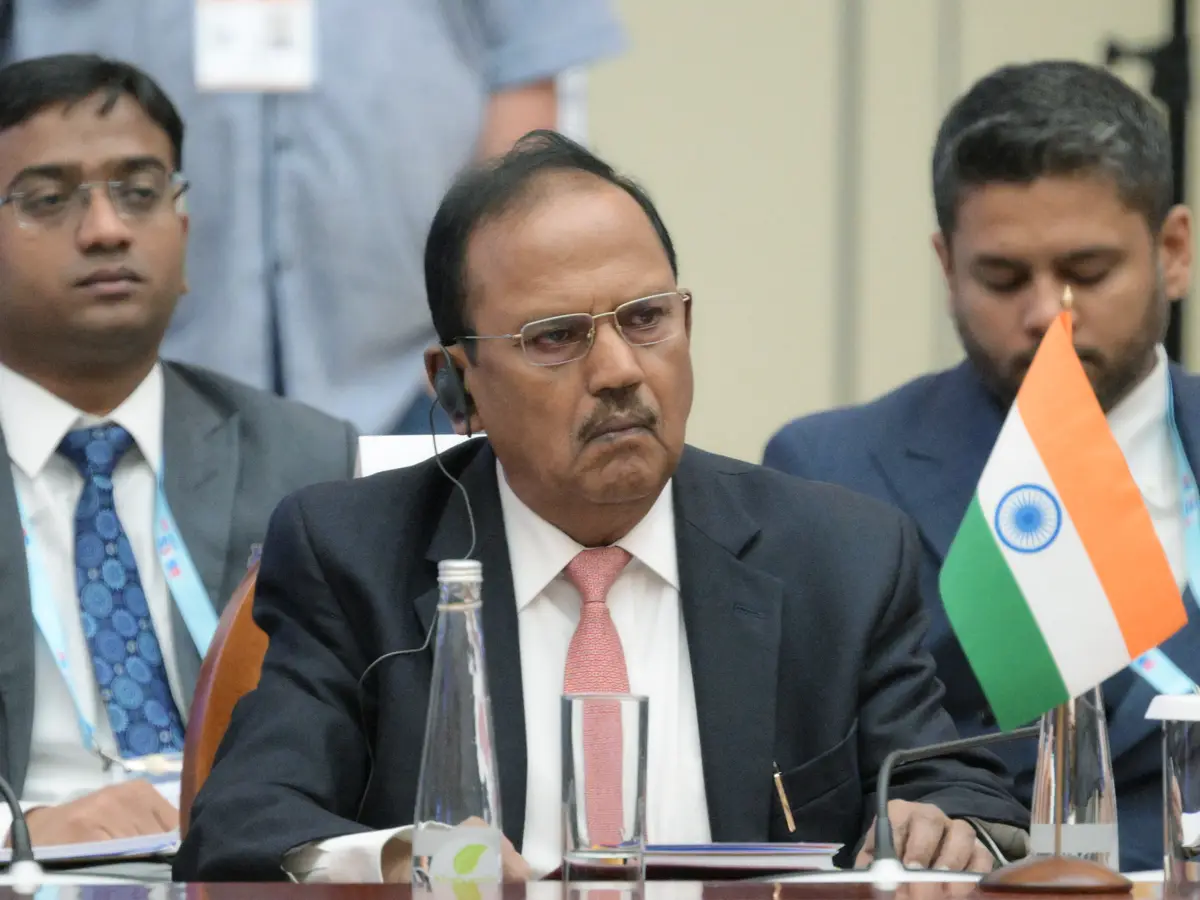
Doval Arrives in Beijing for Boundary Talks Amid Tensions

Doval-Wang Beijing Talks Focus on Border Stability, BRICS

India-China Talks Seek Border Progress Amid Calls for Peace
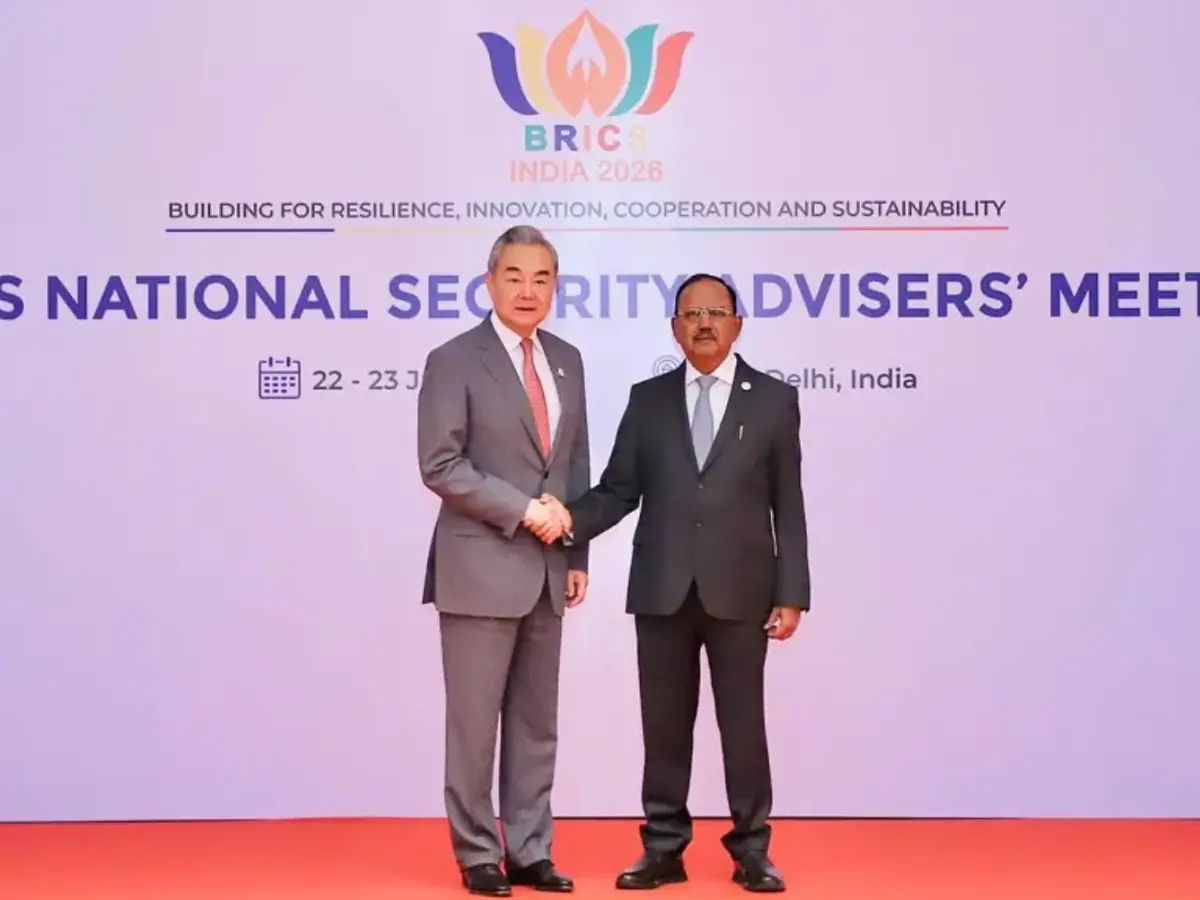
Doval-Wang Beijing Talks Test India-China Ties Before BRICS
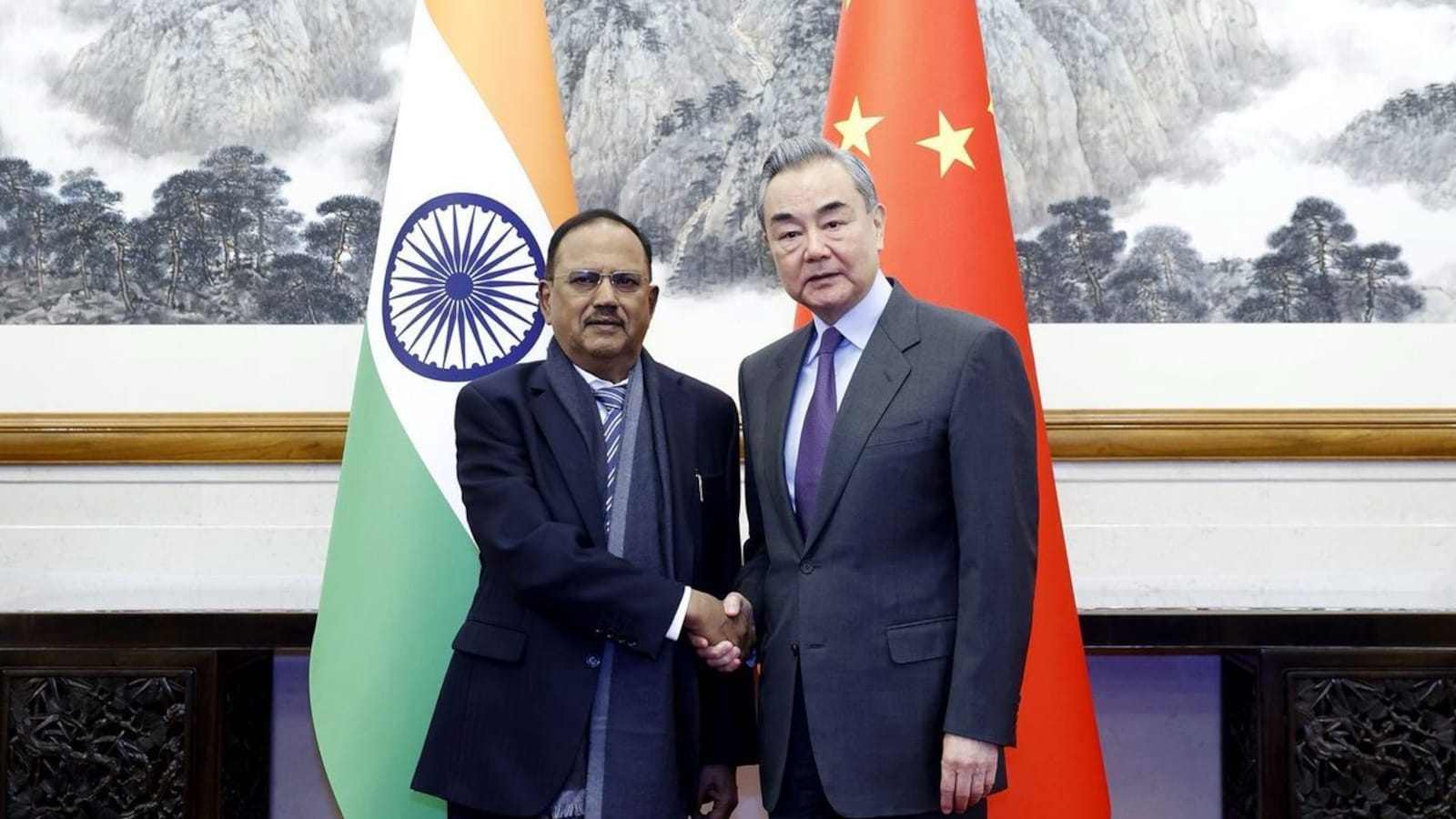
India-China Resume Border Talks, Seek Political Settlement
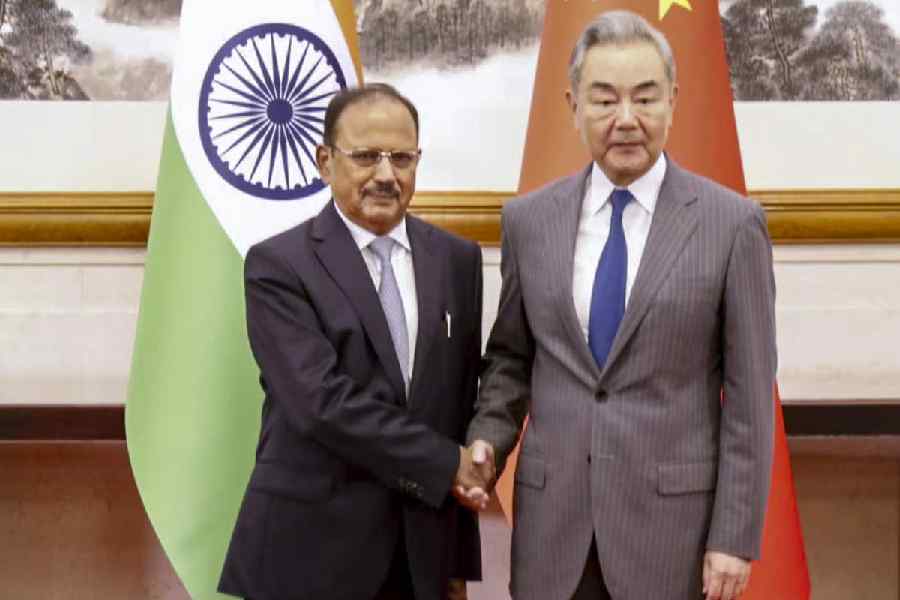
India-China Border Talks Seek Peace Amid Arunachal Tensions
India's 7.8% GDP Growth Sparks Questions Over Economic Reality

Congress Questions Haryana’s Falling Sex Ratio Despite Beti Bachao
Three Killed, Several Injured in Rewa Bus Collision

West Bengal Plans Mega Durga Puja Show at Eden Gardens
NVIDIA CEO urges Indian startups to build local AI economy
