3 days ago
Nepal-China Glacier Collapse Leaves Hundreds Dead, Thousands Missing
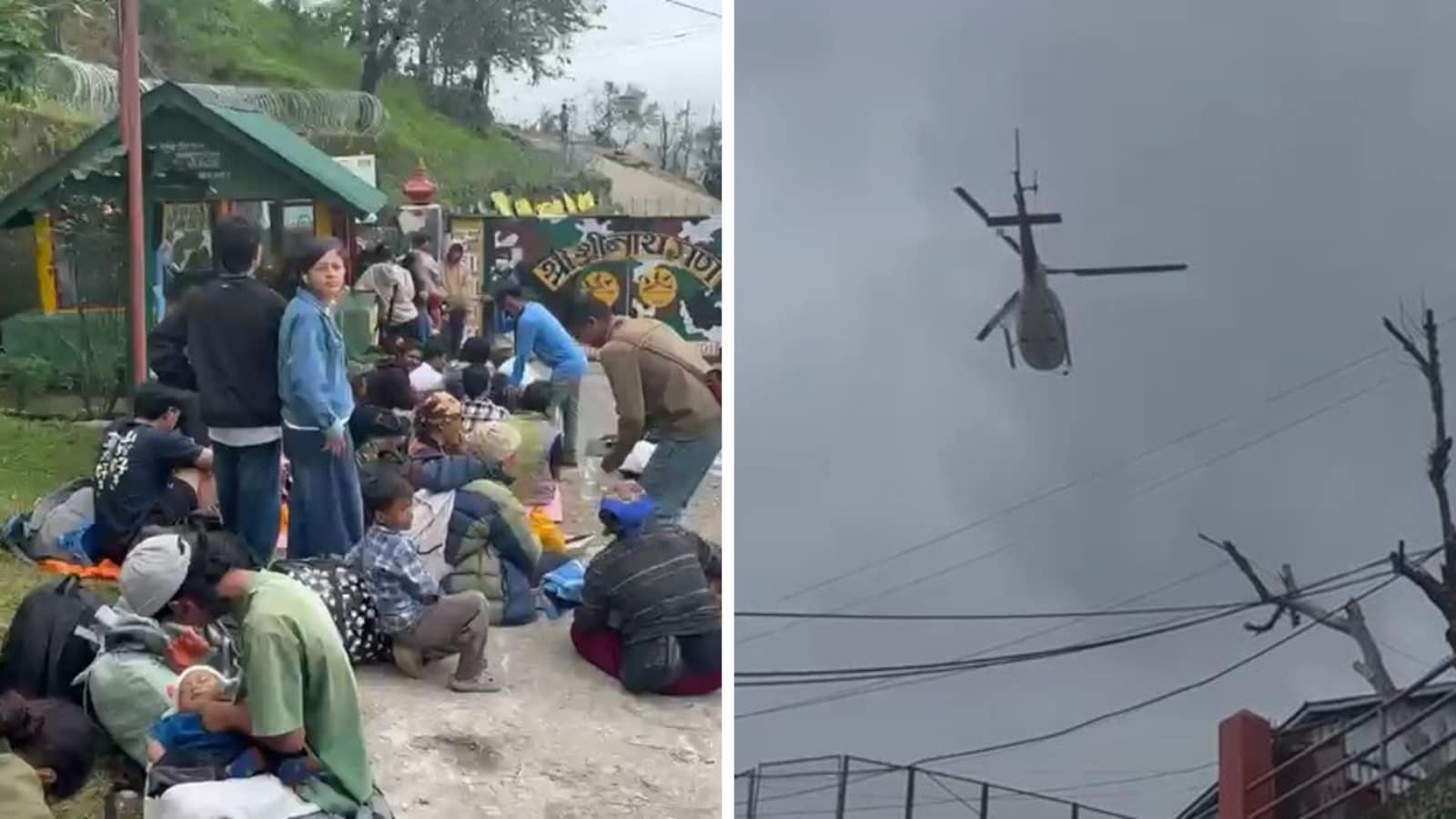
A glacier in the Himalayas broke apart and sent a huge wave of ice, rocks, mud and water downhill.
The disaster affected areas in Nepal and China near their border.
Hundreds of people were reported dead, and more than 3,000 were still missing.
Some missing workers may be trapped inside tunnels at hydropower plants.
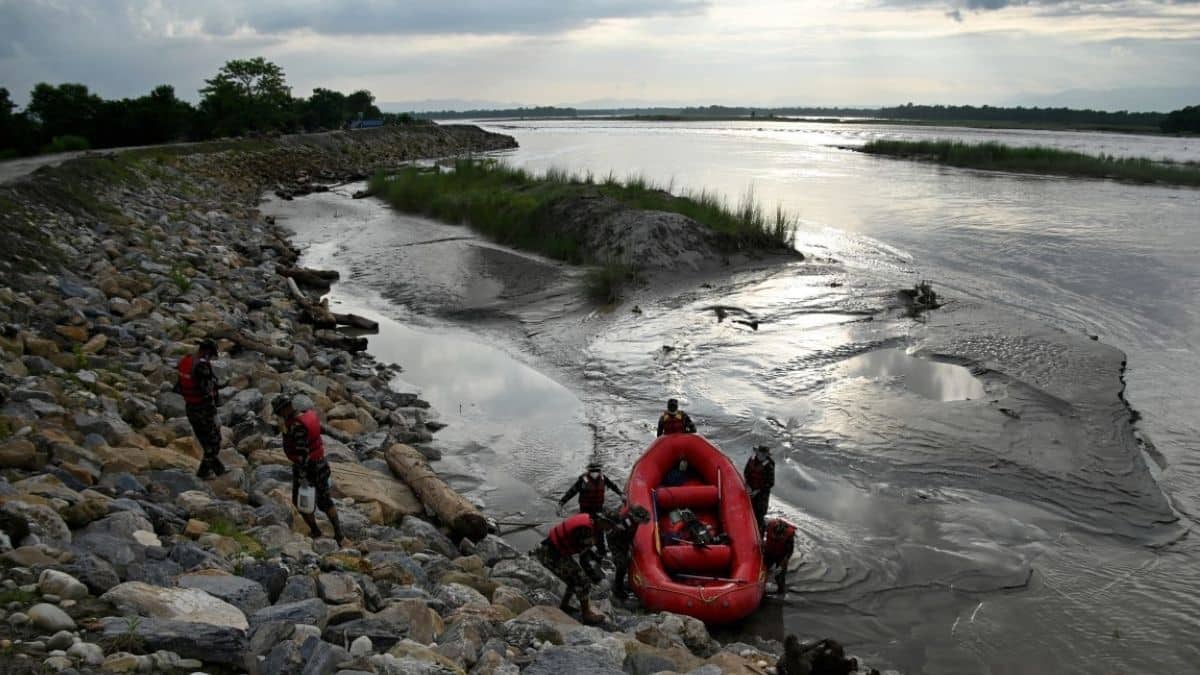
Rescuers had trouble working because of rain, rising rivers and more landslides.
A new pool of water formed behind a landslide, creating fears of more flooding.
Nepal began burying badly damaged bodies after collecting DNA samples to help identify them.
China said the glacier’s instability was connected to the long-term effects of global warming.
Other reports said the exact cause of the collapse was not yet certain.

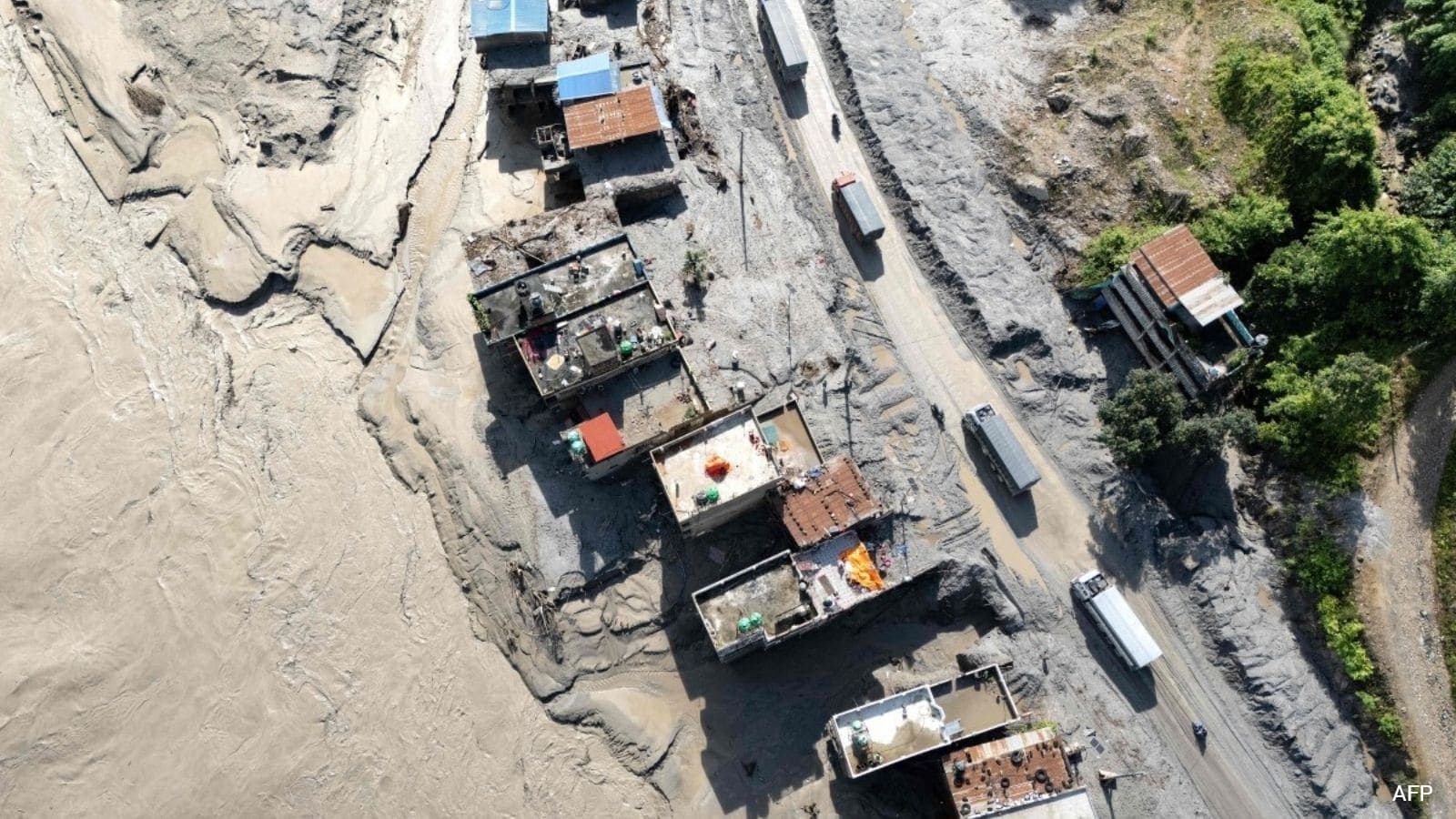
A glacier collapse sent ice, rock, mud and debris through Himalayan valleys on Wednesday.
Reported death tolls ranged from 750 to 797 in Nepal and China, with more than 3,000 missing.
Floods damaged hydropower projects, and hundreds of workers may be trapped inside tunnels.
Rain, rising rivers and a new landslide-created lake or dam repeatedly disrupted rescue operations.
Nepal began burying unidentified victims and requested international help with rescue and forensic identification.
- Who
- Residents, missing hydropower workers, authorities and rescuers in Nepal and China, with assistance from Indian and Chinese specialists.
- What
- A glacial collapse triggered a massive debris flow and flash floods that killed hundreds and left more than 3,000 people missing.
- Where
- The disaster affected Himalayan valleys and rivers along the Nepal-China border, including Nepal’s Rasuwa, Chitwan and Nuwakot areas and China’s Gyirong County.
- When
- The disaster struck on Wednesday, August 26; the reported updates were issued on Sunday, August 30.
- Why
- The immediate trigger was reported as a fractured or unstable glacier. Chinese authorities linked the instability to the long-term effects of global warming, while other reports said the exact cause remained unclear.
Climate-linked explanation
Cautious assessment
Cause of the collapse
Climate-linked explanation
Chinese state media and officials said glacier instability resulted from the long-term effects of global warming and represented an emerging type of cryosphere disaster.
Cautious assessment
Other reports said the exact cause remained unclear, while citing accounts that a glacier on the southern slope of Lirung Peak fractured and triggered an ice-rock avalanche.
Scale of the disaster
Climate-linked explanation
Officials described the event as the most severe cross-border disaster between Nepal and China in recent years, with rescue operations at an unprecedented level of difficulty.
Cautious assessment
Independent assessment of the disaster’s full scale in Tibet was limited because the region was largely inaccessible to foreign journalists.
Key facts
- Reported casualties
- Combined reports gave death tolls ranging from 750 to 797 and missing-person totals ranging from 3,044 to 3,048.
- Nepal figures
- Nepal’s updates cited between 734 and 781 deaths and between 2,498 and 2,502 people missing.
- China figures
- Chinese authorities reported 16 deaths and 546 missing people in Gyirong County.
- People affected
- The Red Cross estimated that more than 90,000 people in Nepal were affected or potentially affected.
- Hydropower workers
- Nepal listed 933 hydropower workers among the missing; around 350 people were believed possibly trapped in a Trishuli 3A tunnel.
- Mass burials
- Nepal buried more than 100 unidentified bodies and collected DNA samples and identifying details for possible later identification.
- Rescue and aid
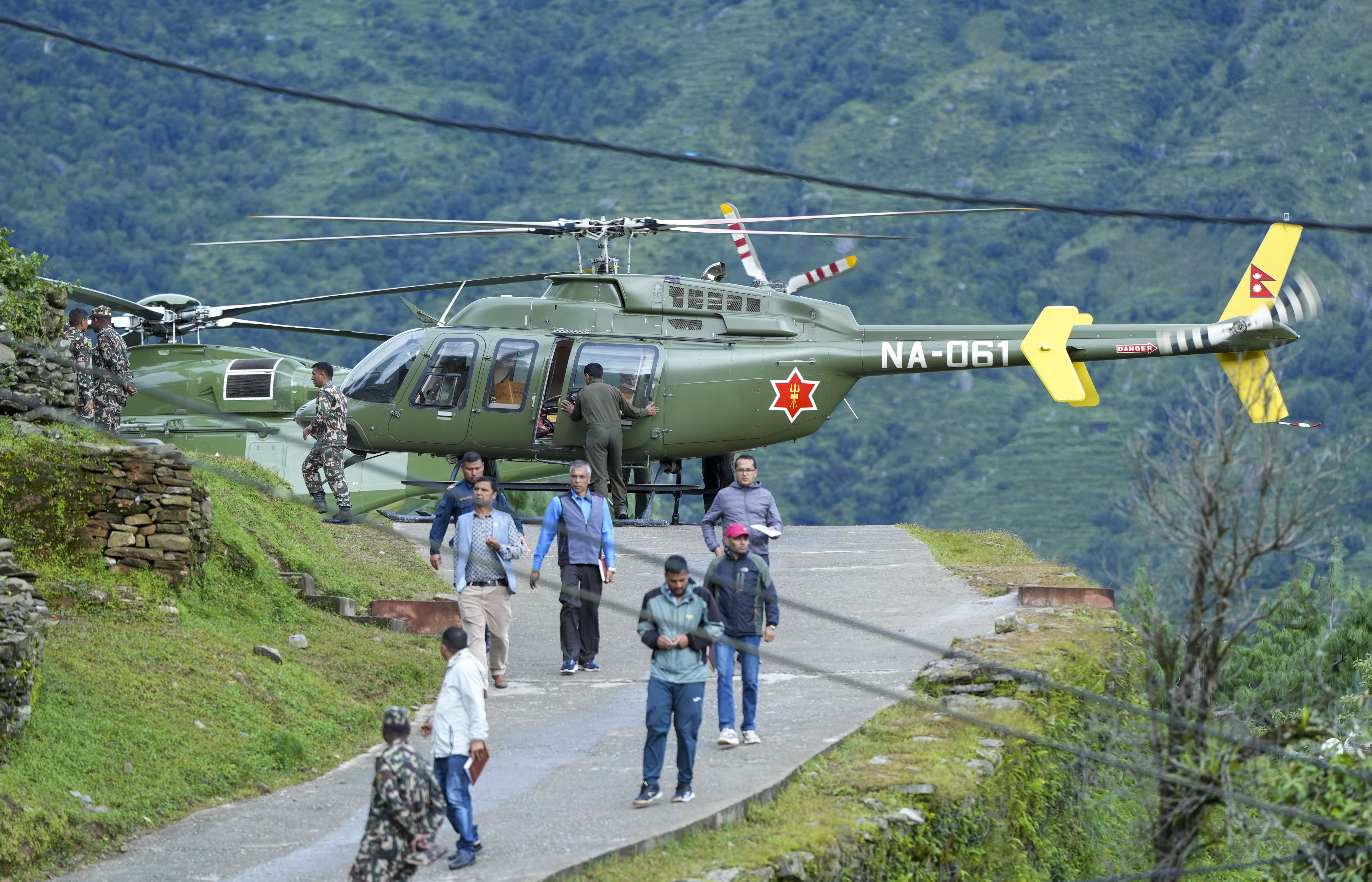
- China mobilised more than 2,100 rescuers and allocated at least 220 million yuan, while Nepal requested specialised international rescue and forensic assistance.
- Foreign assistance
- India and China sent specialist teams; the United States, Canada, the United Kingdom, the United Nations, the European Union, Malaysia and other organisations announced assistance.
Quotes
Buddhi Ram Dangol
A survivor in Nepal’s Nuwakot district
“Of the bodies we have recovered so far, more than half are beyond recognition. Many have no visible faces. In some cases, only hands or legs remain; in others, only parts of the body are available. In many cases, more than half of the head is missing.”
 easterneye.biz
 theprint.in
“I have come here looking for my son. He was a labourer at the hydropower plant, but I can't find his name, and the authorities are not saying anything.”
 NDTV
NDTV
Simon Stiell
UN climate chief
“The sudden glacial collapse and flash flood is a devastating reminder of how fragile these mountain environments can be.”
 firstpost.com
easterneye.biz
NDTV
firstpost.com
easterneye.biz
NDTV

Isha Foundation
Indian spiritual organization led by Sadhguru
“At this time, there seems to be no encouraging indications of survivors at the immigration office area”
firstpost.com

Wang Yi
China’s foreign minister speaking to Nepal’s foreign minister about the disaster
“most severe cross-border disaster in recent years”
theprint.in
Sources
Nepal flood death toll rises to 797 as more than 3,000 remain missing

Mass burials begin in Nepal as glacier collapse leaves more than 3,000 missing
Over 700 Dead, More Than 3,000 Missing: What We Know Of Nepal Flood Aftermath

Rescuers battle floods and debris as Himalayan disaster death toll nears 800
Rescuers race to find thousands missing after Nepal-China glacier collapse
Related news
Nepal-Tibet Glacial Floods Kill 939 as Rescues Enter Day Six
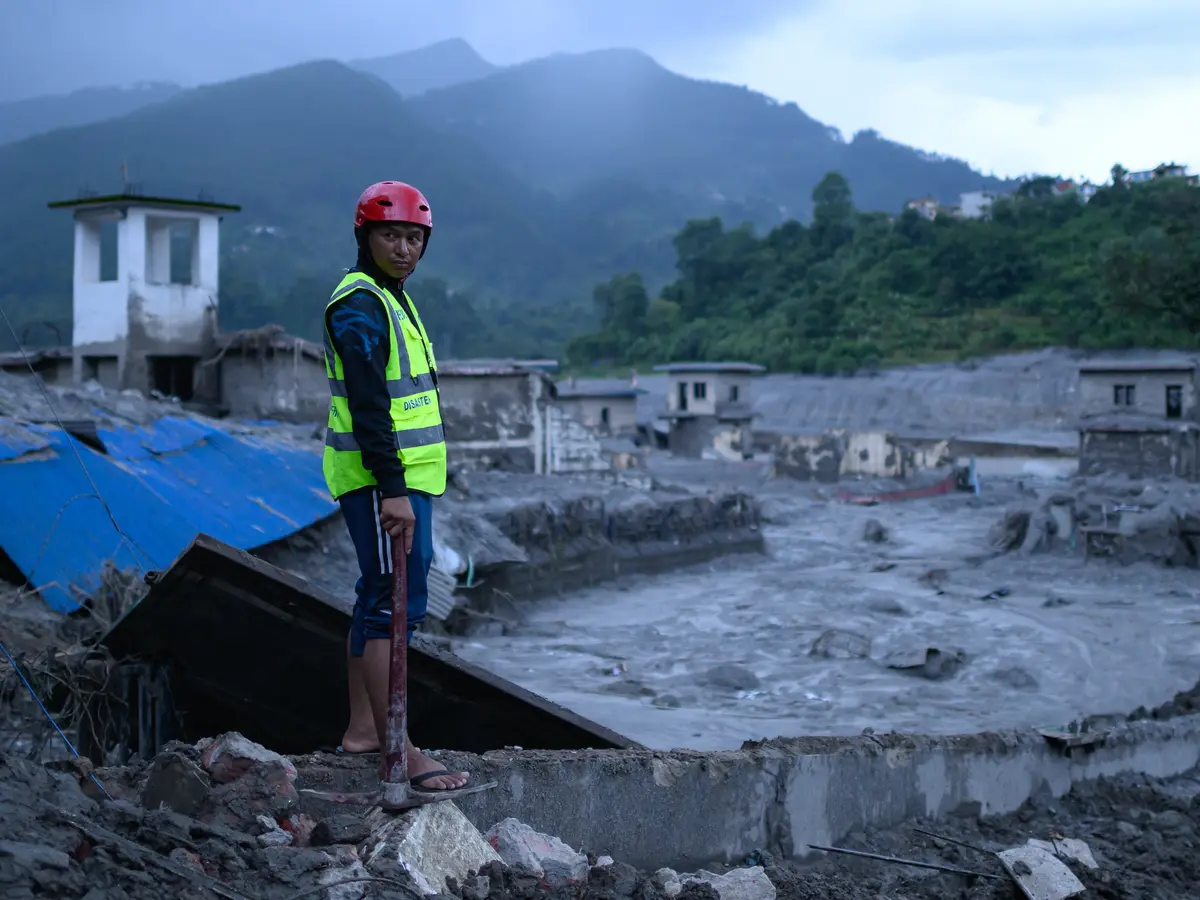
Nepal-Tibet Flood Death Toll Reaches 691

Glacial Collapse Floods Nepal and Tibet, Leaving Thousands Missing
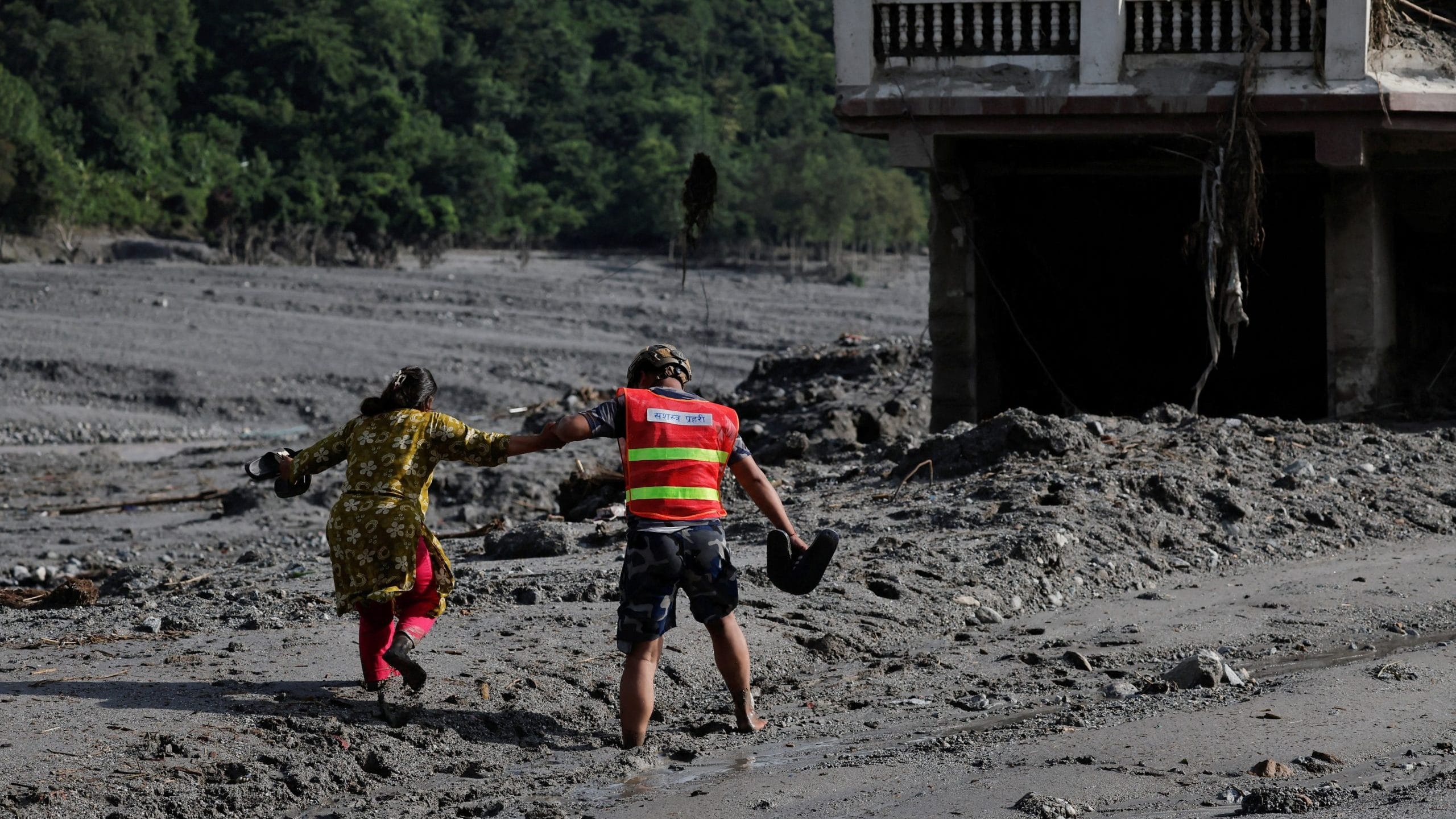
Nepal Flood Toll Rises as Rescue Teams Face More Flooding
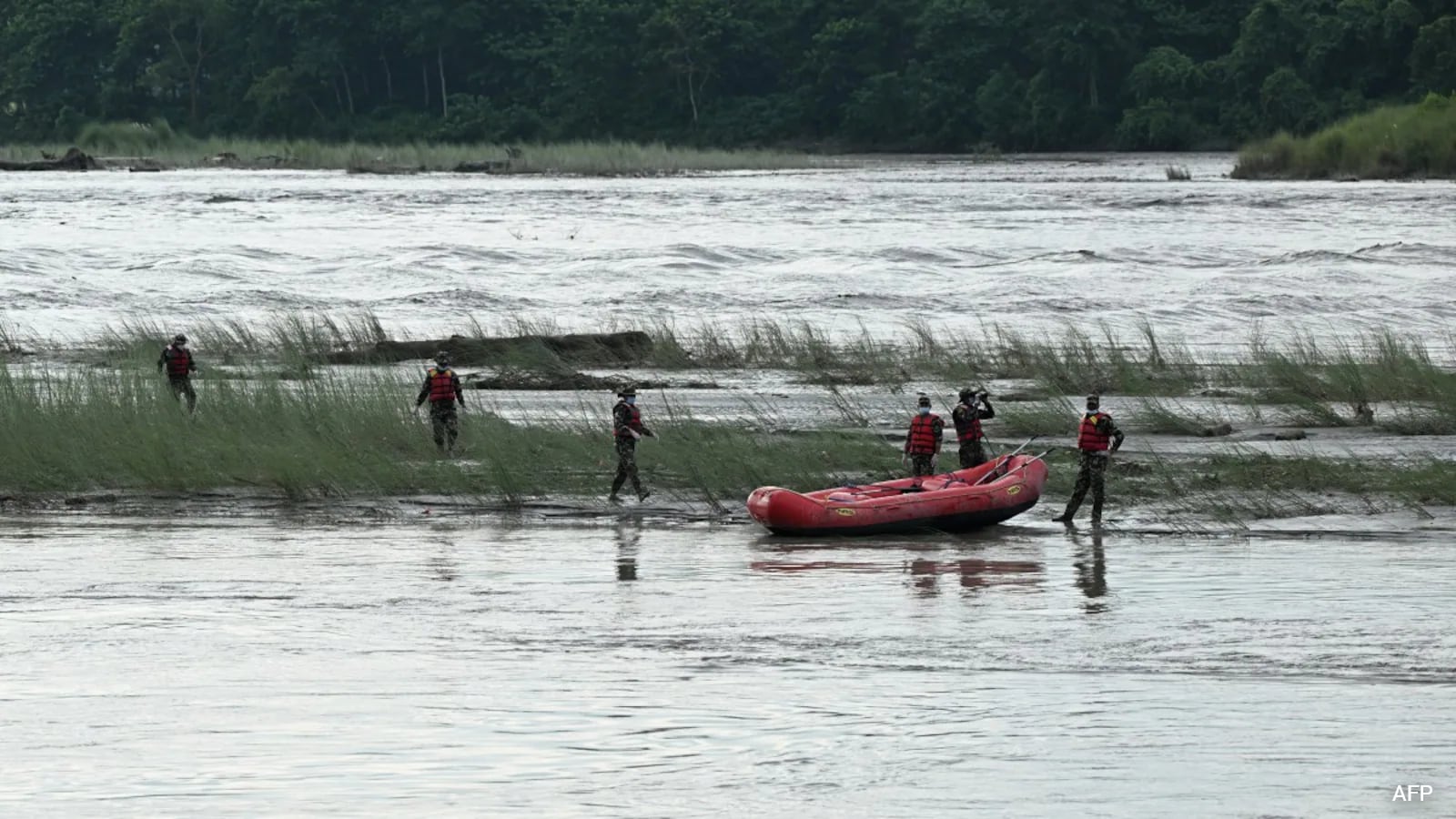
Nepal Buries Flood Victims as Rescuers Seek Thousands Missing
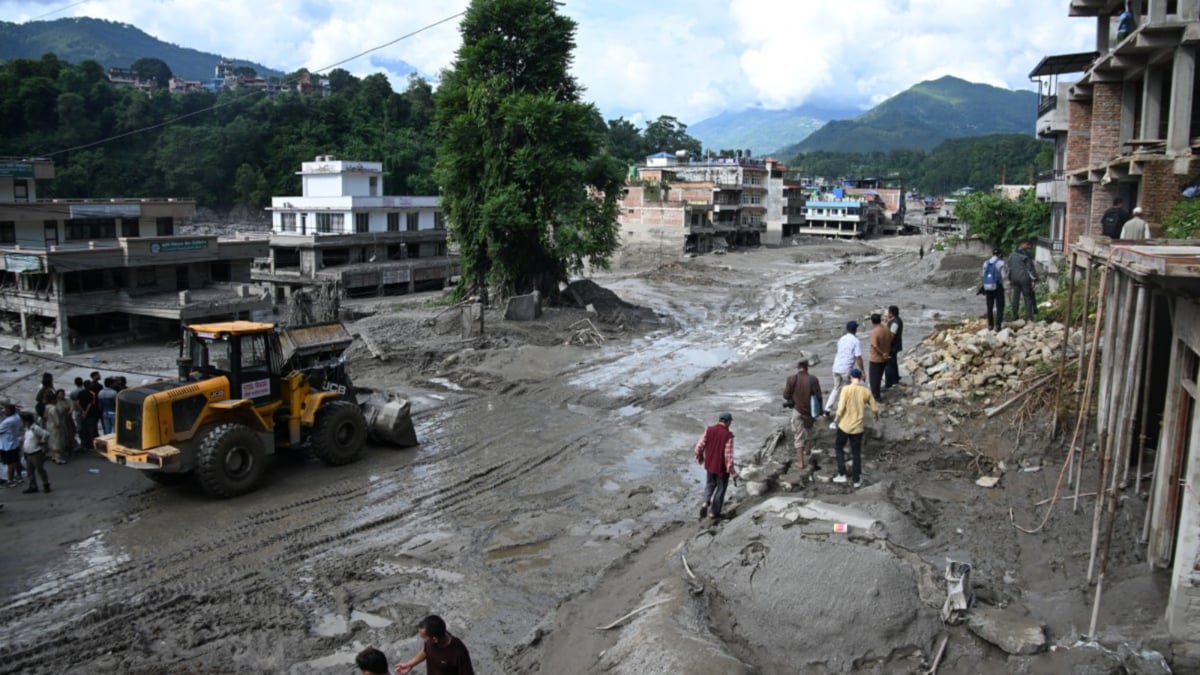
Nepal Flash Flood Death Toll Nears 800 as Thousands Missing

Nepal Thanks India as Glacial Disaster Rescue Efforts Continue
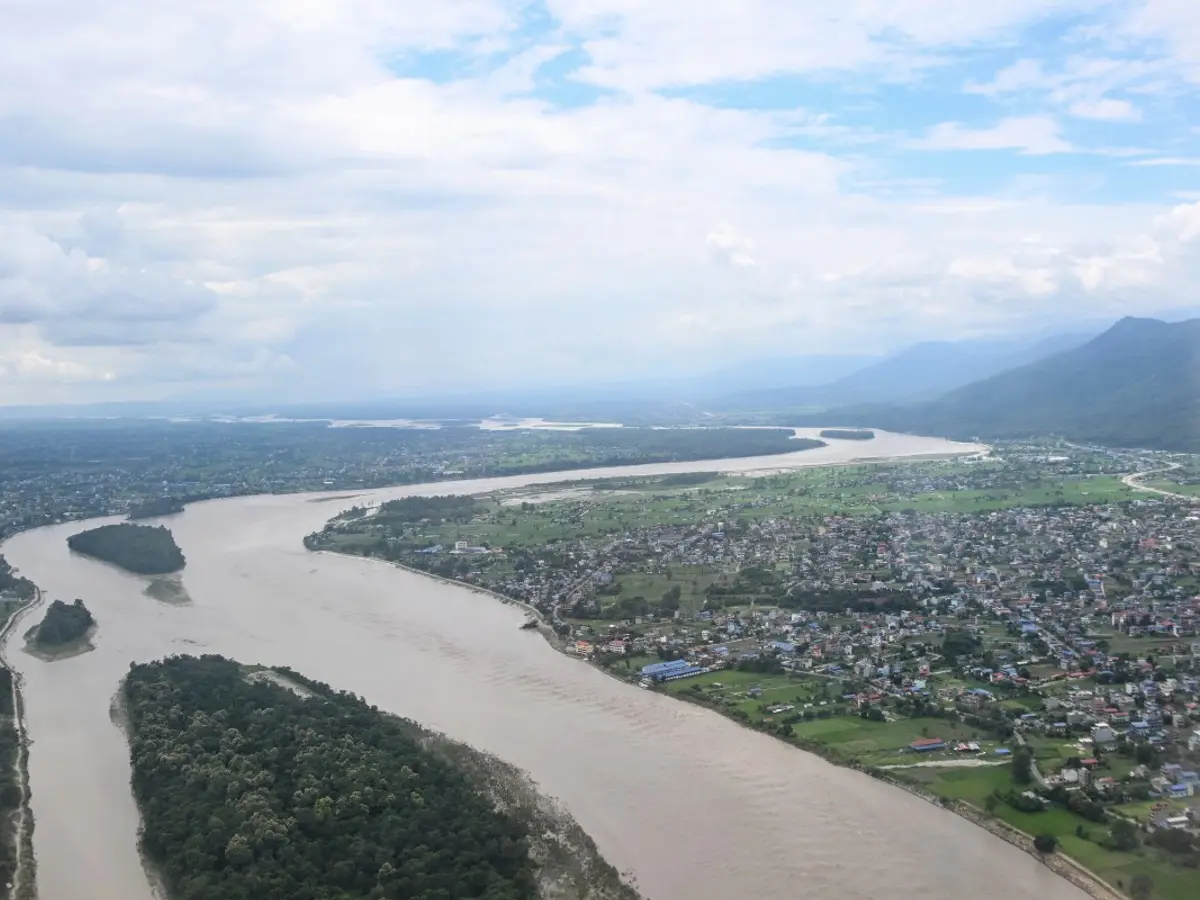
Nepal Warns of Heavy Rain After Deadly Floods
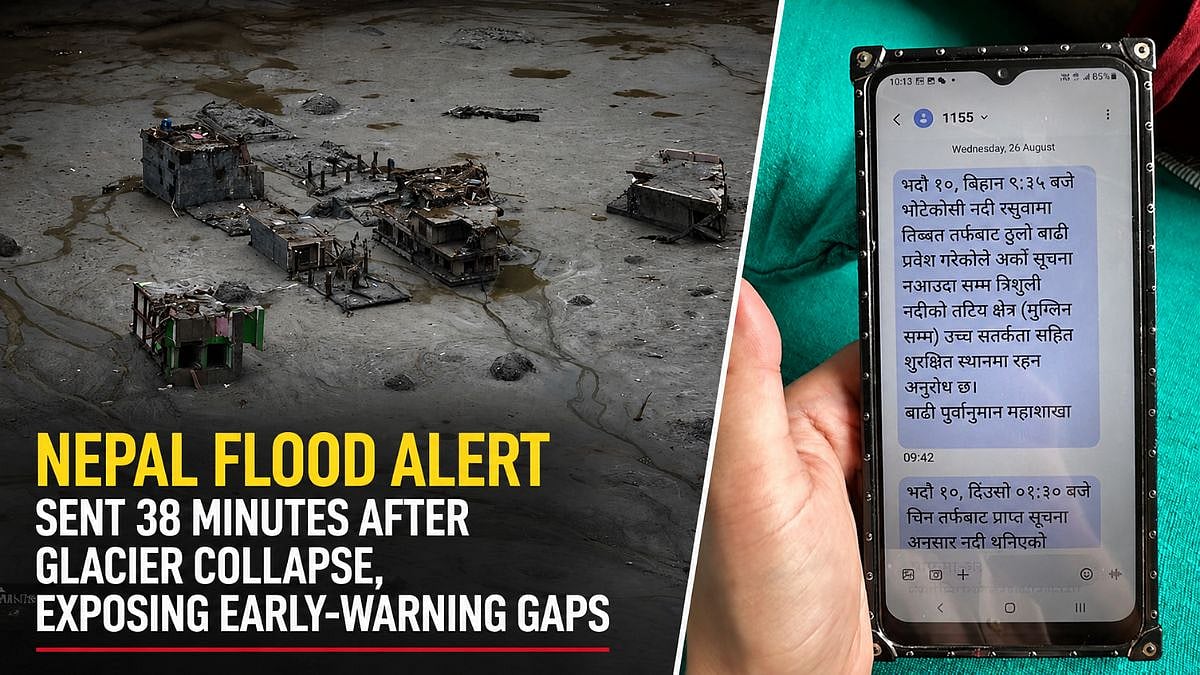
Nepal Flood Exposes Delayed Alerts and Cross-Border Warning Gaps
Bhotekoshi Flood Crisis: Nepal PM Shah Calls for Courage

Nepal PM Thanks India, China Amid Climate Compensation Demand