1 week ago
US Cancels South Korea Marine Drill Amid Iran War
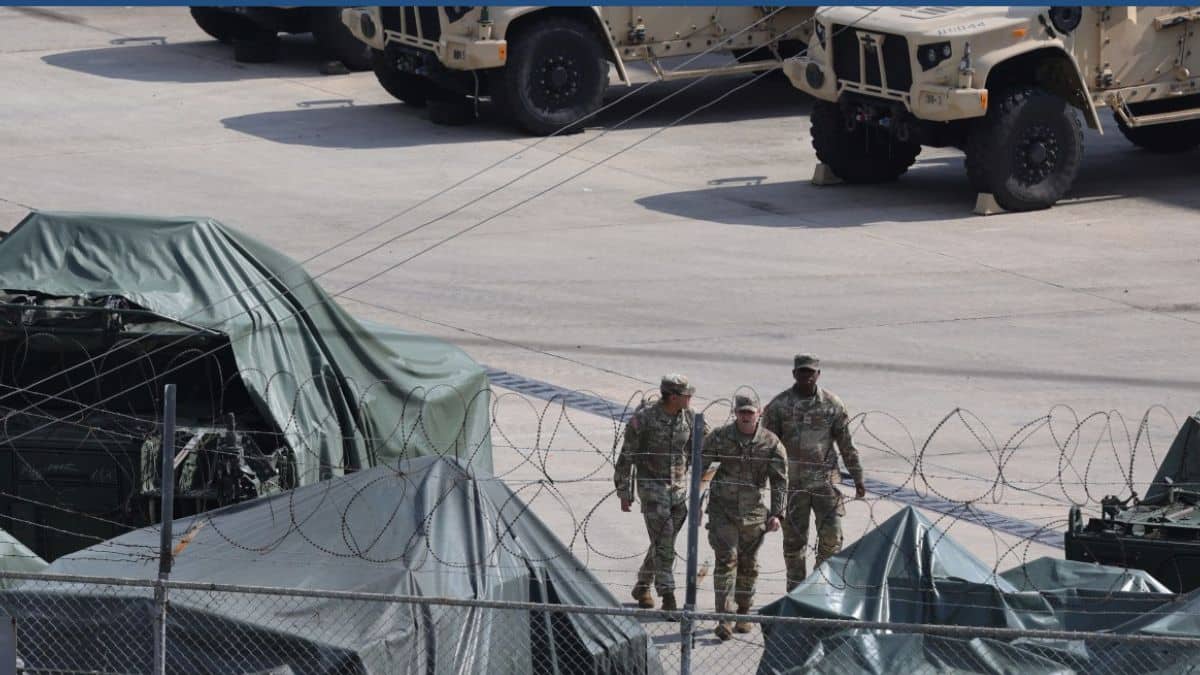
The United States and South Korea planned a military exercise called Ssangyong.
It involved practicing amphibious landings using ships, aircraft and ground forces.
The United States cancelled the exercise because its forces were less available during the war with Iran.
South Korea was told about the limits in June.
The two countries are still discussing whether to hold the exercise later.
The United States also reduced another exercise called Ulchi Freedom Shield.
President Donald Trump said that drill was costly and sent an inappropriate message to North Korea.
North Korea criticized the exercises and fired 10 short-range missiles.

The United States cancelled next month’s Ssangyong joint amphibious exercise with South Korea.
The US Marine Corps cited constrained force availability linked to the war with Iran.
South Korea said it was notified in June and remains in talks with Washington about rescheduling the drill.
The cancellation followed President Donald Trump’s decision to reduce the separate Ulchi Freedom Shield exercise.
North Korea condemned the exercises as invasion rehearsals and fired 10 short-range ballistic missiles last week.
- Who
- The United States Marine Corps and South Korean Marine Corps were involved; President Donald Trump ordered changes to a separate exercise, while North Korea criticized the drills.
- What
- The United States cancelled the Ssangyong joint amphibious landing exercise scheduled for the following month.
- Where
- The exercise involved United States and South Korean forces; the report was filed from Seoul.
- When
- South Korea was notified in June; the cancellation was reported on August 24, and the exercise had been scheduled for the next month.
- Why
- The United States cited reduced force availability because of the war with Iran. Trump separately cited cost and South Korea’s refusal to participate in the Iran war when reducing Ulchi Freedom Shield.
US-South Korean Rationale
Criticism and Alliance Concerns
Reason for cancellation
US-South Korean Rationale
The United States said the war with Iran constrained the availability of forces needed for Ssangyong, while South Korea and the United States continued discussing a later date.
Criticism and Alliance Concerns
The cancellation raised concerns about whether US military demands in West Asia could reduce its readiness and commitments in the Indo-Pacific.
Reducing military exercises
US-South Korean Rationale
Donald Trump said Ulchi Freedom Shield was expensive and sent an inappropriate and hostile signal to North Korea; he also cited South Korea’s refusal to join the Iran war.
Criticism and Alliance Concerns
North Korea described the drills as rehearsals for invasion, while South Korea’s allies Japan and Taiwan were identified as watching the changes to US regional commitments closely.
Effect on deterrence
US-South Korean Rationale
The exercises were presented by the allies as combined military training, and Seoul and Washington remained in consultations about resuming Ssangyong.
Criticism and Alliance Concerns
Sustained reductions in exercises or deployments could cause Asian allies to question Washington’s ability to respond to security challenges in different theatres at the same time.
Key facts
- Cancelled exercise
- Ssangyong, a division-level joint amphibious landing drill
- Planned timing
- The following month, according to the August 24 report
- US notification
- The US Marine Corps formally notified South Korea in June
- Stated reason
- Constraints on US force availability because of the war with Iran
- Separate exercise
- Ulchi Freedom Shield was reduced after running for five of its scheduled 11 days
- North Korean response
- North Korea denounced the exercises and fired 10 short-range ballistic missiles
- Rescheduling
- The allies continued discussions about holding Ssangyong at a later date
Quotes

Donald Trump
President of the United States who criticized the joint exercises on Truth Social
“a signal that was totally inappropriate and hostile, to a Country that, as long as Donald J. Trump has been President, has been unthreatening and respectful.”
 theprint.in
Sources
Related news
Trump announces cut to US-South Korea military drills
U.S., South Korea Shorten Drills Amid Trump Pressure

US-South Korea Military Drills Cut Short After Trump Order

Trump Orders Smaller U.S.-South Korea Drills, Citing Kim
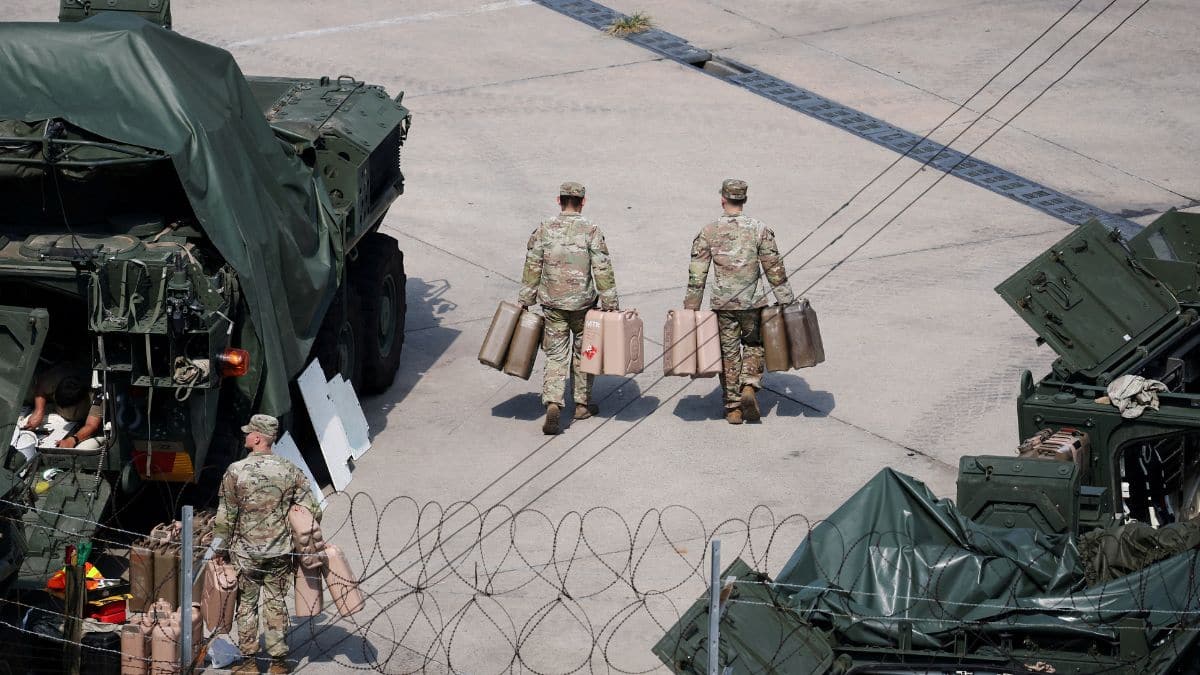
US–South Korea Military Drill Ends Six Days Early
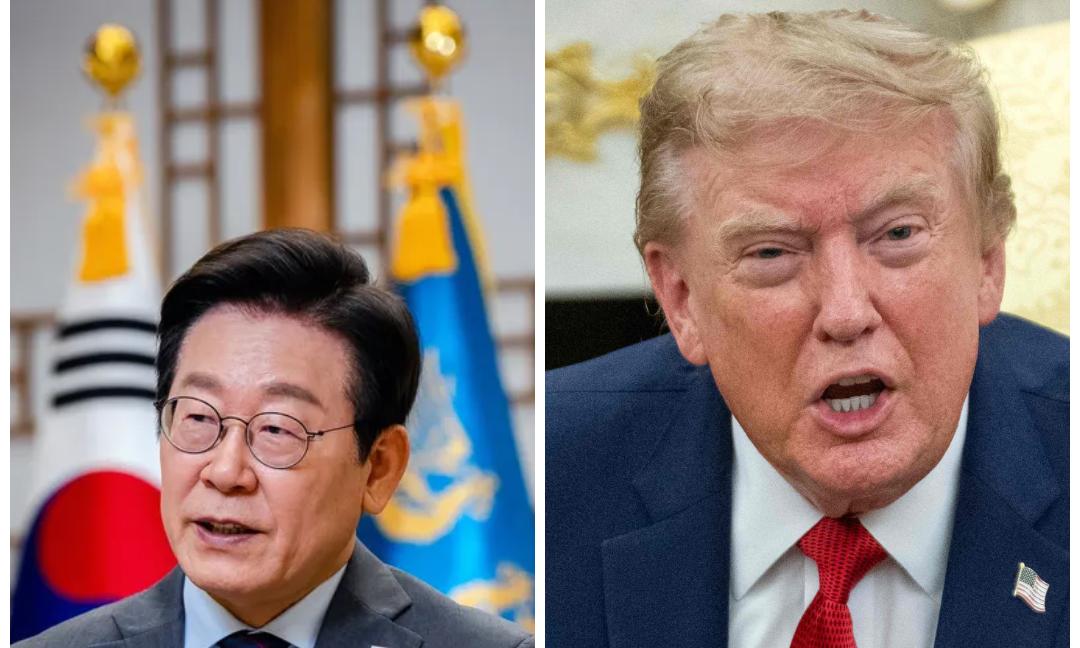
Trump Criticizes South Korea Over Declined Iran Help Request

Trump Nominates Combat Veteran Hung Cao as Permanent Navy Secretary
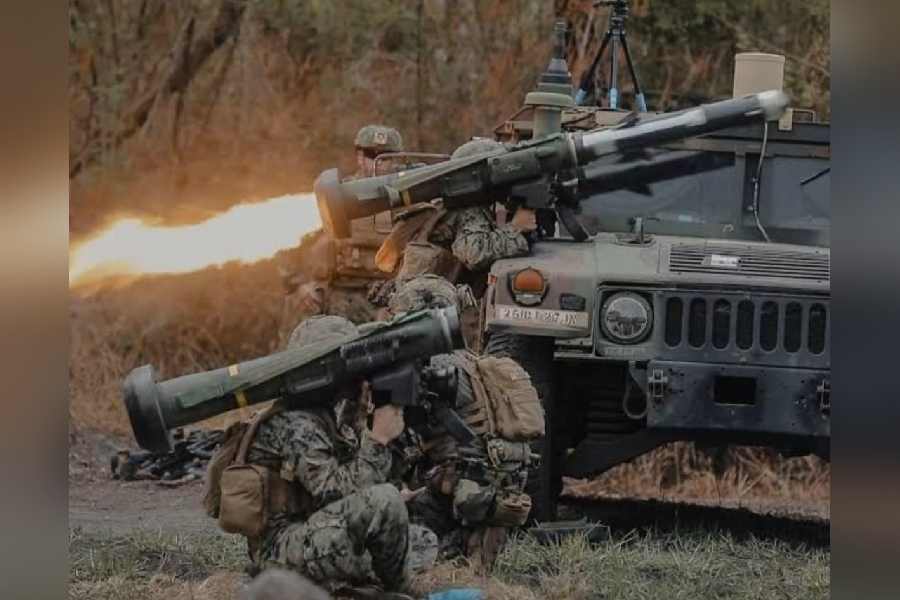
India Plans US Javelin Purchase, Signaling Deeper Defence Ties

The Philippines Becomes Central to America’s Asia Strategy

USS Abraham Lincoln ends record 266-day West Asia mission