1 week ago
Why Mumbai’s Heavy Cranes Can Lose Balance and Topple
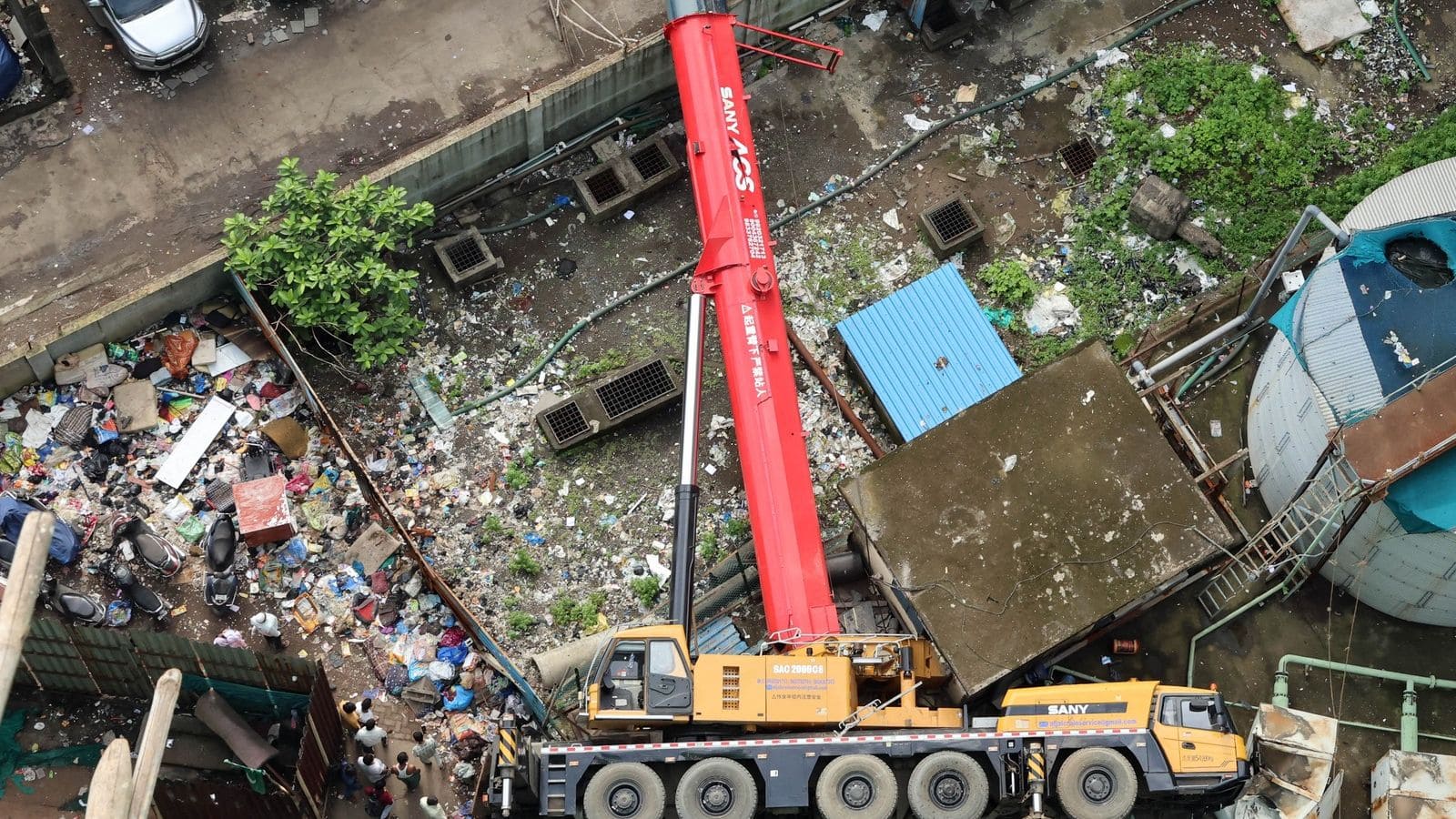
Cranes are very heavy machines that lift very heavy things.
They need strong, stable ground underneath them to stay upright.
In Kurla, investigators said weak ground made a crane tilt and its long arm fall onto homes.
Pipes, underground utilities or missing ground information can make a worksite less safe.
Special mats can spread the crane’s weight across the ground.
Cranes also need inspections, trained operators and safety officers.
Old or poorly maintained cranes may have more problems.
Operators must avoid overloads and calculate how far the crane can safely lift or turn.
The articles say many accidents happen because of human mistakes or unstable ground.

The MMRDA preliminarily attributed the Kurla crane accident to unstable ground beneath the crane’s supports.
Experts said underground utilities, missing maps and inadequate spreader mats can weaken ground support.
Third-party inspections, lift plans, safety officers and hazard assessments are recommended before lifting.
Older or poorly maintained second-hand cranes may be more vulnerable to mechanical, electrical and hydraulic faults.
Crane owners said human error, inadequate training, contractor pressure and ground instability are major risks.
- Who
- A crane, nearby residents and 12 injured people were involved in the Kurla incident; crane owners and the MMRDA discussed its causes and prevention.
- What
- The boom of a 17-storey-high crane fell onto slum homes, while other crane breakdowns and topplings have occurred across the Mumbai region.
- Where
- The main incident occurred in Kurla, Mumbai, with other incidents reported at Juhu Circle, BKC, Thane and the Elphinstone bridge site.
- When
- The Kurla incident occurred on a Friday; other cited incidents occurred in March, April and the previous week.
- Why
- The MMRDA’s preliminary investigation blamed poor ground stability; experts also identified possible human error, inadequate checks, equipment condition and training gaps.
System and Contractor Failures
Operator and Equipment Risks
Primary cause of accidents
System and Contractor Failures
Crane owners and experts emphasized unstable ground, incomplete underground-utility information and the failure to obtain ground-bearing certification before lifting.
Operator and Equipment Risks
Other crane owners emphasized operator mistakes, overloading, unsafe turning or lifting calculations, night work and pressure from contractors.
Responsibility for pre-lift checks
System and Contractor Failures
Crane owners said operators should arrange third-party technical and performance checks and ensure a safety officer reviews the lift plan and HIRA.
Operator and Equipment Risks
The articles also indicate that contractors influence whether ground testing is done, because testing can increase costs and delay work.
Older second-hand cranes
System and Contractor Failures
Some crane owners warned that cheaper second-hand cranes may be older than their records indicate and more prone to mechanical or electrical faults.
Operator and Equipment Risks
Other industry members stressed that newer cranes come with additional safety systems and operator training, and called for stricter controls on crane imports.
Key facts
- People injured
- 12 people were injured in the Kurla incident.
- Crane height
- The crane’s boom was described as part of a 17-storey-high crane.
- Lifting capacity
- Some cranes can lift more than 1,000 metric tonnes, according to a Crane Owners Association of India member.
- Main preliminary cause
- The MMRDA attributed the Kurla incident to poor ground stability.
- Recommended checks
- Experts recommended third-party inspections, a lift plan, a safety officer and a Hazard Identification and Risk Assessment.
- Recent incidents
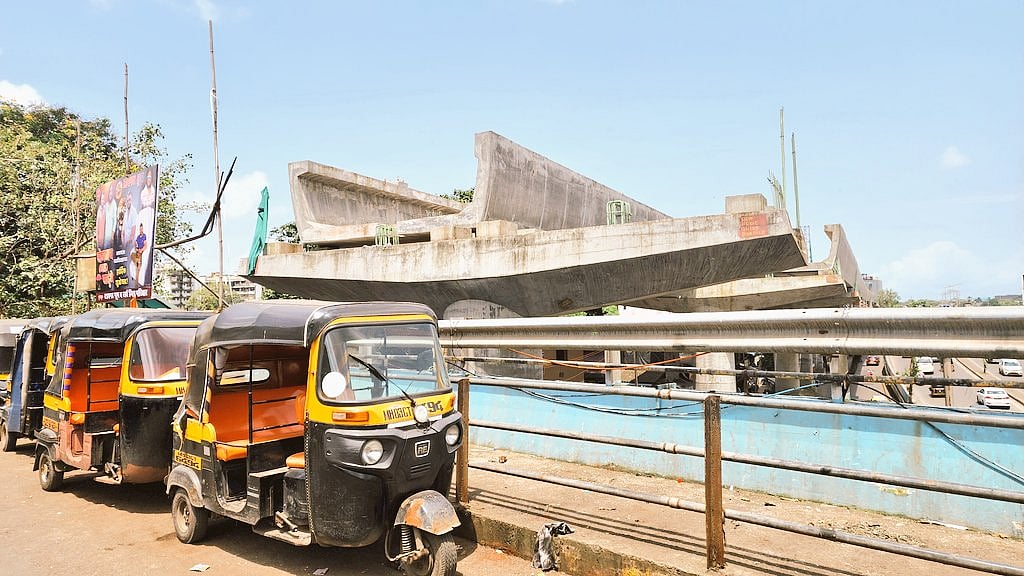
- Reported incidents included a Juhu Circle breakdown, a BKC toppling, a Thane toppling and a hydraulic pipe burst during Elphinstone bridge dismantling.
- Safety feature
- A safety lock reportedly prevented the March hydraulic-pipe failure from releasing its load.
Quotes
Unnamed COAOI executive committee member
Crane owner and member of the Crane Owners Association of India executive committee
“It is possible in some cases the crane is far older than what its records show, and its age was manipulated after it was bought secondhand through a broker — not through the original manufacturer — from China. There are multiple cases where this happens, and older cranes are far more likely to have faults”
 indianexpress.com
“Crane incidents pale in front of the amount of infrastructure work and crane use that is happening. And when incidents do happen, it is largely due to human error and ground instability”
indianexpress.com
Sources
Related news

Kurla Crane Collapse Damages Homes, Injures Ten Near Railway Line

Crane Collapse In Kandivali Damages Motorcycle, Raises Mumbai Safety Concerns

Kurla Crane Collapse Injures Ten, Including Three-Month-Old Child

Kurla Demolition Crane Collapse Injures 10; Contractor Fined ₹25 Lakh
200-Tonne Crane Topples During Kurla Operation, Several Injured
Mumbai Port Probes Crane Overturning During Indira Dock Operation

Fadnavis inaugurates key Mumbai infra projects to boost mobility, connectivity
Mumbai Metro 2B Installs First Steel Segment