2 weeks ago
Indian textile makers face rising labour and material costs

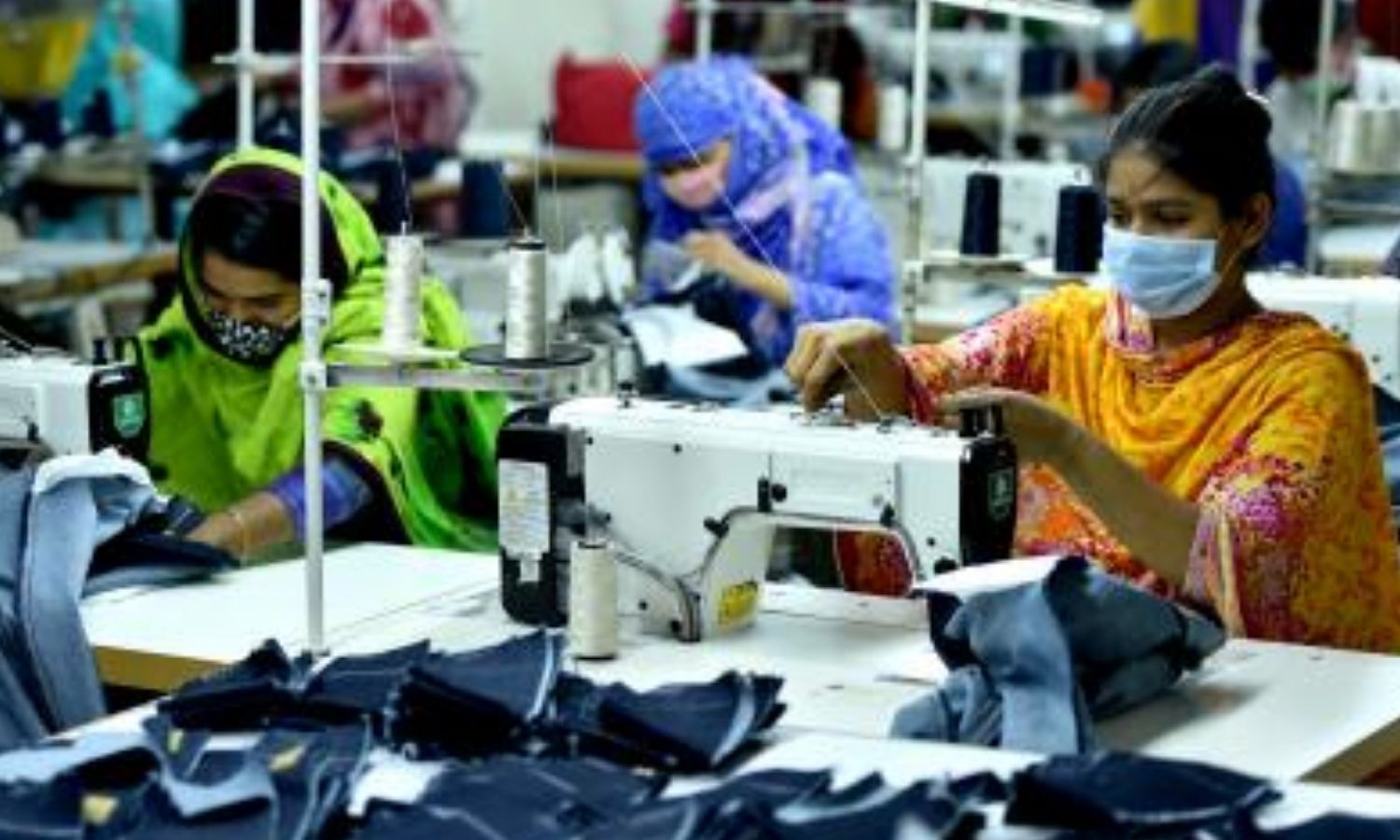
Making clothes in India is getting more expensive for the companies that make them.
They have to pay workers more money because the government raised minimum wages.
The price of cotton and yarn, which is what clothes are made from, has also gone up.
Big clothing companies like Arvind, Pearl Global and Gokaldas are feeling this pressure.
These companies have a choice: they can make customers pay more, or earn less profit.
Some of the companies are buying machines to do more of the work automatically.
Other companies are building new factories in places where it costs less, like Central India, Bihar, Bangladesh and Vietnam.
The companies say the situation is temporary and are trying to pass higher prices to customers.
A weaker Indian rupee is giving exporters some help.
The companies hope things will get better over time.

Indian textile and apparel makers Arvind Ltd, Pearl Global Industries Ltd and Gokaldas Exports Ltd face higher labour and raw material costs in FY27.
Minimum wages rose by 38% (per Pearl Global) or about 35% (per Gokaldas) in Haryana and 21% in Noida, while Karnataka saw a 5% increase.
Pearl Global's standalone EBITDA margin fell to 6.6% in Q1 FY27 from 7.3% a year earlier despite a 27.4% revenue increase.
Gokaldas absorbed a ₹20 crore wage cost increase in its India business in Q1, while Arvind faced nearly ₹100 crore in input cost inflation, mainly from cotton and yarn.
Companies are responding with automation, selective price increases, and expansion into lower-cost regions such as Central India, Bihar, Bangladesh and Vietnam.
- Who
- Indian textile and apparel manufacturers Arvind Ltd, Pearl Global Industries Ltd and Gokaldas Exports Ltd, with executives including Pallab Banerjee, Sanjay Gandhi, Sivaramakrishnan Ganapathi and Punit Lalbhai responding to the pressures.
- What
- Dealing with rising labour costs, sharp increases in cotton and yarn prices, and elevated petrochemical-linked costs in FY27 by absorbing some inflation, passing costs on selectively, and stepping up automation and expansion.
- Where
- India, including Haryana, Noida, Karnataka, Bengaluru, Ahmedabad and Gurugram, with expansion into Bihar, Bangladesh and Vietnam.
- When
- Fiscal year 2027, especially the first quarter; the article was published on August 15, 2026.
- Why
- Higher minimum wages, worker availability challenges linked to the harvest season, school holidays and the West Bengal elections, and rising raw material prices partly driven by geopolitical conflicts.
Key facts
- Affected companies
- Arvind Ltd, Pearl Global Industries Ltd, Gokaldas Exports Ltd
- Minimum wage increases
- Haryana 38% (per Pearl Global) or about 35% (per Gokaldas); Noida 21%; Karnataka 5%
- Pearl Global Q1 FY27 EBITDA margin
- 6.6%, down from 7.3% a year earlier, despite 27.4% revenue growth
- Gokaldas Q1 FY27 India wage cost increase
- ₹20 crore, absorbed in the system
- Arvind input cost inflation
- Nearly ₹100 crore, primarily from cotton and yarn plus petrochemical-linked chemicals
- Pearl Global Haryana factories
- Four factories, with wage revision directly hitting the profit and loss account
- Expansion plans
- Gokaldas: Central India and rural areas; Pearl Global: Bihar, Bangladesh, and land acquired in Vietnam
Quotes
Sivaramakrishnan Ganapathi
Vice‑chairman and managing director of Gokaldas Exports
“The raw material escalation that happened within a short period of time has been particularly difficult because Arvind’s order books are typically filled three to four months in advance, with pricing fixed when orders are booked.”
 thehindubusinessline.com
“In Q1 of this year, our India business saw a wage cost increase of ₹20 crore, and that has been absorbed in the system.”
thehindubusinessline.com
Sources
Related news
Apparel Exporters Seek Cotton Yarn Export Controls Amid Surge

TT Limited Doubling Garment Capacity as Costs Weigh on Profit

Arvind and Welspun Shift Textile Businesses From Volume to Value

India’s Polyester Yarn Boom Faces Insolvency Threat After Rules Withdrawn

US China Cotton Curbs Push Indian Yarn Prices Higher

Surat Weaving Factories Plan Two Weekly Shutdown Days

Sharma and Malik share halfway lead at Telangana Golconda Masters

India Replaces Sri Lanka as 2027 Women’s Champions Trophy Host

Centre Assures JDU Bihar’s Interests In Farakka Treaty Decision
India’s Record Wheat Harvest Opens $1.5 Billion Export Window

West Bengal CM Crushes Nearly 2 Lakh Seized Syrup Bottles