

3 days ago
US China Cotton Curbs Push Indian Yarn Prices Higher

Cotton yarn is the thread used to make many clothes.
Its price in India has risen sharply this year.
Indian clothing exporters say the price went from about Rs 250 to Rs 400 per kilogram.
They believe demand increased after the United States restricted cotton connected to China’s Xinjiang region because of alleged forced labour.
Countries such as Bangladesh and Vietnam are buying more Indian cotton yarn.
Indian industry groups also say cotton supplies are limited and that some traders may be holding stocks.
They want the government to control some yarn exports and help keep prices stable.
US officials say their supply-chain rules are meant to address forced-labour risks and reduce reliance on China.

Indian apparel exporters have asked the Commerce and Industry Ministry and Textile Ministry to regulate cotton yarn exports.
The Apparel Export Promotion Council says yarn prices rose about 60%, from roughly Rs 250 per kg in early 2026 to Rs 400 currently.
AEPC attributes the increase to stronger demand, limited stocks, reduced arrivals, hoarding and speculative trading.
Demand for Indian cotton and yarn has increased among manufacturers in countries such as Bangladesh and Vietnam after US restrictions on Chinese cotton linked to Xinjiang.
India produces about 23.8 million cotton bales annually across 11.2 million hectares, while its productivity remains comparatively low.
- Who
- The Apparel Export Promotion Council, Indian apparel exporters, Indian cotton mills, US authorities, and manufacturers in countries including Bangladesh and Vietnam.
- What
- Indian exporters are seeking regulation of cotton yarn exports as prices rise sharply amid stronger demand and constrained supplies.
- Where
- The price pressure is affecting India’s apparel and textile industry, while the demand shift involves supply chains linked to China, India, Bangladesh, Vietnam and the United States.
- When
- Prices rose from approximately Rs 250 per kg in early 2026 to around Rs 400 per kg currently; the Directorate General of Foreign Trade order mentioned was dated July 13.
- Why
- US restrictions on cotton linked to China’s Xinjiang region have encouraged manufacturers to seek alternative supplies, while limited arrivals, low productivity, hoarding and speculation have tightened India’s market.
Indian Industry Concerns
US Supply-Chain Rationale
Impact of cotton restrictions
Indian Industry Concerns
AEPC says US restrictions and greater supply-chain scrutiny have redirected demand toward Indian cotton yarn, worsening shortages and pushing up prices.
US Supply-Chain Rationale
US authorities view cotton and other China-linked products as vulnerable to forced-labour risks, particularly when associated with Xinjiang.
Government intervention
Indian Industry Concerns
Indian apparel exporters want the government to regulate exports of cotton yarn, especially 20s count and above, to keep supplies available and prices competitive.
US Supply-Chain Rationale
US supply-chain measures are intended to encourage trading partners to diversify away from China and improve traceability, rather than to manage Indian domestic prices.
Key facts
- Price increase
- Cotton yarn prices rose about 60%, from approximately Rs 250 per kg in early 2026 to around Rs 400 per kg.
- Requested measure
- AEPC has sought regulation of cotton yarn exports, specifically 20s count and above.
- China’s production share
- China accounts for about 29% of global cotton production, according to the article.
- India’s output
- India produces approximately 23.8 million cotton bales annually.
- India’s harvested area
- India has about 11.2 million hectares under cotton cultivation.
- US restriction
- The Uyghur Forced Labour Prevention Act restricts the use of cotton originating from China’s Uyghur region.
- Indian trade policy
- The Directorate General of Foreign Trade inserted a provision stating that goods made wholly or partly through forced labour are prohibited from import.
Quotes
Mithileshwar Thakur
Secretary General of the Apparel Export Promotion Council
“This is resulting in higher demand for cotton yarn from India, which has already been in short supply. There are reports of hoarding of cotton & speculative practices in the market as well.”
 indianexpress.com
Sources
Related news
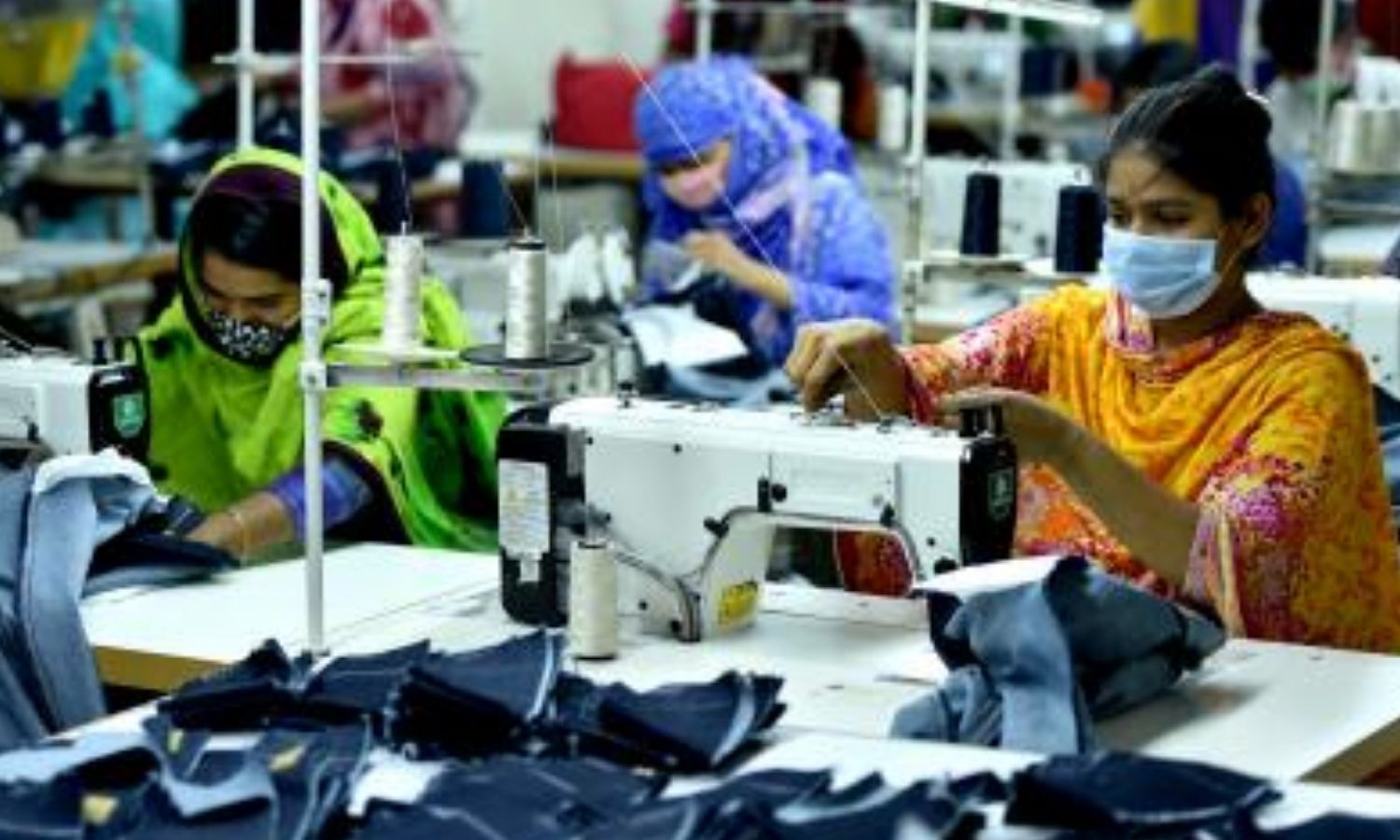
Apparel Exporters Seek Cotton Yarn Export Controls Amid Surge

India’s Polyester Yarn Boom Faces Insolvency Threat After Rules Withdrawn

Indian textile makers face rising labour and material costs

India Cotton Output Forecast at 24.5 Million Bales in 2026/27

White House flags India hubs in Chinese tariff-evasion trade report

Textile Firms Mount Smart Comeback as FY27 Outlook Strengthens

Government shifts raw sugar imports to daily quota allocation

DGFT Automates Certificate Issuance to Speed Exporter Approvals

India Enhances Bank Guarantee Tracking to Streamline Export Procedures
Centre Extends Sugar Import Processing Deadline as Prices Diverge
