4 days ago
Apparel Exporters Seek Cotton Yarn Export Controls Amid Surge
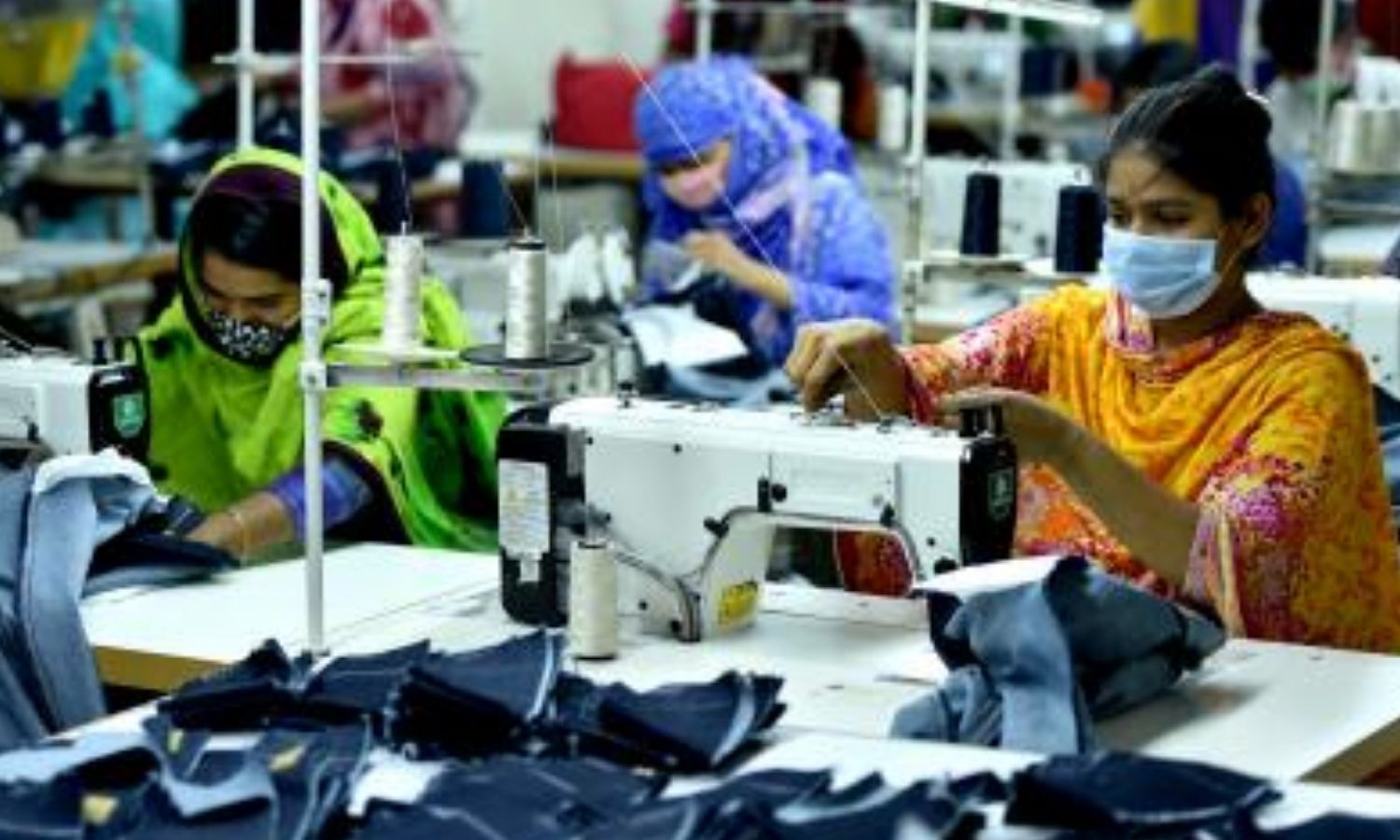
India’s apparel exporters say cotton yarn has become much more expensive.
They want the government to control some cotton yarn exports.
The group is especially concerned about yarn called 20s count and above.
Yarn prices rose from about ₹250 to nearly ₹400 per kilogram.
Exporters say there is not enough cotton reaching mills.
They also say some cotton has moved to traders, which may contribute to hoarding and speculation.
More Indian cotton and yarn are being sent to Bangladesh and Vietnam after US restrictions on Chinese cotton.
Higher material and fuel costs make Indian clothes more expensive to produce.
Exporters want affordable yarn so India can sell more finished clothing and create jobs.

The Apparel Export Promotion Council urged ministers Piyush Goyal and Giriraj Singh to regulate cotton yarn exports.
AEPC specifically sought measures covering cotton yarn of 20s count and above.
Cotton yarn prices have risen about 60%, from roughly ₹250 to nearly ₹400 per kilogram since early 2026.
Limited stocks, reduced cotton arrivals, CCI auction dependence and reported hoarding are contributing to supply pressures.
AEPC said higher costs and increased exports to Bangladesh and Vietnam are weakening apparel competitiveness, despite opportunities in new FTA markets.
- Who
- The Apparel Export Promotion Council and its chairman, A. Sakthivel, urged Commerce Minister Piyush Goyal and Textiles Minister Giriraj Singh to act.
- What
- AEPC asked the government to regulate cotton yarn exports, particularly yarn of 20s count and above, and stabilize domestic availability and prices.
- Where
- The issue concerns India’s cotton, yarn and apparel industries, with increased exports to Bangladesh and Vietnam.
- When
- The request was reported on August 29; the articles say yarn prices rose from early 2026 to the time of reporting.
- Why
- AEPC says supply constraints, rising input costs and increased cotton and yarn exports are raising garment-production costs and reducing India’s competitiveness.
Key facts
- Request
- Regulate cotton yarn exports, particularly 20s count and above.
- Yarn price change
- Prices increased about 60%, from approximately ₹250 per kilogram in early 2026 to nearly ₹400 currently.
- Supply pressures
- Limited stocks with ginners and reduced cotton arrivals have increased mills’ reliance on Cotton Corporation of India auctions.
- Market concerns
- AEPC said cotton moving from farmers to traders has contributed to hoarding and speculative practices.
- Value addition
- The letter said raw cotton fetches around ₹275 per kilogram, yarn about ₹325, and finished garments ₹800–₹1,200 per kilogram.
- Export destinations
- Exports of Indian cotton and cotton yarn to Bangladesh and Vietnam have increased.
- Market opportunities
- AEPC identified new free-trade-agreement markets, including the United Kingdom and New Zealand, as opportunities for Indian apparel exporters.
Quotes
A Sakthivel
Chairman of the Apparel Export Promotion Council
“AEPC has urged the minister to consider suitable measures to regulate the export of cotton yarn, particularly 20s count and above, in view of the sharp increase in yarn prices and the growing pressure on the competitiveness of India's apparel export industry.”
 livemint.com
“This has added to the pressure on raw material prices across the garment value chain.”
livemint.com
Sources

Related news

US China Cotton Curbs Push Indian Yarn Prices Higher

Indian textile makers face rising labour and material costs

India’s Polyester Yarn Boom Faces Insolvency Threat After Rules Withdrawn

Surat Weaving Factories Plan Two Weekly Shutdown Days

India’s Apparel Industry Faces Scale Challenge in Export Push

Textile Firms Mount Smart Comeback as FY27 Outlook Strengthens

Bangladesh Recall Shanto, Mahmud for Asian Games T20 Squad

Sharma and Malik share halfway lead at Telangana Golconda Masters

India Replaces Sri Lanka as 2027 Women’s Champions Trophy Host

Centre Assures JDU Bihar’s Interests In Farakka Treaty Decision
India’s Record Wheat Harvest Opens $1.5 Billion Export Window