1 month ago
India Delivers First Indigenous Expendable Turbojet Engine
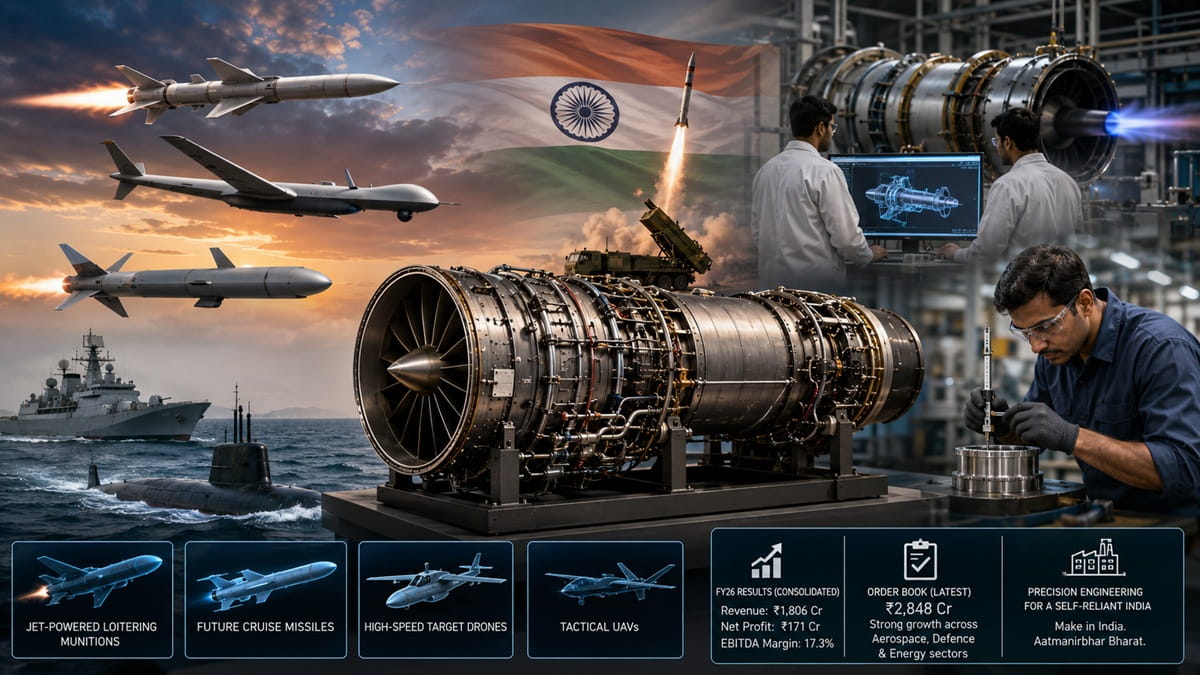
India has made a big step in making its own jet engines.
A new engine that weighs about 350 kilograms was built and delivered in February 2026.
It can power missiles that fly on their own, like cruise missiles and anti‑ship missiles.
The engine was designed by a government lab called GTRE and made by a private company called Azad Engineering.
Experts say this shows India can now build complete engines, which is important for future fighter planes.
The engine will help India rely less on other countries for engine parts.

India delivered its first indigenous 350‑kg thrust expendable turbojet engine for tactical missile use.
The engine was designed by DRDO’s GTRE and manufactured by private‑sector Azad Engineering, marking a shift to full engine production.
The milestone is seen as a key step toward future indigenous fighter‑engine development, such as the 120‑kN Advanced Medium Combat Aircraft engine.
The engine will power tactical cruise missiles, anti‑ship missiles, and loitering munitions, reducing dependence on foreign propulsion systems.
Defence officials praise the collaboration as evidence of India’s growing aerospace manufacturing capability.
- Who
- Indian government, DRDO, Azad Engineering, defence officials
- What
- Delivery of India's first indigenous 350‑kg thrust expendable turbojet engine
- Where
- Bengaluru, India
- When
- February 2026
- Why
- To reduce foreign dependency and build a foundation for future indigenous fighter engines
Key facts
- Engine type
- 350 kg thrust expendable turbojet
- Manufacturer
- Azad Engineering
- Designer
- DRDO's GTRE
- Intended use
- Tactical missiles and loitering munitions
- Date delivered
- February 2026
Quotes
Air Vice Marshal Anil Golani (retd)
Former director general, Centre for Aerospace Power and Strategic Studies
“"The collaboration is now visible and this is far more than the delivery of a 350‑kg engine. It demonstrates that Indian industry is now capable of manufacturing complete propulsion systems to aerospace‑grade standards."”
 rediff.com
“"It built an indigenous knowledge base, created specialised testing facilities and trained a generation of Indian engineers in complex aero‑engine technologies."”
rediff.com
Sources

Related news
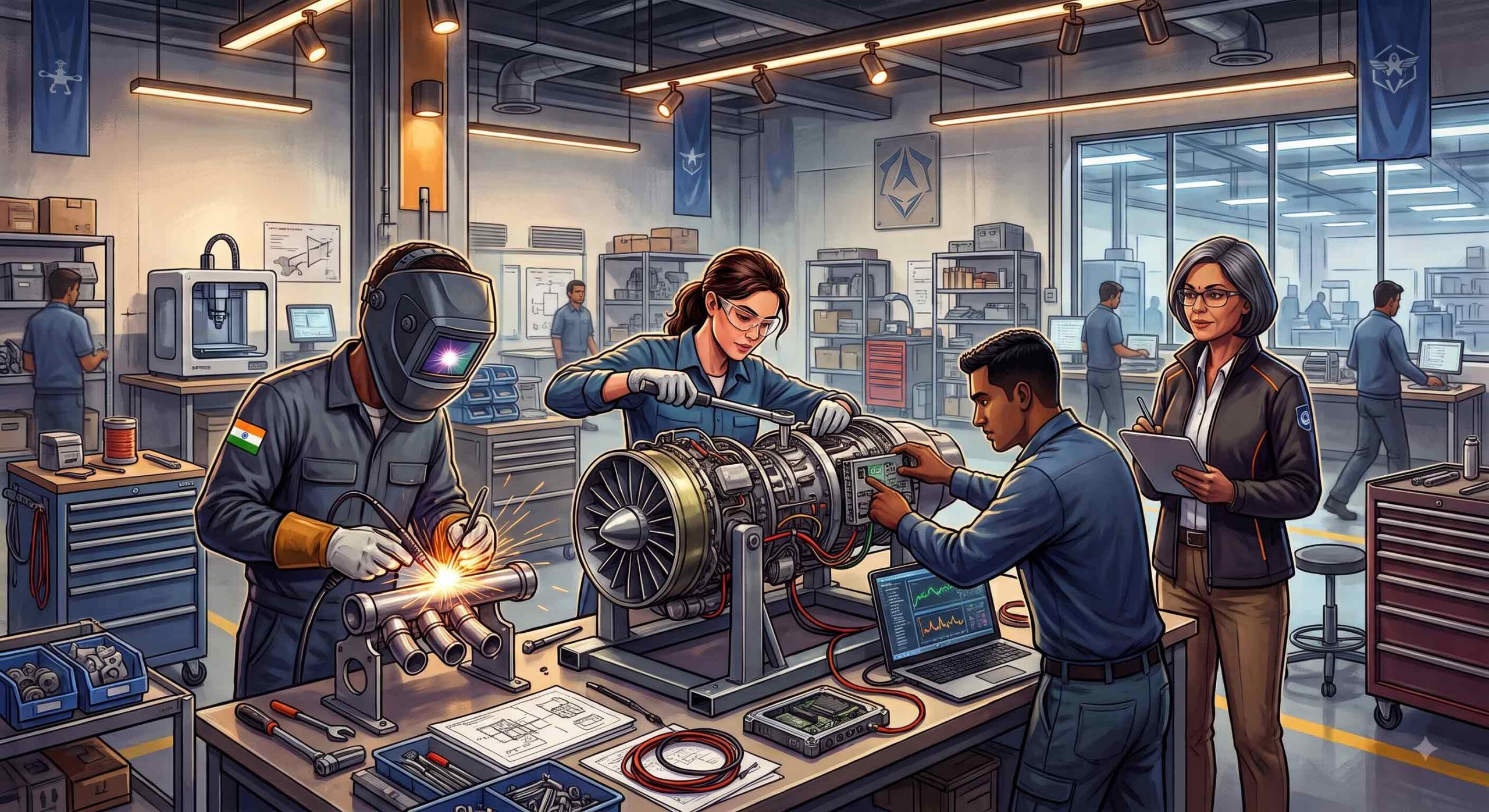
India's private firms develop indigenous engines for UAVs and missiles

India Tests First Fully Indigenous Jet-Powered Loitering Munition Divyastra Mk3
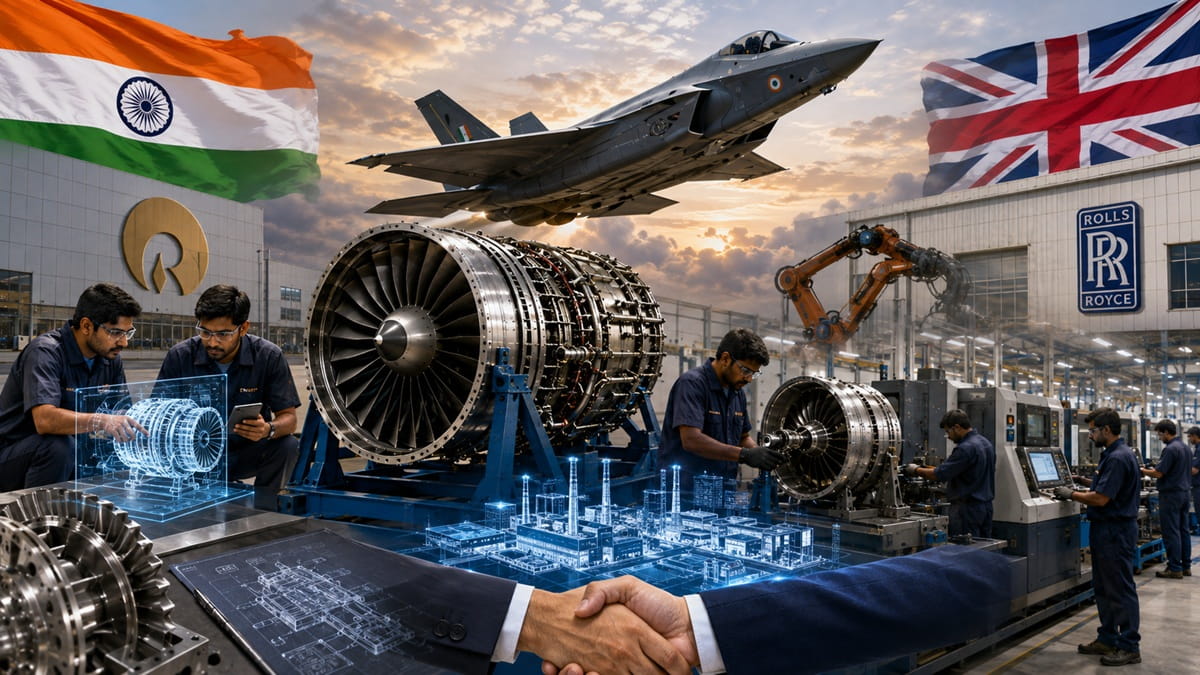
Reliance, Rolls-Royce partner to develop indigenous AMCA combat engine

Reliance and Rolls-Royce partner to develop AMCA fighter jet engines

HAL, Safran Sign Deal for India’s Aravalli Helicopter Engine

HAL and Safran Sign Deal for Aravalli Helicopter Engine

India’s Space Sector Expands With 440 Startups After Reforms

Lunar South Pole May Preserve Earth Microbes, Study Finds
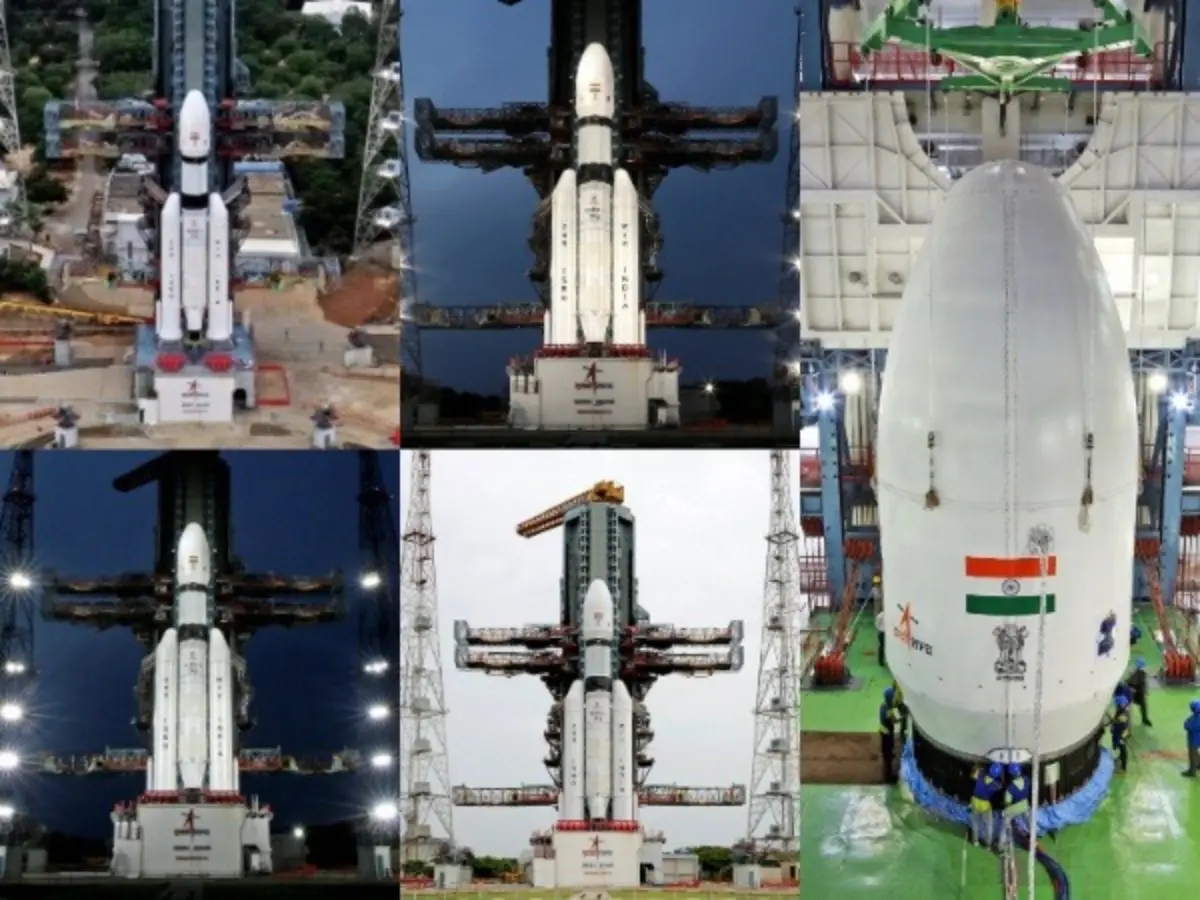
From Mangalyaan to Chandrayaan-3: India's Rise as a Space Power

Mumbai's Nehru Science Centre Hosts AI Prompt Art 2026 Exhibition