

2 hrs ago
Supreme Court Limits Bar Council's Power Over Law Students
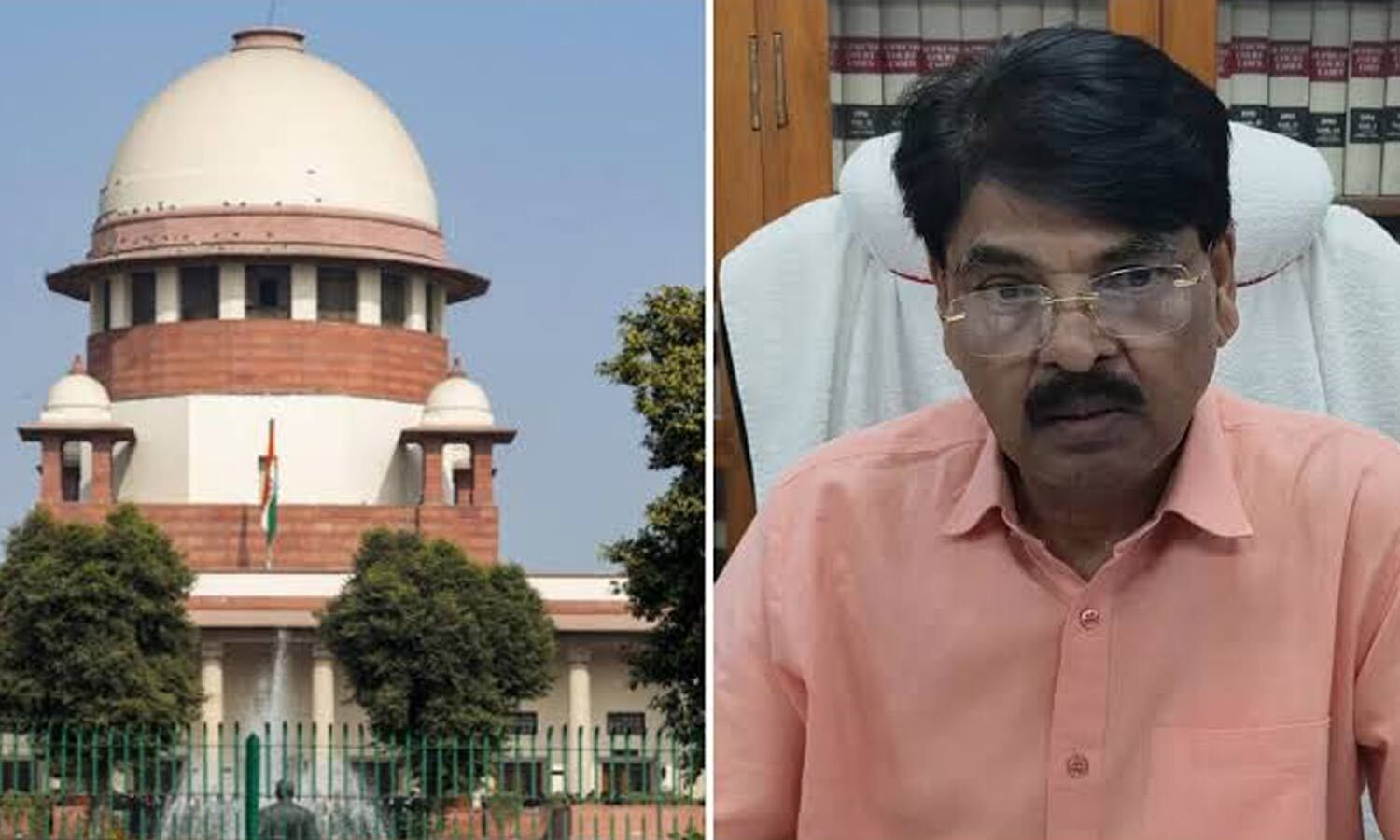
India’s Supreme Court said the Bar Council of India cannot discipline law students in this way.
The court said schools and universities should decide how to respond to student conduct.
This decision followed a dispute at NALSAR University of Law in Hyderabad.
Some students had objected to the proposed participation of Chief Justice Surya Kant in a university convocation.
The BCI had told state bar councils not to enrol NALSAR’s 2026 graduates as advocates.
It later withdrew those notifications within hours.
The Supreme Court nevertheless set the notifications aside.
The court said the BCI’s regulatory authority applies after students become advocates.

The Supreme Court ruled that the Bar Council of India cannot regulate law students’ conduct.
The court said educational institutions must handle student disciplinary matters under their own rules.
It set aside two BCI notifications connected to a dispute at NALSAR University of Law.
The notifications had been withdrawn within hours after widespread criticism.
The dispute involved objections to Chief Justice Surya Kant’s proposed participation in NALSAR’s convocation.
- Who
- The Supreme Court bench of Chief Justice Surya Kant and Justices Joymalya Bagchi and V. Mohana, the Bar Council of India, and students of NALSAR University of Law.
- What
- The court ruled that the Bar Council of India has no statutory power to regulate the conduct of law students and set aside two related notifications.
- Where
- The ruling was delivered by the Supreme Court in New Delhi and concerned NALSAR University of Law in Hyderabad.
- When
- The ruling was delivered on Thursday; the controversy began on August 14, and the notifications concerned NALSAR’s 2026 graduates.
- Why
- The court addressed the BCI’s action following allegations connected to a campaign against the Chief Justice’s proposed visit to NALSAR.
Supreme Court and Educational Institutions
Bar Council of India
Authority over student conduct
Supreme Court and Educational Institutions
The Supreme Court held that the BCI has no statutory power to regulate students before they become advocates, and that educational institutions should apply their own rules.
Bar Council of India
The BCI issued notifications directing state bar councils not to enrol NALSAR’s 2026 graduates, citing allegations related to a campaign concerning the Chief Justice’s proposed visit.
Response to the NALSAR controversy
Supreme Court and Educational Institutions
The court set aside the two notifications connected to the dispute, even though the BCI had already withdrawn them.
Bar Council of India
The BCI withdrew both notifications within hours after widespread criticism.
Key facts
- Ruling
- The Supreme Court held that the Bar Council of India lacks statutory authority to regulate law students’ conduct.
- Responsible institution
- Educational institutions may act against students under their own rules and regulations.
- Notifications
- The court set aside two BCI notifications linked to the NALSAR controversy.
- Earlier withdrawal
- The notifications were withdrawn within hours after widespread criticism.
- Enrollment directive
- The BCI had directed state bar councils not to enrol NALSAR’s 2026 graduates as advocates until further orders.
- Regulatory threshold
- The court said BCI control applies when students become advocates and enter the statutory legal-profession framework.
Sources
Related news
Supreme Court Rejects BCI Power to Discipline Law Students
CJI Slams Bar Council's NALSAR Enrolment Suspension As 'Uncalled For'
Bar Council's bid to curb NALSAR students raises autonomy questions
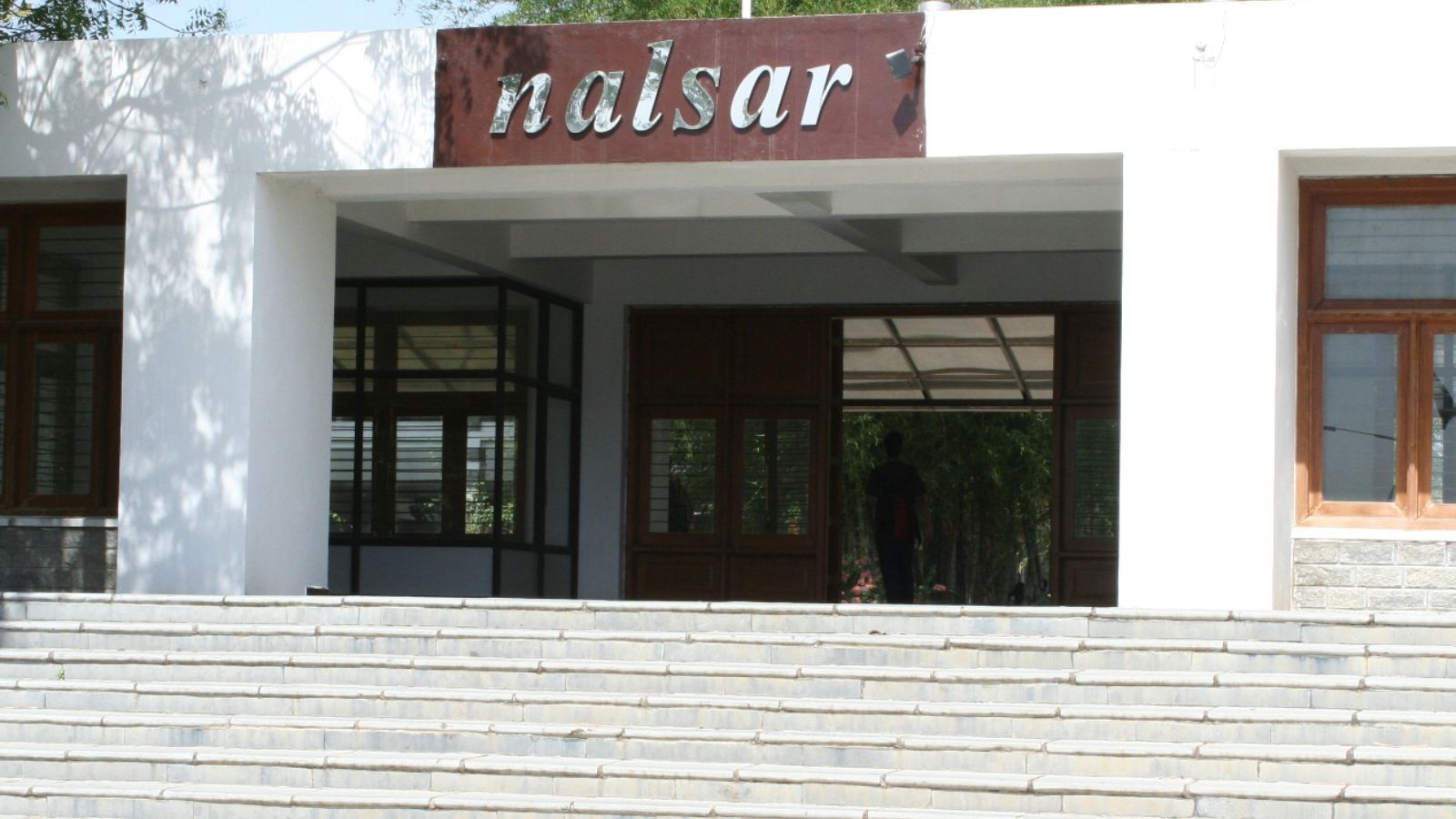
Bar Council withdraws NALSAR enrolment freeze after CJI criticism
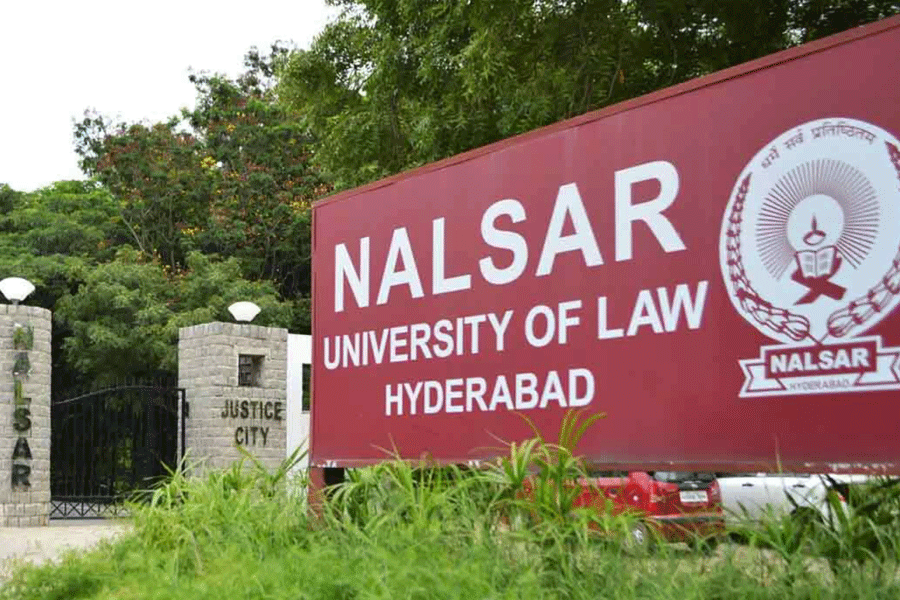
Student Body Demands Apology After BCI Withdraws NALSAR Enrolment Ban
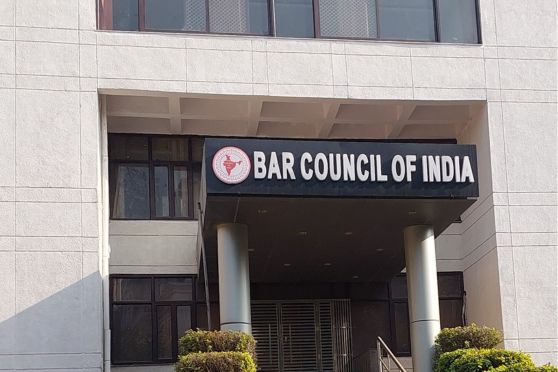
NALSAR alumni condemn Bar Council's 'witch hunt' over convocation
Parents Group Seeks Cancellation of Andhra Pradesh MBBS Admissions
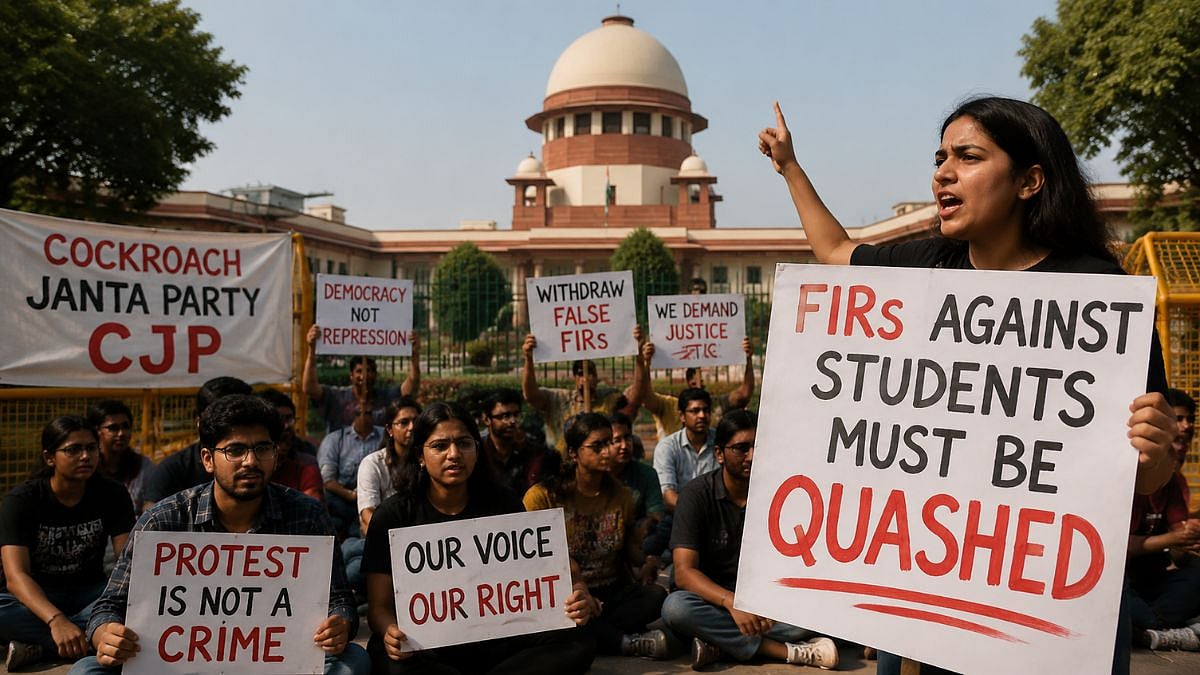
Supreme Court FIR Order Draws Criticism Over Protest Rights

Delhi Police Coordinates Security Plans Ahead of BRICS Summit

Speaker Gives 20 Rebel TMC MPs Until September 22
