2 weeks ago
Bar Council's bid to curb NALSAR students raises autonomy questions
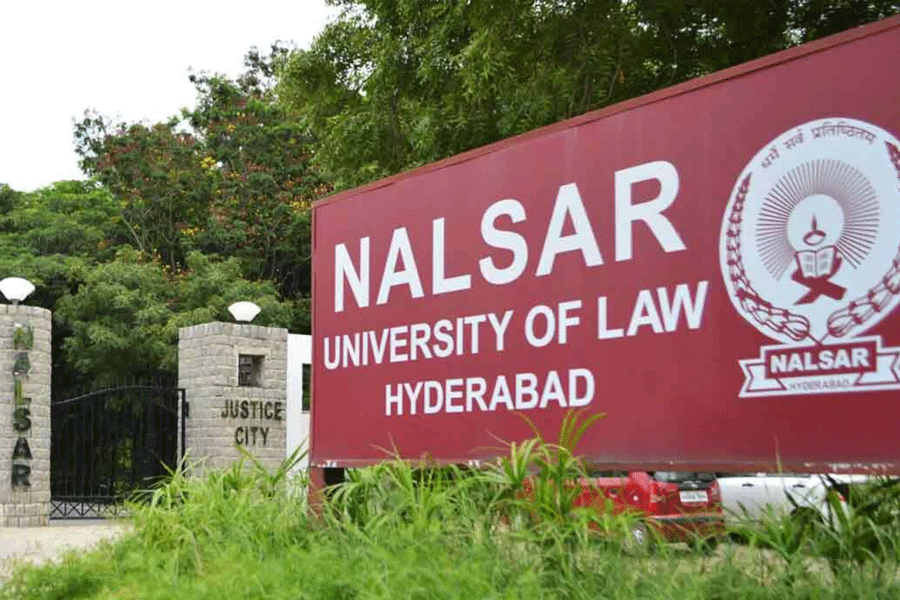
Some law students in India were getting ready to finish law school at a place called NALSAR.
At their graduation ceremony, the school wanted a very important judge, the Chief Justice of India, to be the special guest.
The students did not agree.
They remembered that this judge had earlier refused to quickly listen to a complaint about police being rough with some young people who were marching to Parliament.
So the students wrote a letter to say they did not want him at their ceremony.
A group that controls who can become a lawyer in India got very upset about that.
It said it would not let any of the graduating students become lawyers, which seemed very unfair.
Many people complained that the group was being too harsh and punishing everyone for a peaceful opinion.
Very quickly, the group changed its mind and said the students could become lawyers after all.
This story shows why students should be free to share their opinions without being afraid.

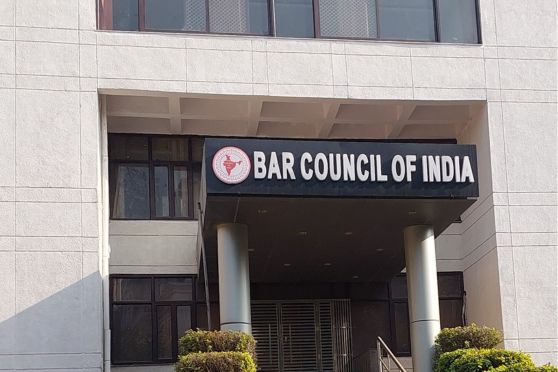
The Bar Council of India initially directed state bar councils not to enrol NALSAR students graduating in 2026 over a campaign against inviting Chief Justice Surya Kant to their convocation.
Students objected because a bench led by Justice Surya Kant reportedly refused to urgently hear a petition on alleged police brutality against protesters marching to Parliament in Delhi on July 20.
After an outcry from senior advocates, Bar members, law students and citizens, the Bar Council withdrew the blanket ban within hours and later cancelled its demand for a report on those behind the 'organised campaign.'
NALSAR said it would first consider whether any requested inquiry would be a constitutional exercise of its powers under its governance framework.
The episode raises questions about the boundary between regulating the legal profession and governing university life, and about free speech and association rights under Article 19(1)(a).
- Who
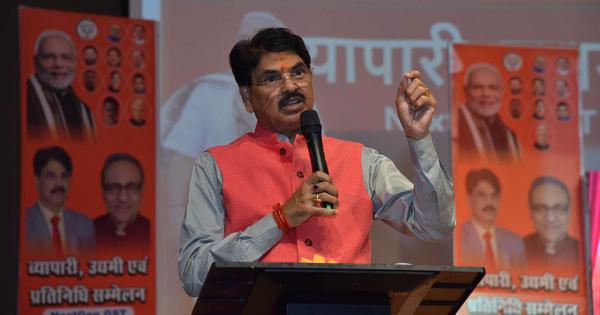
- Students of NALSAR University of Law (2026 graduating batch), Bar Council of India chairperson Manan Kumar Mishra, and Chief Justice Surya Kant
- What
- The Bar Council of India briefly barred NALSAR's 2026 batch from enrolment over a student campaign opposing the Chief Justice's convocation invitation, then withdrew the order following an outcry.
- Where
- India; primarily at NALSAR University of Law in Hyderabad, and in Delhi where protesters marched to Parliament on July 20
- When
- Mid-August 2026, on the eve of Indian Independence Day (August 15); the order was withdrawn within about a day of being issued
- Why
- Students objected to inviting Chief Justice Surya Kant after he reportedly refused to urgently hear a petition on alleged police brutality against protesters; the Bar Council treated the campaign as organised conduct requiring inquiry.
Free Speech and University Autonomy
Professional Regulation and Institutional Decorum
Students' campaign against the convocation chief guest
Free Speech and University Autonomy
Drafting a representation, gathering support and speaking to journalists are protected by constitutional free speech and association rights; participating in an organised opinion campaign is not professional misconduct.
Professional Regulation and Institutional Decorum
The Bar Council treated the campaign as an 'organised campaign' against the Chief Justice warranting an inquiry, and advised future advocates to express themselves with 'respect and institutional decorum.'
Bar Council's jurisdiction over university life
Free Speech and University Autonomy
Regulating the legal profession is not the same as governing university life; a 2025 Supreme Court bench orally remarked the Bar Council had 'no business' going into legal education.
Professional Regulation and Institutional Decorum
The Bar Council regulates legal practice and legal education in the country and controls the gateway to the profession, giving it a role in assessing the conduct of aspiring advocates and law students.
'Respect and institutional decorum' as a standard
Free Speech and University Autonomy
'Counterproductive' is not a restriction recognised by Article 19(2), and 'institutional decorum' cannot become an additional qualification for enrolment; constitutional institutions must remain open to criticism.
Professional Regulation and Institutional Decorum
Mishra's final statement advised future advocates to express themselves freely but with respect and institutional decorum, noting that public ridicule of constitutional institutions is often counterproductive.
Key facts
- University
- NALSAR University of Law, Hyderabad
- Regulator
- Bar Council of India, chaired by Manan Kumar Mishra
- Trigger
- Student opposition to inviting Chief Justice Surya Kant as convocation chief guest
- Initial action
- Direction to state bar councils not to enrol NALSAR students graduating in 2026
- Outcome
- Blanket ban withdrawn; demand for a report on campaign organisers also cancelled
- Related incident
- July 20 protest march to Parliament in Delhi; petition refused urgent hearing on July 22
- Timeline
- Order issued on a Thursday, withdrawn early Friday morning, mid-August 2026
Quotes
Justice Rohinton Nariman
Justice of the Supreme Court of India
“"First, the blanket ban on enrollments was withdrawn, though the Bar Council asked NALSAR officials to submit a report within three days about the persons involved in mobilising the “organised campaign” against the invitation to the chief justice."”
 scroll.in
“"Shreya Singhal v Union of India separated discussion, advocacy and incitement, placing discussion and advocacy at the core of Article 19(1)(a) of the Constitution."”
scroll.in
Sources
Related news
Student Body Demands Apology After BCI Withdraws NALSAR Enrolment Ban
NALSAR alumni condemn Bar Council's 'witch hunt' over convocation
CJI Slams Bar Council's NALSAR Enrolment Suspension As 'Uncalled For'
NALSAR to Weigh Constitutionality of BCI Inquiry Over Student Row

NLSIU students demand BCI apology over revoked NALSAR enrolment order
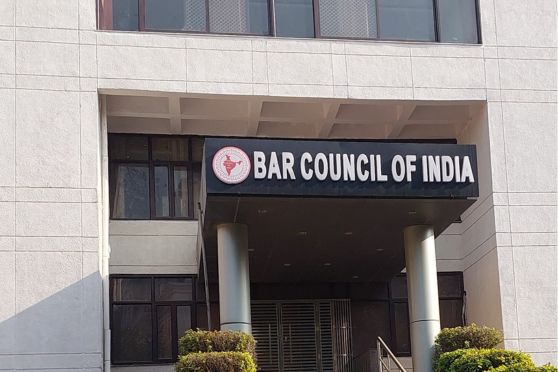
Bar Council Halts, Then Lifts NALSAR Graduate Enrolment Ban
PUCL Urges CJI Action Over Rajasthan High Court Allegations

Supreme Court Questions IPS Deputation for CAPF Leadership Positions

Supreme Court Quashes 20-Year Conviction, Reaffirms Juvenile Legal Protections
Two Years After RG Kar Doctor's Rape-Murder, Case Remains Unresolved

ED widens Chhattisgarh probes with two arrests and searches